
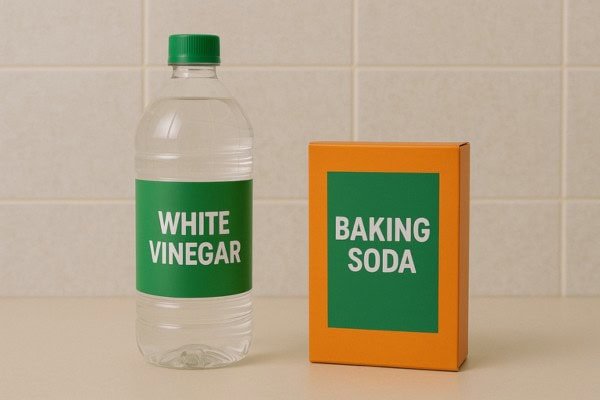
Are hard water stains ruining the look of your sinks, faucets, or shower doors? You’re not alone.
These stubborn spots can be frustrating to clean and often leave your surfaces looking dull and dirty. But what if you could get rid of them without harsh chemicals or expensive cleaners? You’ll discover simple, natural ways to remove hard water stains that are safe for your home and wallet.
Keep reading, and you’ll learn easy tricks to restore the shine and freshness of your surfaces quickly and effectively. Your home deserves to look its best—let’s make it happen!
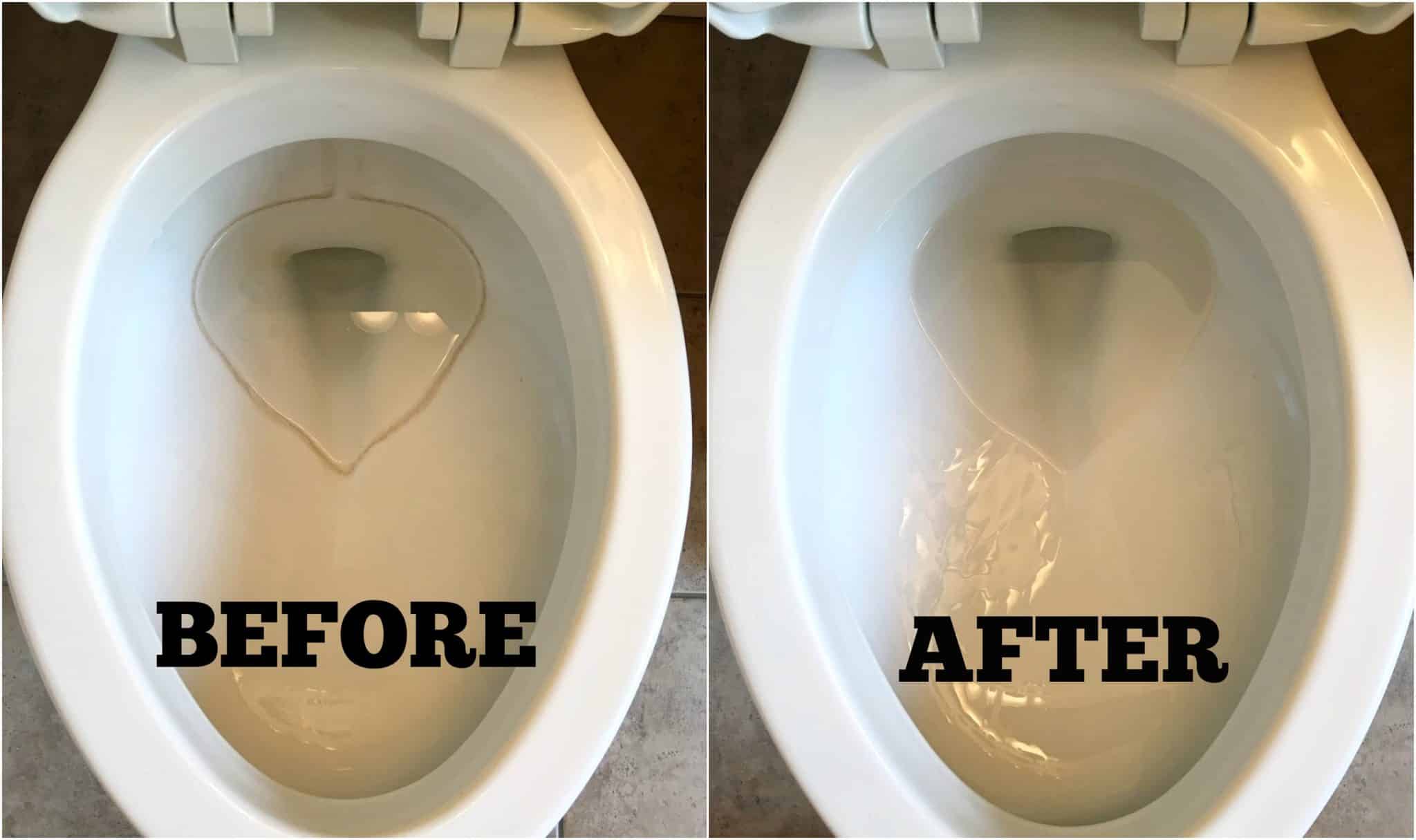
Credit: theforkedspoon.com
Causes Of Hard Water Stains
Hard water stains form when water has high levels of minerals. These minerals leave marks on surfaces after water dries.
Understanding what causes these stains helps in removing them naturally and preventing more damage.
High Mineral Content In Water
Hard water contains minerals like calcium and magnesium. These minerals do not dissolve completely in water.
When water evaporates, minerals stay behind and create white or cloudy stains on surfaces.
Frequent Water Exposure
Surfaces that get wet often, like sinks and shower doors, are more likely to have hard water stains. Water droplets leave minerals when they dry.
Areas with poor ventilation dry slower, causing minerals to build up more quickly.
Soap Scum And Mineral Mix
Soap reacts with hard water minerals and forms soap scum. This scum sticks to surfaces and traps minerals.
The mix of soap and minerals creates thick, hard-to-remove stains on tubs and tiles.
Poor Cleaning Habits
Not cleaning surfaces regularly lets hard water stains build up over time. Old stains become harder to remove.
Wiping surfaces after use helps stop mineral deposits from settling and staining.
Common Areas Affected
Hard water stains appear in many places around the home. These stains come from minerals like calcium and magnesium in water.
Removing these stains naturally is easy. It helps keep surfaces clean without harsh chemicals.
Bathroom Fixtures
Bathroom fixtures like faucets and showerheads often have hard water stains. These stains look white or cloudy.
Stains build up from daily water use. They can block water flow and make fixtures look old.
Kitchen Appliances
Kitchen appliances like kettles and coffee makers get hard water stains inside and outside. The stains reduce appliance efficiency.
Mineral deposits can change the taste of drinks. Regular cleaning helps keep appliances working well.
Glass Surfaces
Glass surfaces such as windows and shower doors show hard water stains clearly. The stains look like white spots or streaks.
These marks reduce shine and make glass look dirty. Removing stains naturally keeps glass clear and bright.
Benefits Of Natural Cleaning Methods
Natural cleaning methods use ingredients from nature to clean your home. They avoid harsh chemicals and protect your health.
Using natural ways to remove hard water stains keeps surfaces safe and helps the environment.
Safe For Your Family And Pets
Natural cleaners do not contain toxic chemicals. This lowers the risk of allergies and skin problems for everyone in your home.
Environmentally Friendly
Natural ingredients break down quickly in nature. They do not pollute water or soil like many chemicals do.
Cost-effective And Easy To Find
- Common items like vinegar, lemon, and baking soda are cheap.
- These items are available at most grocery stores.
- You can use them for many cleaning jobs beyond hard water stains.
Gentle On Surfaces
| Cleaner | Surface Safety |
| White vinegar | Safe on glass and tiles |
| Baking soda | Non-scratching on metal and porcelain |
| Lemon juice | Natural bleach, safe on most surfaces |
Reduces Chemical Waste
Natural cleaning methods produce less chemical waste. This helps reduce the amount of harmful substances in landfills and water systems.
Essential Natural Ingredients
Hard water stains can ruin the look of your sinks, faucets, and tiles. These stains form from minerals like calcium and magnesium. You can clean them using natural ingredients found in your kitchen.
Using natural ingredients is safe for your home and the environment. They are also easy to use and cost less than chemical cleaners.
Vinegar
Vinegar is acidic and helps break down mineral deposits. It dissolves hard water stains quickly and works well on glass and metal surfaces.
To use, soak a cloth in vinegar and place it on the stain. Let it sit for 15 to 30 minutes, then scrub gently with a brush or sponge.
- Use white distilled vinegar for best results
- Do not use vinegar on natural stone surfaces
- Rinse the area well after cleaning
Lemon Juice
Lemon juice is natural and contains citric acid. This acid helps remove stains and leaves a fresh scent behind. It also brightens surfaces.
Apply lemon juice directly to the stain. Let it sit for 10 to 20 minutes. Then wipe or scrub the area with a soft cloth or sponge.
- Use fresh lemon juice for stronger acid content
- Good for small stains on tiles and faucets
- Rinse with water to avoid sticky residue
Baking Soda
Baking soda is a mild abrasive that helps scrub away stains. It also neutralizes odors and is safe for most surfaces.
Make a paste by mixing baking soda with water. Spread the paste on the stains and scrub gently. Rinse with water after cleaning.
- Use a soft brush to avoid scratching surfaces
- Combine with vinegar for tougher stains
- Safe for sinks, tubs, and tiles
Step-by-step Cleaning Guide
Hard water stains can make surfaces look dull and dirty. You can remove these stains using natural ingredients. This guide will show you how to clean stains safely and simply.
Follow easy steps to prepare a cleaning solution, apply it correctly, and rinse off for the best results.
Preparing The Cleaning Solution
Mix natural ingredients that break down hard water stains. Use items like vinegar and baking soda for a safe and effective cleaner.
- Pour one cup of white vinegar into a bowl.
- Add two tablespoons of baking soda slowly to avoid fizzing over.
- Stir the mixture until it forms a paste.
- Add a few drops of lemon juice for extra cleaning power.
- Let the paste sit for five minutes to thicken.
Application Techniques
Apply the cleaning paste gently to the stained areas. Let it sit and work on the stains before wiping.
| Tool | Purpose |
|---|---|
| Soft cloth | Spread and rub paste gently |
| Old toothbrush | Scrub corners and small spots |
| Sponge | Apply paste evenly on flat surfaces |
Use a soft cloth or sponge to cover the stains. For tight spots, scrub gently with an old toothbrush.
Rinsing And Drying
Remove the cleaning paste with clean water. Dry the surface well to avoid new stains from forming.
- Rinse the area with warm water.
- Wipe off excess moisture using a dry cloth.
- Let the surface air dry completely.
- Repeat if any stains remain after drying.

Credit: www.youtube.com
Preventive Measures
Hard water stains can damage surfaces over time. Taking preventive measures helps keep your home clean and stain-free.
Using natural methods to prevent stains is safe and effective. This guide covers key steps to protect your surfaces.
Regular Cleaning Routine
Clean surfaces often to stop hard water stains from building up. Use natural solutions like vinegar or lemon juice.
- Wipe faucets and sinks daily with a soft cloth.
- Rinse shower doors and tiles after each use.
- Use a vinegar-water mix weekly to remove light deposits.
- Dry wet areas to prevent mineral buildup.
Installing Water Softeners
Water softeners reduce minerals that cause stains. They protect pipes and surfaces from hard water damage.
| Type of Softener | How It Works | Maintenance |
| Salt-based | Replaces minerals with sodium | Refill salt regularly |
| Salt-free | Conditions minerals to prevent deposits | Low maintenance |
| Magnetic | Alters mineral structure with magnets | Clean magnets occasionally |
Using Protective Coatings
Apply coatings to surfaces to stop water and minerals from sticking. This helps keep stains away naturally.
Common natural coatings include:
- Beeswax polish for wood and metal
- Coconut oil to protect tiles and stone
- Carnauba wax for a durable shine
Additional Tips For Stubborn Stains
Hard water stains can be tough to remove with just one try. Some stains need extra care and patience. These tips help you clean them naturally.
Using natural ingredients can protect surfaces while removing stains. Try these extra steps to get better results.
Use A Paste Of Baking Soda And Water
Make a thick paste by mixing baking soda and water. Apply it to the stain and let it sit for 15 minutes. Then scrub gently with a soft brush.
This paste acts like a mild abrasive. It helps break down tough stains without scratching surfaces.
Apply White Vinegar Soak
Soak a cloth in white vinegar and place it on the stain. Leave it for 30 minutes. The acid in vinegar dissolves mineral deposits from hard water.
After soaking, wipe the area clean with water. Repeat if needed for thick stains.
Use Lemon Juice For Extra Strength
Lemon juice contains natural acids that help break down hard water stains. Rub fresh lemon juice on the stain and leave it for 10 minutes.
Rinse with water and wipe dry. This method also leaves a fresh scent.
Try A Soft Scrub Brush
Use a soft scrub brush to gently scrub stains after applying natural cleaners. This helps remove stain particles without damaging surfaces.
- Use circular motions
- Apply light pressure
- Rinse brush often
Repeat Treatments If Needed
Stubborn stains may need more than one cleaning session. Repeat the natural treatments until the stain fades completely.
Be patient and avoid harsh chemicals that can harm surfaces.
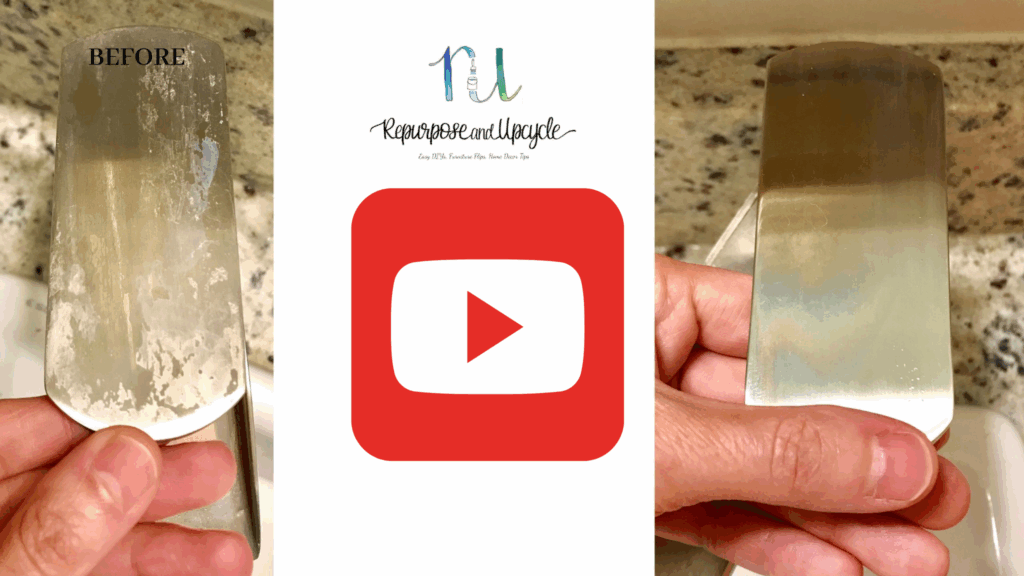
Credit: repurposeandupcycle.com
Frequently Asked Questions
What Natural Ingredients Remove Hard Water Stains Effectively?
Vinegar and lemon juice are highly effective natural cleaners. Their acidity breaks down mineral deposits quickly. Baking soda helps scrub stains gently. These ingredients are safe, affordable, and eco-friendly for removing hard water stains.
How Can Vinegar Help Remove Hard Water Stains Naturally?
Vinegar contains acetic acid that dissolves mineral buildup. Soak a cloth in vinegar and apply it to the stain. Let it sit for 15-30 minutes, then scrub gently. Rinse thoroughly for best results. Vinegar is a powerful, natural, and non-toxic cleaner.
Can Baking Soda Remove Hard Water Stains Safely?
Yes, baking soda is mildly abrasive and helps lift stains. Make a paste with water and apply it to the stain. Scrub gently with a sponge or brush. Rinse well afterward. Baking soda is safe for most surfaces and eco-friendly.
How Long Does Natural Stain Removal Take?
Natural stain removal usually takes 15 to 30 minutes. This allows acidic ingredients to break down mineral deposits. Tough stains may need repeated treatments. Patience ensures effective, damage-free cleaning without harsh chemicals.
Conclusion
Hard water stains can be tough to remove, but natural methods work well. Vinegar, lemon, and baking soda clean effectively without harsh chemicals. These ingredients are easy to find and safe for your home. Regular cleaning helps keep surfaces bright and stain-free.
Try these simple tips to save time and money. Clean spaces feel fresh and look great. Natural stain removal is good for you and the environment. Start using these easy tricks today and see the difference.