
Are you tired of pizza dough that feels tough or crumbly? Imagine biting into a slice with a soft, stretchy crust that melts in your mouth.
Getting that perfect texture isn’t as hard as you think. With a few simple tips, you can turn your pizza dough into a soft and elastic masterpiece every time. Keep reading, and you’ll discover easy tricks that will transform your homemade pizza and impress everyone at the table.
Your perfect dough is just a few steps away!
Choosing The Right Flour
The type of flour you use affects how soft and elastic your pizza dough will be. Picking the right flour helps create a better texture.
Flour has different proteins that change the dough’s stretchiness and softness. Knowing which flour to choose is important.
Use High-protein Flour For Elasticity
Flour with more protein makes dough more elastic. This helps the dough stretch without tearing.
Bread flour usually has 12-14% protein. It is good for pizza dough that needs strength and stretch.
Try All-purpose Flour For Softness
All-purpose flour has less protein, about 10-12%. It makes dough softer but less stretchy.
You can mix all-purpose flour with bread flour to get a balance of soft and elastic dough.
Consider Using “00” Flour
“00” flour is finely ground and popular for pizza dough. It creates a smooth, elastic dough.
This flour has moderate protein and helps the dough stretch easily while staying soft.
Avoid Low-protein Flour
Low-protein flours, like cake or pastry flour, make dough weak and sticky. They do not hold shape well.
Using these flours can result in a dough that tears easily and is not stretchy enough for pizza.
Credit: www.prepapizza.com
Importance Of Hydration
Hydration means the amount of water in pizza dough. Water makes the dough soft and easy to stretch. Without enough water, dough feels hard and dry.
Good hydration helps gluten form well. Gluten gives dough its elastic texture. This makes pizza dough rise and bake nicely.
Water-to-flour Ratio
The water-to-flour ratio shows how much water you add for each cup of flour. A common ratio is about 60% water to flour by weight. This means 60 grams of water for 100 grams of flour.
Changing this ratio changes dough texture. More water makes dough softer but harder to handle. Less water makes dough stiff and tough.
- 60% hydration is standard for soft dough
- 50% hydration gives firmer dough
- 70% or more creates very soft, sticky dough
Effects Of High Hydration
High hydration means adding more water than usual. This creates dough that is very soft and elastic. It also helps dough rise better and bake with a light crust.
High hydration dough can be sticky and harder to shape. It needs careful handling and sometimes longer kneading. But it results in a tender, airy pizza base.
- Soft dough with good stretch
- More air pockets in baked pizza
- Needs gentle shaping and more practice
Optimal Kneading Techniques
Kneading pizza dough correctly makes it soft and elastic. This helps the dough stretch without breaking.
Good kneading develops gluten, which gives dough its texture and strength. There are two common ways to knead dough.
Kneading By Hand
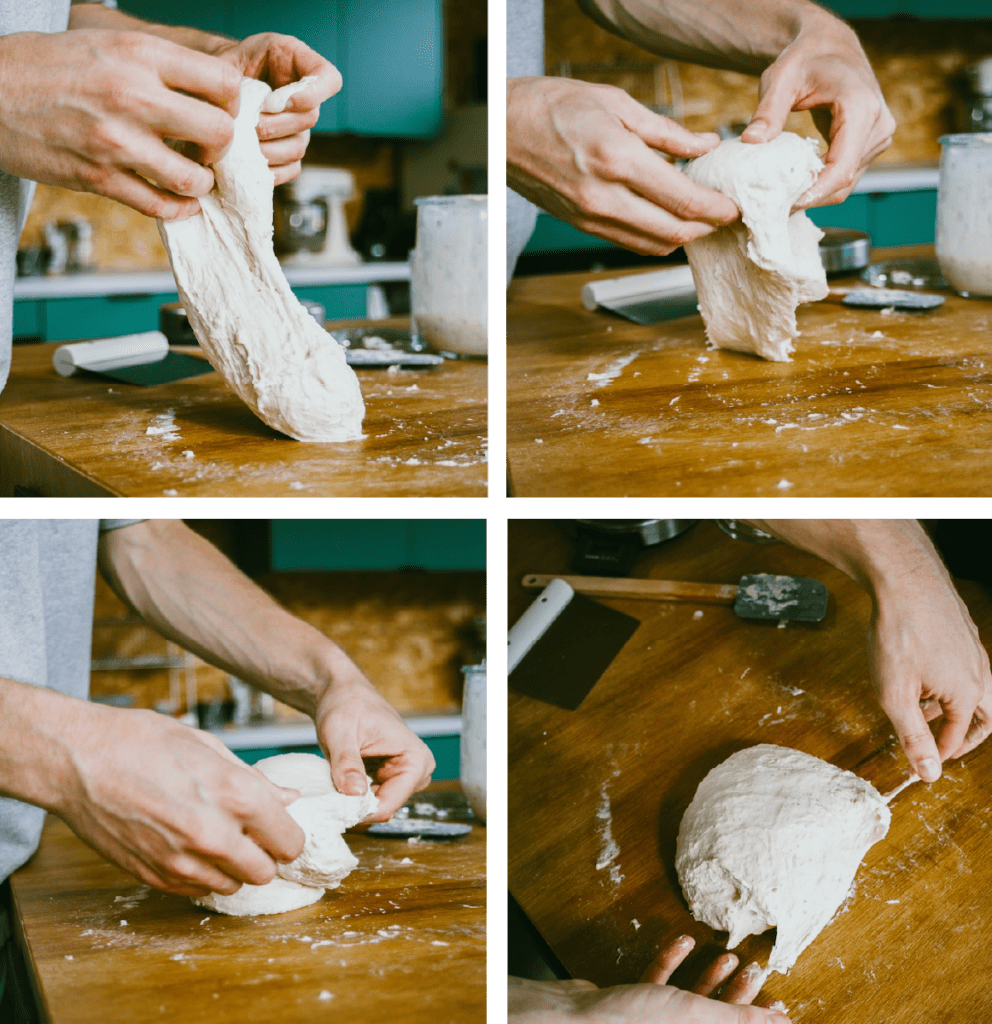
Kneading by hand lets you feel the dough’s texture. Use the heel of your hand to push the dough away from you.
Fold the dough over itself and repeat the push and fold motion. Keep your movements smooth and steady.
- Push the dough with the heel of your hand
- Fold the dough back over itself
- Turn the dough a quarter turn each time
- Knead for about 10 minutes until smooth and elastic
Using A Stand Mixer
A stand mixer saves time and effort. Use the dough hook attachment for best results.
Mix on low speed first, then increase to medium. Knead for about 7 to 10 minutes until the dough is soft.
- Attach the dough hook to the mixer
- Start mixing on low speed to combine ingredients
- Increase to medium speed for kneading
- Stop when dough is smooth and elastic
- Do not over-knead to keep dough soft

Credit: ooni.com
The Role Of Fermentation
Fermentation is key to making pizza dough soft and elastic. It allows yeast to break down sugars and release gases.
This process creates air pockets and develops gluten structure. The dough becomes stretchable and light.
Cold Fermentation Benefits
Cold fermentation happens when dough rests in the fridge for several hours or days. It slows down yeast activity and improves flavor.
- Develops deeper flavor in the dough
- Improves dough texture and elasticity
- Allows gluten to strengthen gradually
- Makes dough easier to shape and stretch
- Reduces risk of over-proofing
Time And Temperature Control
Proper time and temperature control are essential for good fermentation. Too warm or too cold affects dough quality.
| Temperature | Effect on Dough | Recommended Time |
| Cold (2-5°C) | Slows yeast, builds flavor | 12-72 hours |
| Room (20-25°C) | Faster rise, less flavor | 1-3 hours |
| Warm (30-35°C) | Very fast rise, risk of over-proofing | 30-60 minutes |
Incorporating Fats For Softness
Adding fats to pizza dough helps make it soft and elastic. Fats coat the flour particles and slow gluten formation.
This makes the dough easier to stretch and chew. Different fats change the dough’s texture in unique ways.
Using Olive Oil
Olive oil is a popular fat for pizza dough. It adds softness and a mild flavor that blends well with toppings.
The oil keeps the dough moist and prevents it from drying out during baking. It also helps create a tender crust.
- Use about 1 to 2 tablespoons of olive oil per dough batch
- Add oil while mixing flour and water for even coating
- Olive oil also makes the dough easier to roll out
Alternative Fats
Other fats can be used instead of olive oil to change dough texture. Butter, vegetable oil, and shortening are common options.
Butter adds a rich flavor and soft crumb. Vegetable oil gives a neutral taste and light feel. Shortening creates a very tender dough.
- Butter: Use melted butter for softness and flavor
- Vegetable oil: Use mild oils like canola or sunflower
- Shortening: Use small amounts for a very soft texture

Credit: www.youtube.com
Resting And Proofing
Making pizza dough soft and elastic depends on resting and proofing. These steps help the dough develop texture and flavor.
Taking time for the dough to rest and proof makes it easier to stretch and gives a better crust.
Importance Of Resting Periods
Resting allows gluten to relax after kneading. This makes the dough less sticky and easier to shape.
It also helps the dough absorb water fully, making it softer and more elastic.
- Rest dough for at least 20 to 30 minutes after kneading
- Cover dough with a damp cloth to keep it moist
- Resting reduces dough resistance when stretching
Proofing For Elasticity
Proofing is the process where dough rises and ferments. Yeast creates gas that helps dough expand and become light.
Proper proofing makes the dough stretchy and soft. It also improves the taste and crust texture.
- Proof dough in a warm place for 1 to 2 hours
- Do not rush proofing; slow fermentation is better
- Check dough size; it should double in volume
Mastering The Stretching Technique
Stretching pizza dough well helps make it soft and elastic. This step shapes the dough and improves its texture.
Using the right stretching method keeps the dough from tearing and helps it cook evenly.
Avoiding Over-stretching
Do not stretch the dough too much or it will tear easily. Over-stretched dough loses its air bubbles, making it dense.
Let the dough rest for a few minutes if it feels too tight. This lets the gluten relax and makes stretching easier.
- Stretch gently with your hands, not a rolling pin
- Stop if the dough feels thin or holes start to form
- Rest the dough if it springs back too fast
Stretching For Uniformity
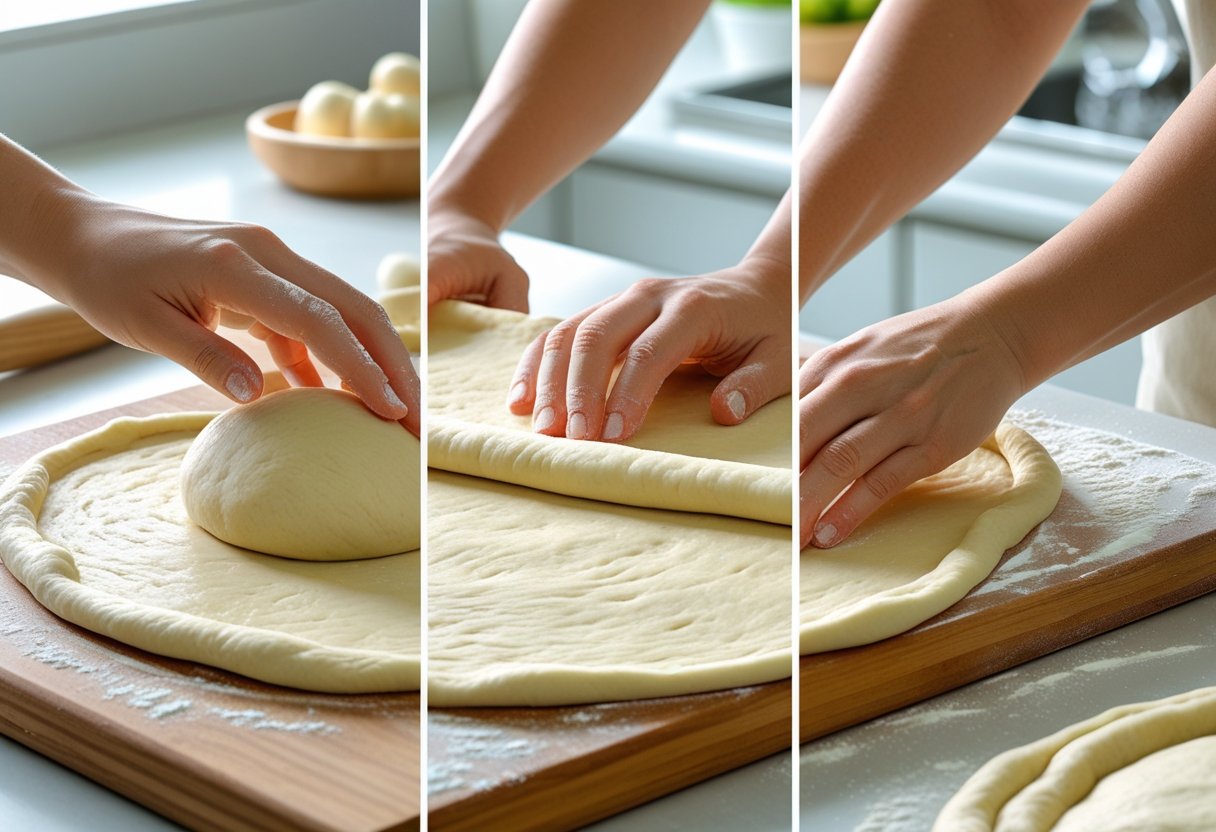
Stretch the dough evenly to get a round shape with the same thickness all over. This helps it cook evenly.
Use your fingers to press from the center outwards. Keep the edges a little thicker to hold toppings.
- Turn the dough slowly as you stretch
- Use both hands to support the dough
- Check thickness by holding the dough up to the light
Troubleshooting Common Issues
Making soft and elastic pizza dough can be tricky. Many bakers face problems with texture and handling.
Fixing these common issues helps improve your dough and final pizza quality.
Dealing With Sticky Dough
Sticky dough is hard to shape and can stick to surfaces. It often happens when there is too much water.
To fix sticky dough, add flour little by little while kneading. Be careful not to add too much flour.
- Dust your work surface with flour before placing dough
- Use a light coating of oil on your hands to prevent sticking
- Rest the dough for 10-15 minutes; it can become less sticky
- Avoid adding large amounts of flour at once to keep dough soft
Addressing Toughness
Tough dough feels hard and is difficult to stretch. This happens if the dough is over-kneaded or too dry.
To make dough soft, knead gently and add water if the dough feels dry. Let the dough rest to relax gluten.
- Use the right amount of water to keep dough moist
- Knead the dough until smooth but not too long
- Let the dough rest covered for at least 1 hour
- Use warm water to help yeast activate and soften dough
Frequently Asked Questions
How To Make Pizza Dough Soft And Elastic?
To make dough soft and elastic, use high-protein flour and hydrate well. Knead thoroughly to develop gluten. Let it rest and rise properly for elasticity.
Why Is Kneading Important For Pizza Dough?
Kneading develops gluten, which gives dough elasticity and structure. Proper kneading makes the dough smooth, stretchy, and easier to shape.
What Role Does Water Temperature Play In Dough Softness?
Use lukewarm water (around 100°F) to activate yeast. Proper water temperature ensures good fermentation and soft, elastic dough texture.
How Long Should Pizza Dough Rest For Best Texture?
Let dough rest for 1-2 hours or overnight in the fridge. Resting improves gluten development, making dough soft and easier to stretch.
Conclusion
Making soft and elastic pizza dough takes practice and patience. Use the right flour and measure ingredients well. Knead the dough thoroughly to develop gluten. Let the dough rest and rise in a warm place. Avoid adding too much flour while shaping.
These simple tips help create better texture and taste. Enjoy baking your delicious homemade pizza with confidence. Keep trying, and soon your dough will feel just right.