

Your fridge’s vegetable drawer is where fresh produce stays crisp and ready to eat. But when was the last time you gave it a deep clean?
Dirt, spills, and hidden mold can build up quickly, making your veggies less fresh and even risking your health. You might not realize how much grime hides in that little space until you take a closer look. Keep reading, and you’ll discover simple, effective tips to clean your fridge vegetable drawer thoroughly—so your fruits and veggies stay fresher longer and your kitchen stays healthier.
Don’t let a dirty drawer spoil your food or your day!
Importance Of A Clean Vegetable Drawer
The vegetable drawer in your fridge keeps greens fresh longer. Dirt and old food can cause bad smells and spoilage.
Cleaning this drawer helps prevent bacteria growth. It also keeps your vegetables healthy and tasty.
Prevents Cross-contamination
Vegetables can carry bacteria that spread to other foods. A clean drawer stops this transfer and keeps your fridge safe.
Extends Freshness Of Vegetables
Old dirt and moisture cause vegetables to rot faster. Cleaning removes these and helps keep your produce fresh longer.
Improves Fridge Odor
Leftover food bits create unpleasant smells. Cleaning the drawer removes these and keeps your fridge smelling fresh.
- Remove the drawer from the fridge
- Discard old or spoiled vegetables
- Wash the drawer with warm soapy water
- Dry it completely before placing it back
- Wipe the fridge area where the drawer sits
Maintains Refrigerator Efficiency
A clean drawer allows cold air to circulate well. This helps your fridge work better and saves energy.
| Benefit | Reason |
| Prevents bacteria | Removes dirt and old food |
| Keeps vegetables fresh | Stops moisture buildup |
| Reduces odors | Clears food scraps |
| Saves energy | Allows better air flow |
Credit: shopping.yahoo.com
Gathering Necessary Cleaning Supplies
Cleaning the fridge vegetable drawer keeps your food fresh and safe. Before you start, gather all the supplies you need.
Having the right tools makes the cleaning process easier and faster. It also helps you clean thoroughly without missing spots.
Mild Dish Soap
Use mild dish soap to clean the vegetable drawer gently. It removes dirt and food residues without harming the plastic.
Warm Water
Warm water helps dissolve grease and dirt better than cold water. It also makes washing easier and more effective.
Soft Sponge Or Cloth
Choose a soft sponge or cloth to avoid scratching the drawer’s surface. Rough materials can damage the plastic over time.
Baking Soda
Baking soda helps remove odors and stains from the vegetable drawer. It is safe to use and natural.
Clean Towel Or Paper Towels
Use a clean towel or paper towels to dry the drawer after washing. Drying prevents mold and mildew growth.
Optional: White Vinegar
White vinegar is useful to disinfect and remove tough smells. Dilute it with water before use to protect the plastic.
Emptying The Drawer Completely
Cleaning the fridge vegetable drawer starts with emptying it fully. Removing all items helps you clean every corner well. It also stops dirt and bacteria from spreading to other food.
Take your time when emptying the drawer. Handle vegetables gently to avoid bruising. Set aside perishable items in a cool place while you clean.
Remove All Vegetables And Fruits
Take out every vegetable and fruit from the drawer. Do not leave any behind. Check for spoiled or moldy items and throw them away.
Take Out The Drawer From The Fridge
Pull the drawer out carefully. Most drawers slide out easily. Check your fridge manual if you need help removing it safely.
Inspect For Hidden Debris And Spills
Look inside the fridge where the drawer sits. Food crumbs and spills often hide in corners. Cleaning these spots keeps your fridge fresh and hygienic.
- Check under the drawer track
- Look at the drawer edges and corners
- Notice any sticky spots or stains
- Remove any loose dirt with a soft cloth
Prepare The Drawer For Washing
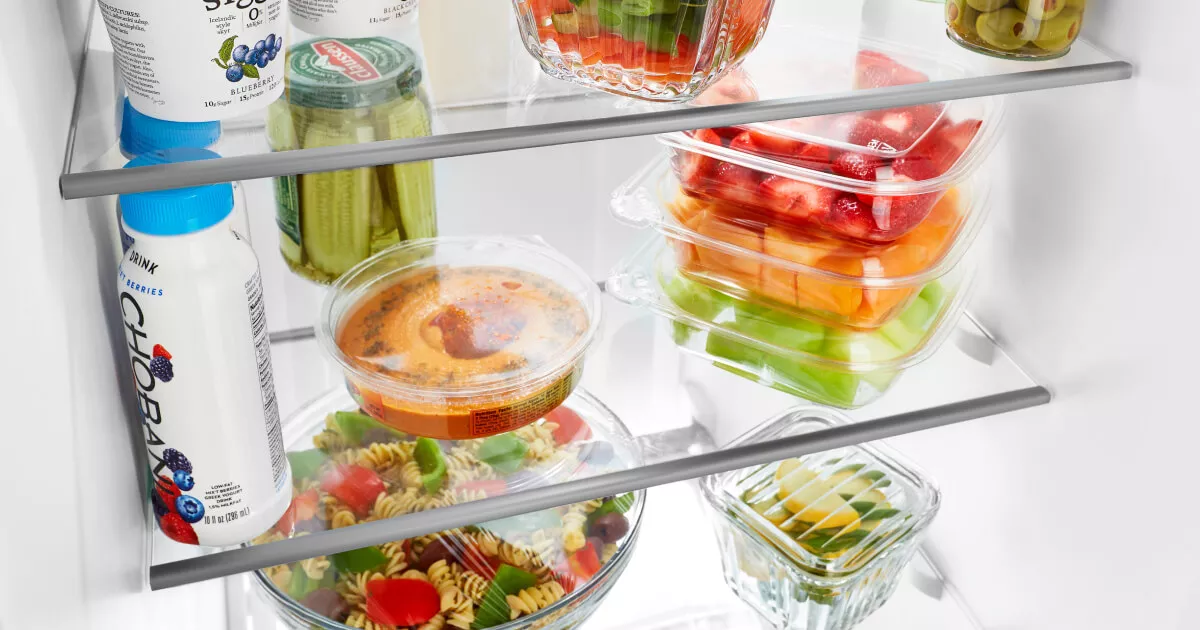
Before washing, empty the drawer completely. This makes cleaning easier and more effective. Use warm water and mild soap for washing.
Credit: www.whirlpool.ca
Removing And Washing The Drawer
Cleaning the vegetable drawer in your fridge keeps your produce fresh. Removing and washing the drawer regularly stops bacteria build-up.
This guide shows easy ways to take out and clean the drawer safely and well.
Safe Removal Techniques
Remove the drawer carefully to avoid breaking it or hurting yourself. Check your fridge manual for specific instructions.
Start by pulling the drawer slowly toward you. Stop if you feel resistance and look for stops or clips.
- Empty the drawer before removing it
- Pull straight out gently
- Lift the front edge if the drawer has stops
- Use both hands for better control
- Set the drawer on a soft surface
Effective Washing Methods
Wash the drawer with warm, soapy water to remove dirt and germs. Avoid harsh chemicals that can damage plastic.
Rinse the drawer well and dry it completely before putting it back. This prevents mold and keeps your fridge fresh.
- Use mild dish soap and warm water
- Scrub with a soft sponge or cloth
- Pay attention to corners and seals
- Rinse thoroughly to remove soap
- Dry with a clean towel or air dry
Cleaning The Interior Of The Fridge
Keeping the fridge clean helps keep your food fresh and safe. The vegetable drawer often holds dirt and spills.
Cleaning it well prevents bad smells and bacteria growth inside your fridge.
Using Natural Cleaners
Natural cleaners are safe and easy to use for cleaning your fridge drawer. They remove dirt without harsh chemicals.
Mix equal parts of water and white vinegar to create a simple cleaning spray. It kills germs and removes stains.
- Use baking soda paste for tough spots
- Lemon juice helps remove odors
- Rinse with clean water after cleaning
Targeting Hard-to-reach Areas
Some parts of the vegetable drawer are tricky to clean. Corners and edges collect dirt easily.
Use small brushes or cotton swabs to reach these spots. Remove the drawer for better access if possible.
- Clean under the drawer track
- Wipe seals and edges carefully
- Dry all parts before putting them back
Dealing With Odors And Stains
Cleaning the fridge vegetable drawer is important to keep your produce fresh. Odors and stains can build up over time.
Proper cleaning helps avoid bad smells and keeps the drawer hygienic. Use simple methods to remove odors and stains.
Eliminating Persistent Odors
Odors in the vegetable drawer come from leftover food and moisture. Cleaning regularly stops smells from getting worse.
- Remove all vegetables and drawers from the fridge.
- Wash the drawer with warm water and mild soap.
- Use a solution of baking soda and water to scrub the drawer.
- Rinse well and dry completely before placing it back.
- Place an open box of baking soda or activated charcoal inside the fridge to absorb odors.
Treating Tough Stains
Stains in the vegetable drawer can come from spilled juices or dirt. Treat them quickly to prevent permanent marks.
| Cleaning Agent | Use | Instructions |
| Baking Soda Paste | Light stains | Mix baking soda with water, apply to stain, scrub gently, rinse. |
| White Vinegar | Sticky stains | Spray vinegar on stain, let sit 5 minutes, wipe with cloth. |
| Lemon Juice | Discoloration | Apply lemon juice, leave for 10 minutes, scrub lightly, rinse. |
| Dish Soap | Greasy stains | Use warm soapy water, scrub with sponge, rinse thoroughly. |
Drying And Reassembling The Drawer
After cleaning the fridge vegetable drawer, drying it well is very important. Any moisture left can cause mold or odors.
Once dry, you can put the drawer back in the fridge. Proper reassembly keeps your fridge organized and fresh.
Drying The Drawer Completely
Use a clean towel to wipe all surfaces inside and outside the drawer. Make sure to dry corners and edges carefully.
- Air dry the drawer in a warm place for 30 minutes
- Avoid direct sunlight to prevent plastic damage
- Turn the drawer upside down to drain any remaining water
- Use a hairdryer on low heat if in a hurry
Checking For Moisture Before Reassembly
Touch all parts of the drawer to ensure no damp spots remain. Moisture can cause food to spoil faster.
| Part of Drawer | Dryness Check |
| Bottom Surface | Should feel dry and smooth |
| Edges and Seals | No water droplets or dampness |
| Handle and Exterior | Dry to touch |
Steps To Reassemble The Drawer
- Slide the drawer back into the fridge rails gently
- Ensure it fits securely and moves smoothly
- Check for any gaps or misalignment
- Replace any additional covers or trays on top
- Close the fridge door and listen for a proper seal

Credit: www.lisabronner.com
Restocking The Vegetable Drawer
Keeping your vegetable drawer clean helps your produce last longer. Restocking it the right way keeps vegetables fresh and tasty.
Organizing the drawer and avoiding contamination are key steps. These tips make sure your vegetables stay healthy and safe to eat.
Organizing For Freshness
Place vegetables that need more air in the front. Leafy greens should be wrapped in paper towels to absorb moisture.
- Group similar vegetables together
- Store root vegetables in a cool, dark corner
- Keep ethylene-producing fruits separate
- Use clear containers to see what you have
- Check for spoiled items before restocking
Avoiding Contamination
Clean the drawer with mild soap and water before refilling. Avoid placing raw meat near vegetables to stop germs spreading.
| Do | Don’t |
|---|---|
| Wash vegetables before storing | Store spoiled produce with fresh items |
| Use separate drawers for meat and veggies | Let moisture build up inside the drawer |
| Clean drawer regularly | Ignore cracks or spills in the drawer |
Maintaining A Clean Vegetable Drawer
Keeping your fridge’s vegetable drawer clean helps your produce last longer. It also stops bad smells from building up.
Regular cleaning removes dirt, mold, and leftover food pieces. It makes your fridge healthier and fresher.
Regular Cleaning Schedule
Clean your vegetable drawer at least once every two weeks. Empty the drawer and wash it with warm, soapy water.
Dry the drawer completely before placing it back in the fridge. This stops moisture that causes mold and bacteria.
- Remove all vegetables and fruits
- Wash drawer with mild dish soap and warm water
- Use a soft cloth or sponge to scrub gently
- Rinse well and dry thoroughly
- Replace drawer and restock fresh produce
Quick Daily Tips
Check your vegetable drawer daily for spoiled items. Throw away any rotten or slimy vegetables right away.
Wipe the drawer’s surface with a damp cloth to remove small spills or dirt. This keeps the drawer clean between deep washes.
- Look for soft or moldy vegetables daily
- Remove spoiled produce immediately
- Wipe drawer edges and corners with a damp cloth
- Keep vegetables dry to prevent rot
- Organize produce to allow air circulation
Frequently Asked Questions
How Often Should I Clean My Fridge Vegetable Drawer?
You should clean the vegetable drawer every 1 to 2 weeks. Regular cleaning prevents bacteria buildup and keeps vegetables fresh longer. It also helps avoid unpleasant odors and cross-contamination from spoiled produce.
What Is The Best Way To Remove Stubborn Stains?
Use a mixture of warm water and mild dish soap. Scrub gently with a soft sponge or cloth. For tough stains, add a little baking soda to the mix and rinse thoroughly afterward.
Can I Use Vinegar To Clean The Vegetable Drawer?
Yes, vinegar is an effective natural cleaner. Mix equal parts vinegar and water to disinfect and deodorize the drawer. Avoid using undiluted vinegar as it may damage plastic surfaces.
Should I Dry The Drawer Before Placing Vegetables Back?
Always dry the drawer completely before returning vegetables. Moisture promotes mold growth and speeds up spoilage. Use a clean towel or air dry to ensure it is fully dry.
Conclusion
Cleaning your fridge vegetable drawer keeps your food fresh longer. Regular cleaning stops bad smells and mold from growing. Use gentle soap and warm water for best results. Dry the drawer well before putting vegetables back. Small steps like these make a big difference.
A clean drawer helps you enjoy healthier, tasty veggies every day. Keep this routine simple and quick. Your fridge and food will thank you.