
Are you tired of ending up with sticky, clumpy rice that ruins your meal? You’re not alone.
Making fluffy rice might seem simple, but it takes the right steps to get it perfect every time. Imagine serving rice that’s light, soft, and separates easily with every bite. You’ll discover easy tips that will transform how you cook rice.
These tricks are quick to learn and will boost your confidence in the kitchen. Ready to master fluffy rice and impress your family or guests? Keep reading—you’re just a few steps away from rice perfection.
Choosing The Right Rice
Fluffy rice starts with choosing the right kind of rice. Different types of rice cook differently. Picking the right rice helps get soft and separate grains.
Some rice types are better for fluffiness. Knowing these types helps you cook perfect rice every time.
Types Of Rice For Fluffiness
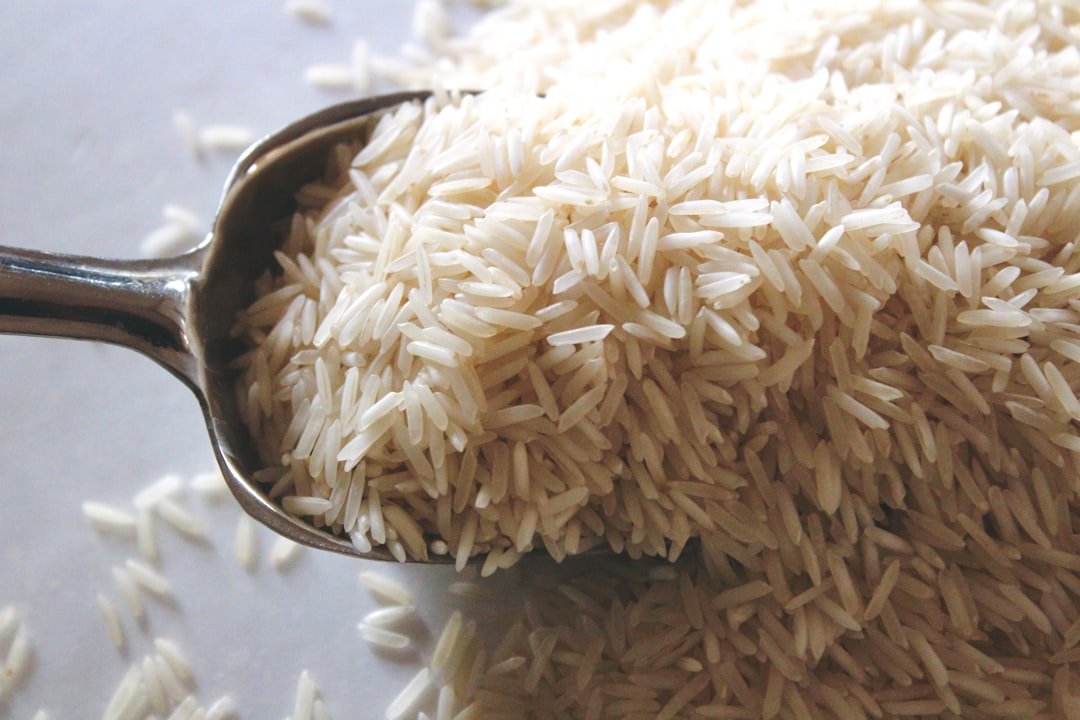
Long grain rice is usually the best choice for fluffy rice. It has less starch, so grains do not stick together. Short grain rice has more starch and is stickier.
Here are some common types of rice used for fluffiness:
- Basmati rice – very long grain and aromatic
- Jasmine rice – long grain with a soft texture
- American long grain – widely used and fluffy
Long Grain Vs. Short Grain
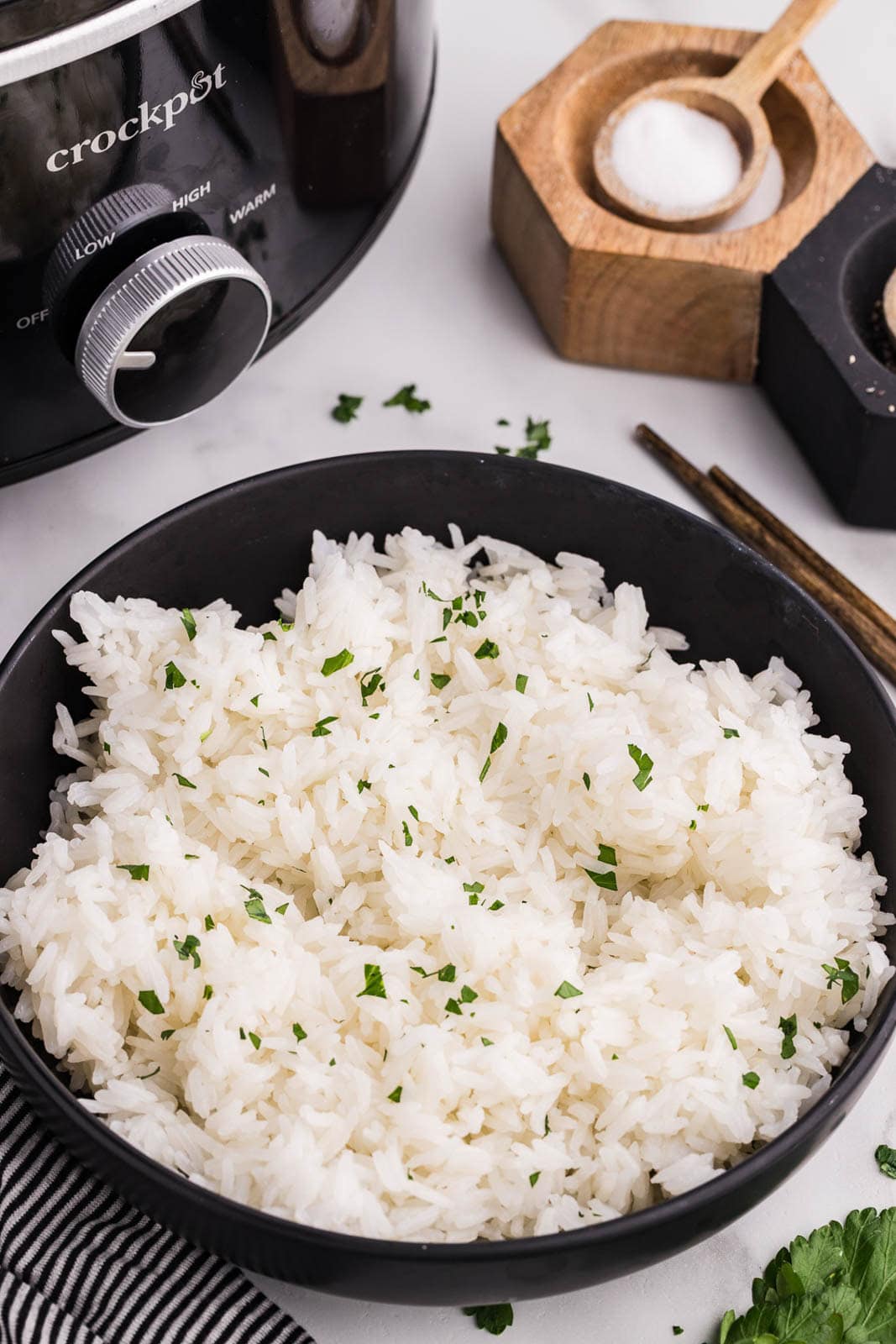
Long grain rice cooks into separate, fluffy grains. It is great for dishes like pilaf and fried rice. Short grain rice is rounder and stickier. It is good for sushi or sticky rice recipes.
Choosing between long grain and short grain depends on your dish and texture preference. For fluffy rice, long grain is usually the better option.
- Long Grain:Fluffy, dry, grains stay separate
- Short Grain:Sticky, moist, grains clump together
Credit: slowcookergourmet.net
Proper Rice Rinsing
Rinsing rice before cooking is an important step for fluffy rice. It helps remove dirt and extra starch from the grains.
Proper rinsing improves the texture and taste of your cooked rice. It is easy and quick to do.
Benefits Of Rinsing
Rinsing rice removes surface starch that makes rice sticky. This helps grains stay separate after cooking.
It also cleans dust, dirt, and impurities that may be on the rice. This makes the rice healthier to eat.
- Reduces stickiness for fluffy texture
- Removes dust and dirt
- Improves taste and aroma
- Prevents clumping during cooking
How To Rinse Rice Effectively
Place the rice in a bowl or fine mesh strainer. Add cold water to cover the rice well.
Swirl the rice gently with your hand. Pour out the cloudy water carefully without losing rice.
- Repeat rinsing 3-4 times until water is clear
- Use cold water for best results
- Drain rice well before cooking
Perfect Water-to-rice Ratio
Getting the water-to-rice ratio right is key to making fluffy rice. Too much water makes the rice mushy. Too little water leaves it dry and hard.
Different types of rice need different amounts of water. Knowing the right ratio helps you cook rice perfectly every time.
Standard Measurements
Most white rice cooks well with a simple ratio. Use 1 cup of rice to 2 cups of water. This ratio gives soft and fluffy rice.
- Rinse the rice to remove extra starch.
- Combine rice and water in a pot.
- Bring to a boil, then lower heat and cover.
- Simmer for 15-20 minutes without stirring.
- Let it rest off the heat for 5 minutes before fluffing.
Adjusting For Different Rice Types
| Rice Type | Water-to-Rice Ratio | Cooking Time |
| Basmati | 1 cup rice : 1.5 cups water | 15 minutes |
| Jasmine | 1 cup rice : 1.75 cups water | 18 minutes |
| Brown Rice | 1 cup rice : 2.5 cups water | 40-45 minutes |
| Wild Rice | 1 cup rice : 3 cups water | 45-60 minutes |
Use less water for fragrant rice like basmati. Brown and wild rice need more water and longer cooking times.
Cooking Techniques
Cooking fluffy rice needs the right technique. The method you choose affects texture and taste.
This guide covers three popular ways to cook rice. Learn how boiling, steaming, and rice cookers work.
Boiling Method
Boiling rice is a simple, common method. It uses plenty of water to cook rice evenly.
- Rinse rice well to remove extra starch.
- Use a large pot with lots of water.
- Bring water to a boil before adding rice.
- Cook rice uncovered at a rolling boil.
- Drain rice through a fine sieve once tender.
- Let rice sit covered for a few minutes.
Steaming Method
Steaming rice cooks it gently with steam heat. This keeps grains separate and soft.
| Step | Action |
| 1 | Rinse rice until water runs clear. |
| 2 | Soak rice for 20-30 minutes. |
| 3 | Place rice in a steaming basket. |
| 4 | Set basket over boiling water. |
| 5 | Cover and steam for 25-30 minutes. |
| 6 | Fluff rice with a fork before serving. |
Using A Rice Cooker
Rice cookers make cooking easy and consistent. They use sensors to control heat and time.
- Measure rice and rinse well.
- Add water according to cooker instructions.
- Close the lid and start the cooker.
- Wait for the cooker to switch to “warm” mode.
- Let rice rest inside for 10 minutes.
- Fluff rice gently before serving.
Resting The Rice
Resting rice after cooking helps improve its texture. It allows steam to finish cooking the grains evenly.
This step makes the rice fluffy and less sticky. It is simple but important for perfect rice.
Importance Of Resting
Resting lets moisture spread inside the rice grains. This stops the rice from clumping together.
It also cools the rice slightly, making it easier to fluff with a fork. Without resting, rice may be mushy.
Duration
Rest rice for about 10 to 15 minutes after cooking. This time is enough for moisture to balance out.
Longer resting can dry the rice, while shorter resting may leave it sticky. Timing is key for best results.
Tips
Cover the pot with a tight lid while resting. This keeps steam inside to soften the rice.
- Use a clean kitchen towel under the lid to absorb extra moisture.
- Do not stir rice immediately after cooking; wait until resting is done.
- Fluff the rice gently with a fork before serving.
Fluffing The Rice
Fluffing rice helps separate the grains after cooking. This makes the rice light and soft.
Proper fluffing prevents clumps and keeps the texture perfect. It is an important step.
Tools For Fluffing
Choosing the right tool makes fluffing easier and better. Some tools work better than others.
- Fork: The most common tool for fluffing rice gently.
- Rice paddle: Designed to lift and separate rice grains.
- Wooden spoon: A soft tool that avoids breaking grains.
- Chopsticks: Good for light fluffing and separating grains.
Best Practices For Fluffing
Fluff rice right after cooking and resting. This stops it from getting sticky.
Use a gentle motion to lift and separate the grains. Avoid pressing or smashing the rice.
- Let rice sit covered for 5-10 minutes after cooking.
- Use a fork or paddle to lift rice from the bottom.
- Fluff lightly to avoid crushing grains.
- Do not stir rapidly or mash the rice.
Avoiding Common Mistakes
Cooking fluffy rice requires attention to detail. Many cooks make simple mistakes that change the texture. Avoiding these errors helps you get perfect rice every time.
This guide covers two main problems: overcooking or undercooking rice and preventing it from sticking or clumping together.
Overcooking And Undercooking
Rice cooks best when it is neither too soft nor too hard. Overcooking makes rice mushy and sticky. Undercooking leaves grains hard and crunchy. Both ruin fluffy texture.
- Use the right water-to-rice ratio. Follow package instructions carefully.
- Bring water to a boil, then reduce heat to low before covering the pot.
- Cook rice without lifting the lid to keep steam inside.
- Check rice at the end of cooking time for doneness.
- Let rice rest covered for 5-10 minutes after cooking to finish absorbing steam.
Preventing Sticking And Clumping
Sticking and clumping happen when rice grains release too much starch or when cooked too wet. You can stop this by rinsing and handling rice properly.
| Tip | How It Helps |
| Rinse rice in cold water before cooking | Removes excess starch to prevent stickiness |
| Use a non-stick pot or rice cooker | Reduces chance of rice sticking to bottom |
| Fluff rice with a fork after cooking | Separates grains and stops clumps |
| Avoid stirring rice while cooking | Keeps grains from breaking and getting sticky |

Credit: www.chefworks.com
Enhancing Flavor And Texture
Fluffy rice tastes better and looks more appealing. You can improve both its flavor and texture easily.
Simple additions help make your rice more delicious and soft. Small changes make a big difference.
Adding Butter Or Oil
Butter or oil adds richness and helps rice grains stay separate. It gives a smooth texture and nice flavor.
Use a small amount before or after cooking. This stops rice from sticking together and adds a tasty touch.
- Use 1 to 2 teaspoons of butter or oil per cup of rice
- Stir it in while cooking or mix after cooking
- Try olive oil for a fruity flavor or butter for creaminess
Incorporating Herbs And Spices
Herbs and spices add fresh aroma and exciting flavors to rice. They make simple rice more interesting.
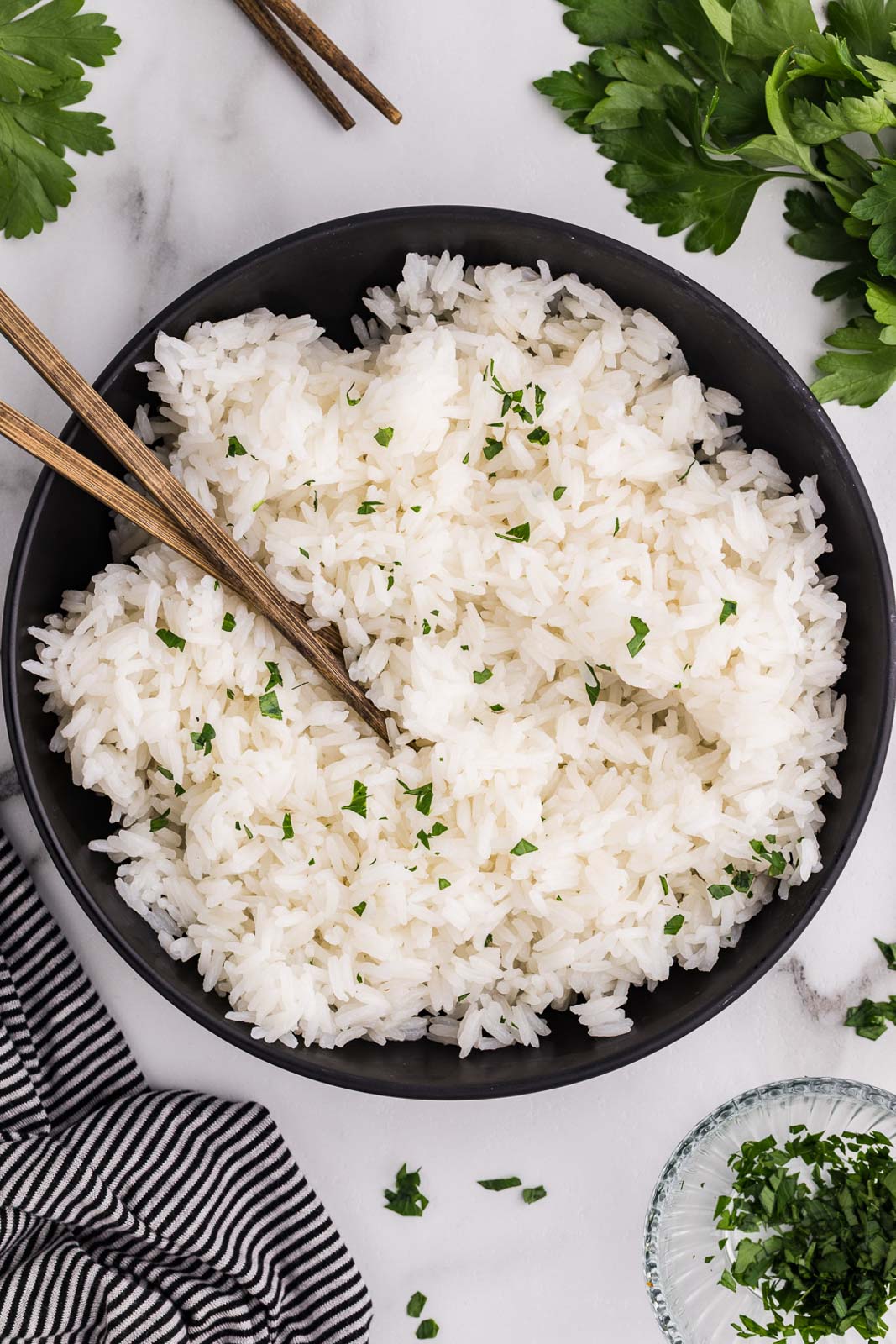
Add herbs like parsley or cilantro after cooking. Use spices like cinnamon or cardamom while cooking.
- Fresh herbs brighten the taste and look
- Spices add warmth and depth
- Use small amounts to avoid overpowering the rice
Credit: slowcookergourmet.net
Frequently Asked Questions
How Do You Wash Rice For Fluffiness?
Rinse rice under cold water until water runs clear. This removes excess starch, preventing stickiness and ensuring fluffier rice.
What Is The Ideal Water-to-rice Ratio?
Use 1. 5 to 2 cups of water per cup of rice. Adjust slightly based on rice type for perfect texture.
Should I Soak Rice Before Cooking?
Soaking rice for 20-30 minutes helps grains absorb water evenly. This reduces cooking time and improves fluffiness.
How Long Should I Let Rice Rest After Cooking?
Let cooked rice rest covered for 10 minutes. This allows moisture to distribute evenly and results in fluffy rice.
Conclusion
Perfectly fluffy rice takes practice and patience. Use the right water amount and cooking time. Rinse the rice to remove extra starch. Let the rice rest after cooking. Fluff it gently with a fork. These simple steps make a big difference.
Enjoy your meals with soft, separate grains. Cooking rice can be easy and fun. Try these tips in your next meal. You will notice the better texture and taste. Keep experimenting to find what works best.