
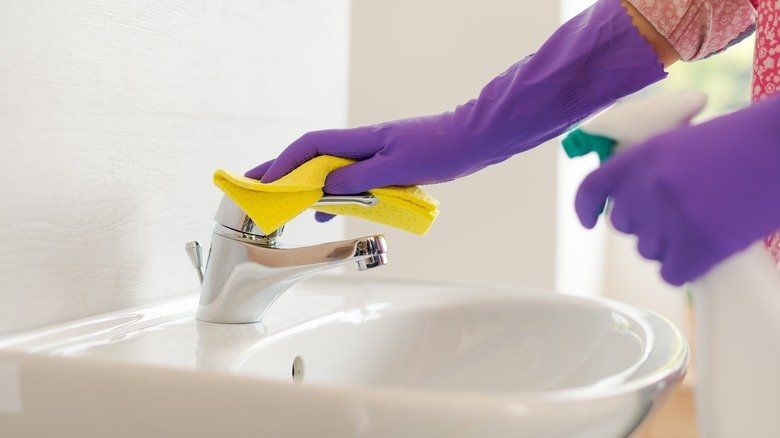
Your kitchen faucet is one of the most used spots in your home, but it’s easy to overlook when it comes to cleaning. Over time, grime, water spots, and even germs can build up, making your faucet look dull and unhygienic.
If you want your kitchen to feel fresh and inviting, keeping your faucet spotless is a simple step you can’t ignore. In this guide, you’ll discover easy and effective ways to clean your kitchen faucet, so it shines like new every day.
Ready to make your faucet sparkle? Let’s dive in!
Tools And Supplies Needed
Cleaning kitchen faucets is easy with the right tools and supplies. Using proper items helps remove dirt and grime safely.
Gather everything before starting to make the process quick and smooth. This guide covers the essential tools you need.
Cleaning Cloths And Sponges
Soft cloths and sponges help wipe away dirt without scratching the faucet surface. Microfiber cloths work best for a shiny finish.
Mild Cleaning Solutions
Use gentle cleaners like dish soap or vinegar to avoid damaging the faucet finish. Avoid harsh chemicals that may cause corrosion.
Toothbrush Or Small Brush
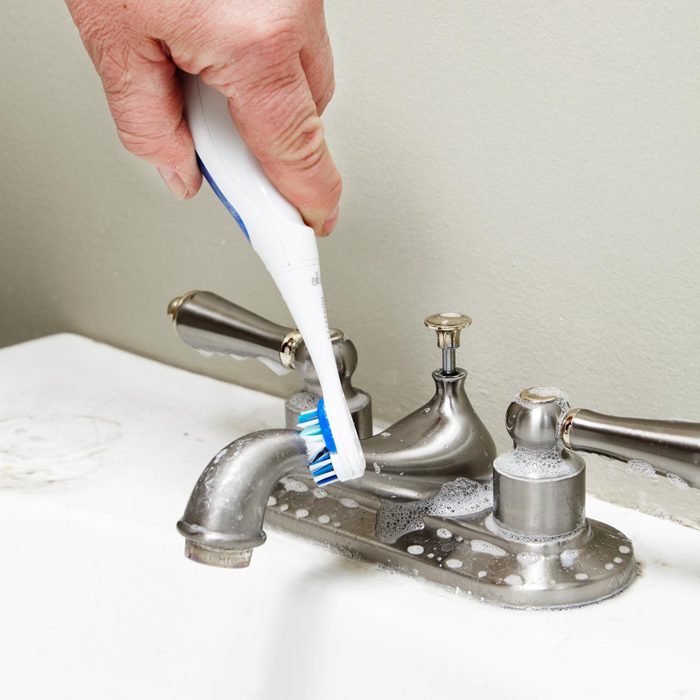
A soft toothbrush or small brush helps clean hard-to-reach areas around the faucet and handles. It removes buildup effectively.
Protective Gloves
Wearing gloves protects your hands from cleaning agents and keeps them dry during the cleaning process.
Tools For Faucet Parts
- Adjustable wrench for removing aerators or handles
- Needle-nose pliers for tight spaces
- Screwdriver for unscrewing parts
Water And Container
| Item | Purpose |
| Warm water | Rinsing and soaking faucet parts |
| Small container | Holding cleaning solution or soaking parts |
Credit: www.familyhandyman.com
Daily Maintenance Routine
Keeping your kitchen faucet clean every day helps it last longer. Dirt and water spots can build up fast. A simple routine takes only a few minutes.
Daily care stops hard stains and keeps your faucet shiny. Using easy steps keeps the faucet working well without damage.
Wipe Down The Faucet
Use a soft cloth to wipe the faucet every day. This removes water spots and dust. Avoid rough sponges that can scratch the surface.
Use Mild Soap And Water
Mix a small amount of mild soap with warm water. Dip a cloth in the mix and gently clean the faucet. Rinse with clean water to remove soap.
Dry The Faucet Completely
After cleaning, dry the faucet with a soft towel. This stops water spots and keeps metal parts shiny. Drying also helps prevent mineral build-up.
Check And Clean Aerator
The aerator can trap dirt and reduce water flow. Check it once a day if possible. Remove the aerator and rinse it under running water.
- Unscrew the aerator from the faucet tip
- Rinse off any debris or mineral deposits
- Use an old toothbrush for stubborn spots
- Reattach the aerator securely
Avoid Harsh Chemicals
Do not use bleach or strong cleaners on the faucet. They can damage the finish and cause corrosion. Stick to mild soap and water daily.
Keep A Cleaning Schedule
| Task | Frequency |
| Wipe Faucet Surface | Daily |
| Clean with Mild Soap | Daily |
| Dry Faucet | Daily |
| Check Aerator | Daily |
| Deep Clean with Vinegar | Monthly |
Weekly Deep Cleaning
Cleaning kitchen faucets weekly keeps them looking new and working well. Dirt and grime can build up fast in the kitchen.
Deep cleaning removes tough stains and stops germs from spreading. It takes only a few minutes each week.
Gather Your Cleaning Supplies
Before cleaning, collect all needed supplies. This saves time and makes the process smooth.
- Mild dish soap
- White vinegar
- Soft cloth or sponge
- Old toothbrush
- Paper towels
- Small bowl or cup
Remove Surface Dirt And Grime
Start by wiping the faucet with a soft cloth and soapy water. This removes surface dirt and grease.
Use a toothbrush to clean around the base and handles where dirt hides. Rinse with clean water after scrubbing.
Clean The Aerator
The aerator is the small screen at the faucet tip. It often collects mineral deposits that block water flow.
Unscrew the aerator and soak it in white vinegar for 15 minutes. Use a toothbrush to scrub off residue. Rinse and screw it back on.
Disinfect The Faucet
Use a cloth dampened with white vinegar or a mild disinfectant to wipe the entire faucet. This kills germs and bacteria.
Let it sit for a few minutes, then wipe dry with a clean cloth. This also helps prevent water spots.
Polish For A Shiny Finish
After cleaning, polish the faucet with a dry microfiber cloth. This makes the metal shine and look new.
Regular polishing helps protect the faucet from water marks and stains. It keeps your kitchen looking fresh.

Credit: www.yahoo.com
Removing Hard Water Stains
Hard water stains can make kitchen faucets look dirty and dull. These stains come from minerals in water that build up over time.
Cleaning these stains regularly keeps faucets shiny and working well. You can use common household items to remove the stains safely.
Prepare Cleaning Supplies
Gathering the right supplies makes cleaning easier. Use gentle products to protect your faucet’s finish.
- White vinegar
- Baking soda
- Soft cloth or sponge
- Old toothbrush
- Plastic bag
- Rubber bands
Apply Vinegar Soak
Vinegar helps break down mineral deposits. Soaking the faucet with vinegar softens hard water stains for easy removal.
Fill a plastic bag with vinegar and secure it around the faucet using rubber bands. Leave it for 30 minutes to one hour.
Scrub Gently
After soaking, scrub the faucet gently to remove loosened stains. Use a soft cloth or toothbrush to avoid scratches.
- Remove the vinegar bag carefully.
- Dip a toothbrush in baking soda paste.
- Scrub faucet areas with stains.
- Wipe clean with a damp cloth.
- Dry faucet with a soft towel.
Prevent Future Stains
| Tip | How It Helps |
|---|---|
| Wipe faucet after use | Removes water drops before minerals form stains |
| Use water softener | Reduces mineral content in water |
| Clean weekly | Keeps stains from building up |
| Apply faucet polish | Protects surface from minerals |
Tackling Mineral Deposits
Mineral deposits build up on kitchen faucets over time. These deposits come from hard water and leave white or greenish stains.
Cleaning these deposits keeps your faucet shiny and working well. Use simple tools and natural cleaners for best results.
Gather Cleaning Supplies
Before you start, collect all needed items. This saves time and makes cleaning easier.
- White vinegar or lemon juice
- Soft cloth or sponge
- Old toothbrush
- Plastic bag and rubber band
- Baking soda (optional)
Apply Vinegar Soak
Vinegar removes mineral deposits by breaking down the buildup. Soak the faucet areas with vinegar for best effect.
To soak, fill a plastic bag with vinegar. Place it around the faucet spout. Secure with a rubber band and leave for 1 hour.
Scrub Deposits Away
After soaking, scrub the faucet gently. Use a toothbrush to reach small spots and remove loosened deposits.
- Dip toothbrush in vinegar or baking soda paste
- Scrub faucet base and spout
- Rinse with warm water
- Dry with a soft cloth
Prevent Future Build-up
Stop mineral deposits by wiping the faucet after each use. Regular cleaning helps keep the faucet clear and shiny.
| Prevention Tip | Reason |
| Wipe faucet dry daily | Removes water before minerals form |
| Clean monthly with vinegar | Breaks down early deposits |
| Check water softener | Reduces mineral content in water |
Dealing With Rust And Corrosion
Rust and corrosion can damage your kitchen faucet and affect its look. Cleaning these issues keeps your faucet working well and looking nice.
Using simple tools and safe cleaners can remove rust and stop corrosion from spreading. This guide explains easy ways to clean your faucet.
Identify Rust And Corrosion Areas
Check your faucet for reddish or brown spots. These are signs of rust. Corrosion may look like white or green buildup. Look around joints and handles.
Finding these spots early helps you clean before damage gets worse. Use a bright light to see small rust patches.
Use White Vinegar To Remove Rust
White vinegar is an easy and safe cleaner for rust. Soak a cloth in vinegar and wrap it around the rusty area. Let it sit for 30 minutes.
After soaking, scrub gently with a soft brush. Rinse with water and dry well. Repeat if rust remains.
Apply Baking Soda Paste For Tough Spots
Mix baking soda with water to make a thick paste. Spread the paste on corroded areas. Let it sit for 15 minutes to work on the buildup.
Use a soft toothbrush to scrub the paste gently. Rinse off with clean water and dry the faucet with a cloth.
Prevent Future Rust And Corrosion
Keep your faucet dry after use. Wipe off water drops with a soft cloth. Moisture causes rust and corrosion to grow.
- Use a faucet wax or polish to protect the surface
- Check for leaks and fix them quickly
- Clean your faucet regularly to stop buildup
Polishing For Extra Shine
Polishing your kitchen faucet helps it look clean and bright. It removes water spots and dullness.
Regular polishing keeps your faucet shiny and protects its finish. It also makes cleaning easier.
Use A Soft Cloth
Choose a soft, clean cloth to polish your faucet. Microfiber cloths work best for shine.
Avoid rough materials that can scratch the faucet’s surface. Gently rub the cloth in circles.
Apply A Gentle Polish
Use a mild polish made for metal or chrome finishes. Avoid harsh chemicals that damage the faucet.
Apply a small amount of polish to the cloth, not directly to the faucet. Rub evenly for best results.
Buff For A Lasting Shine
After applying polish, buff the faucet with a dry part of the cloth. This removes excess polish.
Buffing helps the faucet shine and makes the polish last longer. Use light pressure and smooth strokes.
Polish Regularly
Polish your kitchen faucet once a week to keep it bright. Regular care stops buildup and stains.
Frequent polishing saves time on deep cleaning later. It also keeps your kitchen looking fresh.
Tips For Different Faucet Finishes
Cleaning kitchen faucets needs care to keep their shine and avoid damage. Different faucet finishes need different cleaning methods.
Knowing the right tips helps you protect your faucet and keep it looking new for years.
Chrome Faucets
Chrome faucets have a shiny silver look. They are easy to clean but need gentle care to avoid scratches and water spots.
- Use a soft cloth and mild soap with warm water.
- Dry the faucet after cleaning to stop water spots.
- Avoid abrasive cleaners or pads that can scratch the surface.
- Use vinegar for hard water stains, but rinse well.
Stainless Steel Faucets
Stainless steel faucets resist rust and stains. They need regular cleaning to keep their smooth, matte look.
| Cleaning Tip | What to Use |
|---|---|
| Remove fingerprints | Soft cloth with warm soapy water |
| Shine faucet | Olive oil or baby oil on a soft cloth |
| Remove water spots | Vinegar diluted with water |
| Avoid | Abrasive cleaners and steel wool |
Brass And Bronze Faucets
Brass and bronze faucets have warm, classic colors. They need special care to avoid tarnish and keep their color.
- Use mild soap and water with a soft cloth.
- Dry the faucet well after cleaning.
- Apply a wax polish to protect the finish.
- Avoid vinegar or acidic cleaners that harm the metal.
- Polish with a cloth made for brass or bronze.
Eco-friendly Cleaning Options
Cleaning kitchen faucets does not have to harm the environment. You can use safe and natural ingredients. These options keep your faucet shiny and your home healthy.
Eco-friendly cleaners avoid harsh chemicals. They work well on stains and water spots. Here are some green ways to clean your kitchen faucet.
Vinegar And Water Solution
White vinegar is great for removing mineral deposits. Mix equal parts of vinegar and water in a spray bottle. Spray on the faucet and let it sit for a few minutes.
Wipe the faucet with a soft cloth. Rinse with water and dry to avoid spots. This solution cleans well without chemicals.
Baking Soda Paste
Baking soda is a gentle scrubber. Make a paste with baking soda and water. Apply it to tough spots on the faucet using a cloth or sponge.
Rub gently to avoid scratching. Rinse with warm water and dry. This paste removes grime and keeps your faucet shiny.
Lemon Juice For Shine
Lemon juice works as a natural cleaner and deodorizer. Cut a lemon in half and rub it on the faucet. Let the juice sit for a few minutes before wiping.
Rinse the faucet with water and dry with a cloth. Lemon juice helps remove water spots and adds a fresh scent.
Castile Soap And Water
Castile soap is a plant-based cleaner that is mild and effective. Mix a few drops with warm water. Use a soft cloth to clean the faucet gently.
Rinse well and dry to prevent water spots. This soap is safe for the environment and your faucet.
Olive Oil Polish
Olive oil can make your faucet shine and remove fingerprints. Put a small amount on a soft cloth. Rub it over the faucet in circles.
Buff with a dry cloth for a smooth finish. Olive oil protects the metal and gives a nice glow.
Credit: www.lysol.com
Preventive Measures To Avoid Build-up
Keeping your kitchen faucet clean is easier with good habits. Dirt and mineral build-up can block water flow and look bad.
Preventive steps help stop grime before it forms. This saves time and keeps your faucet shining.
Wipe The Faucet Daily
Use a soft cloth to wipe your faucet every day. This removes water spots and dirt before they harden.
Drying the faucet after use stops water marks and mineral deposits from forming.
Use A Gentle Cleaner Weekly
Clean the faucet with mild soap and water once a week. Harsh cleaners can damage the finish.
Apply the cleaner with a soft cloth or sponge. Avoid scrubbing hard to protect the faucet surface.
Check And Clean Aerators Regularly
The aerator can trap minerals and cause low water flow. Remove and clean it every month.
- Unscrew the aerator from the faucet tip
- Soak it in vinegar for 30 minutes
- Rinse with water and scrub gently
- Reattach it securely
Avoid Leaving Wet Sponges On Faucet
Wet sponges or cloths can trap moisture on the faucet. This leads to water spots and build-up.
Store sponges away from the faucet to keep the area dry and clean.
Fix Leaks Quickly
Dripping water leaves mineral deposits on the faucet over time. Check for leaks often.
Repair leaks as soon as you see them. This stops build-up and saves water.
Frequently Asked Questions
How Often Should I Clean Kitchen Faucets?
You should clean kitchen faucets weekly to prevent buildup. Regular cleaning keeps faucets shiny and reduces grime. It also helps avoid mineral deposits and bacterial growth. Consistent care extends the faucet’s lifespan and maintains hygiene.
What Is The Best Cleaner For Kitchen Faucets?
Mild soap and warm water work best for cleaning faucets. Avoid harsh chemicals that damage finishes. Vinegar is effective for removing mineral deposits safely. Always use a soft cloth to prevent scratches and preserve the faucet’s surface.
How Do I Remove Hard Water Stains From Faucets?
Soak a cloth in vinegar and wrap it around the faucet. Leave it for 15-30 minutes to dissolve stains. Gently scrub with a soft brush or sponge afterward. Rinse thoroughly and dry with a microfiber cloth to prevent water spots.
Can I Use Baking Soda To Clean Faucets?
Yes, baking soda is safe and effective for cleaning faucets. Make a paste with water and apply it to stains. Gently scrub using a soft cloth or toothbrush. Rinse well and dry to restore shine without damaging the finish.
Conclusion
Cleaning kitchen faucets keeps them shiny and working well. Regular care stops buildup and stains. Use gentle cleaners and soft cloths to avoid damage. Small steps make a big difference in kitchen hygiene. A clean faucet looks nice and feels fresh every day.
Try these simple tips to keep your faucet sparkling. Your kitchen will stay neat and welcoming. Easy to do, good to see.