
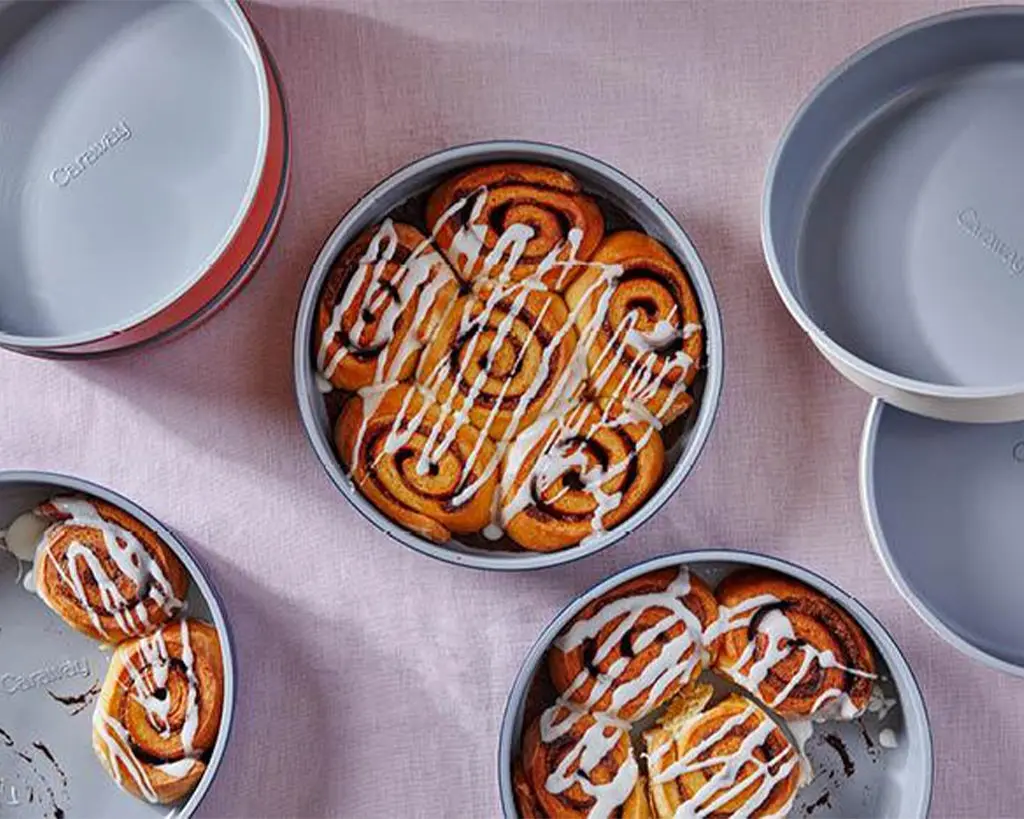
Are you tired of your cakes sticking to the pan and ruining your hard work? You’re not alone.
Using a non-stick cake pan can make baking easier, but only if you know the right tips to get the best results. You’ll discover simple tricks that help your cakes slide out perfectly every time. Keep reading to make your baking experience smoother and more enjoyable!
Credit: www.amazon.com.au
Choosing The Right Non-stick Pan
Picking the right non-stick cake pan makes baking easier. It helps cakes cook evenly and release without sticking.
There are many pans to choose from. Knowing the materials, sizes, and shapes helps you select the best one.
Material Options
Non-stick pans come in different materials. Each type affects heat, durability, and cake release.
Common materials include aluminum, steel, and silicone. Aluminum heats quickly and spreads heat well. Steel pans last longer but may heat unevenly. Silicone pans are flexible and easy to clean.
- Aluminum: heats fast, lightweight, good non-stick coating
- Steel: strong, durable, may need more greasing
- Silicone: flexible, easy release, slower heat transfer
Size And Shape Considerations
Choosing the right size and shape is important. It affects baking time and cake appearance.
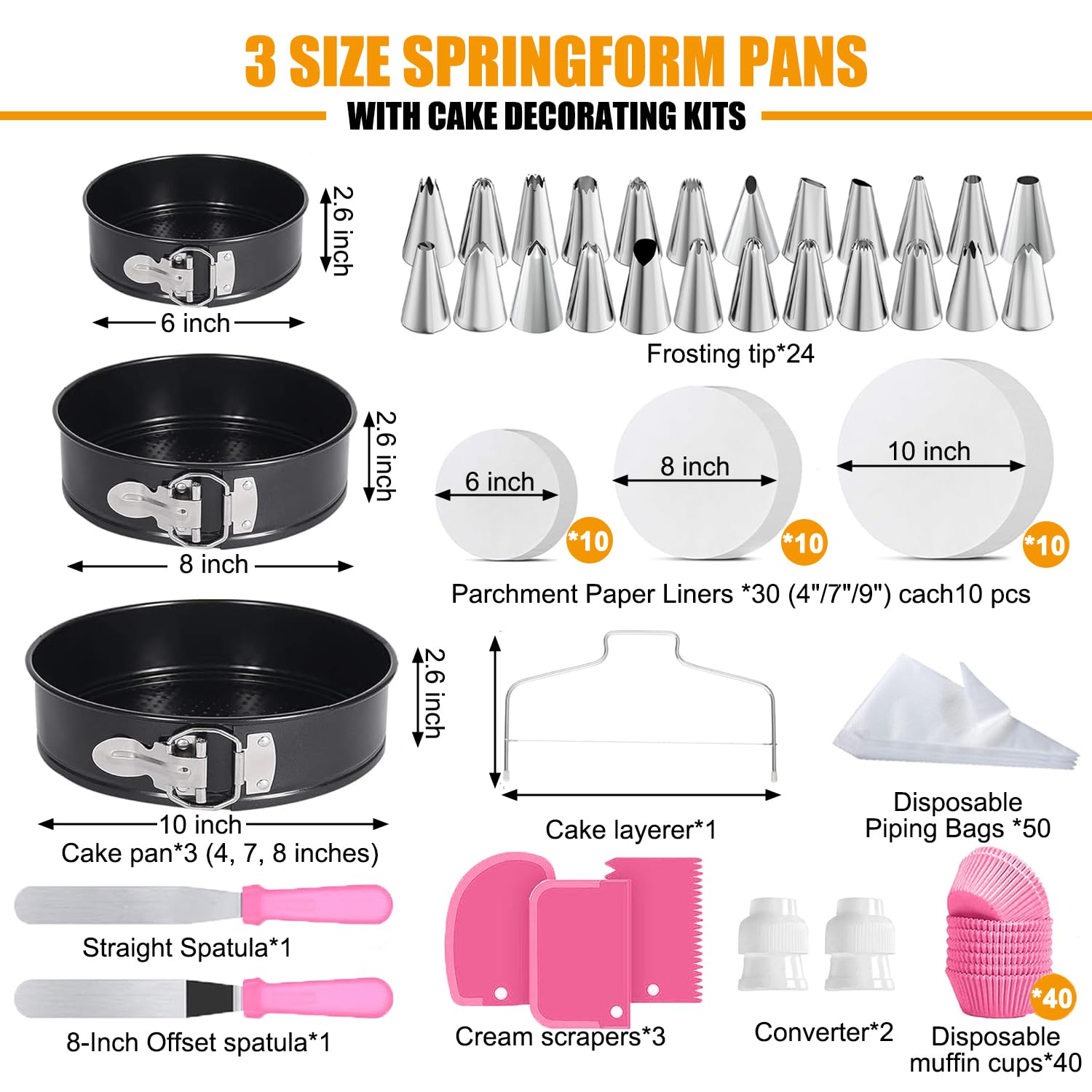
Common sizes include 8, 9, or 10 inches in diameter. Shapes like round, square, or rectangular offer different styles for cakes.
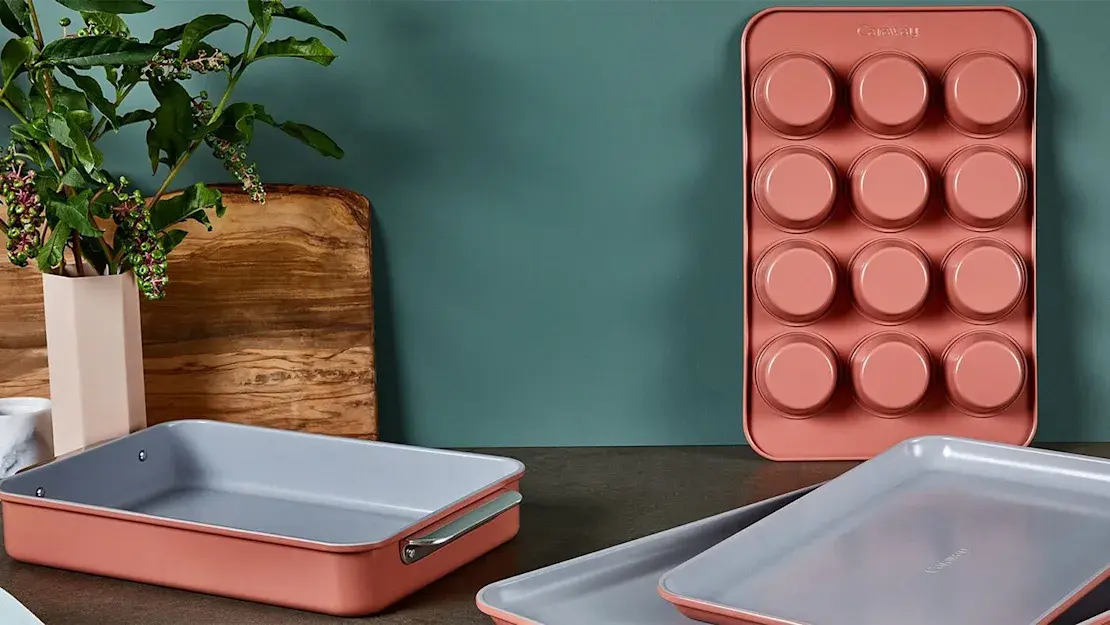
- Round pans: ideal for layer cakes
- Square pans: good for brownies and bars
- Rectangular pans: perfect for sheet cakes
- Check the pan depth for cake thickness
Credit: www.carawayhome.com
Preparing Your Pan
Getting your non-stick cake pan ready is key for easy cake release. Proper preparation helps your cake keep its shape and look nice.
Use simple steps to prepare your pan right. This guide covers greasing and lining techniques.
Proper Greasing Techniques
Greasing your pan creates a thin barrier that stops the cake from sticking. Use the right materials and methods for best results.
- Choose a fat like butter, shortening, or oil.
- Use a paper towel or pastry brush to spread evenly.
- Cover all inside surfaces, including corners and edges.
- Remove any extra grease to avoid uneven baking.
- Lightly dust with flour if the recipe suggests it.
Lining With Parchment Paper
Lining the pan with parchment paper adds an extra layer to prevent sticking. It also protects the pan and helps with clean-up.
| Type of Pan | Lining Method |
|---|---|
| Round | Trace the bottom on parchment paper, cut, and place inside. |
| Square or Rectangle | Cut parchment to fit bottom and sides, fold corners neatly. |
| Bundt | Cut strips to line tricky curves; grease pan before placing paper. |
Optimizing Baking Temperature
Using the right temperature helps your non-stick cake pans work best. Too hot or too cold can change how your cake bakes.
Adjusting the oven temperature keeps your cake from sticking or burning. Small changes make a big difference in results.
Adjusting Oven Settings
Set your oven to a slightly lower temperature than the recipe says. Non-stick pans heat up fast and can brown cakes quickly.
Try lowering the temperature by 25°F (about 15°C). This helps cook cakes evenly and keeps them from sticking.
- Use the bake setting, not broil
- Preheat the oven fully before baking
- Place the pan in the center rack
- Avoid opening the oven door often
Using An Oven Thermometer
Oven temperatures can be different from what the dial shows. An oven thermometer gives you a true reading.
Check the thermometer before baking. Adjust the oven setting to match the thermometer’s number for best results.
- Place the thermometer in the oven’s center
- Wait 10-15 minutes after preheating to check
- Adjust oven temperature if thermometer shows too high or low
- Repeat checks every few weeks to stay accurate
Removing Cakes Without Damage
Taking cakes out of non-stick pans can be tricky. You want to keep the cake whole and pretty.
Using the right steps helps remove cakes without breaking or sticking.
Cooling Time Recommendations
Let the cake cool before removing it from the pan. Cooling helps the cake hold its shape.
Wait 10 to 20 minutes after baking. This stops the cake from breaking apart.
- Cool on a wire rack for even air flow
- Avoid cooling too long to keep moisture
- Use a timer to track cooling time
Gentle Release Techniques
Run a thin knife or spatula around the cake edges. This loosens the cake from the pan sides.
Place a plate over the pan and flip it carefully. Gently tap the bottom to release the cake.
- Use a silicone spatula for gentle scraping
- Lift the cake slowly to avoid cracks
- Tap the pan on a soft surface if stuck
Maintaining Non-stick Surfaces
Non-stick cake pans make baking easier and cleanup faster. Keeping their surface in good shape helps them last longer.
Using the right care methods protects the non-stick coating from damage and wear.
Cleaning Tips
Clean your non-stick pans gently to avoid scratches. Use mild soap and soft sponges only.
- Wash by hand with warm water and dish soap
- Avoid steel wool or abrasive scrubbers
- Do not use harsh chemical cleaners
- Dry pans immediately to prevent rust on edges
- For stuck food, soak in warm soapy water before cleaning
Storage Solutions
Store pans carefully to keep the non-stick surface safe. Avoid stacking pans without protection.
| Storage Method | Benefit |
| Use pan protectors or cloth liners | Prevents scratches and surface damage |
| Store pans separately or hang on hooks | Keeps surface safe from contact |
| Keep in dry, cool place | Prevents moisture damage and warping |
Troubleshooting Common Issues
Using non-stick cake pans can make baking easier. But sometimes problems like uneven baking or sticking happen. These issues can ruin your cake’s look and taste.
This guide helps you fix common problems with non-stick cake pans. Follow these tips to get better baking results every time.
Uneven Baking
Uneven baking often happens when heat does not spread evenly. This can cause some parts of your cake to be undercooked or burnt. The pan’s material and oven settings affect this.
- Check if your oven temperature is correct with an oven thermometer.
- Place the cake pan in the center of the oven to get even heat.
- Use a pan that matches the recipe size to avoid thin or thick batter layers.
- Rotate the pan halfway through baking for better heat distribution.
- Avoid opening the oven door often to keep a steady temperature.
Sticking Problems
Sticking is a common problem even with non-stick pans. It can happen if the pan surface is damaged or if you do not prepare the pan right. Proper care and preparation help prevent this.
| Cause | How to Fix |
| Damaged non-stick coating | Replace the pan to avoid food sticking and uneven cooking. |
| Not greasing the pan | Lightly grease the pan with butter or oil before pouring batter. |
| Using metal utensils | Use silicone or wooden tools to protect the coating. |
| Incorrect cleaning | Hand wash with soft sponges; avoid harsh scrubbers. |
| Overheating the pan | Do not preheat the pan empty or use very high heat. |

Credit: www.amazon.com.au
Frequently Asked Questions
How Do I Prepare A Non-stick Cake Pan Before Baking?
Always lightly grease your non-stick cake pan with butter or oil. This prevents sticking and helps cakes release easily. Avoid heavy sprays that can build up residue.
Can I Use Metal Utensils With Non-stick Cake Pans?
Avoid metal utensils as they can scratch the non-stick surface. Use silicone, wooden, or plastic tools to maintain the pan’s coating longer.
How Should I Clean A Non-stick Cake Pan?
Hand wash with warm, soapy water using a soft sponge. Avoid abrasive cleaners or scrubbers that damage the non-stick coating.
Is It Necessary To Flour A Non-stick Cake Pan?
Flouring is optional but can add extra release protection. Lightly dust the pan after greasing to prevent sticking and ensure smooth cake edges.
Conclusion
Using non-stick cake pans can make baking easier and cleaner. Clean pans gently with warm water and soft cloth. Avoid sharp tools that can scratch the surface. Always grease pans lightly for best results. Store pans carefully to keep their coating safe.
Following these tips helps your cakes bake evenly and release smoothly. Enjoy baking with less mess and more fun. Practice these habits for longer-lasting pans and better cakes. Simple care makes a big difference in your baking experience.