
Choosing the right stockpot size for your soups can make a big difference in your cooking experience. If your pot is too small, you’ll struggle to fit all your ingredients.
Too big, and you might waste energy and space. You want a pot that matches your needs perfectly, so every batch of soup comes out just right. You’ll discover simple tips to help you pick the perfect stockpot size for your kitchen.
Keep reading, and you’ll never have to worry about cooking soup in the wrong pot again.
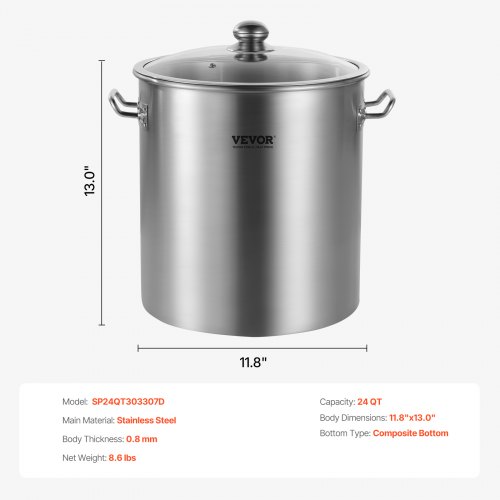
Credit: www.vevor.ca
Importance Of Stockpot Size
Choosing the right stockpot size is important for cooking soups. The size affects how much soup you can make at once.
Using the correct size helps cook evenly and saves energy. It also makes cleanup easier after cooking.
Matching Stockpot Size To Soup Quantity
Pick a stockpot that fits the amount of soup you want to cook. A pot too small can cause spills.
A larger pot holds more soup and leaves space to stir without spilling. It also helps soup cook evenly.
- Small pots (3-5 quarts) work for 2-4 servings
- Medium pots (6-8 quarts) fit 5-8 servings
- Large pots (10+ quarts) are best for big batches
Ensuring Proper Heat Distribution
A stockpot size affects how heat spreads during cooking. A pot too full may cook unevenly.
Leaving space in the pot allows heat to move around the soup. This helps ingredients cook well and blend flavors.
Ease Of Handling And Storage
Think about lifting and storing your stockpot. Large pots can be heavy and hard to clean.
Choose a size you can lift safely. Also, check if your kitchen has space to store the pot when not in use.
- Pick a pot you can lift with both hands
- Check for comfortable handles
- Measure kitchen storage space before buying
Material And Thickness Affect Size Choice
Thick pots hold heat well but add weight. Thin pots heat quickly but may need careful stirring.
Consider material and size together. A heavy large pot needs more effort to handle than a smaller one.
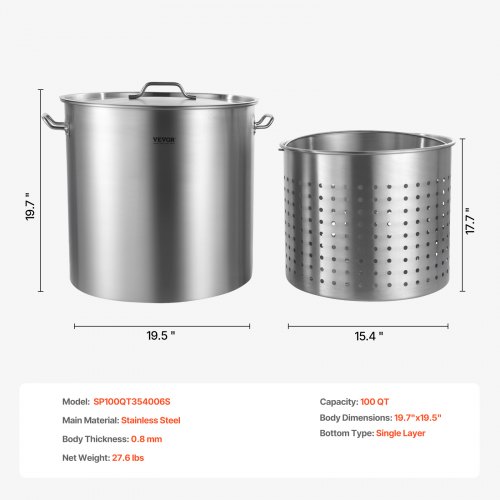
Credit: www.vevor.ca
Assessing Your Cooking Needs
Choosing the right stockpot size is important for making soups. It helps cook the right amount without waste.
Think about how much you cook and what kinds of soups you like. This will guide your choice.
Family Size And Meals
Consider the number of people you usually cook for. A bigger family needs a larger pot to make enough soup.
- Small family (1-2 people): 4 to 6 quarts pot
- Medium family (3-5 people): 8 to 12 quarts pot
- Large family (6+ people): 16 quarts or larger pot
Frequency Of Cooking
Think about how often you make soup or broth. Frequent cooking may need a larger pot for batch cooking.
| Cooking Frequency | Recommended Pot Size |
| Once a week or less | 6 to 8 quarts |
| Several times a week | 8 to 12 quarts |
| Daily cooking | 12 quarts or larger |
Types Of Soups And Broths
Different soups need different pot sizes. Thick stews need more room to stir. Clear broths need less space.
Here is a quick guide:
- Thick soups and stews: Choose a large pot (12+ quarts).
- Clear broths and consommés: Medium pot (6-8 quarts) is enough.
- Pureed soups: Use a pot that fits your blender size.
Common Stockpot Sizes
Choosing the right stockpot size helps you cook soups easily. Stockpots come in different sizes for various needs.
Knowing which size fits your cooking style saves time and energy.
Small Pots For Quick Meals
Small stockpots hold about 4 to 6 quarts. They are great for cooking quick soups or sauces.
Small pots heat faster and are easy to store. They work well for 1 to 2 people.
- Best for small servings
- Easy to handle and clean
- Use for quick meals or reheating
Medium Pots For Family Dinners
Medium stockpots usually hold 8 to 12 quarts. They fit most family cooking needs.
This size is ideal for making enough soup for 4 to 6 people. It offers good space without being too heavy.
- Perfect for everyday family meals
- Can cook stews, chili, and soups
- Balances volume and easy handling
Large Pots For Batch Cooking
Large stockpots hold 16 quarts or more. They are made for batch cooking or big gatherings.
These pots let you prepare large amounts of soup or stock at once. They need more space and strength to lift.
- Ideal for meal prepping or parties
- Use for making broth or large soup batches
- Heavier and require careful handling
Material Considerations
Choosing the right material for your stockpot affects cooking results. Each material has unique qualities that impact heat conduction and durability.
Understanding these materials helps you pick a pot size that suits your soup-making needs and cooking style.
Stainless Steel
Stainless steel is strong and resists rust and stains. It does not react with acidic foods, making it safe for all soups.
This material heats unevenly, so many pots include an aluminum or copper core to improve heat distribution.
Aluminum
Aluminum heats quickly and spreads heat evenly, which helps avoid hot spots. It is lightweight and easy to handle.
- Good heat conduction for consistent cooking
- Usually coated or anodized to prevent reaction with acidic soups
- More affordable than other materials
- Can dent or scratch easily
Copper
Copper offers excellent heat control and fast response to temperature changes. It is often favored by chefs for precise cooking.
| Feature | Benefit |
| Heat Conductivity | Very high, cooks soup evenly |
| Weight | Heavier than aluminum, lighter than cast iron |
| Maintenance | Requires regular polishing to prevent tarnish |
| Price | More expensive than stainless steel and aluminum |
Features To Look For
Choosing the right stockpot size helps cook soups easily. The pot must fit your cooking needs well.
Look at key features like handles, lids, and cleaning ease. These affect how you use the pot daily.
Handles And Lids
Handles should be strong and stay cool. They help carry the pot safely when full of hot soup.
Lids need to fit tightly to keep heat and moisture inside. A good lid stops soup from spilling.
- Look for sturdy, heat-resistant handles
- Check if handles are easy to grip
- Choose lids that fit snugly and seal well
- Consider lids with steam vents for pressure control
Induction Compatibility
Induction cooktops need pots that work with magnetic heat. Not all stockpots fit induction stoves.
Check if the pot says it is induction compatible. This ensures quick and even heating on your stove.
- Look for pots made from stainless steel or cast iron
- Use a magnet test: if it sticks, the pot works on induction
- Choose flat-bottom pots for better contact with the cooktop
Ease Of Cleaning
Cleaning a stockpot should be simple and quick. Pots with rough surfaces hold food, making cleaning hard.
Non-stick or polished stainless steel pots clean faster. Dishwasher safe pots save time and effort.
- Choose pots with smooth interiors
- Check if the pot is dishwasher safe
- Avoid pots with hard-to-reach corners
- Look for non-stick or easy-clean coatings
Budget And Brand Options
Choosing the right stockpot size for soups depends on your budget and preferred brands. Picking a pot that fits your needs saves money and improves cooking.
Many brands offer different sizes and prices. Knowing your budget helps you find the best stockpot without overspending.
Affordable Choices
Affordable stockpots come in many sizes. They use less expensive materials but still work well for everyday cooking.
Look for pots made of stainless steel or aluminum. These materials heat evenly and last if cared for properly.
- Check local stores for sales or discounts
- Consider sets that include different pot sizes
- Read reviews to find durable options under budget
Premium Brands
Premium brands offer high-quality stockpots with better materials and design. They may cost more but last longer.
These pots often use heavy-gauge stainless steel or copper. They give even heat and resist warping or stains.
- Look for well-known kitchenware brands
- Check if the pot has features like thick bases or tight lids
- Consider if the pot size fits your usual soup servings
Warranty And Customer Support
Warranties protect your purchase from defects or damage. Good customer support helps if you have questions or problems.
Check the warranty length and what it covers. Some brands offer lifetime warranties on their stockpots.
- Read warranty details before buying
- Choose brands with responsive customer service
- Keep your receipt and warranty papers safe
Tips For Perfect Soup Cooking
Choosing the right stockpot size is key to making great soup. The size affects how your soup cooks and tastes.
This guide explains how pot size impacts heat, flavor, and space for ingredients.
Heat Distribution
A properly sized stockpot spreads heat evenly. This helps soup cook at a steady temperature.
If the pot is too small, soup may burn or stick. If too large, it can take longer to heat up.
- Use a pot large enough to hold all ingredients with space left.
- Check if your stove matches the pot size for even heating.
- Thick-bottomed pots help spread heat better.
Maintaining Flavor
Using the right pot size keeps flavors balanced. Too much space can cause flavors to weaken.
A pot that fits the soup well helps ingredients blend and develop taste properly.
- Fill the pot to about two-thirds full for best flavor.
- A larger pot may need longer cooking to keep flavors strong.
- Cover the pot to keep flavors and moisture inside.
Avoiding Overcrowding
Do not pack too many ingredients into a small pot. Overcrowding stops even cooking.
Space lets heat move freely and cooks soup faster and more evenly.
- Leave room for stirring and boiling.
- Choose a pot size that fits all ingredients with some extra space.
- Overcrowding can make soup watery or uneven in texture.

Credit: www.amazon.ca
Frequently Asked Questions
What Size Stockpot Is Best For Making Soups?
A 6 to 8-quart stockpot is ideal for most soup recipes. It offers enough space for ingredients and simmering without overflow. Larger pots suit bigger batches, while smaller ones are for single servings or small families.
How To Choose Stockpot Size Based On Family Size?
For 1-2 people, a 4-6 quart pot works well. Families of 3-5 need 8-12 quarts. Larger families or batch cooking require 16 quarts or more. Match pot size to your typical meal volume.
Can I Use A Small Stockpot For Large Soup Batches?
Small stockpots risk overflow and uneven cooking with large batches. Using the right size ensures proper heat distribution and easier stirring. For big soups, choose larger pots to avoid spills and maintain flavor.
Does Stockpot Size Affect Cooking Time For Soups?
Yes, larger pots may slightly increase cooking time due to volume. However, bigger pots allow better heat circulation and even cooking. Adjust heat and stirring to maintain consistent simmering.
Conclusion
Choosing the right stockpot size makes cooking soups easier and more fun. Think about how much soup you want to make each time. A small pot suits daily meals, while a large one fits big gatherings. Avoid pots that are too big or too small for your needs.
Good stockpot size helps save energy and cook evenly. Keep these tips in mind for tasty soups every time. Simple choices lead to better cooking results. Enjoy your soups with the perfect pot!