
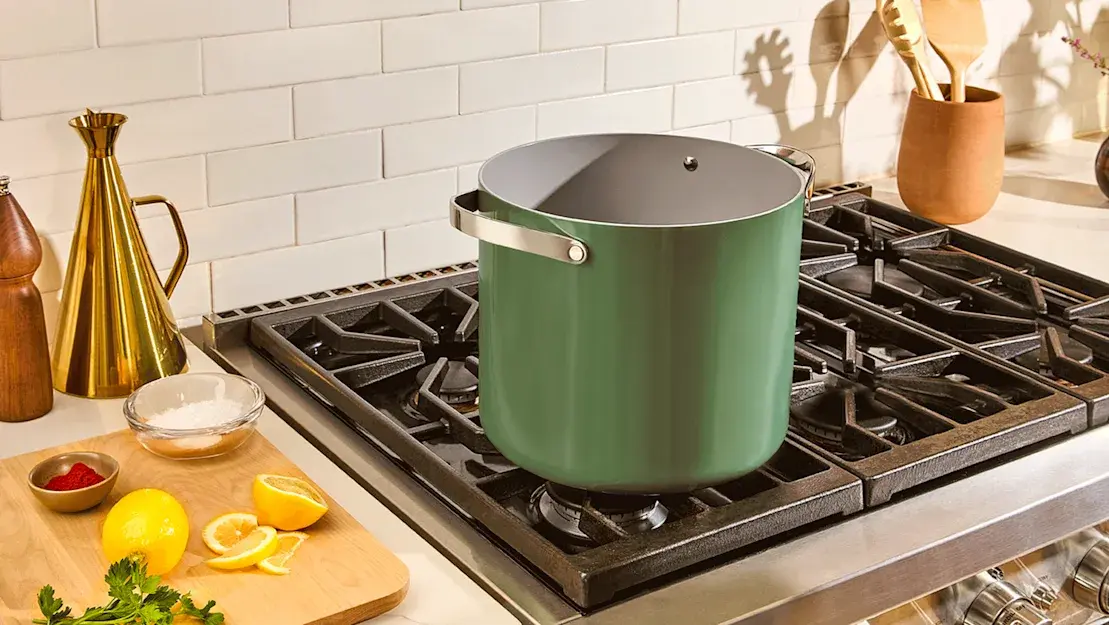
When it comes to making the perfect stew, the pot you use can make all the difference. Choosing the right stockpot isn’t just about size or price—it’s about finding a tool that fits your cooking style and helps you create rich, flavorful meals every time.
If you want to avoid burnt bottoms, uneven cooking, or endless waiting, this guide will help you pick the stockpot that works best for you. Keep reading, and you’ll discover simple tips that can transform your stew-making experience.
Material Matters
Choosing the right stockpot for stews depends a lot on the material it is made of. Different materials cook heat differently and last for various times.
Knowing the benefits and limits of each type helps you pick the best pot for your kitchen and cooking style.
Stainless Steel Benefits
Stainless steel is strong and does not rust or stain. It keeps heat well and is easy to clean. It does not react with acidic foods.
This material is great for those who want a pot that looks good and lasts a long time. It is also safe for dishwasher use.
Enameled Cast Iron Advantages
Enameled cast iron holds heat evenly and keeps food warm for a long time. The enamel coating stops rust and makes cleaning easier.
This type of pot is heavy but perfect for slow cooking stews. It does not need seasoning like plain cast iron.
- Even heat distribution
- Retains heat for hours
- Non-reactive enamel surface
- Easy to clean and maintain
Aluminum Considerations
Aluminum heats up quickly and spreads heat well. It is lighter than other metals, so it is easy to handle.
This metal can react with acidic foods and may scratch easily. Pots often come with a non-stick or anodized coating to prevent this.
Copper Options
Copper heats very fast and reacts quickly to temperature changes. This control helps cook food perfectly.
Copper pots usually have a lining of stainless steel or tin to stop food from touching the copper. They need more care to keep shiny.
- Fast and even heat
- Good temperature control
- Needs regular polishing
- Often lined for safety

Credit: circulon.uk.com
Size Selection
Choosing the right size stockpot is important for making stews. The size affects cooking time and how much food you can prepare.
Pick a pot size that matches your cooking needs and kitchen space. This helps you cook efficiently and store your pot easily.
Family Size Needs
For small families, a stockpot between 6 to 8 quarts usually works well. It holds enough stew for several meals.
Choose a size that fits your regular meal portions. Avoid a pot that is too large to save energy and space.
Cooking For Crowds
If you often cook for many people, pick a larger stockpot, such as 12 to 16 quarts. This size can hold big batches of stew.
A large pot allows you to cook once and serve many. It helps save time during gatherings or parties.
- 12-quart pot: good for 8-10 servings
- 16-quart pot: good for 12-15 servings
- Choose a size based on your usual guest count
Storage And Space Constraints
Consider your kitchen space before buying a stockpot. Large pots need more room for storage and use.
If your kitchen is small, a medium-sized pot might be better. You can also look for pots that nest inside others.
- Measure shelf or cabinet space first
- Choose stackable pots to save space
- Pick a pot size that fits both cooking and storage needs
Design Features
Choosing the right stockpot for stews means looking at key design features. These features affect cooking comfort and results.
Good design helps you cook safely and evenly. It also makes using the pot easier for long cooking times.
Handle Comfort And Safety
Handles should feel comfortable and stay cool while cooking. They need to give you a firm grip to avoid accidents.
- Look for handles made of heat-resistant materials like silicone or stainless steel with insulation.
- Check if the handles are securely attached to the pot for stability.
- Choose handles with enough space to hold them with oven mitts.
- Avoid handles that get hot quickly or feel flimsy.
Lid Fit And Functionality
A good lid fits tightly to trap heat and moisture. This helps cook stews evenly and keep flavors inside.
| Lid Type | Benefits |
| Glass lid | Allows you to see food without lifting the lid |
| Stainless steel lid | Durable and fits snugly to seal heat |
| Vented lid | Lets steam escape to prevent boiling over |
Base Thickness And Heat Distribution
The base should be thick enough to spread heat evenly. Thin bases cause hot spots and burn food.
| Base Material | Heat Distribution | Durability |
|---|---|---|
| Aluminum core | Excellent and fast | Good |
| Stainless steel | Moderate | Very high |
| Copper | Superior | Needs care |
Versatility And Use
Choosing the right stockpot matters for cooking stews well. It helps you cook different meals easily.
Look for features that match your cooking style and stove type.
Oven-safe Choices
A good stockpot should handle oven heat. This lets you start stews on the stove and finish in the oven.
- Check if the pot and lid are oven-safe.
- Look for pots with metal handles, not plastic.
- Know the maximum oven temperature the pot can handle.
Induction Compatibility
Many kitchens have induction stoves now. Not all stockpots work on induction cooktops.
| Material | Induction Compatible |
| Cast Iron | Yes |
| Stainless Steel | Yes if magnetic |
| Aluminum | No unless with magnetic base |
| Copper | No |
Multi-functionality
Choose a stockpot that serves many cooking needs. It saves space and money.
- Boiling pasta or vegetables
- Making soups and stews
- Steaming foods with a basket insert
- Slow cooking on low heat
- Preparing large batches for freezing
Budget And Value
Choosing the right stockpot for stews means thinking about your budget. You want the best value for your money.
Good stockpots can last for years if you pick the right one. This guide helps you balance cost and quality.
Balancing Cost And Quality
Cheap stockpots may save money but wear out fast. High-quality pots cost more but last longer.
Look for pots with good materials like stainless steel or heavy-duty aluminum. These hold heat well and resist damage.
- Check for even heat distribution
- Choose durable handles and lids
- Consider pot size based on your cooking needs
Long-term Investment Considerations
Think about how often you cook stews. A well-made pot can save money over time.
Investing in a sturdy stockpot means fewer replacements and better cooking results. This helps you cook with less stress.
- Choose pots with warranties for peace of mind
- Consider maintenance needs, like easy cleaning
- Pick brands known for long-lasting products
Affordable Options
You can find budget-friendly stockpots that work well. Look for sales or trusted brands with lower prices.
Some affordable pots use lighter materials but still cook evenly. They are good for occasional stew making.
- Non-stick pots for easy cleaning
- Enamel-coated steel for durability
- Aluminum pots with thick bases
Care And Maintenance
Choosing the right stockpot for stews is just the start. Taking care of it keeps it working well. Proper care helps your stockpot last longer and stay clean.
This section covers how to clean, store, and maintain your stockpot for the best results.
Cleaning Tips
Clean your stockpot soon after use to avoid stains and smells. Use warm water and mild soap. Avoid harsh cleaners that can damage the pot’s surface.
- Let the pot cool before washing to avoid warping.
- Use a soft sponge to clean inside and outside.
- Remove stuck food with baking soda and water paste.
- Dry the pot completely before storing to prevent rust.
Storage Recommendations
Store your stockpot in a dry, cool place. Avoid stacking heavy items on top to keep its shape. Use a lid or cover to keep dust out.
| Storage Tip | Reason |
|---|---|
| Keep dry | Prevents rust and corrosion |
| Use a lid | Keeps dust and insects out |
| Store upright | Maintains shape and prevents dents |
| Separate pots with cloth | Prevents scratches when stacking |
Durability And Longevity
Durability depends on the stockpot’s material and care. Stainless steel pots last longer and resist rust. Aluminum heats well but needs careful cleaning to avoid damage.
- Check for dents or cracks regularly.
- Do not use metal tools that can scratch the surface.
- Re-season cast iron pots to keep the coating strong.
- Replace worn-out parts like handles or lids when needed.
Top Brands To Consider
Choosing the right stockpot for stews can make cooking easier and tastier. Many brands offer different features and styles. Knowing the top brands helps you pick the best pot.
This guide highlights reliable manufacturers, popular choices among buyers, and expert advice on stockpots.
Reputable Manufacturers
Some brands have a long history of making quality cookware. They use strong materials and good designs. These brands often offer pots with even heating and durable construction.
- All-Clad: Known for stainless steel and excellent heat conduction
- Le Creuset: Famous for colorful enameled cast iron pots
- Cuisinart: Offers affordable and reliable stainless steel options
- Calphalon: Popular for nonstick and hard-anodized aluminum pots
Consumer Favorites
Buyers look for stockpots that combine value, durability, and ease of use. Customer reviews often highlight these pots for their performance and price.
| Brand | Material | Capacity | Price Range |
|---|---|---|---|
| Farberware | Stainless steel | 8 quarts | Low to mid |
| Tramontina | Stainless steel | 12 quarts | Mid |
| Emeril Lagasse | Hard-anodized aluminum | 8 quarts | Mid to high |
| Lagostina | Stainless steel | 12 quarts | Mid to high |
Expert Recommendations
Chefs and cooking experts suggest focusing on pot size, material, and lid fit. They say a heavy base and tight lid improve stew cooking.
- Choose a pot with at least 8-quart capacity
- Prefer stainless steel or enameled cast iron
- Look for thick bottoms to avoid hot spots
- Check for a lid that seals well to keep moisture
- Consider oven-safe pots for more cooking options

Credit: www.amazon.ca
Credit: www.carawayhome.com
Frequently Asked Questions
What Size Stockpot Is Best For Cooking Stews?
A 6 to 8-quart stockpot is ideal for stews. It provides enough space to cook large batches without overcrowding, ensuring even heat distribution and better flavor blending.
Which Material Is Best For A Stew Stockpot?
Stainless steel with an aluminum or copper core is best. It offers durability, even heat distribution, and easy cleaning, making it perfect for slow-cooked stews.
Can I Use A Non-stick Stockpot For Stews?
Non-stick stockpots are not recommended for stews. They may not handle high heat well and can scratch easily, affecting long-term use and flavor development.
How Important Is A Heavy-bottom Stockpot For Stews?
A heavy-bottom stockpot is crucial. It prevents hot spots, reduces burning risk, and ensures consistent cooking, which enhances the stew’s overall taste and texture.
Conclusion
Choosing the right stockpot makes cooking stews easier and more fun. A good stockpot holds heat well and cooks food evenly. Think about size, material, and lid type before buying. The right pot saves time and keeps flavors rich. Cooking becomes less stressful with the right tools.
Enjoy warm, tasty stews every time you cook. Simple choices lead to better meals and happy cooks.