
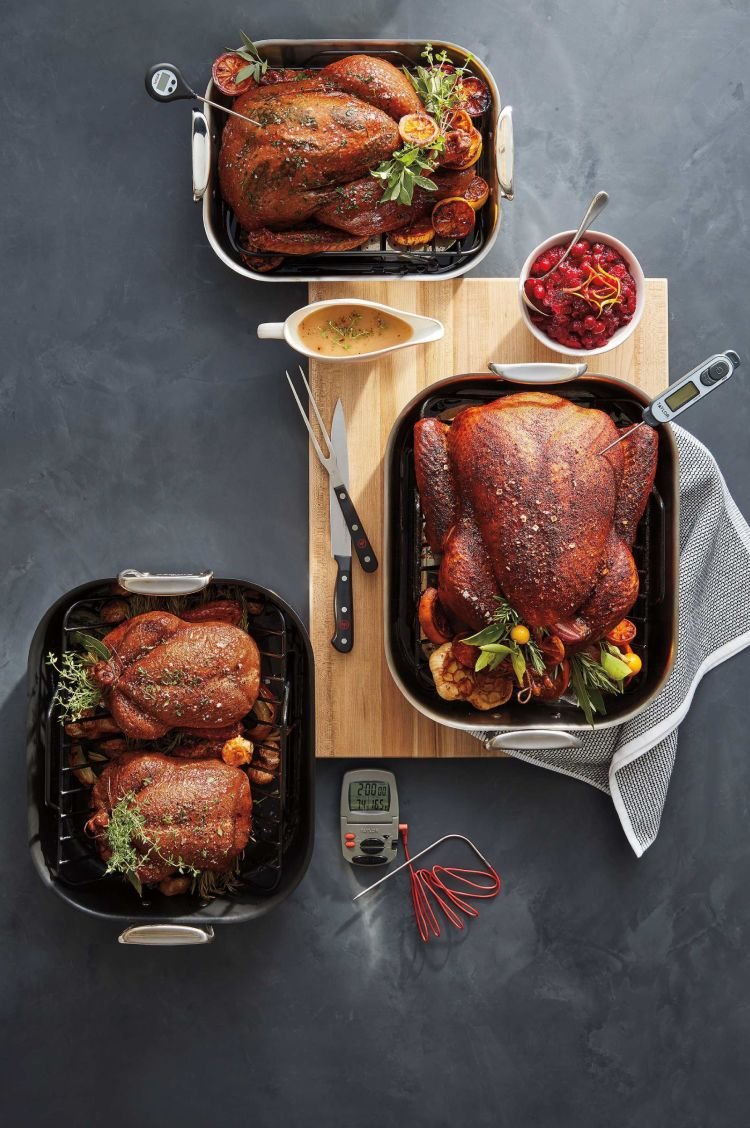
Choosing the right roasting tray can make all the difference in your cooking. Whether you’re roasting vegetables, meats, or a whole chicken, the tray you pick affects how evenly your food cooks and how easy cleanup will be.
You might think any tray will do, but the truth is, the right one can save you time and bring out the best flavors in your meals. You’ll discover exactly what to look for so you can pick a roasting tray that fits your kitchen and your cooking style perfectly.
Keep reading—you’ll never want to roast without the right tray again.
Types Of Roasting Trays
Choosing the right roasting tray helps you cook meals evenly. Different trays work better for certain foods and ovens.
Knowing the types of roasting trays can make cooking easier and tastier. Let’s look at common materials and shapes.
Materials And Their Benefits
Roasting trays come in many materials. Each one has benefits for heat, cleaning, and durability.
- Aluminum:Heats up quickly and spreads heat well. It is lightweight and easy to handle.
- Stainless Steel:Very strong and resists rust. It does not react with food but heats slower.
- Ceramic:Holds heat evenly and looks nice. It is good for slow roasting and serving food.
- Non-stick Coated:Food slides off easily. Cleaning is quick, but avoid metal tools to protect the surface.
- Cast Iron:Very durable and holds heat for a long time. It can be heavy and needs care to avoid rust.
Shapes And Sizes
Roasting trays come in many shapes and sizes. Pick one that fits your oven and the food you cook.
Deep trays hold juices and are good for roasting meat. Shallow trays allow air to circulate for crispier food.
- Rectangular:Common shape, fits most ovens, and works for big meals.
- Square:Good for smaller ovens and even cooking.
- Oval:Great for roasting whole chickens or turkeys.
- Round:Fits well in tight spaces and is easy to clean.
- Size:Choose trays based on the amount of food you cook often.

Credit: circulon.uk.com
Key Features To Look For
Choosing the right roasting tray is important for cooking success. The right tray helps cook food evenly and makes cleaning easier.
Look for features that match your cooking style and oven type. These features affect durability and performance.
Non-stick Coatings
Non-stick coatings prevent food from sticking to the tray. They make cleaning easier and reduce the need for extra oil.
- Choose trays with durable, scratch-resistant coatings.
- Check if the coating is safe for high heat.
- Avoid trays with coatings that peel easily.
- Look for trays labeled as PFOA-free for safety.
Handles And Stability
Handles help you move the tray safely in and out of the oven. Stability keeps the tray steady on racks and counters.
| Feature | What to Look For |
| Handle Material | Heat-resistant and easy to grip |
| Handle Size | Large enough for oven mitts |
| Tray Base | Flat and sturdy to avoid wobbling |
| Weight | Heavy enough for stability but light enough to carry |
Temperature Resistance
A good roasting tray must handle the heat of your oven without warping or releasing toxins.
Check these points for temperature resistance:
- Tray can safely withstand temperatures over 400°F (204°C).
- Material does not warp or change shape when hot.
- Coating stays intact at high heat.
- Tray is safe for use under broilers if needed.
Comparing Popular Brands
Choosing the right roasting tray makes cooking easier and better. Many brands offer different features and prices.
This guide looks at popular roasting tray brands to help you decide which fits your needs.
Budget-friendly Options
Budget-friendly trays offer good quality without high costs. They are perfect for everyday use and small kitchens.
- Brand A: Non-stick surface, easy to clean, under $20
- Brand B: Lightweight aluminum, dishwasher safe, under $25
- Brand C: Basic steel tray, durable, under $15
Premium Choices
Premium trays offer advanced features and long-lasting materials. They suit serious cooks and frequent use.
| Brand | Material | Size | Special Features |
| Brand X | Hard-anodized aluminum | Large (16×12 inches) | Oven safe to 500°F, scratch-resistant |
| Brand Y | Stainless steel | Medium (14×10 inches) | Non-stick coating, dishwasher safe |
| Brand Z | Ceramic coated steel | Extra-large (18×14 inches) | Even heat distribution, easy cleanup |
Eco-friendly Alternatives
Eco-friendly trays use sustainable materials and green production methods. They help reduce waste and pollution.
- Brand Green: Made from recycled steel, rust-resistant
- Earth Tray: Bamboo handles, non-toxic coating
- EcoBake: Recyclable aluminum, low energy manufacturing
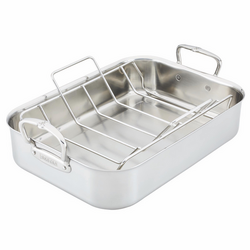
Credit: www.surlatable.com
Maintenance Tips
Keeping your roasting tray in good shape takes regular care. Proper maintenance helps your tray last longer and cook better.
Simple cleaning and storage methods protect your roasting tray from damage and build-up.
Cleaning Techniques
Clean your roasting tray after every use to avoid stuck food and stains. Use warm water and mild soap for daily cleaning.
- Soak the tray in warm soapy water to loosen food bits.
- Use a soft sponge or cloth to scrub gently.
- Avoid harsh steel wool or metal brushes that scratch the surface.
- For tough stains, use baking soda paste and let it sit before scrubbing.
- Dry the tray completely before storing to prevent rust.
Storage Solutions
Store your roasting tray in a dry and cool place. Proper storage keeps it safe from dents and moisture.
| Storage Tip | Reason |
|---|---|
| Place a paper towel between stacked trays | Prevents scratching and surface damage |
| Keep trays in a cabinet or drawer | Protects from dust and accidental drops |
| Store trays upright if space allows | Reduces pressure and bending risk |
| Avoid damp or humid areas | Prevents rust and corrosion |
Roasting Tray Hacks
Choosing the right roasting tray can make cooking easier and tastier. A good tray helps cook food evenly and keeps it juicy.
These hacks will help you use your roasting tray better. They focus on making food more flavorful and stopping it from sticking.
Maximizing Flavor
Use trays with high sides to keep juices close to the food. This helps flavors stay strong while cooking.
Try adding herbs or spices under the food. The heat will release their aroma and taste into your meal.
- Choose heavy, thick trays for even heat
- Place vegetables below meat to catch drippings
- Use a rack to lift food for crispy edges
- Add broth or wine to tray for steam and flavor
Preventing Food Sticking
Prevent food from sticking by greasing the tray well. Use oil, butter, or non-stick spray before cooking.
Line your tray with parchment paper or a silicone mat. This creates a barrier and makes cleanup easier.
- Preheat the tray before adding food
- Turn food carefully with a spatula
- Avoid overcrowding to let heat circulate
- Use non-stick or well-seasoned trays
Pairing Trays With Meals
Choosing the right roasting tray can make cooking easier and tastier. Different trays suit different meals.
Using the best tray for your meal helps cook food evenly and keeps flavors rich.
Best Trays For Meats
Heavy-duty metal trays work well for roasting meats. They hold heat and create a nice crust.
Look for trays with low sides to allow air circulation. This helps brown the meat evenly.
- Stainless steel trays resist rust and are easy to clean
- Cast iron trays keep heat steady for slow roasting
- Non-stick trays prevent meat from sticking and tearing
Ideal Trays For Vegetables
Vegetables roast best on trays with shallow sides. This lets heat reach all sides.
Look for trays with a non-stick surface or use parchment paper. This stops sticking and burns.
- Aluminum trays heat quickly and are lightweight
- Ceramic trays spread heat evenly for gentle cooking
- Glass trays let you see food while it cooks
Versatile Options For Various Dishes
Some trays work well for many types of meals. They suit meats, veggies, and baked dishes.
Look for trays with medium-high sides and even heat distribution. These trays are easy to use.
- Enamel-coated steel trays are easy to clean and durable
- Deep roasting pans hold larger meals and sauces
- Multi-section trays separate foods while cooking together
Common Mistakes To Avoid
Choosing the right roasting tray helps you cook food evenly and safely. Some common mistakes can ruin your cooking or damage your tray.
Learn what to avoid to get the best results from your roasting tray every time.
Overcrowding The Tray
Putting too much food on the roasting tray blocks heat and air flow. This leads to uneven cooking and soggy results. Give your food space to roast properly.
- Leave some space between pieces of food
- Use multiple trays if needed
- Do not pile food on top of each other
- Make sure air can circulate around the food
Ignoring Material Compatibility
Not all roasting trays suit every type of oven or cooking style. Using the wrong material may cause damage or affect cooking times.
| Tray Material | Best Use | Things to Avoid |
|---|---|---|
| Aluminum | Fast heating and light meals | Avoid high heat if not coated |
| Stainless Steel | Even cooking and durability | Not non-stick, needs oil |
| Ceramic | Slow, gentle roasting | Can crack with sudden temperature change |
| Cast Iron | High heat and searing | Heavy and requires seasoning |
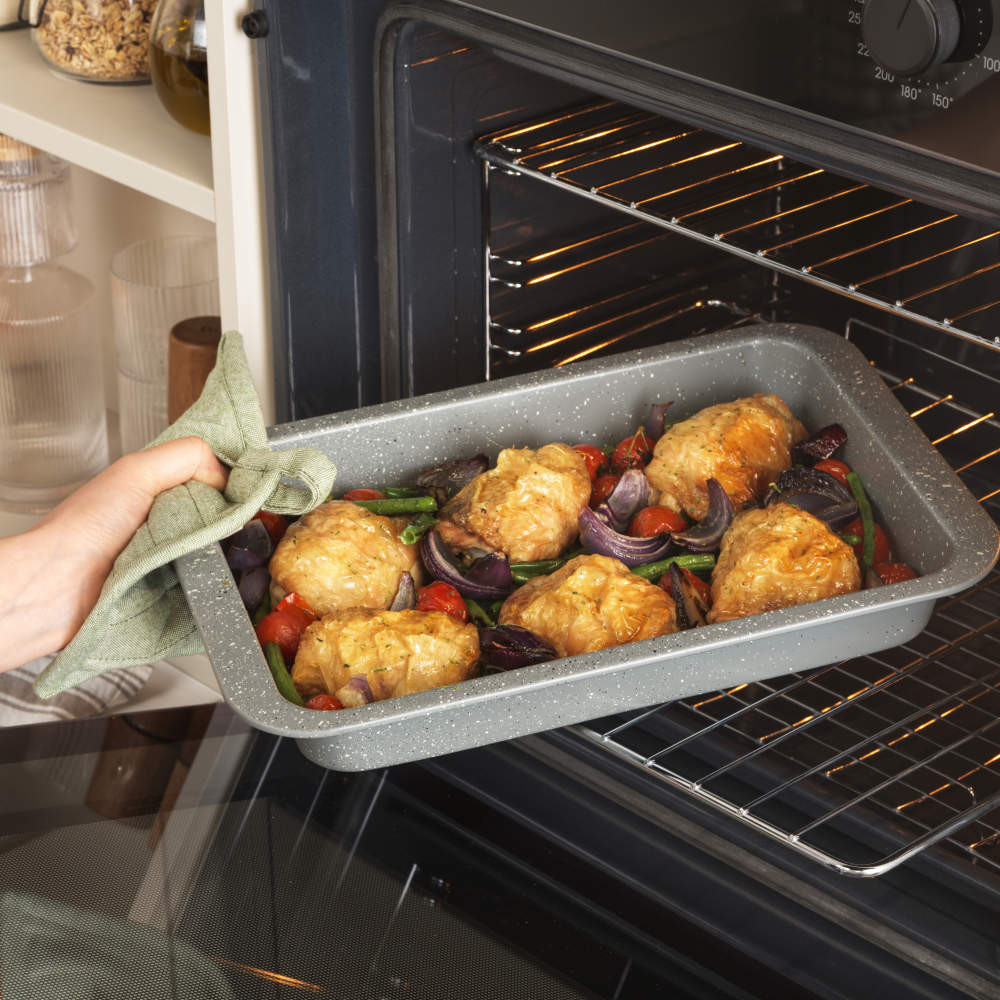
Credit: salter.com
Frequently Asked Questions
What Materials Are Best For Roasting Trays?
Stainless steel and cast iron are top choices for durability and even heat distribution. Non-stick trays ease cleaning but may scratch easily.
How To Choose The Right Size Roasting Tray?
Select a tray that fits your oven and food size. It should allow proper air circulation and avoid overcrowding.
Are Roasting Trays Dishwasher Safe?
Many stainless steel trays are dishwasher safe, but check manufacturer guidelines. Non-stick trays often require hand washing to preserve coating.
Can Roasting Trays Be Used For Baking?
Yes, roasting trays are versatile and can be used for baking meats, vegetables, and casseroles.
Conclusion
Choosing the right roasting tray makes cooking easier and more fun. Think about size, material, and heat distribution. A good tray cooks food evenly and cleans up fast. It saves time and helps you enjoy tasty meals. Pick one that fits your oven and cooking style.
Small details matter for great results. Happy roasting!