
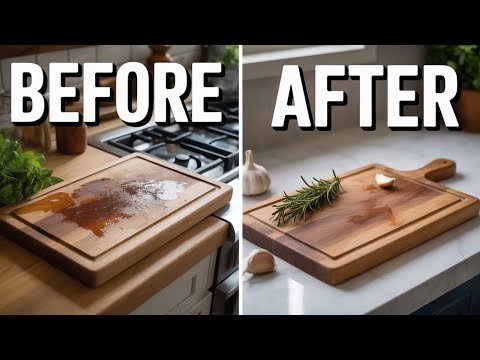
Your kitchen cutting board is one of the busiest tools you use every day. But have you ever stopped to think about how clean it really is?
If not cleaned properly, cutting boards can hide harmful bacteria that put your health at risk. You might think rinsing with water is enough, but that’s not always the case. You’ll discover simple, effective ways to sanitize your cutting boards and keep your kitchen safe.
Keep reading to learn the easy steps that can protect you and your family from foodborne illnesses.

Credit: telegrafi.com
Types Of Cutting Boards
Cutting boards come in different materials. Each type needs special care to stay clean and safe.
Knowing the type of your cutting board helps you sanitize it properly. This keeps your kitchen healthy.
Wood Cutting Boards
Wood boards are popular for their durability and knife-friendliness. They can absorb moisture, so clean them well.
Use hot water and soap after each use. Avoid soaking wood boards to prevent cracks. Oil them regularly to keep wood strong.
Plastic Cutting Boards
Plastic boards are light and easy to clean. They can go in the dishwasher for deep cleaning.
- Wash with hot, soapy water after use
- Run in dishwasher for full sanitizing
- Replace when deep cuts appear
Bamboo Cutting Boards
Bamboo boards are eco-friendly and harder than wood. They resist knife marks but need gentle cleaning.
| Cleaning Tip | Reason |
|---|---|
| Use mild soap and warm water | Prevents bamboo from drying out |
| Do not soak in water | Stops warping and cracking |
| Apply food-safe oil monthly | Keeps surface smooth and sealed |
Glass Cutting Boards
Glass boards are easy to clean and do not stain. They do not absorb bacteria but can dull knives fast.
Clean with hot water and soap. You can also use a disinfectant spray. Avoid cutting on glass to protect your knives.

Credit: www.lysol.com
Importance Of Sanitizing Cutting Boards
Sanitizing kitchen cutting boards keeps them clean and safe. It removes germs and harmful bacteria.
Using clean cutting boards helps stop illness from spreading through food. It protects your family.
Preventing Cross-contamination
Cross-contamination happens when bacteria move from one food to another. Raw meat and vegetables can spread germs.
Sanitizing cutting boards stops germs from spreading. It keeps foods safe and separate.
- Wash boards with hot soapy water after use
- Use different boards for meat and vegetables
- Sanitize boards with vinegar or bleach solution
Ensuring Food Safety
Food safety means keeping food free from germs. Cutting boards can hold bacteria if not cleaned well.
Sanitizing boards lowers the risk of food poisoning. It helps stop harmful bacteria from growing.
- Rinse boards immediately after use
- Dry boards completely before storing
- Use food-safe sanitizers for cleaning
Extending Board Longevity
Proper cleaning keeps your cutting boards strong and lasting longer. Dirt and stains can damage the surface.
Sanitizing helps avoid cracks and warping. This saves money by reducing the need for new boards.
- Use gentle scrubbers to clean boards
- Avoid soaking wooden boards in water
- Apply mineral oil to wooden boards regularly
Daily Cleaning Techniques
Keeping kitchen cutting boards clean is important to stop germs. You can use simple methods every day to sanitize them well.
These easy cleaning steps help keep your kitchen safe and your food healthy.
Soap And Water Method
Wash your cutting board with hot, soapy water after each use. Use a sponge or brush to scrub all surfaces well. Rinse with clean water and dry with a clean towel.
Vinegar Rinse Technique
White vinegar helps kill bacteria on cutting boards. Spray or wipe the board with vinegar and let it sit for a few minutes. Rinse with water and dry completely before use.
- Use plain white vinegar only
- Apply vinegar after washing with soap and water
- Let the vinegar stay on the board for 5 minutes
- Rinse well with water
- Dry the board fully before storing
Bleach Solution Use
Bleach is strong and kills many germs quickly. Use it only once or twice a week to sanitize cutting boards deeply.
| Bleach Solution Ratio | Use | Rinse Time |
| 1 tablespoon bleach | Mix with 1 gallon of water | Rinse after 2 minutes |
Make the bleach solution fresh each time. After applying, rinse the board well with water. Let it dry before use to avoid bleach taste.
Deep Cleaning Methods
Keeping kitchen cutting boards clean helps stop germs from spreading. Deep cleaning removes stuck-on dirt and bacteria.
Using natural cleaners makes your board safe and fresh. Try these easy ways to sanitize your cutting boards well.
Baking Soda And Vinegar
Baking soda and vinegar work together to clean and remove smells from cutting boards. They fight germs and stains.
Sprinkle baking soda on the board. Spray vinegar over it to create fizz. Let sit for 5 minutes, then scrub.
- Sprinkle 2 tablespoons of baking soda
- Spray 1/4 cup of white vinegar
- Wait 5 minutes for fizzing
- Use a brush to scrub the surface
- Rinse with warm water and dry
Hydrogen Peroxide Application
Hydrogen peroxide kills bacteria on cutting boards safely. Use a 3% solution for cleaning and disinfecting.
Pour hydrogen peroxide on the board. Spread it evenly with a cloth. Let it sit for 10 minutes, then rinse well.
- Use 3% hydrogen peroxide only
- Apply enough to cover the board
- Let it rest for 10 minutes
- Rinse with hot water
- Dry completely before use
Lemon And Salt Scrub
Lemon and salt scrub cleans and brightens wooden cutting boards. Lemon juice kills germs and salt scrubs stains.
Cut a lemon in half. Sprinkle salt on the board. Rub the lemon on the salt and board. Rinse and dry well.
- Cut one lemon in half
- Sprinkle coarse salt on board
- Rub lemon over salt and surface
- Let sit for 5 minutes
- Rinse with water and dry
Special Care For Different Materials
Cutting boards come in many materials. Each type needs special cleaning and care.
Proper cleaning keeps boards safe and lasts longer. Learn how to care for wood, plastic, and bamboo boards.
Wood Board Maintenance
Wood boards need gentle cleaning. Avoid soaking them in water to stop warping or cracking.
Use mild soap and warm water. Dry the board immediately with a towel after washing.
- Do not put wood boards in the dishwasher
- Apply mineral oil monthly to keep wood from drying out
- Use salt and lemon to remove stains and odors
Plastic Board Care
Plastic boards can handle more water. They are dishwasher safe, making cleaning easy.
Check for deep cuts where bacteria can hide. Replace boards with many grooves or cracks.
- Wash with hot soapy water or run in dishwasher
- Sanitize with diluted bleach after use
- Store dry to prevent bacteria growth
Bamboo Board Treatment
Bamboo boards are strong and eco-friendly. Treat them like wood to keep them in good shape.
Clean with mild soap and water. Avoid soaking or using harsh detergents that can damage the surface.
- Dry boards immediately after washing
- Apply food-safe oil to prevent cracking
- Do not use bamboo boards in the dishwasher

Credit: homewithgraceandjoy.com
Signs Your Cutting Board Needs Replacement
Cutting boards can get worn out over time. It is important to know when to replace them. Using a damaged cutting board can spread bacteria.
Look for signs that show your cutting board is no longer safe to use. This helps keep your kitchen clean and healthy.
Deep Grooves And Cracks
Deep grooves and cracks form from cutting and chopping. These gaps trap food particles and germs. Cleaning becomes hard in these spots.
If you see many deep cuts or cracks, it is time to replace the board. They can cause food poisoning if not replaced.
Persistent Stains And Odors
Stains and bad smells do not go away even after cleaning. This means bacteria or mold may be inside the board.
A cutting board with strong odors or stains is unsafe. Replace it to avoid contamination of your food.
Warping And Splintering
Warping happens when the board bends or twists out of shape. Splintering means small pieces of wood break off.
Warped or splintered boards are hard to use and clean. They can also hurt your hands. Replace them quickly.
Tips For Maintaining Hygiene
Keeping kitchen cutting boards clean is very important. It helps stop germs from spreading.
Using the right cleaning and care methods keeps boards safe to use every day.
Separate Boards For Different Foods
Use different cutting boards for meat, vegetables, and bread. This avoids cross-contamination.
Label or color-code boards to easily keep them separate in your kitchen.
- Red board for raw meat
- Green board for vegetables
- Brown board for bread
- Blue board for fish
Regular Inspection Routine
Check your cutting boards often for cracks and deep cuts. These can hide bacteria.
Replace boards that look worn out or have hard-to-clean grooves.
- Look for surface damage
- Test for odors or stains
- Clean thoroughly after each use
- Replace if cleaning is not effective
Proper Storage Practices
Store cutting boards in a dry and clean place. Avoid stacking wet boards together.
Keep boards upright to help air dry and prevent mold growth.
- Use a rack or stand for storage
- Keep boards away from kitchen mess
- Make sure boards dry completely before storing
Frequently Asked Questions
How Often Should I Sanitize Kitchen Cutting Boards?
You should sanitize cutting boards after every use, especially when handling raw meat. This prevents bacteria buildup and cross-contamination. Regular cleaning and sanitizing keep your kitchen safe and hygienic.
What Is The Best Sanitizer For Cutting Boards?
A mixture of one tablespoon bleach per gallon of water is an effective sanitizer. White vinegar and hydrogen peroxide also work well. Always rinse thoroughly after sanitizing to remove any residue.
Can I Sanitize Cutting Boards In The Dishwasher?
Yes, dishwasher sanitizing is effective for plastic cutting boards. Use a high-temperature setting to kill bacteria. Avoid putting wooden boards in the dishwasher, as it can damage the wood.
How Do I Sanitize Wooden Cutting Boards Safely?
Clean wooden boards with hot soapy water and dry them immediately. Use a vinegar solution or diluted bleach to sanitize. Avoid soaking wood to prevent warping and cracking.
Conclusion
Sanitizing cutting boards keeps your kitchen safe and clean. Use soap and hot water after each use. Apply a sanitizing solution to kill harmful germs. Let the board dry completely before storing. Avoid using the same board for raw meat and vegetables.
Regular cleaning stops bacteria from spreading. Clean boards help protect your family’s health. Simple steps make a big difference in food safety. Keep these habits for a healthier kitchen every day.