
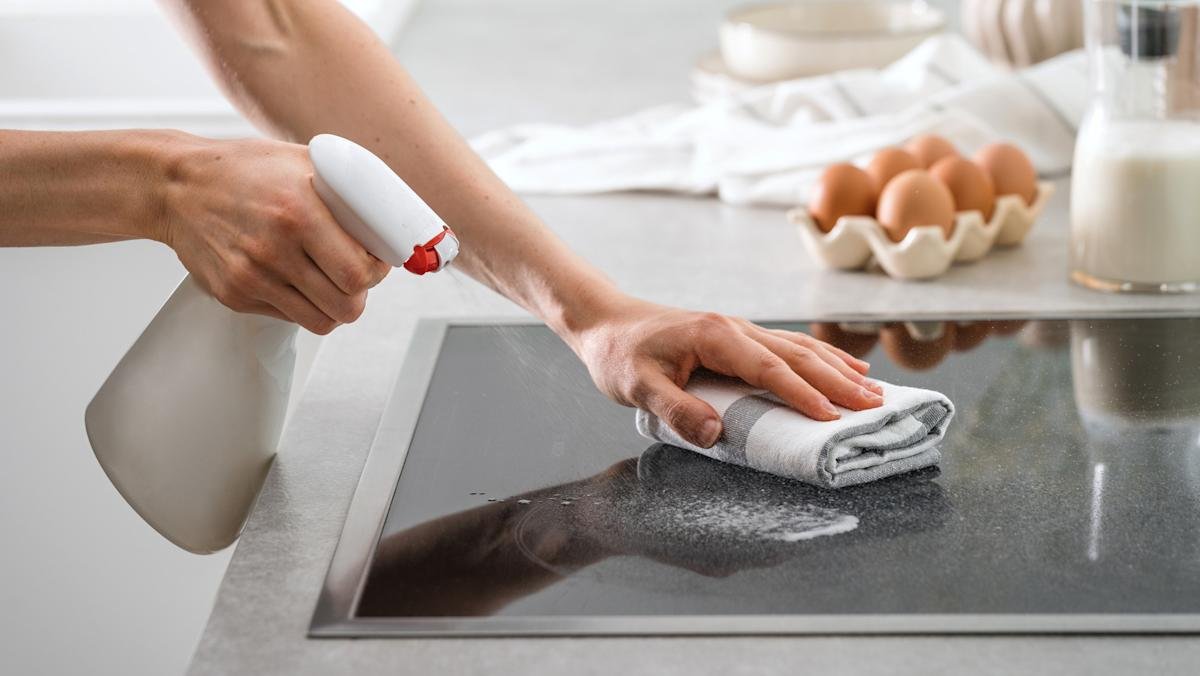
Your glass stovetop can shine like new without harsh chemicals or scrubbing for hours. Imagine wiping away grease and stains using just something you already have at home—vinegar.
If you’ve struggled with stubborn spots or worry about damaging your smooth surface, this simple, natural method is exactly what you need. Keep reading to discover easy steps that will make cleaning your glass stovetop quick, safe, and surprisingly satisfying.
Your kitchen deserves this kind of sparkle!
Benefits Of Using Vinegar
Vinegar is a natural cleaner that works well on glass stovetops. It helps remove stains and grease without harsh chemicals.
Using vinegar is safe and cost-effective. It leaves your stovetop shiny and fresh.
Natural And Non-toxic Cleaner
Vinegar is made from natural ingredients and does not contain harmful chemicals. This makes it safe for your home and family.
Effective At Removing Grease And Stains
The acid in vinegar breaks down tough grease and burnt food. It cleans without scratching the glass surface.
Cost-effective Cleaning Solution
Vinegar is inexpensive and easy to find. You can use it alone or mix it with water for cleaning.
- Buy a bottle of white vinegar from any store
- Use diluted vinegar to clean daily spills
- Save money compared to commercial cleaners
Eco-friendly Choice
Vinegar is biodegradable and does not pollute the environment. It helps reduce plastic waste by replacing sprays and wipes.
| Benefit | Details |
|---|---|
| Natural | Free from harsh chemicals |
| Effective | Removes grease and stains easily |
| Affordable | Costs less than many cleaners |
| Eco-Friendly | Safe for the environment |

Credit: thekrazycouponlady.com
Materials Needed
Cleaning a glass stovetop with vinegar is easy and safe. You only need a few simple items. These materials help remove stains and keep the surface shiny.
Make sure you have everything ready before you start cleaning. This saves time and effort.
White Vinegar
White vinegar is the main cleaner. It breaks down grease and grime without harsh chemicals. Use plain white vinegar for best results.
Spray Bottle
A spray bottle helps apply vinegar evenly. It makes the cleaning process faster and less messy. Fill it with vinegar before you begin.
Soft Cloth Or Sponge
Use a soft cloth or sponge to wipe the stovetop. Avoid abrasive materials that can scratch the glass surface.
- Microfiber cloths work well
- Non-scratch sponges are safe
- Old T-shirts can be reused
Baking Soda
Baking soda acts as a gentle scrub. It helps lift tough stains without damaging the glass. Sprinkle a small amount on the surface before wiping.
Water
Use water to rinse the stovetop after cleaning. It removes leftover vinegar and baking soda. Warm water works best to clear residues.
Optional: Razor Blade Scraper
A razor blade scraper can remove burnt food stuck on the glass. Use it carefully at a low angle to avoid scratches.
| Material | Purpose |
|---|---|
| White Vinegar | Breaks down grease and grime |
| Spray Bottle | Applies vinegar evenly |
| Soft Cloth or Sponge | Wipes the surface without scratching |
| Baking Soda | Gently scrubs tough stains |
| Water | Rinses residues |
| Razor Blade Scraper | Removes burnt food (optional) |
Preparing The Stovetop
Cleaning a glass stovetop with vinegar starts with good preparation. Proper steps ensure safe and effective cleaning.
Follow these preparation tips to get your stovetop ready before applying vinegar.
Clear The Surface
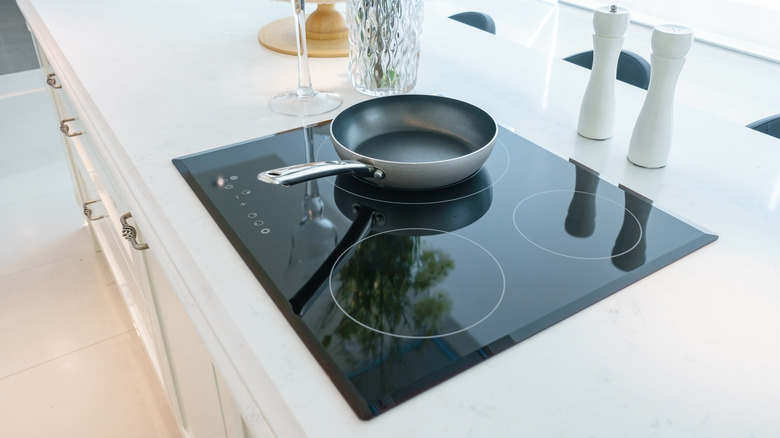
Remove all pots, pans, and utensils from the stovetop. Clear any loose debris or crumbs with a dry cloth or brush.
Turn Off And Cool Down
Make sure the stovetop is completely turned off and cool. Cleaning a hot surface can cause burns and damage the glass.
Gather Cleaning Supplies
- White vinegar
- Spray bottle
- Soft microfiber cloth
- Non-abrasive sponge
- Paper towels
Protect Surrounding Areas
Place paper towels or a cloth around the stovetop edges. This prevents vinegar from dripping onto counters or floors.
Credit: www.housedigest.com
Cleaning Process
Cleaning a glass stovetop is easy with vinegar. It removes dirt and grease gently.
Follow simple steps to make your stovetop shine again without harsh chemicals.
Spray Vinegar Solution
Mix equal parts of white vinegar and water in a spray bottle. Spray the solution over the stovetop surface.
Make sure to cover all areas, especially spots with grease or food residue.
Wipe With A Soft Cloth
Use a soft cloth or microfiber towel to wipe the stovetop. Move in gentle circles to lift dirt.
Rinse the cloth with clean water and wipe again to remove vinegar residue.
Focus On Tough Stains
For stuck-on stains, soak a cloth in vinegar solution and place it on the spot. Let it sit for 10 minutes.
After soaking, gently scrub with the cloth or a soft sponge until the stain lifts.
- Do not use abrasive scrubbers to avoid scratches
- Repeat soaking for very tough stains
- Dry the surface with a clean cloth after cleaning
Rinsing And Drying
After cleaning your glass stovetop with vinegar, rinsing and drying are key steps. These steps help remove leftover cleaning solution and prevent streaks.
Proper rinsing and drying keep your stovetop shiny and ready to use. Follow these tips for the best results.
Rinsing The Stovetop
Use a clean, damp cloth to rinse the stovetop. This removes vinegar and loosened dirt.
Rinse the cloth often in warm water. Wipe the surface gently to avoid scratches.
- Dip cloth in warm water
- Wring out excess water
- Wipe stovetop surface carefully
- Repeat if needed to remove residue
Drying The Stovetop
Dry the stovetop with a soft, dry cloth after rinsing. This stops water spots and streaks from forming.
Use a microfiber cloth for the best shine. Dry in small circular motions for even coverage.
- Choose a clean microfiber cloth
- Dry the surface completely
- Use gentle circular strokes
- Check for missed spots
Maintaining Shine
Cleaning a glass stovetop with vinegar helps keep it shiny. Vinegar removes grease and stains without scratching.
Regular cleaning with vinegar keeps the surface bright and clear. It also prevents buildup that dulls the glass.
Prepare The Stovetop
Start by making sure the stovetop is cool. Remove any loose crumbs or food pieces with a soft cloth.
Cleaning a cool surface prevents burns and helps vinegar work better on stains.
Spray Vinegar Evenly
Pour white vinegar into a spray bottle. Spray it evenly over the glass surface.
Vinegar’s acidity breaks down grease and grime without harsh chemicals.
Wipe With A Soft Cloth
Use a microfiber cloth to wipe the stovetop. Move in small circles to lift dirt and shine the glass.
A soft cloth avoids scratches and helps remove vinegar residue completely.
Remove Stubborn Spots
For tough stains, soak a cloth in vinegar and place it on the spot for 10 minutes. Then scrub gently.
This loosens burnt-on food without damaging the surface or dulling the shine.
Dry And Buff The Surface
After cleaning, dry the stovetop with a clean, dry cloth. Buff the glass to bring out a clear shine.
Drying prevents streaks and water spots that can dull the glass surface.
Safety Tips
Cleaning a glass stovetop with vinegar is easy and effective. Safety is very important to avoid damage or injury. Follow simple tips to clean safely.
Use the right tools and avoid harsh chemicals. Keep your hands and eyes protected during cleaning. Read all safety instructions before you start.
Turn Off And Cool Down
Always make sure the stovetop is completely off and cool. Cleaning a hot stovetop can cause burns or cracks in the glass. Wait at least 30 minutes after cooking.
Use Safe Cleaning Materials
Choose soft cloths or sponges to avoid scratches. Do not use steel wool or abrasive pads. Vinegar is gentle but effective for cleaning glass surfaces.
- Use microfiber cloths or soft sponges
- Avoid abrasive scrubbers or metal tools
- Do not use harsh chemical cleaners
- Apply vinegar diluted with water
Protect Yourself During Cleaning
Wear gloves to protect your skin from vinegar’s acidity. Work in a well-ventilated area to avoid strong smells. Keep your eyes safe by not splashing cleaning liquids.
- Stovetop is off and cooled
- Use soft cloths or sponges only
- Wear protective gloves
- Ventilate the room well
- Avoid splashing vinegar in eyes
Credit: www.kitchenaid.com
Common Mistakes To Avoid
Cleaning a glass stovetop with vinegar is simple if done right. Some mistakes can cause damage or leave stains. Knowing what to avoid helps keep the surface shiny and safe.
Here are common errors people make when using vinegar to clean glass stovetops. Avoiding these will improve your cleaning results.
Using Vinegar Without Dilution
Applying pure vinegar directly on the glass surface can be too harsh. It may cause discoloration or etching on some stovetops. Always dilute vinegar with water before use.
Scrubbing With Abrasive Tools
Using rough scrubbers or steel wool can scratch the glass. This damage is permanent and makes cleaning harder. Use soft cloths or non-abrasive sponges instead.
Ignoring Burnt-on Food First
Vinegar cleans well but cannot remove thick burnt food easily. Trying to clean without loosening tough spots wastes time and effort.
- Soak a damp cloth with vinegar and place it on burnt areas
- Let it sit for 10–15 minutes
- Gently wipe off loosened food before full cleaning
Leaving Vinegar On Surface Too Long
Letting vinegar sit for hours on the stovetop can cause damage. Clean the surface soon after applying vinegar to avoid harm.
Using Vinegar On Hot Stovetop
Pouring vinegar on a hot glass stovetop may cause it to crack. Always wait until the surface cools down before cleaning.
Not Rinsing Off Vinegar Properly
| Common Error | Effect | How to Avoid |
| Not rinsing vinegar residue | Sticky surface and streaks | Wipe with clean damp cloth after cleaning |
| Using too much vinegar | Strong smell and surface damage | Dilute vinegar and apply sparingly |
| Scrubbing with rough tools | Scratches on glass | Use soft cloth or sponge |
Frequently Asked Questions
How Does Vinegar Clean A Glass Stovetop?
Vinegar’s acidity breaks down grease and grime on glass stovetops. It dissolves residues without scratching the surface. This makes vinegar an effective and natural cleaning agent for glass stovetops.
Can Vinegar Remove Tough Burnt Stains On Glass?
Yes, vinegar softens burnt stains by loosening baked-on food particles. Combined with baking soda, it enhances scrubbing power for tough spots. Regular use helps maintain a spotless glass stovetop.
Is Vinegar Safe For All Glass Stovetop Surfaces?
Vinegar is safe for most glass stovetops when used properly. Avoid using undiluted vinegar on any damaged or scratched surfaces. Always wipe thoroughly after cleaning to prevent streaks or residue buildup.
How Often Should I Clean My Glass Stovetop With Vinegar?
Clean your glass stovetop with vinegar after every use or at least weekly. Frequent cleaning prevents buildup and keeps the surface shiny. Quick vinegar wipes save time and maintain cleanliness.
Conclusion
Cleaning your glass stovetop with vinegar is simple and safe. Vinegar helps remove stains and grease without harsh chemicals. Just spray, wipe, and enjoy a sparkling clean surface. Regular cleaning keeps your stovetop looking new and working well. Give this easy method a try and see the clear difference.
Keep your kitchen fresh with this natural, affordable solution. Simple steps, great results.