
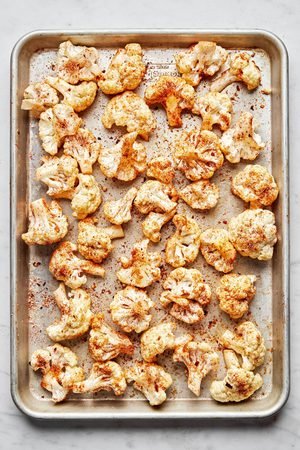
Roasting cauliflower can turn this humble vegetable into a delicious, crispy treat. But have you ever ended up with some pieces burnt while others stay soggy?
It’s frustrating, right? You want every bite to be perfectly cooked—golden on the outside, tender on the inside. In this post, you’ll discover simple tricks that make roasting cauliflower easy and foolproof. By the end, your cauliflower will come out evenly roasted every single time.
Ready to transform your cooking and impress your taste buds? Let’s dive in!
:max_bytes(150000):strip_icc()/roasted-cauliflower-beauty-057_preview_maxWidth_4000_maxHeight_4000_ppi_300_quality_100-2dbc37e9008e420190e83dc29cf0de51.jpg)
Credit: www.eatingwell.com
Choosing The Right Cauliflower
Roasting cauliflower evenly starts with picking the right head. The choice affects texture and flavor.
Knowing how to select fresh cauliflower helps you get the best results in your cooking.
Selecting Fresh Produce
Look for cauliflower heads that are firm and tight. Avoid those with brown spots or soft areas.
- Choose heads with creamy white color and no blemishes
- Check that the leaves are green and crisp around the head
- Pick medium to large size for even roasting
- Smell the cauliflower; it should have a fresh, mild scent
Understanding Different Varieties
Cauliflower comes in many colors and types. Each type cooks slightly differently.
| Variety | Color | Texture | Best Use |
| White | White | Firm and dense | Roasting, steaming |
| Orange | Orange | Slightly softer | Raw, roasting |
| Purple | Purple | Firm | Grilling, roasting |
| Green | Light green | Crunchy | Salads, roasting |
Preparing Cauliflower For Roasting
Roasting cauliflower brings out its natural flavors and creates a crispy texture. Proper preparation helps the cauliflower cook evenly and taste better.
Cleaning and cutting the cauliflower the right way is key. This guide explains simple steps to get your cauliflower ready for roasting.
Cleaning And Cutting Techniques
Start by rinsing the cauliflower under cold water. Remove any dirt or bugs hidden in the leaves. Pat dry with a clean towel to avoid sogginess during roasting.
- Remove the outer green leaves and tough stem.
- Cut the cauliflower head into quarters for easier handling.
- Separate the florets by cutting them off at the base.
- Trim large stems from florets for even cooking.
Importance Of Uniform Florets
Cutting florets into similar sizes helps them cook at the same rate. This stops some pieces from burning while others stay raw.
| Floret Size | Roasting Result |
|---|---|
| Small (1 inch) | Cook quickly and become crisp |
| Medium (2 inches) | Cook evenly and remain tender inside |
| Large (3+ inches) | May stay raw inside or burn outside |
Optimal Seasoning For Flavor
Roasting cauliflower brings out its natural sweetness. Seasoning well makes it taste even better.
Good seasoning helps the cauliflower cook evenly and taste delicious every time.
Basic Seasoning Ideas
Simple ingredients can add great flavor to roasted cauliflower. Salt and pepper are the basics.
Olive oil helps spices stick and makes the cauliflower crispy. Garlic powder adds a mild kick.
- Salt – enhances natural flavor
- Black pepper – adds mild heat
- Olive oil – helps with crispiness
- Garlic powder – gives a gentle garlic taste
- Onion powder – adds a sweet, savory note
Exploring Spice Variations
You can try different spices to change the flavor of roasted cauliflower. Spices add warmth and depth.
Mix spices for a unique taste that suits your mood or meal. Start with small amounts and adjust.
- Smoked paprika – adds a smoky flavor
- Cumin – gives a warm, earthy taste
- Curry powder – adds a spicy, aromatic touch
- Chili flakes – for a bit of heat
- Lemon zest – adds fresh citrus notes
- Fresh herbs like thyme or rosemary – add fragrant flavor
Techniques For Even Roasting
Roasting cauliflower evenly helps it cook well and taste better. Use simple techniques to get crisp, golden pieces without burning or undercooking.
Follow these tips to spread heat evenly and get perfect texture every time you roast cauliflower.
Using The Right Baking Sheet
Choose a baking sheet that spreads heat well. Heavy aluminum or stainless steel sheets work best. Avoid glass or dark non-stick pans because they can burn the edges.
Use a rimmed sheet to keep the cauliflower from sliding off. A flat sheet without high sides helps air circulate around the pieces.
Spacing And Arrangement Tips
Space cauliflower pieces evenly on the baking sheet. Crowding causes steaming instead of roasting. Leave space for hot air to move around each piece.
- Place cauliflower in a single layer only
- Keep at least one inch of space between pieces
- Turn the pieces once halfway through cooking
- Use parchment paper to prevent sticking
Adjusting Oven Temperature
Set the oven temperature between 400°F and 425°F (200°C to 220°C). This heat range roasts cauliflower evenly and creates a crispy outside.
| Oven Temperature | Effect on Cauliflower |
|---|---|
| 375°F (190°C) | Slow cooking, less browning |
| 400°F (200°C) | Even cooking with good crispness |
| 425°F (220°C) | Fast browning, risk of burning |
Achieving Perfect Crispiness
Roasting cauliflower can give it a delicious crispy texture. To get it just right, you need to control how long and how you cook it.
Even cooking helps the cauliflower become tender inside and crunchy outside. Small changes make a big difference.
Monitoring Cooking Time
Check the cauliflower often while roasting. Too long in the oven can make it dry. Too little time leaves it soft and pale.
- Preheat your oven to 425°F (220°C) for the best heat.
- Cut cauliflower into even-sized florets for uniform cooking.
- Spread florets in a single layer on the baking sheet.
- Roast for 20 to 25 minutes, turning halfway through.
- Look for a golden color and crispy edges before removing.
Techniques For A Golden Finish
To get a golden crust, use oil and seasoning well. The right temperature and spacing help too.
| Technique | Details |
|---|---|
| Use enough oil | Coat florets lightly to help browning and crispiness. |
| High oven temperature | Heat at 425°F (220°C) to encourage caramelization. |
| Do not crowd pan | Leave space between pieces to allow hot air to circulate. |
| Season well | Add salt and spices before roasting for flavor and crisp texture. |
Common Mistakes To Avoid
Roasting cauliflower is easy but can go wrong. Many cooks face soggy or burnt florets. Avoiding common mistakes helps get perfect texture and flavor.
This guide covers how to prevent soggy texture and avoid overcooking. Follow simple tips to roast cauliflower evenly every time.
Preventing Soggy Texture
Soggy cauliflower happens when too much moisture stays on the florets or the oven is crowded. Drying and space are key to crisp edges.
- Wash cauliflower and dry completely with a clean towel.
- Cut florets into similar sizes for even cooking.
- Spread florets in a single layer on the baking sheet.
- Do not overcrowd the pan; leave space between pieces.
- Toss florets with enough oil to coat but not soak.
Avoiding Overcooking
Overcooking makes cauliflower mushy and bitter. Watch roasting time and oven temperature closely for the best result.
| Common Overcooking Mistake | How to Fix It |
|---|---|
| Roasting at too high temperature | Set oven to 400°F (200°C) for balanced heat |
| Cooking too long | Check after 20 minutes, then every 5 minutes |
| Uneven floret size | Cut pieces evenly for uniform cooking |
| Ignoring oven hot spots | Rotate pan halfway through roasting |
Creative Serving Ideas
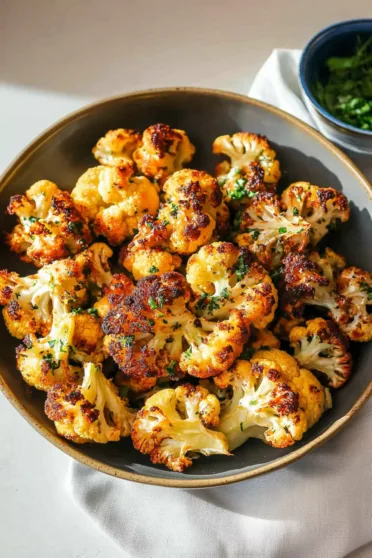
Roasting cauliflower evenly gives it a perfect texture and taste. You can serve it in many creative ways to enjoy its full flavor.
Try pairing roasted cauliflower with different dips or adding it to meals. This will make your dishes more exciting and tasty.
Pairing With Dips And Sauces
Roasted cauliflower tastes great with many dips and sauces. These add extra flavor and make it fun to eat.
Try creamy, spicy, or tangy dips to find your favorite match.
- Garlic yogurt dip adds a cool, creamy touch
- Spicy sriracha mayo gives a bold kick
- Classic hummus complements the nutty flavor
- Tahini sauce adds a rich, nutty taste
- Lemon herb vinaigrette brightens the dish
Incorporating Into Meals
Roasted cauliflower can be part of many meals. It adds texture and flavor to simple dishes.
Add it to salads, bowls, or pasta for a healthy boost.
- Mix into grain bowls with rice or quinoa
- Top pizzas with roasted cauliflower and cheese
- Stir into pasta with olive oil and herbs
- Add to tacos with avocado and salsa
- Use in wraps with hummus and fresh veggies
Credit: nodashofgluten.com

Credit: www.homegrown-kitchen.co.nz
Frequently Asked Questions
How Do I Prepare Cauliflower For Even Roasting?
Cut cauliflower into uniform-sized florets. This ensures even cooking. Wash and dry them thoroughly. Toss with oil and seasoning before roasting.
What Temperature Is Best For Roasting Cauliflower Evenly?
Roast cauliflower at 400°F (200°C). This temperature cooks it thoroughly and crisps edges without burning. Adjust time based on floret size.
How Often Should I Turn Cauliflower When Roasting?
Turn cauliflower every 10-15 minutes. This helps all sides brown evenly. Use a spatula to gently flip the florets.
Can I Roast Cauliflower Without Oil Evenly?
Yes, but oil helps with even browning and crispiness. Use a light spray or brush for best results. Oil also enhances flavor.
Conclusion
Roasting cauliflower evenly is simple with the right steps. Cut pieces the same size for uniform cooking. Spread them out on the pan without crowding. Use a hot oven to get a nice, crispy texture. Turn the pieces halfway through roasting for even browning.
Season well to enhance the natural flavors. Enjoy your perfectly roasted cauliflower as a healthy side or snack. Practice these tips to improve every time you cook. Roasting can be easy and delicious with a little care.