
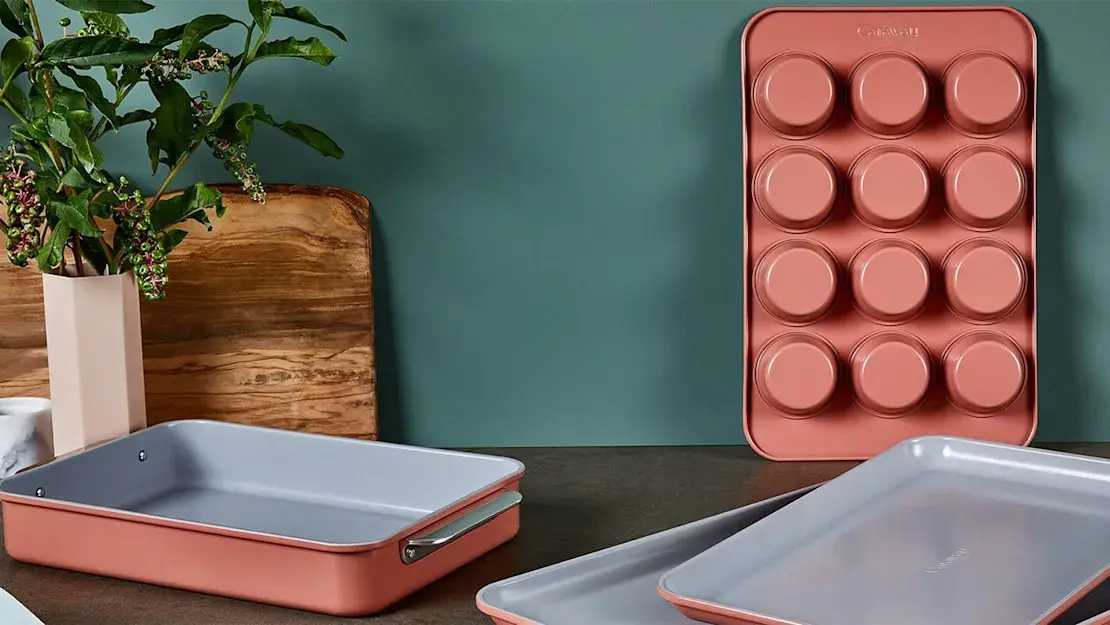
Choosing the right bakeware can make all the difference in how your cakes turn out. You might have the best recipe, but if your pans don’t suit your baking style, your cakes could end up uneven, stuck, or dry.
Imagine cutting into a perfectly risen, golden cake every single time—sounds great, right? You’ll discover simple tips to pick bakeware that fits your needs and helps you bake like a pro. Keep reading, and you’ll never look at cake pans the same way again.

Credit: circulon.uk.com
Choosing The Right Material
Picking the right bakeware material helps you bake better cakes. Different materials affect heat and cake texture.
Learn about common materials to find the best fit for your baking needs.
Aluminum For Even Heating
Aluminum pans heat evenly and quickly. This helps cakes bake with a uniform texture.
They are lightweight and affordable. Aluminum also cools down fast after baking.
Non-stick For Easy Release
Non-stick bakeware prevents cakes from sticking to the pan. This makes removing cakes easier.
- Use less oil or butter for greasing
- Clean gently to keep the coating safe
- Avoid metal utensils to prevent scratches
Glass For Visibility
Glass pans let you watch the cake as it bakes. This helps to check browning and doneness.
| Material | Best Use |
| Glass | Even baking, good for fruit cakes |
| Aluminum | Quick, even heating for most cakes |
| Non-Stick | Easy cake release and cleanup |
| Silicone | Flexible shapes and easy removal |
Silicone For Flexibility
Silicone bakeware bends and flexes. This lets you remove cakes without breaking them.
They are easy to store and clean. Silicone pans work well for unusual cake shapes.
Size And Shape Considerations
Choosing the right bakeware size and shape is key for baking cakes. The size affects baking time and cake texture. The shape influences the cake’s look and how it cooks.
Understanding common sizes and shapes helps pick the best pan for your recipe. You can also adjust recipes if you use different bakeware.
Standard Sizes For Common Recipes
Most cake recipes use standard pan sizes. Using the right size ensures the cake bakes evenly. It also helps the cake rise properly.
| Pan Shape | Common Size | Typical Use |
|---|---|---|
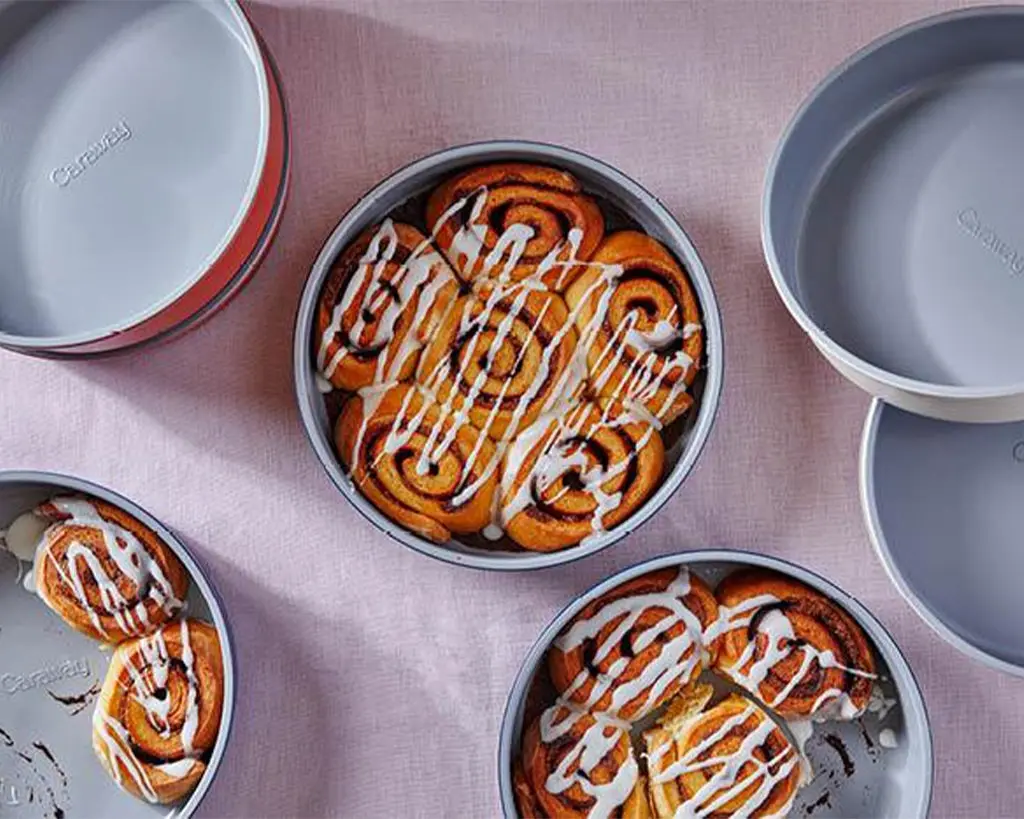
| Round | 8 or 9 inches diameter | Layer cakes, birthday cakes |
| Square | 8 or 9 inches | Brownies, sheet cakes |
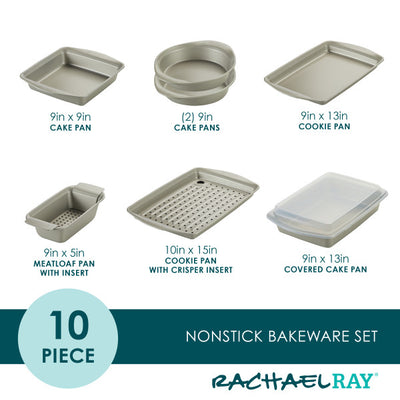
| Rectangular | 9×13 inches | Sheet cakes, bars |
| Loaf | 8.5×4.5 inches | Breads, pound cakes |
Specialty Shapes For Creative Designs
Specialty bakeware lets you make unique cake designs. Shapes like hearts, stars, and flowers add fun to celebrations.
- Bundt pans create decorative ring-shaped cakes
- Springform pans are good for cheesecakes
- Mini pans make small, individual cakes
- Character pans form cakes in fun figures
Adjusting Recipes For Different Sizes
Changing pan size needs recipe adjustments. A bigger pan may need more batter and longer baking time. A smaller pan needs less batter and less time.
- Calculate the volume of the original pan and the new pan
- Adjust ingredient amounts based on volume ratio
- Check the cake early for doneness when baking time changes
- Lower oven temperature slightly for deeper pans
Understanding Coatings
Coatings on bakeware affect how cakes bake and release. They change the pan’s surface texture and durability.
Choosing the right coating helps you bake better cakes and clean pans easily. Let’s explore these coatings.
Benefits Of Non-stick Coatings
Non-stick coatings stop cakes from sticking to pans. This makes it easy to remove cakes without damage.
These coatings also reduce the need for extra grease or flour. That means healthier cakes and less mess.
- Cakes come out clean and whole
- Less oil or butter needed
- Easy to clean after baking
- Helps bake even and brown evenly
Safety Considerations For Coated Pans
Some coatings can wear off if scratched or used at very high heat. This can affect safety and pan life.
Use only wooden or silicone tools to protect the coating. Avoid metal utensils that can scratch the surface.
- Check the maximum oven temperature for your pan
- Do not use abrasive cleaners
- Replace pans when coating peels or cracks appear
- Follow manufacturer instructions carefully
Maintenance Of Coated Surfaces
Keep coated bakeware clean to extend its life. Wash with warm, soapy water and a soft cloth.
Do not use metal scrubbers or harsh chemicals. Dry pans completely before storing to stop rust or damage.
- Hand wash to protect the coating
- Use soft sponges or cloths only
- Store pans in a dry place
- Avoid stacking heavy items on coated pans
Impact Of Thickness On Baking
The thickness of your bakeware plays a big role in how your cakes turn out. It changes how heat moves through the pan. This affects the baking time and the cake’s texture.
Choosing the right thickness can help you bake more evenly and avoid burnt edges or raw centers. Let’s look at two important factors linked to thickness.
Heat Distribution And Baking Time
Thicker bakeware spreads heat slower but more evenly. Thin pans heat up fast but can cause hot spots. These hot spots may burn parts of the cake.
- Thick pans need more time to warm up.
- Thin pans bake faster but less evenly.
- Even heat helps the cake rise properly.
- Uneven heat can create cracks or dense spots.
Durability And Longevity
| Thickness | Durability | Care Needed |
| Thin | Less durable, bends easily | Handle gently, avoid high heat |
| Medium | Moderate durability, some warping | Use moderate heat, avoid dents |
| Thick | Very durable, resists warping | Can handle high heat, lasts long |
Handling And Storage
Choosing the right bakeware is important for baking great cakes. Proper handling and storage keep your bakeware in good shape. This helps you bake better cakes for a long time.
Clean, store, and stack your bakeware carefully. This prevents damage and saves space in your kitchen.
Proper Cleaning Methods
Cleaning bakeware correctly keeps it safe to use and extends its life. Use mild soap and warm water for most types. Avoid harsh scrubbing tools that can scratch the surface.
- Wash with soft sponges or cloths
- Do not use metal scouring pads
- Dry completely before storing
- For non-stick pans, avoid abrasive cleaners
- Remove stuck-on food with baking soda paste
Storing To Avoid Damage
Store your bakeware in a dry place to prevent rust or warping. Keep metal pans separate from glass or ceramic to avoid chips or scratches.
| Material | Storage Tip |
|---|---|
| Aluminum | Keep dry and avoid stacking heavy items on top |
| Non-stick | Store with paper towels between pans to protect coating |
| Glass | Place on padded shelves or use liners |
| Ceramic | Avoid stacking directly to prevent cracks |
Stacking And Space-saving Tips
Stack bakeware carefully to save space without causing damage. Use soft liners or cloth between items. Arrange pans by size for easy access.
- Place paper towels between pans
- Stack heavier pans at the bottom
- Use vertical racks for cookie sheets
- Keep lids separate to avoid pressure on pans
- Label storage areas for quick finding
Credit: rachaelray.com
Budget-friendly Options
Choosing the right bakeware for cakes can be affordable without losing quality. Many materials offer good baking results at low prices.
Finding good deals helps you save money while building a reliable bakeware collection. Let’s explore some options.
Affordable Materials Without Compromise
Aluminum and silicone are popular materials that cost less but still work well for baking cakes. They heat evenly and are easy to clean.
- Aluminum pans are lightweight and conduct heat quickly.
- Silicone molds offer flexibility and non-stick surfaces.
- Non-stick coated steel pans combine durability with easy release.
- Glass pans are affordable and allow you to watch your cake bake.
Where To Find Quality Deals
Look for sales, discount stores, or online marketplaces to get bakeware at lower prices. Check return policies before buying.
| Store Type | Benefits | Tips |
| Outlet Stores | Discounted brand-name bakeware | Visit during holiday sales |
| Online Marketplaces | Wide selection and price comparison | Read reviews and check seller ratings |
| Secondhand Shops | Very low prices on gently used items | Inspect for damage or rust |
| Warehouse Clubs | Bulk buying options | Buy sets for better value |
Expert Recommendations
Choosing the right bakeware is key to baking great cakes. Good bakeware helps your cake cook evenly and look nice.
Experts say you should think about material, size, and shape before buying bakeware. These factors affect your cake’s texture and baking time.
Top Brands For Quality Bakeware
Some brands are known for making bakeware that lasts long and heats evenly. Choosing these brands can improve your baking results.
- Wilton: Offers a wide range of pans with nonstick surfaces.
- USA Pan: Known for heavy-duty aluminized steel pans that bake evenly.
- Nordic Ware: Famous for its durable cast aluminum bakeware.
- OXO: Provides bakeware with easy-to-grip handles and good heat conduction.
- Fat Daddio’s: Offers anodized aluminum pans that resist rust and warping.
Professional Bakers’ Top Picks
Professional bakers choose bakeware based on performance and durability. They prefer materials that give even heat and easy release.
- Aluminum pans for even heat and quick baking.
- Nonstick surfaces to help cakes release easily.
- Glass bakeware for slower, gentle baking.
- Silicone molds for flexible shapes and easy cleanup.
- Heavy-gauge steel pans for long-lasting use.
Credit: www.carawayhome.com
Frequently Asked Questions
What Material Is Best For Cake Bakeware?
Non-stick metal bakeware is ideal for even heat and easy release. Aluminum pans conduct heat well, while silicone offers flexibility and easy cleaning. Choose based on your baking style and cake type.
How Does Bakeware Size Affect Cake Baking?
The size impacts baking time and cake thickness. A smaller pan yields a thicker cake and longer baking time. Always follow recipe pan size for best results and adjust time if necessary.
Can I Use Glass Bakeware For Cakes?
Yes, glass bakeware distributes heat evenly but heats slower than metal. Reduce oven temperature by 25°F to avoid overbaking. Glass is great for moist cakes and easy monitoring.
Why Choose Non-stick Bakeware For Cakes?
Non-stick pans ensure easy cake release and reduce sticking risks. They simplify cleanup and help maintain cake shape. Use light greasing for best results with non-stick bakeware.
Conclusion
Choosing the right bakeware makes a big difference in baking cakes. Think about the material, size, and shape before buying. Good bakeware helps cakes cook evenly and look great. It also lasts longer and cleans up easily. Taking time to pick the best tools saves frustration later.
Enjoy baking more with the right bakeware by your side. Simple choices lead to better results and happy baking moments. Keep these tips in mind for your next cake project.