
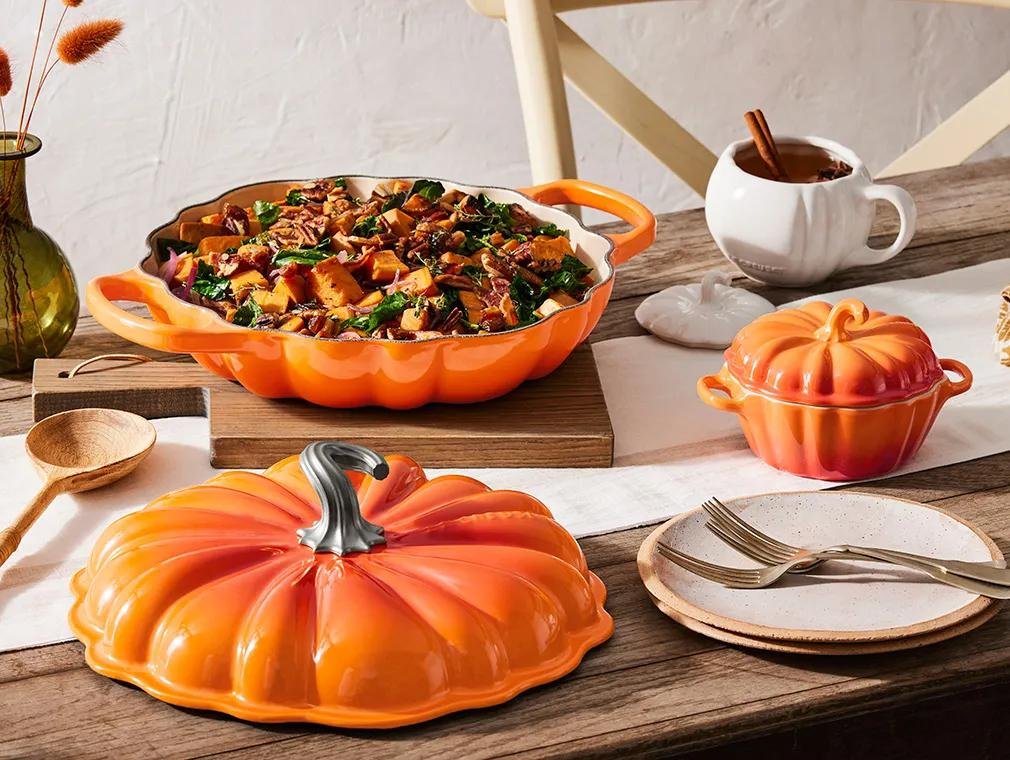
Choosing the right casserole dish can make all the difference in your cooking. Whether you’re baking a family favorite or trying a new recipe, the dish you use affects how your meal cooks and tastes.
You want something that fits your needs, lasts long, and makes your food look as good as it tastes. You’ll discover simple tips to pick the perfect casserole dish for your kitchen. Keep reading, and you’ll never have to worry about choosing the wrong dish again.
Types Of Casserole Dishes
Choosing the right casserole dish can improve your cooking and serving. Different materials affect heat distribution and durability.
Understanding the types of casserole dishes helps you pick one that fits your cooking style.
Glass Vs. Ceramic
Glass casserole dishes heat evenly and let you see the food while cooking. They are easy to clean and usually microwave safe.
Ceramic dishes keep heat well and give a nice presentation. They can be decorative and often go from oven to table.
Metal Vs. Cast Iron
Metal dishes heat up quickly and are great for browning. They are lightweight and often less expensive.
Cast iron holds heat longer and cooks food evenly. It is heavy but very durable and can go from stovetop to oven.
| Type | Heat Distribution | Weight | Care |
| Metal | Fast, uneven | Light | Easy |
| Cast Iron | Slow, even | Heavy | Needs seasoning |
Stoneware Options
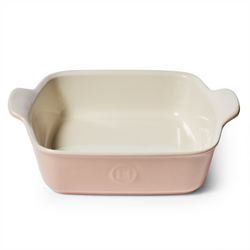
Stoneware dishes are thick and retain heat well. They cook food slowly and evenly.
- Good for baking and serving
- Usually dishwasher safe
- Can chip if dropped
- Comes in many colors and styles
Credit: www.surlatable.com
Size And Shape Considerations
Choosing the right casserole dish size and shape is important for cooking and serving. The dish should fit your recipe and oven space well.
Different sizes and shapes work better for certain meals. Think about what you cook most and how many people you serve.
Standard Sizes
Standard casserole dishes come in sizes from one quart to three quarts or more. Smaller dishes suit side dishes or small families.
Larger dishes hold more food and fit big family meals. A two to three-quart dish is common for casseroles.
- 1-quart: good for small servings or single dishes
- 2-quart: fits most recipes for small groups
- 3-quart or larger: best for big meals or gatherings
Specialty Shapes
Casserole dishes come in many shapes like round, oval, square, and rectangular. Shape affects cooking and presentation.
Round dishes cook food evenly and look nice on the table. Rectangular dishes fit more food and stack well in the oven.
- Round: good for soups and creamy casseroles
- Oval: stylish and holds large roasts or vegetables
- Square: fits well in ovens and stores easily
- Rectangular: great for layered dishes and lasagna
Serving Needs
Think about how many people you usually serve. A bigger dish works for large families or parties.
For few servings, pick a smaller dish to avoid wasting food and make cooking faster.
| Number of People | Recommended Dish Size |
|---|---|
| 1-2 | 1 to 1.5 quarts |
| 3-4 | 2 quarts |
| 5 or more | 3 quarts or larger |
Material Benefits And Drawbacks
Choosing the right casserole dish depends on the material it is made from. Each material offers unique benefits and some drawbacks.
Understanding heat retention, durability, and non-stick properties helps you pick the best dish for your cooking needs.
Heat Retention And Distribution
Some materials hold heat better and spread it evenly. This affects how your food cooks inside the dish.
- Ceramic:Holds heat well but heats slowly.
- Glass:Distributes heat evenly but cools fast.
- Cast Iron:Retains heat for long periods and spreads heat evenly.
- Aluminum:Heats quickly but may have hot spots.
Durability And Maintenance
Some casserole dishes last longer and need less care. Others may scratch or break easily.
| Material | Durability | Maintenance |
|---|---|---|
| Ceramic | Moderate; can chip or crack | Hand wash recommended |
| Glass | Fragile; breaks easily | Dishwasher safe but careful handling |
| Cast Iron | Very durable; lasts decades | Seasoning required to avoid rust |
| Aluminum | Moderate; can dent | Hand wash to maintain finish |
Non-stick Properties
Non-stick surfaces make cooking and cleaning easier. Some materials naturally resist sticking better than others.
- Ceramic:Often non-stick but can wear over time.
- Glass:Not non-stick; food may stick without oil.
- Cast Iron:Becomes non-stick with proper seasoning.
- Aluminum:Usually coated for non-stick but coatings may scratch.
Credit: www.lecreuset.com.au
Lids: Importance And Variations
The lid of a casserole dish plays a key role in cooking. It keeps heat and moisture inside. This helps food cook evenly and stay tender.
There are different lid types for casserole dishes. Each has its own benefits and uses. Understanding these can help you choose the right dish for your needs.
Glass Lids
Glass lids let you see the food while it cooks. This helps you check progress without lifting the lid. They usually fit snugly to keep moisture in.
These lids are easy to clean and safe for oven use. They add a modern look to your casserole dish.
Metal Lids
Metal lids are strong and durable. They often match the casserole’s material, like cast iron or stainless steel. Metal lids conduct heat well, helping cook food evenly.
- Hold heat tightly to lock in flavors
- Can be used on stovetops and ovens
- May be heavier than glass lids
- Usually dishwasher safe
Locking Mechanisms
Some casserole lids come with locking mechanisms. These help seal the dish tightly to prevent leaks and spills. Locks also keep the lid secure during transport.
| Type | Benefit | Best Use |
| Clip Locks | Easy to open and close | Travel and storage |
| Twist Locks | Tight seal with twist action | Oven cooking and transport |
| Latch Locks | Strong hold for heavy dishes | Outdoor cooking and camping |
Oven To Table Transition
Choosing the right casserole dish helps move food from oven to table easily. It makes serving meals simple and looks good on your dining table.
Consider the style, size, and material of the dish to fit your needs. This guide focuses on three key points for a smooth transition.
Aesthetic Appeal
A casserole dish should look nice when placed on the table. Color and shape add to the meal’s presentation. Choose dishes that match your table setting and style.
Tip:Bright colors or simple white dishes often make food look more inviting.
Serving Ease
Look for casserole dishes that are easy to handle and serve from. Handles or grips help when taking the dish out of the oven. The shape should allow easy cutting and scooping.
- Wide rims for a better grip
- Non-slip handles for safety
- Even surface for easy cutting
- Dish shape that fits common serving spoons
Space Considerations
Think about where you will store and serve the casserole dish. Size matters for kitchen cabinets and your dining table. Choose a dish that fits your space well.
| Dish Size | Kitchen Storage | Table Space |
| Small (up to 2 quarts) | Fits in most cabinets | Ideal for small tables |
| Medium (2-4 quarts) | Needs larger shelf space | Good for family meals |
| Large (4+ quarts) | Requires deep storage | Best for large gatherings |
Budget-friendly Options
Choosing the right casserole dish can save money without losing quality. It helps to find options that fit your budget and cooking needs.
This guide covers affordable brands, long-term investments, and value for money in casserole dishes.
Affordable Brands
Many brands offer good casserole dishes at low prices. These brands use durable materials and simple designs.
- Look for brands that sell ceramic or glass dishes.
- Check for dishwasher and oven safety.
- Choose sizes that fit your usual recipes.
- Read reviews to confirm quality.
Long-term Investments
Some casserole dishes cost more but last for years. These are good if you cook often or want a reliable dish.
| Material | Price Range | Durability | Care |
| Ceramic | $$ | High | Hand wash or dishwasher |
| Cast Iron | $$$ | Very High | Hand wash, dry well |
| Glass | $ | Medium | Dishwasher safe |
| Enamel | $$$ | High | Hand wash preferred |
Value For Money
Value means balancing price, durability, and features. A good casserole dish cooks food evenly and lasts long.
Tips to get the best value:
- Choose dishes with lids to keep food moist.
- Pick sizes that match your family needs.
- Look for non-stick or easy-clean surfaces.
- Compare prices online and in stores.
Care And Maintenance Tips
Choosing the right casserole dish is important for cooking and durability. Taking good care of your dish keeps it looking new and lasting longer.
Proper cleaning, storage, and repair help maintain your casserole dish. These tips make your cooking experience better and safer.
Cleaning Techniques
Clean your casserole dish gently to avoid damage. Use warm water and mild soap for daily cleaning.
For stuck-on food, soak the dish before washing. Avoid harsh scrubbers that can scratch the surface.
- Use soft sponges or cloths
- Avoid metal brushes or steel wool
- Rinse thoroughly to remove soap
- Dry with a soft towel to prevent water spots
Storage Solutions
Store your casserole dish in a dry place to avoid moisture damage. Make sure it is completely dry before storing.
Use padding or cloth between dishes if stacking to prevent scratches and chips.
- Keep dishes in a cool, dry cabinet
- Use shelf liners or soft cloths between stacked dishes
- Store lids separately if needed to avoid pressure
Repair And Replacement
Check your casserole dish regularly for cracks or chips. Small cracks can grow and cause breaks during cooking.
Replace dishes with serious damage to keep cooking safe. Some minor chips can be smoothed with fine sandpaper, but only if safe to use.
- Inspect dishes before each use
- Do not use dishes with large cracks or deep chips
- Replace damaged dishes promptly
Credit: www.lecreuset.com.au
Expert Recommendations
Choosing the right casserole dish helps you cook better meals. The right dish affects heat distribution and cooking time.
Experts say to consider size, material, and shape before buying. These factors impact how your food cooks and tastes.
Chef Favorites
Chefs often pick dishes that heat evenly and last long. Heavy materials like cast iron or stoneware are common favorites.
Oval or rectangular shapes work well for many recipes. Chefs also like dishes that can go from oven to table.
- Cast iron for heat retention
- Stoneware for even cooking
- Glass for easy checking of food
- Oven-safe handles for convenience
Popular Brands
Some brands are known for quality casserole dishes. They use durable materials and smart designs.
These brands offer a variety of sizes and styles. Many come with lids and easy-to-clean surfaces.
- Le Creuset – enameled cast iron dishes
- Pyrex – heat-resistant glass options
- CorningWare – versatile ceramic and glass
- Emile Henry – durable stoneware
User Reviews
Users often mention ease of cleaning and durability. Non-stick and dishwasher-safe dishes get high marks.
Many users prefer lightweight dishes for handling. Size matters too; most like medium sizes for family meals.
- Good heat distribution helps cook food evenly
- Lids that fit tightly keep moisture in
- Handles that stay cool are safer
- Non-porous surfaces prevent stains and odors
Frequently Asked Questions
What Materials Are Best For Casserole Dishes?
Ceramic, glass, and cast iron are top materials. Ceramic retains heat well and looks attractive. Glass allows you to monitor cooking. Cast iron offers excellent heat distribution and durability. Choose based on your cooking style and oven compatibility.
What Size Casserole Dish Should I Choose?
Choose a size based on your family or guest count. A 2 to 3-quart dish suits small families. Larger groups need 4 to 6 quarts. Ensure the dish fits comfortably in your oven and storage space.
Can Casserole Dishes Be Used On Stovetops?
Most casserole dishes are designed for oven use only. Avoid placing ceramic or glass dishes directly on stovetops. Cast iron dishes are safe on stovetops. Always check manufacturer guidelines before use to prevent damage.
How Do I Clean And Maintain Casserole Dishes?
Hand wash ceramic and glass dishes with mild detergent. Avoid harsh scrubbing to preserve surface finish. Cast iron requires seasoning to prevent rust. Proper cleaning extends your dish’s life and keeps it looking new.
Conclusion
Choosing the right casserole dish makes cooking easier and more fun. Pick one that fits your oven and suits your recipes well. Think about size, shape, and material before buying. A good dish helps food cook evenly and stay warm longer.
It also looks nice on your table. Keep your needs and budget in mind. Simple steps lead to better meals and happy guests. Your kitchen deserves the right tools for great cooking every time.