
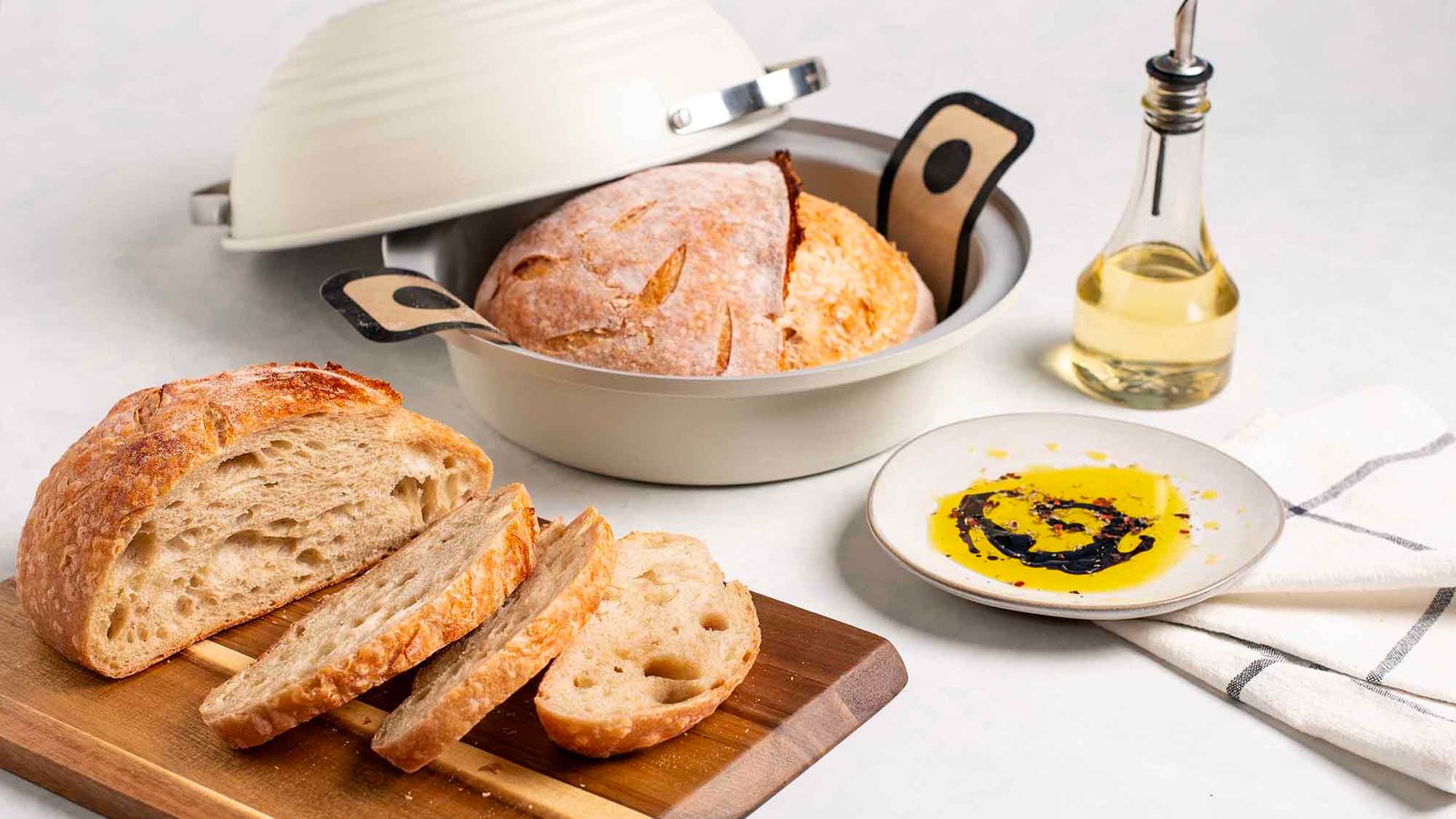
Choosing the right bakeware can make all the difference in how your bread turns out. If you want soft, evenly baked loaves with a perfect crust, you need to pick the best tools for the job.
But with so many options out there, it’s easy to feel overwhelmed. Don’t worry—this guide will help you understand exactly what to look for, so you can bake bread like a pro every time. Keep reading, and you’ll discover simple tips that will change the way you bake forever.
Credit: www.greenwashingindex.com
Types Of Bakeware
Choosing the right bakeware is important for baking bread. Different materials affect how bread cooks and tastes.
Knowing about common bakeware types helps you pick the best one for your bread baking needs.
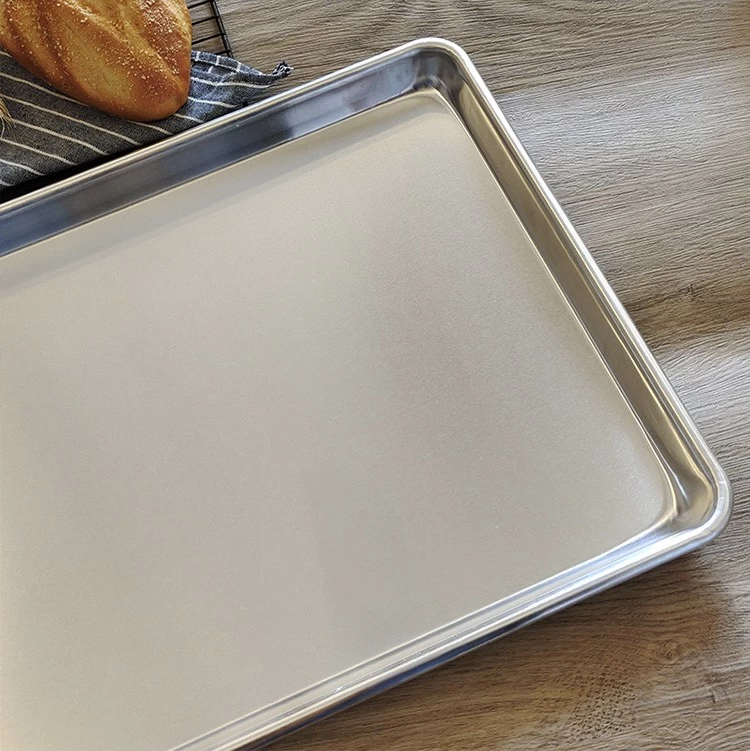
Metal Pans
Metal pans are popular for bread baking. They heat up quickly and give a nice crust to the bread.
They are usually made of aluminum or steel and come with non-stick coatings or plain surfaces.
- Heat spreads evenly for good baking
- Durable and long-lasting
- Can cause bread to brown fast
- Use parchment paper to prevent sticking
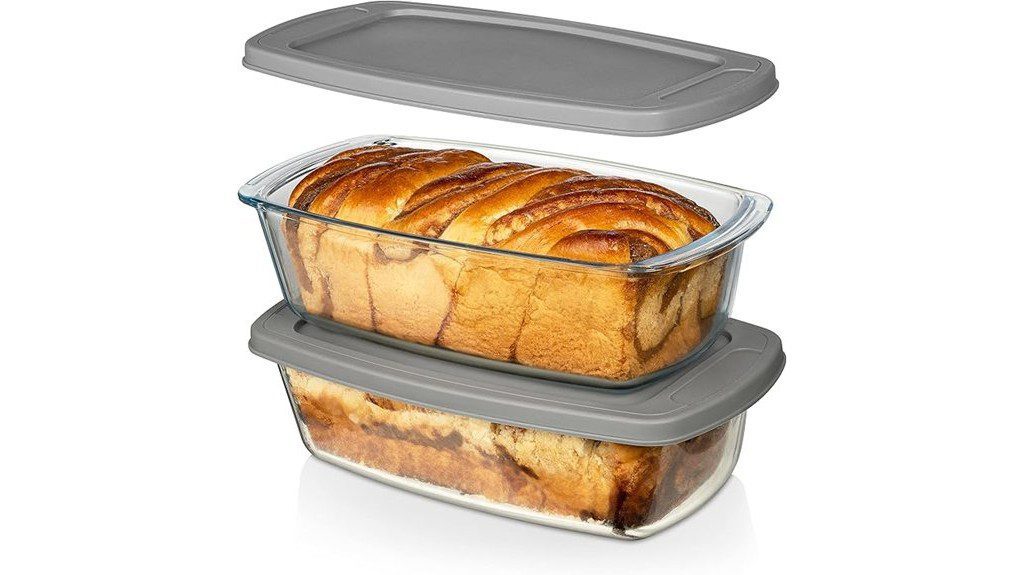
Glass Pans
Glass pans heat slower than metal but keep heat well. They help bread bake evenly inside.
Glass is non-reactive, so it won’t affect the bread’s flavor or color.
- Good for moist breads
- Easy to clean and see the bread
- May cause edges to brown more
- Handle with care to avoid breakage
Ceramic Pans
Ceramic pans look nice and hold heat well. They give a gentle, even bake for bread.
They are heavier and may take longer to heat up than metal pans.
- Good for slow, even baking
- Non-reactive and safe for all breads
- Can crack if heated too fast
- Easy to clean but heavy to handle
Silicone Molds
Silicone molds are flexible and non-stick. They make it easy to remove bread without damage.
They do not conduct heat well, so bread may bake slower or unevenly.
- Lightweight and easy to store
- Good for shaped or decorative breads
- May need longer baking times
- Not ideal for very crusty bread

Credit: www.nordicware.com
Shape And Size Considerations
Choosing the right shape and size of bakeware affects how your bread bakes. It also changes the bread’s look and texture. Knowing your options helps you pick the best bakeware for your bread type.
Different shapes and sizes suit different bread recipes. Some pans are better for tall loaves, others for round or small breads. Consider how much bread you want to bake each time.
Standard Loaf Pans
Standard loaf pans are the most common bakeware for bread. They usually measure about 8.5 x 4.5 inches or 9 x 5 inches. These pans give bread a classic rectangular shape.
They work well for sandwich bread, white bread, and other traditional recipes. The size is good for many ovens and fits most bread recipes easily.
Round And Oval Options
Round and oval pans create bread with a different look. They often make bread with a thick crust and a soft inside. These shapes work well for artisan and rustic breads.
Round pans hold the dough evenly. Oval pans give a longer shape but keep a soft crust. Both shapes are good if you want bread that looks homemade and unique.
Mini Loaf Pans
Mini loaf pans are small pans that bake tiny loaves. They usually measure about 5 x 3 inches. These pans are great for single servings or gifts.
Mini pans bake faster and are easy to store. They also let you try different bread recipes without making a big loaf. Use them for quick snacks or small bread batches.
Material Benefits
Choosing the right bakeware material helps you bake better bread. Different materials offer unique benefits.
Understanding these benefits will help you pick the best bakeware for your bread baking needs.
Heat Conductivity
Materials with good heat conductivity spread heat evenly. This helps your bread bake uniformly without hot spots.
Metal bakeware like aluminum and stainless steel has high heat conductivity. Ceramic and glass conduct heat more slowly.
- Aluminum heats quickly and evenly
- Stainless steel offers steady heat distribution
- Ceramic and glass heat gradually for gentle baking
Non-stick Properties
Non-stick surfaces prevent bread from sticking to the pan. This makes it easier to remove the bread after baking.
Some bakeware has a non-stick coating, while others need to be greased or lined with parchment paper.
- Non-stick coatings reduce the need for extra oils
- Cast iron can become non-stick when well-seasoned
- Glass and ceramic usually need greasing to prevent sticking
Durability
Durable bakeware lasts longer and handles frequent use well. Strong materials resist warping and damage.
Metal pans like cast iron and stainless steel are very durable. Glass and ceramic can chip or crack if handled roughly.
- Cast iron withstands high heat and lasts for years
- Stainless steel resists rust and warping
- Ceramic and glass need gentle handling but offer good durability
Credit: www.chinabakeware.com
Impact On Crust And Texture
The type of bakeware you use affects the bread’s crust and texture. Different materials change how heat moves through the dough.
Choosing the right bakeware helps you get the crust and softness you want in your bread.
Crust Formation
Bakeware material controls how heat reaches the bread surface. This changes crust colour and crispness.
Metal pans heat quickly and make a crunchy crust. Glass heats slowly and gives a softer crust.
- Cast iron holds heat well for a thick crust
- Aluminum heats evenly for a golden crust
- Ceramic keeps heat steady, creating a mild crust
Moisture Retention
Bakeware also affects how much moisture stays in the bread. This changes the texture inside.
Non-stick pans may dry bread faster. Covered or heavy pans keep moisture longer for soft bread.
- Glass traps steam well, keeping bread moist
- Cast iron can hold moisture, making bread soft
- Thin metal pans let moisture escape, creating a drier crumb
Specialty Bakeware Features
Choosing the right bakeware can improve your bread baking results. Specialty bakeware offers unique features to help your bread cook evenly and look great.
These features focus on heat distribution, moisture control, and size adjustments. Understanding them helps you pick the best tools for your needs.
Perforated Pans
Perforated pans have small holes in the bottom or sides. These holes allow hot air to circulate around the bread for a crisp crust.
They are great for baking baguettes and artisan-style loaves. The holes help moisture escape, creating a crunchier outside.
- Improves crust texture
- Promotes even baking
- Prevents soggy bottoms
- Best for crusty bread types
Lid Options
Bakeware with lids traps steam inside while baking. This helps the bread rise well and keeps the crust soft at first.
Removing the lid near the end lets the crust brown and become crispy. Lidded pans mimic professional bread ovens.
- Retains moisture for better rise
- Produces soft crusts initially
- Removable lids for browning
- Good for artisan and sourdough breads
Adjustable Pans
Adjustable pans change size to fit different dough amounts. This flexibility saves space and lets you bake various loaf sizes.
You can widen or narrow the pan easily. This feature is helpful if you bake often or want to try new bread shapes.
- Fits multiple loaf sizes
- Saves storage space
- Easy to adjust and clean
- Perfect for home bakers
Care And Maintenance
Proper care keeps your bakeware in good shape for a long time. Clean and store it right to avoid damage and rust.
Good maintenance also helps your bread bake evenly and taste better. Follow simple steps to care for your bakeware.
Cleaning Techniques
Wash your bakeware carefully after each use. Avoid harsh cleaners that can scratch or damage surfaces.
- Use warm soapy water and a soft sponge.
- Do not use steel wool or abrasive pads.
- For stuck-on food, soak the bakeware before cleaning.
- Dry it completely to prevent rust.
- Avoid the dishwasher if the bakeware has non-stick coating.
Storage Tips
Store your bakeware in a dry place to keep it safe. Stack carefully to avoid scratches or dents.
| Storage Method | Benefit |
| Use padded separators | Prevents scratching |
| Keep in a dry cabinet | Stops rust and mold |
| Store lids separately | Protects shape and fit |
| Hang larger pans | Saves space and avoids damage |
Budget-friendly Choices
Choosing the right bakeware for bread does not need to be expensive. You can find good options that fit your budget. This guide helps you select bakeware that saves money and lasts long.
Focus on affordable materials and wise investments. These choices help you bake great bread without overspending.
Affordable Options
Look for bakeware made from materials that cost less but work well. Aluminum and steel pans often offer good results at a low price. These pans heat quickly and bake bread evenly.
- Aluminum pans: Light, affordable, and conduct heat well.
- Steel pans: Durable, affordable, and resist warping.
- Silicone molds: Flexible and budget-friendly for small loaves.
- Ceramic pans: Sometimes found at low prices and provide even heat.
Long-term Investment
Spending a bit more on quality bakeware can save money over time. Durable materials last longer and give better baking results. Cast iron and heavy-duty steel are good examples.
| Material | Price Range | Durability | Heat Conductivity |
| Cast Iron | $$$ | Very High | Excellent |
| Heavy-Duty Steel | $$ | High | Good |
| Aluminum | $ | Medium | Very Good |
| Silicone | $ | Low | Poor |
Environmental Impact
Choosing the right bakeware affects the environment. Some materials have less impact than others. It is important to know which options help reduce waste and pollution.
Thinking about sustainability helps you make smarter choices. This guide explains how to select bakeware with the environment in mind.
Sustainable Materials
Sustainable bakeware materials use fewer resources and last longer. They often come from natural or recycled sources. Choosing them reduces harm to the planet.
- Ceramic: Made from natural clay and minerals. It is durable and non-toxic.
- Cast iron: Lasts for decades and can be recycled. It requires less energy to produce over time.
- Silicone: Flexible and lightweight. It uses less energy to manufacture than metal.
- Recycled aluminum: Uses scrap metal to create new bakeware. Saves mining resources.
Recyclability
Recyclability is key to reducing waste from old bakeware. Some materials can easily enter recycling streams while others cannot.
| Material | Recyclable | Notes |
|---|---|---|
| Aluminum | Yes | Widely accepted in recycling programs. |
| Cast Iron | Yes | Heavy but recyclable as scrap metal. |
| Ceramic | No | Usually not accepted by recyclers. |
| Silicone | No | Needs special recycling centers. |
Frequently Asked Questions
What Materials Are Best For Bread Bakeware?
Metal pans, especially aluminum and steel, conduct heat evenly. Ceramic and glass retain heat well but bake slower. Choose based on your bread type and baking style.
How Does Bakeware Size Affect Bread Baking?
The size impacts bread shape and baking time. Smaller pans yield taller loaves; larger pans produce wider, flatter bread. Always match pan size to your recipe for best results.
Can Non-stick Bakeware Improve Bread Baking?
Non-stick pans prevent sticking and ease cleanup. However, they may brown bread less and wear out faster. Use them carefully to maintain crust quality.
Is It Better To Use Glass Or Metal Bakeware For Bread?
Metal heats faster and produces a crisp crust. Glass heats slowly, ensuring even baking but softer crusts. Choose based on your crust preference and baking needs.
Conclusion
Choosing the right bakeware makes baking bread easier and more fun. Think about material, size, and shape to fit your needs. Good bakeware helps bread cook evenly and taste better. It lasts longer and cleans up quickly. Pick pieces that feel comfortable and suit your kitchen.
Baking bread can become a simple, enjoyable task with the right tools. Start small, learn what works best for you. Enjoy fresh, homemade bread every time you bake.