
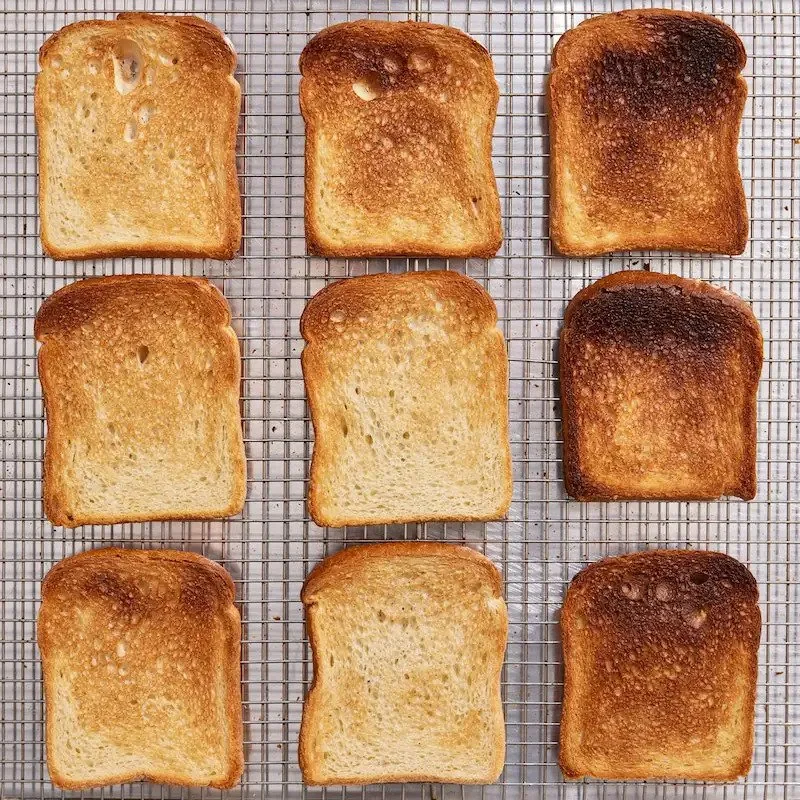
Are you tired of unevenly baked cookies or burnt edges on your favorite treats? Using baking sheets the right way can make all the difference in your kitchen.
When you learn how to use your baking sheets evenly, you’ll get perfectly cooked results every time. This simple change can save you time, reduce waste, and make your baking much more enjoyable. Keep reading to discover easy tips that will help you bake like a pro and impress everyone with your delicious creations.
Your baking game is about to get a serious upgrade!
Credit: www.carawayhome.com
Choosing The Right Baking Sheet
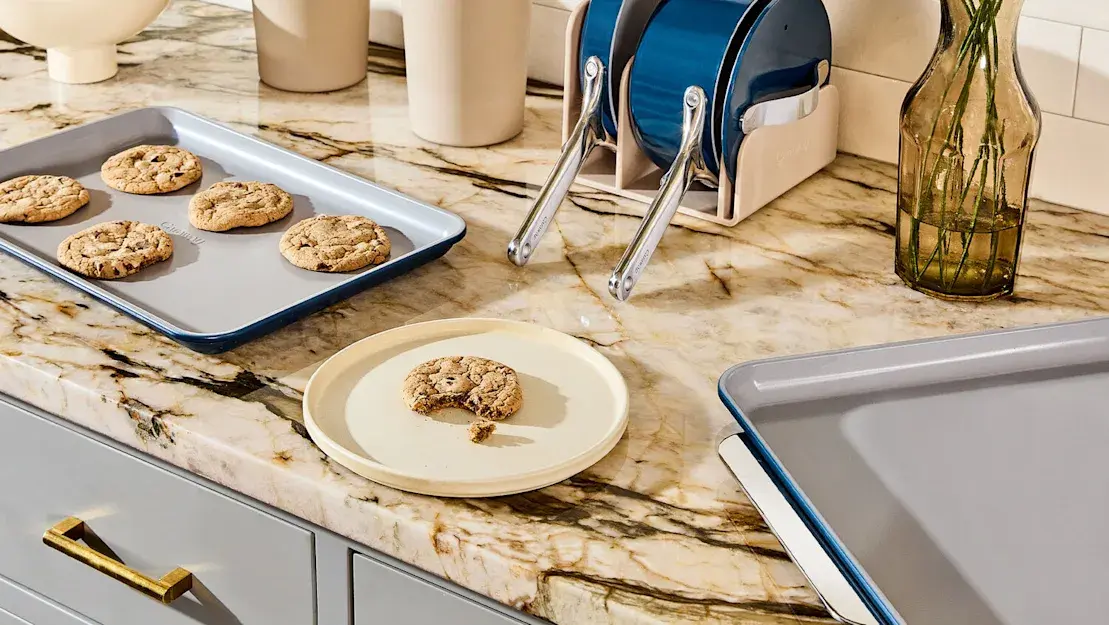
Picking the right baking sheet helps your food cook evenly. It also makes baking easier and better.
Think about material, size, shape, and coating before buying a baking sheet.
Material Considerations
Baking sheets come in different materials. Each material changes how heat spreads and food cooks.
Aluminum sheets heat quickly and evenly. Stainless steel lasts long but heats slower. Copper is great for heat, but it costs more.
- Aluminum: fast heat, lightweight, affordable
- Stainless Steel: durable, slower heat, resists rust
- Copper: excellent heat control, expensive
- Carbon Steel: strong, heats fast, needs care
Size And Shape Options
Choose a size that fits your oven and cooking needs. Small sheets are good for snacks. Large sheets handle big meals.
Shape affects how you arrange food. Rectangular sheets hold more food. Round sheets work for cookies and small treats.
- Half-sheet pans: common size for many ovens
- Quarter-sheet pans: good for small batches
- Jelly roll pans: shallow with edges, great for roasting
- Round pans: used for cookies or pastries
Non-stick Vs. Traditional
Non-stick baking sheets stop food from sticking. They need less oil or butter. Traditional sheets may need lining or greasing.
Non-stick pans are easy to clean but may wear out faster. Traditional sheets last longer but can be harder to clean.
- Non-stick: easy release, simple cleanup, less oil
- Traditional: durable, may need parchment or grease
- Consider your cooking style and cleaning preference
Credit: www.carawayhome.com
Preparing Your Baking Sheet
Using your baking sheet the right way helps food cook evenly. It also stops food from sticking. Getting ready is simple if you follow some easy tips.
Proper preparation keeps your baking sheet in good shape. It also makes cleanup easier after baking.
Proper Greasing Techniques
Greasing your baking sheet creates a nonstick surface. This helps your food cook without sticking or burning.
- Use a small amount of butter or oil.
- Spread it evenly with a paper towel or brush.
- Grease the edges as well as the center.
- Avoid using too much to prevent smoke or grease fires.
- Use nonstick spray for quick and easy greasing.
Using Parchment Paper
Parchment paper stops food from sticking and helps with even baking. It also makes cleaning faster and easier.
| Benefit | Explanation |
| Nonstick Surface | Prevents food from sticking without greasing. |
| Easy Cleanup | Simply lift paper off and toss it away. |
| Even Cooking | Distributes heat well across the sheet. |
| Reusable | Can be used more than once if clean. |
Preheating Essentials
Preheating your oven and baking sheet ensures your food cooks evenly. It also helps food get the right texture and color.
- Place the baking sheet in the cold oven.
- Turn the oven on to the needed temperature.
- Wait at least 10 minutes for the sheet to heat fully.
- Use oven mitts to handle the hot sheet carefully.
- Place food on the hot sheet for best results.
Arranging Food For Even Cooking
Using a baking sheet correctly helps food cook evenly. How you place the food affects cooking time and texture.
Good arrangement lets hot air flow around the food. This stops some pieces from burning while others stay raw.
Spacing Items Correctly
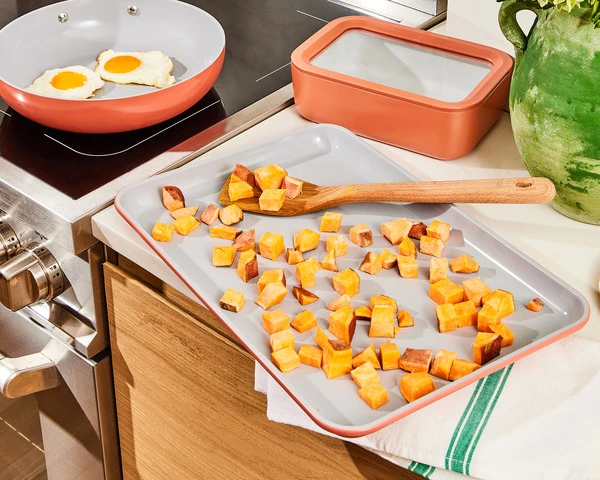
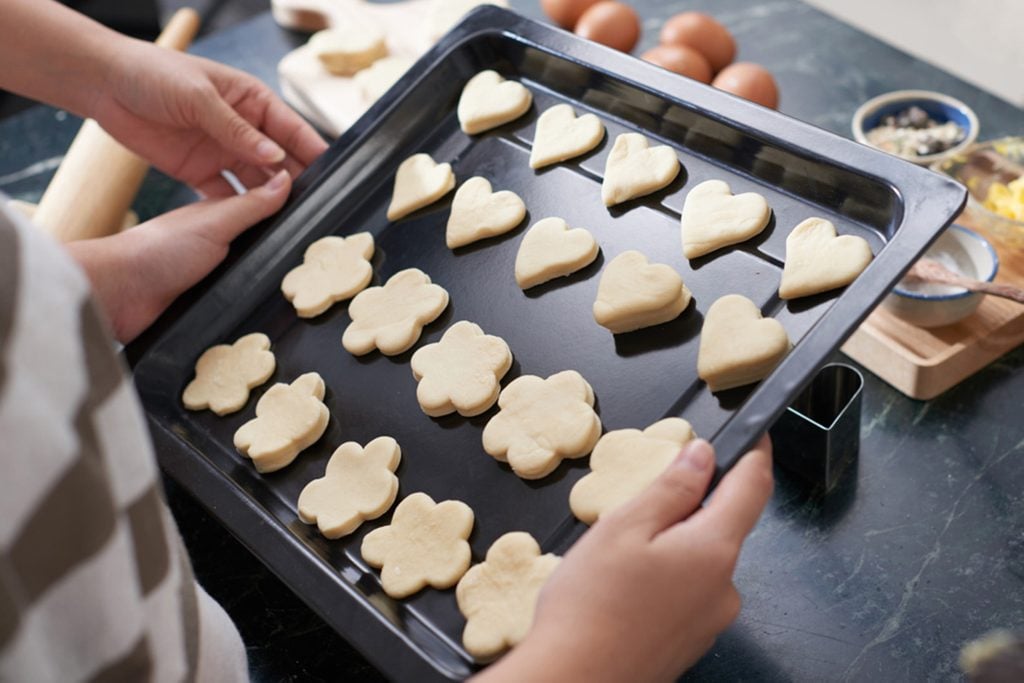
Leave space between each food piece on the baking sheet. Crowding traps steam and makes food soggy.
Keep about 1 to 2 inches of space around items. This helps heat reach all sides for crisp, even cooking.
- Place items in a single layer
- Do not overlap food pieces
- Use multiple baking sheets if needed
- Arrange smaller pieces with larger ones carefully
Layering Techniques
Avoid stacking food on top of each other. Layers block heat and cause uneven cooking.
For foods that need layering, use racks above the baking sheet. This lifts food and allows air to circulate.
- Use wire racks for roasting vegetables or meats
- Keep heavier items on the bottom layer
- Place lighter or delicate foods on top layers
- Check food often to turn or rearrange layers
Balancing Different Foods
Cook similar foods together for even baking times. Different foods need different heat and times.
Put faster cooking items on one sheet. Place slower cooking foods on another sheet or part of the oven.
- Group foods by size and cooking time
- Place thicker items near the oven’s hottest areas
- Use separate trays for very different foods
- Rotate sheets halfway through cooking
Oven Positioning And Temperature
Using baking sheets evenly needs good oven positioning and temperature control. Proper placement helps food cook well on all sides.
Adjusting temperature and rack height can avoid uneven cooking and burnt edges. This guide covers useful tips.
Rack Placement Tips
Place baking sheets in the middle rack for even heat. This spot gets steady air flow and heat distribution.
- Use the center rack for most baking tasks.
- Move racks lower for browning the bottom.
- Use upper racks to brown the top quickly.
- Keep space between sheets for air circulation.
Managing Hot Spots
Ovens often have hot spots that cook unevenly. Watch for areas that burn or undercook your food.
| Hot Spot Issue | How to Manage |
|---|---|
| Food burns on one side | Rotate the baking sheet halfway through cooking |
| Uneven browning | Use an oven thermometer to check temperature |
| Some cookies cook faster | Swap positions of trays during baking |
Adjusting For Altitude
Higher altitudes change how heat works in your oven. You may need to change temperature and time.
- Increase oven temperature by 15-25°F for better browning.
- Reduce baking time slightly to prevent drying out.
- Use lighter pans to improve heat flow.
- Add extra liquid to recipes to keep moisture.
Cleaning And Maintenance
Keeping baking sheets clean helps them last longer and work better. Proper care stops damage and keeps food safe.
Simple cleaning and good storage prevent common problems like warping and rust. This guide shows easy ways to care for baking sheets.
Avoiding Warping
Warping happens when baking sheets get too hot or cool too fast. This changes their shape and makes cooking uneven.
To avoid warping, do not put hot sheets on cold surfaces. Let them cool down on a heat-resistant mat or rack.
- Do not use very high oven temperatures beyond the sheet’s limit
- Let sheets cool naturally before washing
- Avoid sudden temperature changes, like rinsing hot sheets with cold water
Safe Cleaning Methods
Use gentle cleaning to keep baking sheets safe and shiny. Avoid harsh scrubbing or strong chemicals that can damage the surface.
Wash sheets by hand with warm water and mild dish soap. Use soft sponges or cloths to clean stuck food.
- Do not use steel wool or abrasive pads
- For tough stains, soak sheets in warm soapy water before washing
- Dry sheets completely to stop rust from forming
- Check manufacturer instructions for dishwasher use
Storing For Longevity
Store baking sheets in a dry place to prevent rust and dents. Keep them flat or upright to avoid bending.
Place a soft cloth or paper towel between sheets if you stack them. This stops scratches on the surface.
- Store in a cupboard or drawer away from moisture
- Keep sheets separate or cushioned when stacked
- Do not place heavy items on top of baking sheets
Credit: www.tasteofhome.com
Common Mistakes To Avoid
Using baking sheets evenly can help your food cook better. Small mistakes can cause uneven cooking and burnt spots.
Knowing what to avoid will save you time and improve your baking results.
Overcrowding Issues
Putting too much food on a baking sheet blocks hot air. This stops heat from reaching all parts of the food.
Overcrowding leads to uneven cooking and soggy spots. Food needs space to cook properly and get crispy edges.
- Leave space between pieces of food
- Use multiple baking sheets if needed
- Avoid stacking food on top of each other
Ignoring Preheat Times
Not preheating your oven or baking sheet causes slow and uneven cooking. The food may cook on one side more than the other.
Preheat the oven fully before putting in the baking sheet. This gives a steady heat for even cooking.
- Wait until the oven reaches the set temperature
- Preheat the baking sheet if the recipe says so
- Use an oven thermometer to check accuracy
Using Damaged Sheets
Old or warped baking sheets cause heat to spread unevenly. This leads to hot spots and burned food.
Inspect your baking sheets for dents, warps, or scratches. Replace damaged sheets to cook evenly.
- Check for warping by placing the sheet on a flat surface
- Avoid using sheets with deep scratches or peeling coating
- Use heavy-duty sheets for better heat distribution
Expert Tips For Advanced Baking
Using baking sheets properly can improve your baking results. Advanced techniques help bake items evenly and prevent burning.
This guide covers rotating sheets, convection settings, and baking stones to boost your baking skills.
Rotating Sheets Mid-bake
Ovens often have hot spots that cause uneven baking. Rotating your baking sheets helps balance the heat.
- Halfway through baking, open the oven carefully.
- Turn each sheet 180 degrees to face the other side.
- If using multiple racks, swap sheet positions from top to bottom.
- Close the oven gently to keep the temperature steady.
Using Convection Settings
Convection ovens use fans to circulate hot air. This speeds up baking and gives even browning.
| Tip | Effect |
|---|---|
| Reduce temperature by 25°F (15°C) | Prevents overbaking and drying |
| Use lower rack positions | Stops top browning too fast |
| Check food early | Avoids burning due to faster cooking |
| Use shallow pans | Improves air circulation around food |
Incorporating Baking Stones
Baking stones absorb and hold heat well. They give a crisp crust and even cooking.
- Preheat the stone in the oven for at least 30 minutes before baking.
- Place the baking sheet or dough directly on the hot stone for better heat transfer.
- Be careful when handling hot stones; use oven mitts.
- Clean stones by scraping off crumbs; avoid using soap or water.
Frequently Asked Questions
How Do I Prevent Uneven Baking On Sheets?
Rotate the baking sheet halfway through baking. This ensures even heat exposure. Also, avoid overcrowding for better air circulation.
What Material Is Best For Even Heat Distribution?
Aluminum baking sheets are ideal. They conduct heat evenly, preventing hot spots. Avoid dark or non-stick pans for uniform baking.
Can I Use Parchment Paper For Even Baking?
Yes, parchment paper promotes even cooking. It prevents sticking and distributes heat gently. It also makes cleanup easier.
How Important Is Oven Rack Placement?
Place baking sheets in the center rack. This position offers the most consistent heat. Avoid placing sheets too close to heating elements.
Conclusion
Using baking sheets evenly helps your food cook better each time. Place items with space between them for good air flow. Rotate the sheet halfway through baking to avoid hot spots. Keep the oven rack in the center for even heat.
Clean your baking sheets regularly to stop sticking and burning. These simple steps make baking easier and tastier. Try these tips for better results in your kitchen. Cooking with care brings better meals and less stress. Small changes can make a big difference in baking success.