
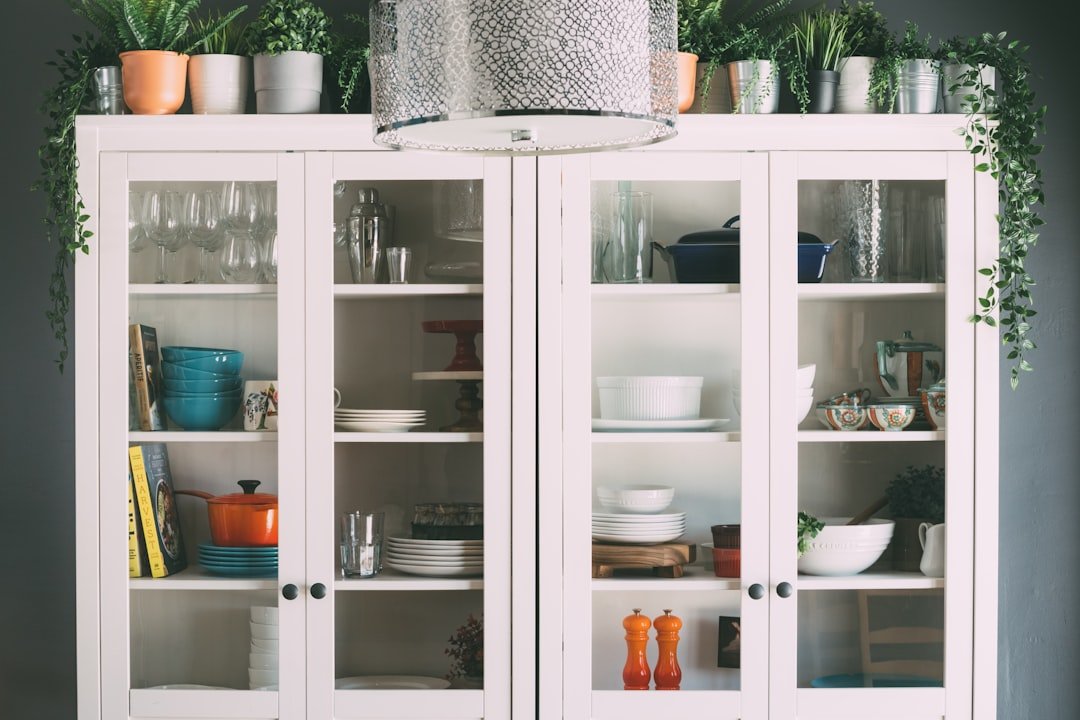
Are your pantry shelves looking dusty or sticky? Cleaning them thoroughly doesn’t have to mean using harsh chemicals that might leave behind unwanted residues.
Imagine a fresh, spotless pantry where every shelf is naturally clean and safe for your food. You’ll discover simple, natural methods to deep clean your pantry shelves quickly and effectively. By the end, you’ll have the confidence to keep your pantry fresh and healthy without any worries.
Ready to transform your pantry with easy, natural cleaning tips? Let’s get started!
Credit: sustainableslowliving.com
Preparation Steps
Cleaning pantry shelves naturally takes some prep. You need to get ready before you start.
Good preparation helps you clean faster and better without chemicals.
Gather Natural Cleaning Supplies
Collect natural items that clean well and are safe. These supplies remove dirt and odors gently.
- White vinegar – kills germs and removes stains
- Baking soda – scrubs and deodorizes surfaces
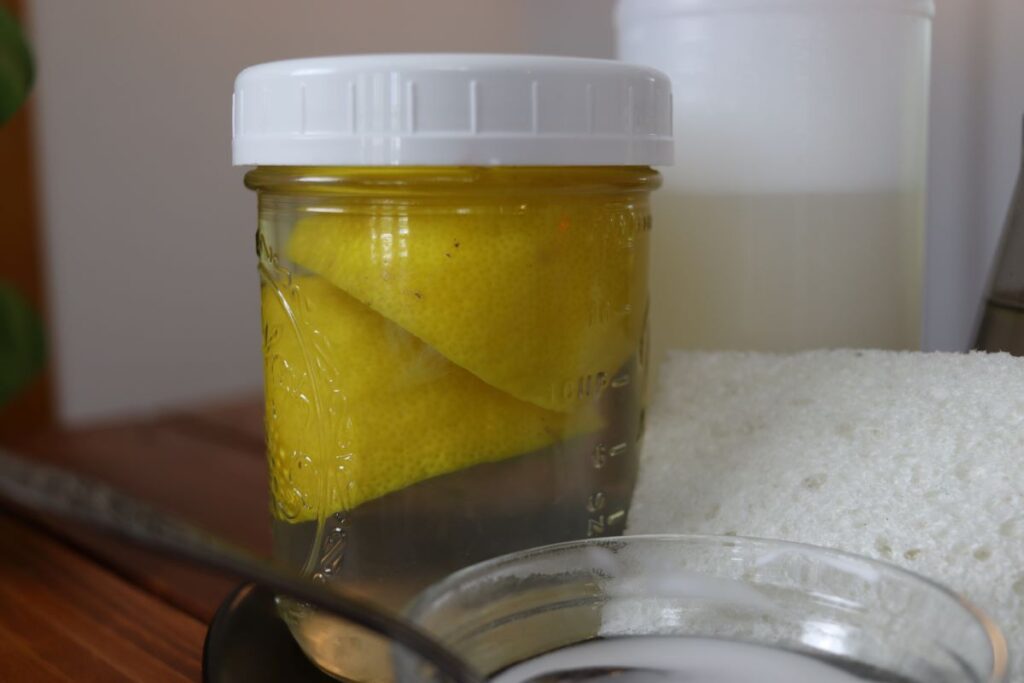
- Lemon juice – freshens and breaks down grease
- Warm water – helps mix and rinse cleaners
- Clean cloths or sponges – apply and wipe cleaners
- Essential oils (optional) – add fresh scent
Organize Cleaning Tools
Arrange your cleaning tools in one place. This saves time and keeps you focused.
Make sure cloths are clean and sponges are ready to use. Have a bucket or bowl for mixing solutions.
- Separate cloths for scrubbing and drying
- Sponges with soft and rough sides
- Spray bottle for vinegar or lemon mix
- Bucket or bowl for warm water
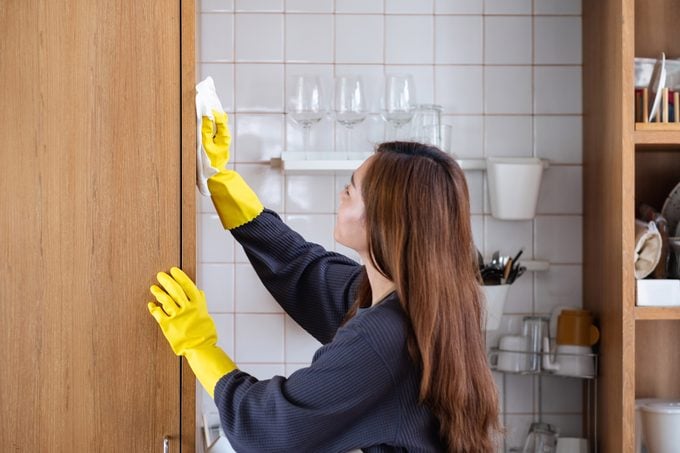
- Gloves to protect your hands (optional)
Emptying The Pantry
Cleaning your pantry starts with emptying all the items inside. This step helps you see everything clearly and clean the shelves well.
Taking everything out also allows you to check for expired or unwanted products before putting items back.
Remove All Items
Take out every item from the shelves and place them on a clean surface. This includes canned goods, jars, boxes, and bags.
- Work from top to bottom to avoid missing any spots.
- Group similar items together to make sorting easier.
- Wipe each shelf after it is empty to remove crumbs and dust.
Sort And Discard Expired Goods
Check the expiration dates on all products. Separate expired or damaged items from the rest.
| Item | Expiration Date | Action |
| Canned Beans | 03/2023 | Discard |
| Rice | 12/2024 | Keep |
| Olive Oil | 05/2023 | Discard |
| Pasta | 11/2024 | Keep |
Natural Cleaning Solutions
Cleaning pantry shelves naturally keeps your kitchen fresh and safe. Using simple ingredients helps avoid harsh chemicals.
Two popular natural cleaning methods use vinegar and baking soda. Both are effective and easy to prepare at home.
Vinegar And Water Mixture
Mix equal parts of white vinegar and water in a spray bottle. This solution cleans and disinfects your pantry shelves well.
- Remove all items from the shelves.
- Spray the vinegar mixture evenly on the shelves.
- Let it sit for 5 minutes to break down dirt.
- Wipe with a clean cloth or sponge.
- Allow shelves to air dry before replacing items.
Baking Soda Paste
Make a paste by mixing baking soda with a small amount of water. This paste helps remove tough stains and odors.
| Ingredient | Amount |
| Baking soda | 3 tablespoons |
| Water | 1 tablespoon |
Apply the paste on dirty spots and scrub gently with a sponge. Rinse with water and dry the shelves well.
Cleaning Shelves
Cleaning pantry shelves helps keep food fresh and your kitchen tidy. Natural cleaning methods work well and are safe.
Using simple ingredients like vinegar and baking soda removes dirt and odors. Let’s explore how to clean shelves naturally.
Wiping With Vinegar Solution
Mix equal parts of white vinegar and water in a spray bottle. Vinegar kills germs and cuts through grease.
- Remove all items from the shelves.
- Spray the vinegar solution onto the shelf surface.
- Use a clean cloth to wipe down the shelves.
- Let the shelves air dry before placing items back.
Scrubbing With Baking Soda
Baking soda is a gentle scrubber that removes stains and smells. Use it with water to make a paste.
| Item | How to Use |
| Baking Soda | Mix with water to form a thick paste. |
| Soft Brush or Sponge | Use to scrub the shelves gently. |
| Clean Cloth | Wipe away residue after scrubbing. |
Apply the paste to shelves and scrub gently. Rinse with a damp cloth and dry well.
Addressing Tough Stains
Cleaning pantry shelves can be tricky when stains do not come off easily. Some stains need natural and strong cleaning ingredients.
Using natural products helps keep your pantry fresh without harsh chemicals. These simple items can tackle tough spots effectively.
Lemon Juice For Stain Removal
Lemon juice works well to remove stains because it is acidic. It breaks down grime and lifts marks from the shelf surface.
Apply fresh lemon juice to the stain and let it sit for a few minutes. Then scrub gently with a soft cloth or sponge.
- Use half a lemon or lemon juice from a bottle
- Let it sit on the stain for 5 to 10 minutes
- Scrub carefully to avoid scratching the shelves
- Rinse with warm water and dry with a cloth
Salt And Vinegar For Stubborn Spots
Salt and vinegar create a natural scrub to remove tough stains. Vinegar dissolves dirt while salt acts as a gentle abrasive.
Mix equal parts salt and vinegar to make a paste. Apply the paste to the stain and scrub lightly with a cloth or sponge.
- Use white vinegar for the best effect
- Mix salt and vinegar until paste forms
- Spread paste on the stain and let it sit 10 minutes
- Gently scrub and rinse with water
- Dry shelves well after cleaning
Drying And Airing
Cleaning pantry shelves naturally means drying and airing them well.
Proper drying stops moisture and prevents mold or smells.
Using A Dry Cloth
After wiping shelves with natural cleaners, use a dry cloth to remove leftover moisture.
- Choose a clean, dry cotton cloth.
- Wipe all shelf surfaces carefully.
- Pay extra attention to corners and edges.
- Repeat if the cloth feels damp.
Allowing Air Circulation
Let shelves air out completely to remove moisture and odors.
| Method | Benefits |
|---|---|
| Open pantry doors | Improves airflow and speeds drying |
| Use a small fan | Keeps air moving in tight spaces |
| Place shelves near windows | Uses natural breeze and sunlight |
Reorganizing The Pantry
Cleaning pantry shelves is a great chance to reorganize. A tidy pantry makes it easier to find items.
Organizing your pantry helps reduce food waste and keeps everything fresh. It saves time during cooking.
Categorize Pantry Items
Group similar pantry items together. This makes it simple to locate what you need fast.
Sort items by type like grains, canned goods, snacks, and spices. Keep frequently used items at eye level.
- Grains and pasta
- Canned vegetables and beans
- Baking supplies
- Snacks and cereals
- Spices and herbs
Implement Storage Solutions
Use containers and baskets to keep items neat. Clear containers show what is inside and reduce spills.
Label containers to find ingredients quickly. Use shelf risers to maximize space and stack items safely.
- Clear airtight containers for dry goods
- Baskets for loose packages
- Shelf risers for stacking cans
- Lazy Susans for spices and small jars
- Labels for easy identification
Credit: www.rd.com
Maintenance Tips
Keeping pantry shelves clean helps protect your food and home. Regular care stops dirt and pests from building up.
Use natural ways to maintain your pantry shelves. This keeps your space safe and healthy for your family.
Regular Inspection
Check pantry shelves often for crumbs, spills, or signs of damage. Early spotting helps avoid big problems.
- Look for sticky spots or stains on shelves.
- Check containers for leaks or cracks.
- Make sure shelves are sturdy and not sagging.
- Inspect corners and edges for mold or mildew.
- Note any strange smells or signs of pests.
Natural Pest Prevention
Keep pests away by using simple natural methods. These protect your food without harsh chemicals.
| Natural Pest Prevention Method | How to Use |
|---|---|
| Dried Bay Leaves | Place leaves inside jars or on shelves to repel bugs. |
| White Vinegar | Wipe shelves with a vinegar-water mix to clean and deter pests. |
| Cinnamon Sticks | Put sticks in corners to keep ants away. |
| Essential Oils | Use a few drops of peppermint or eucalyptus oil on cotton balls near food. |
| Baking Soda | Sprinkle in cracks to absorb moisture and discourage insects. |
Credit: www.thekitchn.com
Frequently Asked Questions
How Do I Clean Pantry Shelves Naturally?
Use a mixture of warm water and white vinegar. Wipe shelves with a cloth dipped in this solution. Vinegar kills bacteria and removes stains without chemicals. Let shelves air dry before restocking food items.
What Natural Ingredients Remove Pantry Odors Effectively?
Baking soda, activated charcoal, and coffee grounds absorb odors naturally. Place open containers of these in your pantry. Replace them every few weeks to keep smells fresh and neutralized.
Can Essential Oils Help Clean Pantry Shelves?
Yes, essential oils like tea tree or lemon have antibacterial properties. Add a few drops to your cleaning solution for a fresh scent. They also help disinfect shelves naturally without harsh chemicals.
How Often Should I Clean Pantry Shelves Naturally?
Clean pantry shelves every three to six months for best hygiene. Wipe down surfaces and remove expired items during each cleaning. Regular natural cleaning helps prevent pests and keeps food safe.
Conclusion
Cleaning pantry shelves naturally keeps your kitchen fresh and safe. Use simple ingredients like vinegar and baking soda for best results. Regular cleaning stops pests and removes spills easily. It saves money and avoids harsh chemicals. A clean pantry helps you find food fast and stay organized.
Try these easy steps today for a healthier home. Your pantry will thank you!