
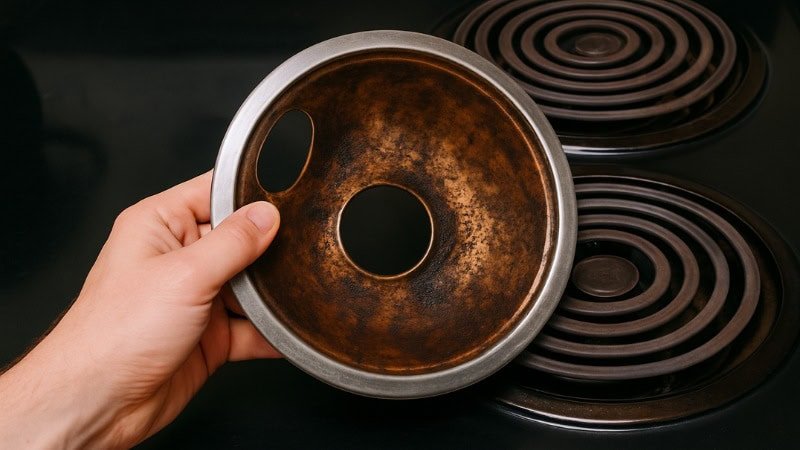
Your stove drip pans can quickly become a messy, greasy eyesore. But cleaning them doesn’t have to be a frustrating chore.
Imagine how much better your kitchen looks and smells when those pans shine like new. You’ll discover simple, effective ways to get your drip pans spotless without harsh scrubbing or expensive products. Ready to make your stove look brand new again?
Keep reading, and you’ll learn the secrets to easy, stress-free cleaning that anyone can do.

Credit: www.aol.com
Supplies Needed
Cleaning stove drip pans is easier with the right supplies. Getting them ready helps you remove grease and stains quickly.
This guide lists the basic items you need to make your drip pans look clean and fresh again.
Cleaning Agents
Choose cleaning agents that can break down tough grease. Some work better for heavy stains on drip pans.
- Baking soda
- White vinegar
- Dish soap
- Commercial degreaser (optional)
Tools And Materials
You need some tools to scrub and soak the pans without scratching them.
| Tool | Purpose |
| Soft scrub brush | Remove stuck-on food without damage |
| Old toothbrush | Clean tight corners |
| Non-abrasive sponge | Gentle scrubbing |
| Plastic container or sink | Soaking drip pans |
Safety Gear
Protect your hands and eyes from harsh cleaners. Safety is important during cleaning.
- Rubber gloves
- Safety goggles (optional)
Pre-cleaning Steps
Cleaning stove drip pans starts with simple preparation. Good preparation saves time and effort.
Follow these steps before you clean the drip pans. This helps you get better results.
Remove Drip Pans
Turn off the stove and let it cool completely. Then gently lift each burner grate.
Lift the drip pans out carefully. Avoid bending or damaging them during removal.
- Make sure the stove is cool to touch
- Lift burner grates off the stove
- Remove drip pans without forcing them
Assess The Condition
Look over each drip pan for stains and damage. Check for rust, grease, or burnt spots.
Decide if a drip pan needs extra scrubbing or if it should be replaced. This helps you plan cleaning better.
- Check for heavy grease buildup
- Look for rust or holes
- Note any burnt or stuck-on food
- Decide if cleaning or replacing is best
Cleaning Solutions
Stove drip pans catch spills and stains. Cleaning them keeps your stove neat and safe. Different cleaning solutions work well for this task.
Here are three common methods to clean stove drip pans easily at home.
Using Baking Soda And Vinegar
Baking soda and vinegar create a natural cleaning solution. They help break down grease and burnt food on drip pans.
- Sprinkle baking soda generously over the drip pan.
- Spray or pour white vinegar over the baking soda.
- Wait for the mixture to fizz and sit for 10 minutes.
- Scrub the pan with a sponge or brush.
- Rinse with warm water and dry with a cloth.
Applying Dish Soap And Water
Dish soap and warm water are a simple way to clean drip pans. This method works well for fresh stains and light grease.
| Materials | Instructions |
| Dish soap | Add a few drops to warm water in a basin or sink. |
| Drip pans | Soak for 15 to 30 minutes to loosen grime. |
| Sponge or cloth | Scrub pans gently to remove residue. |
| Warm water rinse | Rinse pans thoroughly to remove soap. |
Utilizing Commercial Cleaners
Commercial cleaners are designed to remove tough stains from drip pans. Use them carefully and follow label instructions.
- Wear gloves to protect your skin.
- Work in a well-ventilated area.
- Apply cleaner to the drip pan surface.
- Let it sit for the time recommended on the label.
- Scrub and rinse thoroughly.
Cleaning Process
Keeping stove drip pans clean helps your kitchen look neat. It also stops smells and smoke from burning food. The cleaning process has three main parts.
Follow these simple steps to make your drip pans shine again. Use safe tools and cleaners for best results.
Soaking The Drip Pans
Start by removing the drip pans from your stove. Fill a sink or large basin with hot water and add dish soap. Let the drip pans soak for at least 30 minutes.
- Use hot water to loosen stuck-on food.
- Soak longer for heavy grease or burnt spots.
- Check drip pans after soaking to see if scrubbing is needed.
Scrubbing Techniques
After soaking, scrub the drip pans to remove grime. Use a non-abrasive sponge or brush to avoid damage. For tough spots, baking soda works well as a gentle scrub.
| Tool | Use |
| Non-abrasive sponge | General cleaning |
| Soft brush | Scrub corners and edges |
| Baking soda paste | Remove stubborn stains |
| Steel wool (optional) | Heavy burnt areas (use carefully) |
Rinsing And Drying
Rinse the drip pans well under warm water. Make sure all soap and residue wash away. Dry them fully with a clean towel or let air dry before placing them back on the stove.
- Use warm water for rinsing
- Check for leftover dirt or soap
- Dry completely to avoid rust
- Replace drip pans only when dry
Handling Stubborn Stains
Stove drip pans often get tough stains from burnt food and grease. These stains can be hard to remove with regular cleaning.
Using special cleaning methods helps to break down these stubborn spots. This guide shows easy ways to clean your drip pans effectively.
Using A Paste Of Baking Soda
Baking soda is a safe and natural cleaner that works well on burnt stains. Making a paste with water helps to scrub away tough marks.
- Mix three parts baking soda with one part water to form a thick paste.
- Spread the paste evenly on the drip pan surface.
- Let it sit for 15 to 20 minutes to loosen the grime.
- Use a scrub brush or sponge to scrub the stained areas gently.
- Rinse the pan with warm water and dry it completely.
Employing Ammonia For Tough Grease
Ammonia can cut through thick grease that baking soda cannot remove. It works best in a sealed bag to trap fumes and soften grime.
| Material Needed | Instructions |
|---|---|
| Ammonia (household) | Use about 1/4 cup for each drip pan |
| Large sealable plastic bag | Place the drip pan and ammonia inside |
| Gloves | Wear to protect your hands |
| Ventilated area | Perform cleaning outside or near open windows |
Seal the drip pan and ammonia in the bag. Leave it overnight. The fumes will loosen grease. The next day, rinse the pan well and scrub if needed.
Alternative Methods
Cleaning stove drip pans can be tough with baked-on grease and stains. Some easy methods can help make this task simpler.
Two alternative ways to clean drip pans are using boiling water and oven cleaner. Each has its own process and benefits.
Boiling Water Method
This method uses hot water to loosen grime before scrubbing the pans clean.
- Fill a large pot with water and bring it to a boil.
- Carefully place the drip pans into the boiling water.
- Let them soak for 10 to 15 minutes to soften stuck-on food and grease.
- Use a scrub brush or sponge to scrub the drip pans.
- Rinse with clean water and dry with a cloth or paper towel.
Using Oven Cleaner
Oven cleaner can break down tough grease on drip pans but requires careful handling.
| Step | Instructions | Safety Tips |
| 1 | Spray oven cleaner evenly on the drip pans. | Use gloves and work in a ventilated area. |
| 2 | Let it sit for 20 to 30 minutes. | Avoid breathing fumes directly. |
| 3 | Wipe off the cleaner with a damp cloth. | Do not use abrasive tools that may damage the pans. |
| 4 | Wash the pans with warm soapy water. | Rinse thoroughly to remove any residue. |
Maintenance Tips
Keeping your stove drip pans clean helps your kitchen stay fresh. Dirt and grease can build up fast, making cooking less pleasant.
Regular care prevents stains and extends the life of your stove parts. Simple steps keep your drip pans looking their best.
Regular Cleaning Routine
Clean your drip pans after each use to stop grease from hardening. Use warm soapy water and a sponge to wipe them down.
- Remove pans carefully when cool
- Soak in hot, soapy water for 10 minutes
- Scrub gently with a non-abrasive sponge
- Rinse well and dry completely before replacing
Preventing Future Buildup
Stop grease and food from sticking by using liners. These protect drip pans and make cleaning easier.
| Tip | How to Do It |
| Use foil liners | Cut foil to fit pan size and replace after cooking |
| Wipe spills quickly | Clean spills right after cooking cools |
| Deep clean monthly | Soak pans in vinegar and baking soda mix |
| Check burner flames | Keep flames blue to reduce soot buildup |
Credit: modern-maids.com

Credit: www.reddit.com
Frequently Asked Questions
How Do I Remove Burnt Stains From Stove Drip Pans?
To remove burnt stains, soak drip pans in hot soapy water for 30 minutes. Scrub gently with a non-abrasive sponge. For tough stains, use a baking soda paste or vinegar soak. Rinse well and dry completely before placing them back.
What Household Items Clean Stove Drip Pans Effectively?
Common household items like baking soda, white vinegar, and dish soap clean stove drip pans well. Baking soda acts as a mild abrasive. Vinegar helps dissolve grease and burnt residue. These items are safe, affordable, and eco-friendly for regular cleaning.
Can I Clean Stove Drip Pans In The Dishwasher?
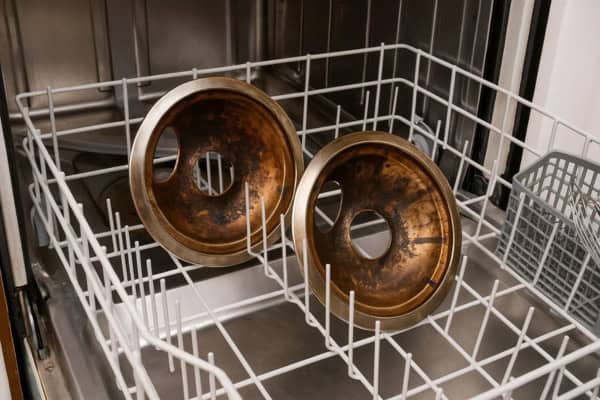
Some stove drip pans are dishwasher-safe, but check the manufacturer’s instructions first. Non-coated metal pans generally withstand dishwasher cleaning. Avoid dishwasher use if pans have non-stick coatings, as it may damage them. Hand washing often preserves their condition longer.
How Often Should Stove Drip Pans Be Cleaned?
Clean stove drip pans at least once a week to prevent buildup. Regular cleaning stops grease and food residue from hardening. Frequent maintenance keeps your stove hygienic and efficient. Immediate cleaning after spills also helps maintain their appearance.
Conclusion
Cleaning stove drip pans keeps your kitchen fresh and safe. Regular cleaning stops grease build-up and bad smells. Use simple household items for easy, effective results. A clean stove looks better and works well. Small efforts save you time and money later.
Try these tips often to keep pans shiny. A little care makes cooking more pleasant and healthy. Keep your kitchen inviting with clean drip pans. Simple steps, big difference.