
Your non-stick pans are a kitchen treasure, making cooking and cleaning so much easier. But one wrong move can leave those surfaces scratched and damaged, ruining their magic.
You might not realize it, but everyday habits could be harming your cookware without you knowing. Imagine keeping your non-stick surfaces smooth and flawless for years to come—saving you money and hassle. You’ll discover simple, effective ways to protect your non-stick cookware from scratches.
Keep reading, and you’ll learn how to care for your kitchen tools the right way, so they stay like new every time you use them.

Credit: www.reddit.com
Choosing The Right Utensils
Non-stick surfaces need gentle care. Using the right utensils helps keep them safe.
This guide explains how silicone, wooden, and metal tools affect your non-stick cookware.
Silicone And Wooden Options
Silicone and wooden utensils are soft and safe for non-stick pans. They do not scratch the surface.
- Silicone tools resist heat and are flexible.
- Wooden utensils are sturdy and gentle on cookware.
- Both types last long with proper care.
- They do not damage the non-stick coating.
- Available in many shapes for cooking needs.
Avoiding Metal Tools
Metal utensils can scratch and ruin non-stick surfaces quickly. Avoid using them to keep pans smooth.
| Utensil Type | Effect on Non-Stick Surface |
| Metal | Scratches and damages coating |
| Silicone | Safe and flexible |
| Wooden | Gentle and durable |
Proper Cleaning Techniques
Cleaning non-stick surfaces the right way helps keep their coating safe. Using harsh tools or cleaners can cause scratches.
Follow gentle cleaning methods to make your non-stick pans last longer and work better.
Gentle Hand Washing
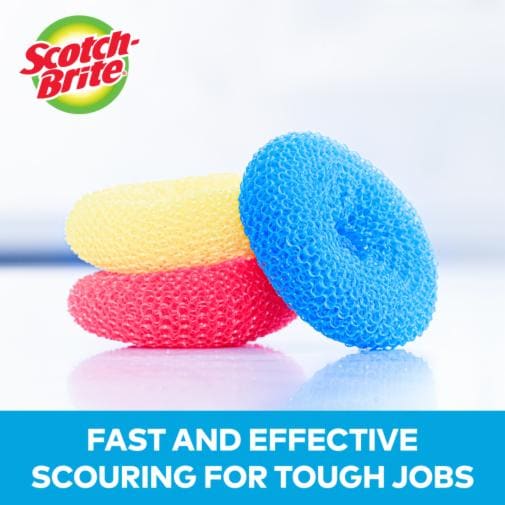
Wash non-stick cookware by hand using a soft sponge or cloth. Avoid abrasive scrubbers that can damage the surface.
Use warm water to loosen food particles before washing. This helps reduce scrubbing and protects the coating.
- Use a soft sponge or cloth
- Avoid steel wool or rough brushes
- Wash soon after cooking for easier cleaning
- Rinse with warm water to remove soap residue
Suitable Cleaning Agents
Choose gentle dish soaps that do not contain harsh chemicals. Mild soaps clean well without harming non-stick coatings.
Avoid strong abrasive cleaners or bleach. These can wear down the surface and cause scratches over time.
- Mild dish soap is best
- No bleach or ammonia
- Avoid powdered or abrasive cleaners
- Use warm water to help dissolve grease
Storage Best Practices
Non-stick surfaces need careful storage to stay scratch-free. Proper storage keeps the coating safe and lasts longer.
Using good storage habits helps avoid damage from stacking or rough contact. Store items with care to protect them.
Stacking With Care
Stack non-stick pans and pots gently to stop scratches. Avoid piling heavy items on top of them.
Place the largest and heaviest item at the bottom. Put lighter ones on top to reduce pressure and contact.
- Do not drag pans when stacking
- Use vertical racks if possible
- Keep handles aligned to save space
Using Protective Liners
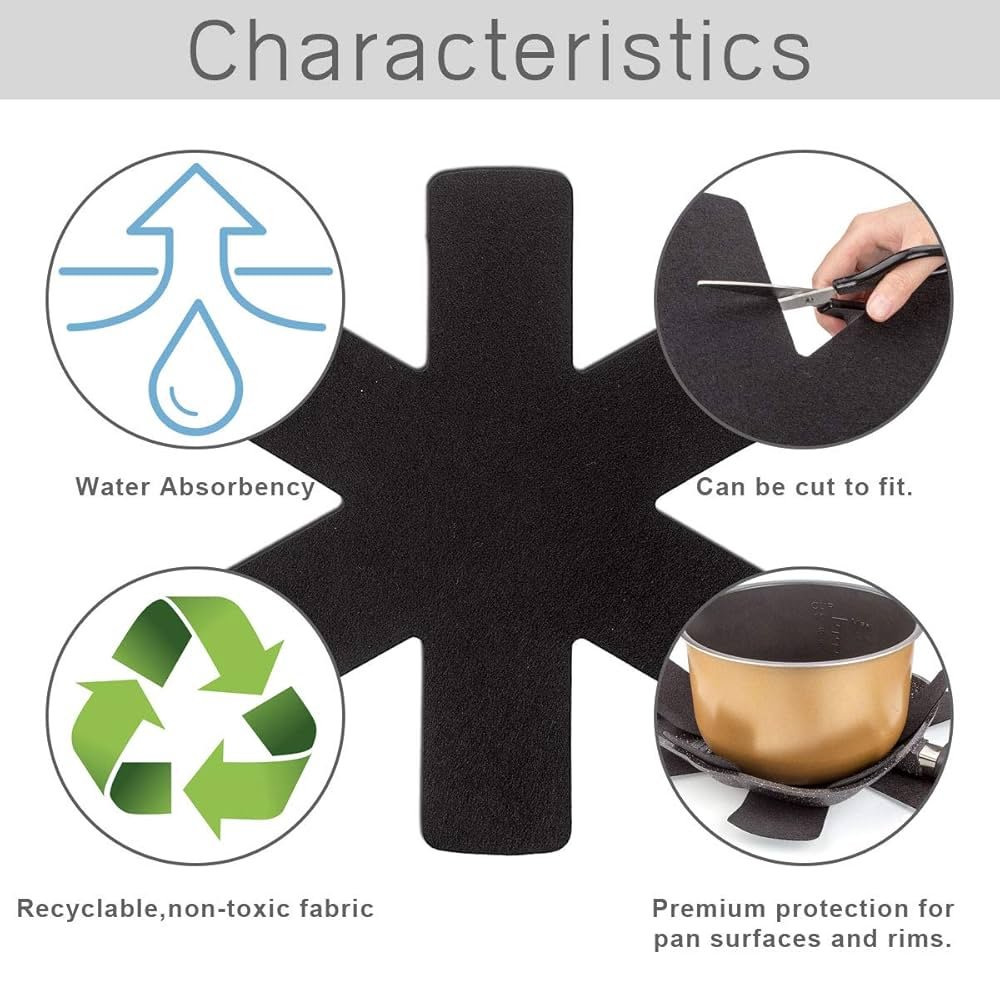
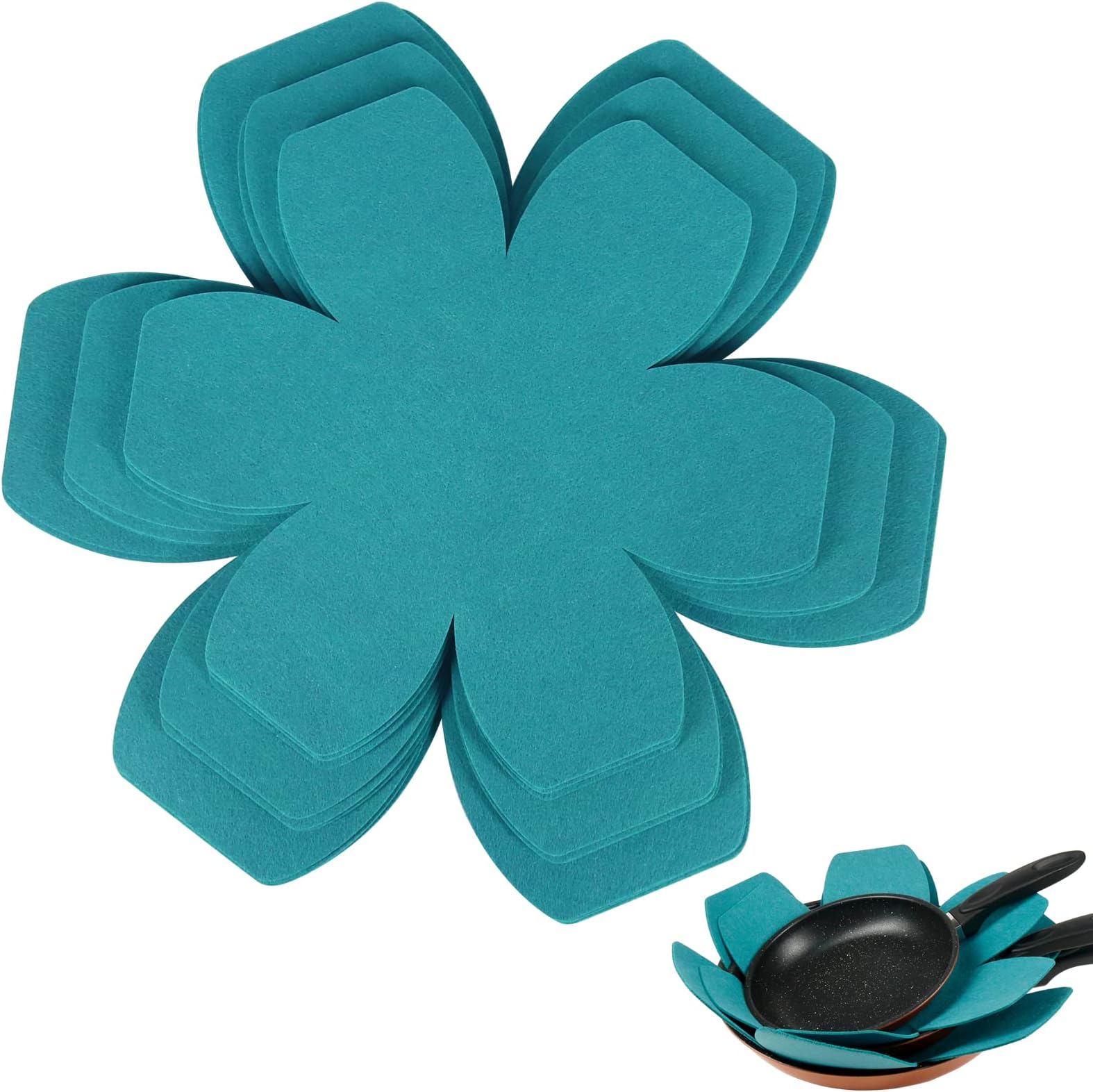
Put soft liners between non-stick cookware to stop scratches. Liners create a cushion and keep surfaces safe.
You can use cloth, paper towels, or foam pads as liners. Change them often to keep your cookware clean.
- Use felt or silicone liners for best protection
- Cut liners to fit each item’s shape
- Keep liners dry to avoid mold or stains
Credit: soilssolutions.com
Cooking Tips For Longevity
Non-stick surfaces need gentle care to last longer. Using the right cooking methods helps avoid scratches.
Simple habits can protect your cookware and keep food from sticking. Learn easy ways to cook safely.
Low To Medium Heat Usage
Use low to medium heat to protect the non-stick coating. High heat can damage the surface quickly.
- Set your stove to medium or lower settings for cooking.
- Avoid boiling dry or overheating empty pans.
- Use oils or butter to create a protective layer.
- Cook food slowly to prevent damage to the coating.
- Turn off heat soon after cooking finishes to cool down safely.
Preheating Precautions
Preheating non-stick pans needs care. Avoid heating them empty for long times.
| Preheating Method | Do | Don’t |
| Empty Pan | Heat briefly on low to medium heat | Heat empty pan on high heat |
| With Oil or Butter | Add oil before heating, then warm slowly | Add oil after pan is very hot |
| Use of Thermometer | Check temperature to avoid overheating | Guess heat levels without checking |
Regular Maintenance
Keeping non-stick surfaces in good shape helps food cook evenly. It also stops scratches that can damage the coating.
Regular care extends the life of your pans and keeps them safe to use.
Periodic Surface Inspection
Check your non-stick pans often for any marks or damage. Small scratches can get worse over time.
- Look closely at the cooking surface under bright light.
- Notice any peeling or discoloration on the coating.
- Feel for rough or uneven spots with your fingers.
- Make a note of any changes to watch later.
Timely Replacement Of Worn Pans
Using old, damaged pans can cause food to stick and increase wear on the surface. Replace pans that show deep scratches or flaking.
| Condition | Action |
|---|---|
| Minor surface marks | Continue regular use; inspect often |
| Visible scratches or peeling | Stop use; consider repair or replacement |
| Flaking or large damaged areas | Replace immediately to avoid health risks |
Credit: www.scotch-brite.com
Frequently Asked Questions
How Can I Prevent Scratches On Non-stick Cookware?
Use only wooden, silicone, or plastic utensils. Avoid metal tools and abrasive cleaning pads. Hand wash gently with soft sponges to preserve the coating.
What Cleaning Methods Protect Non-stick Surfaces Best?
Clean non-stick surfaces with mild dish soap and a soft sponge. Avoid harsh scrubbers or steel wool that damage the coating.
Are Metal Utensils Harmful To Non-stick Pans?
Yes, metal utensils can scratch and ruin non-stick coatings. Use silicone, wooden, or plastic tools to maintain surface integrity.
Can Overheating Cause Damage To Non-stick Surfaces?
Yes, overheating can degrade the non-stick coating. Cook on low to medium heat to prolong the lifespan of your pans.
Conclusion
Taking care of non-stick surfaces is simple with the right tools. Use soft utensils like wood or silicone to protect the coating. Avoid metal scrapers or harsh cleaning pads that can cause damage. Clean gently with mild soap and a soft sponge.
These small steps help your pans last longer and stay smooth. Enjoy cooking without worrying about scratches. Keep these tips in mind for safe and easy kitchen care.