
If you own a carbon steel skillet, you know how powerful a cooking tool it can be. But keeping it in top shape isn’t always easy.
You might wonder how to stop it from rusting or losing its natural non-stick surface. The good news is, with the right care, your skillet can last for years and make your meals taste even better. You’ll discover simple, practical steps to maintain your carbon steel skillet like a pro.
Ready to unlock its full potential? Let’s dive in.
Choosing The Right Skillet
Carbon steel skillets are great for cooking. Picking the right one helps you cook better and keep it longer.
Not all carbon steel skillets are the same. You should know what to look for before buying one.
Size And Weight
Choose a skillet size that fits your needs. A 10-12 inch pan works for most meals. Weight matters too. It should feel strong but not too heavy to handle.
Handle Type
Look for a skillet with a comfortable handle. Some handles stay cool on the stove. Others may need a cloth or glove. A long handle gives better control. Some pans also have a helper handle for easier lifting.
Surface Finish
Carbon steel skillets come with different finishes. Some have a smooth surface. Others have a slightly rough texture. Smooth pans are easier to clean. Rough surfaces help with seasoning and food release.
- Polished finish: smooth and shiny
- Matte finish: dull and textured
- Pre-seasoned: ready to use
- Unseasoned: needs seasoning before use
Brand And Price
Many brands make carbon steel skillets. Price can vary a lot. Look for a good balance of quality and cost. Read reviews and check if the skillet fits your budget.
| Brand | Price Range | Notes |
| Brand A | Low | Basic quality, good for beginners |
| Brand B | Medium | Good durability and finish |
| Brand C | High | Premium build, often pre-seasoned |

Credit: www.beka-cookware.com
Initial Seasoning Process
Seasoning a carbon steel skillet is important before its first use. It creates a non-stick surface and protects the pan from rust.
This process involves coating the skillet with oil and heating it. The oil bonds to the metal, forming a protective layer.
Clean The Skillet Thoroughly
Start by washing your new skillet with warm water and soap. This removes factory oils and dust.
Use a soft sponge or brush to clean all surfaces. Dry the skillet completely with a towel.
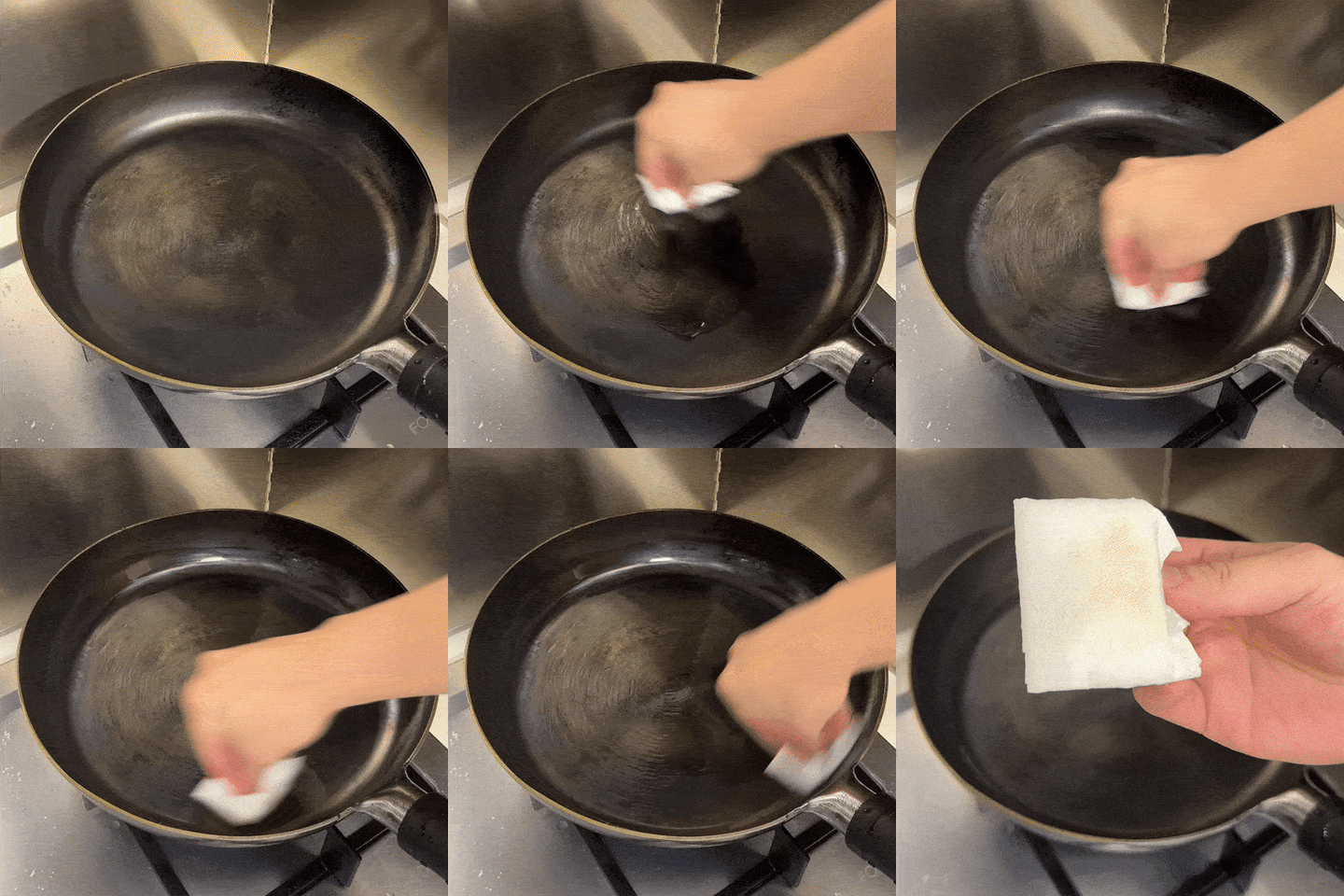
Apply A Thin Layer Of Oil
Choose a high smoke point oil like flaxseed, canola, or vegetable oil. Pour a small amount on the skillet.
Use a paper towel to spread the oil evenly over the inside and outside. Remove any extra oil to avoid sticky spots.
Heat The Skillet To Bond The Oil
Place the oiled skillet upside down in an oven set to 400°F (200°C). Put a baking sheet below to catch drips.
Bake the skillet for one hour. This heat causes the oil to polymerize and form a hard coating on the surface.
Cool And Repeat For Better Seasoning
Turn off the oven and let the skillet cool inside. This helps the coating harden evenly.
Repeat the oiling and baking steps 2 to 3 times. Multiple layers improve the skillet’s non-stick quality and durability.
Daily Cleaning Routine
Keeping your carbon steel skillet clean daily helps it last longer. Proper care stops rust and keeps food tasting great.
This routine focuses on simple steps you can do after cooking. It saves time and protects your skillet’s surface.
Avoiding Dish Soap
Do not use dish soap to clean your carbon steel skillet. Soap removes the natural oil layer that protects the pan.
Instead, wipe the pan with a paper towel or use a soft brush to remove food bits. This keeps the seasoning safe.
Using Hot Water
Rinse your skillet with hot water right after cooking. Hot water helps loosen stuck food without damaging the pan.
- Pour hot water into the skillet while it is warm.
- Use a non-metal brush or sponge to scrub gently.
- Repeat rinsing if needed until clean.
Drying Techniques
| Drying Method | Why It Works |
|---|---|
| Wipe with a dry cloth | Removes surface water quickly |
| Heat on stove for a few minutes | Evaporates any remaining moisture |
| Apply thin oil layer after drying | Prevents rust and keeps seasoning fresh |
Proper Storage Methods
Keeping your carbon steel skillet safe after use helps it last longer. Proper storage stops rust and damage.
Learn how to store your skillet by avoiding moisture and using protective layers. These tips keep the pan ready for your next meal.
Avoiding Moisture
Moisture causes rust on carbon steel skillets. Always dry the pan well before storing it. Keep it in a dry place to avoid damp air.
- Dry skillet completely with a towel after washing
- Place skillet on a warm stove for a few minutes to evaporate leftover water
- Store skillet away from sinks or dishwashers
- Avoid stacking wet cookware on or near the skillet
Using Protective Layers
Protective layers shield the skillet’s surface from air and moisture. You can use oil or cloth to cover the pan before storage.
| Type of Protective Layer | How to Use |
| Oil Coating | Apply a thin coat of cooking oil on the pan surface after drying |
| Paper Towel | Place a dry paper towel inside the skillet to absorb moisture |
| Cloth Cover | Wrap the skillet in a clean, dry cloth to protect from dust and moisture |
Regular Maintenance Tips
Carbon steel skillets need regular care to keep them in good shape. Proper maintenance stops rust and keeps the surface smooth.
Simple steps like cleaning and oiling your skillet will help it last many years. Let’s look at key maintenance tips.
Re-seasoning Steps
Re-seasoning your carbon steel skillet keeps the cooking surface non-stick and rust-free. It adds a protective layer of oil.
Follow these steps to re-season your skillet:
- Clean the skillet with hot water and a soft brush. Do not use soap.
- Dry it completely with a towel or heat on the stove to remove moisture.
- Apply a thin layer of cooking oil over the entire surface, inside and outside.
- Heat the skillet in the oven at 400°F (200°C) for one hour.
- Let the skillet cool in the oven before storing it.
Inspecting For Rust
Check your skillet often for signs of rust. Rust can damage the metal and affect cooking.
Look for small orange or brown spots on the surface. Rust often appears after moisture or improper storage.
- Remove light rust by scrubbing with a steel wool pad.
- Wash and dry the skillet well after scrubbing rust.
- Re-season the skillet to restore the protective layer.
- Store the skillet in a dry place with a light coating of oil.
- Do not leave the skillet wet or in damp areas.
Common Mistakes To Avoid
Carbon steel skillets are great for cooking, but they need care. Avoiding common mistakes helps keep them in good shape. This guide shows what to watch out for.
Taking care of your skillet the right way makes it last longer. Learn what errors to skip to maintain your carbon steel skillet well.
Overheating
Overheating can damage your carbon steel skillet’s surface. High heat can cause warping or remove seasoning layers. It lowers the skillet’s cooking quality.
Use medium or medium-high heat for cooking. Let the skillet warm up slowly before adding food. Avoid heating an empty skillet for too long.
- Do not use very high heat settings
- Preheat skillet gradually
- Never leave an empty skillet on heat for long
Improper Cleaning
Cleaning your skillet the wrong way can ruin its seasoning. Avoid soap or harsh scrubbing that strips the protective layer. This layer helps prevent rust and sticks.
Use warm water and a soft brush or sponge. Dry the skillet completely after washing. Apply a thin oil layer to keep it safe from rust.
- Skip strong soaps and detergents
- Do not scrub with metal pads
- Always dry skillet fully after cleaning
- Oil skillet lightly after each wash
Reviving A Neglected Skillet
A carbon steel skillet can last many years with care. If your skillet looks rusty or dull, you can bring it back to life. This guide helps you clean and restore your skillet easily.
Follow simple steps to remove rust and restore the seasoning. Your skillet will cook better and last longer after this care.
Removing Rust
Rust can form if the skillet stays wet or is stored improperly. You must remove rust to keep the skillet safe and strong.
Use gentle scrubbing and common kitchen items to clean off rust. Avoid harsh chemicals that can damage the metal.
- Scrub the rusty areas with steel wool or a stiff brush.
- Rinse the skillet with warm water to wash away loose rust.
- Dry the skillet completely with a towel or by heating it on the stove.
- If rust is heavy, soak the skillet in a vinegar and water mix (1:1) for 1 hour, then scrub again.
- Rinse and dry well after soaking.
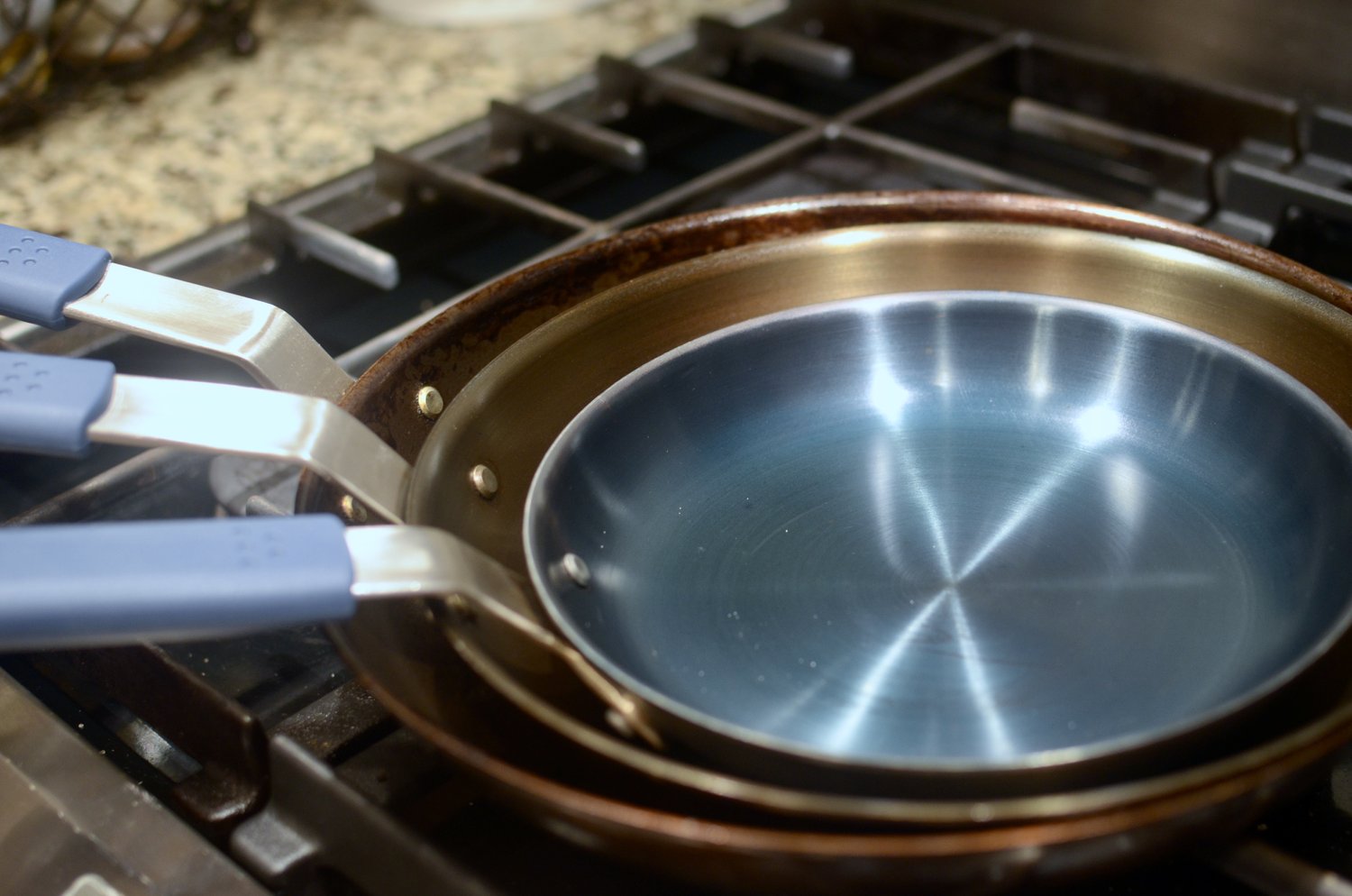
Restoring Seasoning
Seasoning is a layer of oil baked onto the skillet. It protects the metal and makes food less sticky. After cleaning, you need to restore this layer.
Use simple oils and heat to build a strong seasoning on your skillet’s surface.
- Coat the skillet with a thin layer of cooking oil like flaxseed, vegetable, or canola oil.
- Heat the skillet in an oven at 400°F (200°C) for one hour.
- Let the skillet cool in the oven before removing it.
- Repeat the oiling and heating process 2-3 times for a better non-stick surface.
- After seasoning, avoid soap and use hot water and a brush for cleaning.
Credit: www.butteryum.org
Benefits Of Proper Care
Taking good care of carbon steel skillets keeps them in great shape. Proper care helps the skillet last longer and cook better.
Good maintenance stops rust and damage. It also makes cooking safer and easier.
Prevents Rust And Corrosion
Carbon steel skillets can rust if not cleaned and dried well. Proper care stops rust from forming on the surface.
Seasoning the skillet creates a protective layer. This layer blocks moisture and air that cause rust.
Improves Non-stick Surface
Carefully seasoning the skillet builds a smooth, non-stick surface. This makes cooking and cleaning easier.
Regular use and oiling keep this surface strong. It helps food release without sticking.
Extends Skillet Lifespan
Proper care prevents cracks, warping, and damage. This helps your skillet stay useful for many years.
Cleaning gently and storing correctly protect the skillet from wear and tear.
Enhances Cooking Performance
A well-maintained skillet heats evenly and holds heat well. This improves how your food cooks.
Good care ensures the skillet works as designed. You get better results every time you cook.
Saves Money Over Time
Taking care of your skillet means you do not need to replace it often. This saves you money in the long run.
Proper care also reduces the need for repairs or special cleaning products.
Credit: medium.com
Frequently Asked Questions
How Do I Clean A Carbon Steel Skillet Properly?
Clean your skillet with warm water and a soft sponge. Avoid soap to maintain seasoning. Dry it immediately to prevent rust.
How Often Should I Season My Carbon Steel Skillet?
Season your skillet after every few uses or when food starts sticking. Apply a thin oil layer and heat until smoking.
Can I Use Soap On Carbon Steel Skillets?
Avoid soap as it removes the seasoning. Use hot water and a brush instead for cleaning.
How To Prevent Rust On Carbon Steel Skillets?
Dry your skillet thoroughly after washing. Apply a light oil coating before storing to protect against rust.
Conclusion
Maintaining your carbon steel skillet is simple and rewarding. Clean it right after use to stop rust. Dry it well and add a light oil coat. Store it in a dry place away from moisture. Regular care keeps your skillet cooking great for years.
Small steps make a big difference in performance. Enjoy cooking with a skillet that lasts and improves over time. Trust the process and your skillet will stay strong and reliable.