
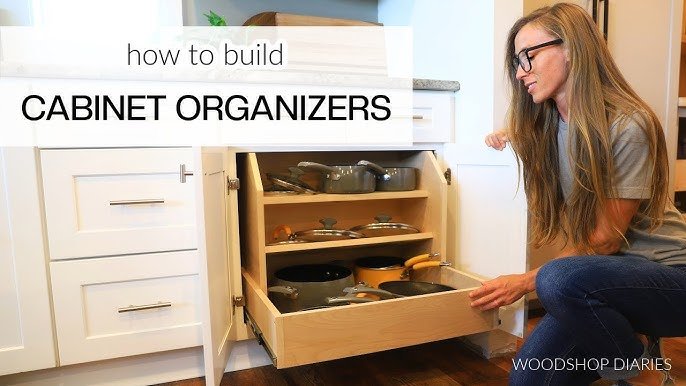
Are you tired of digging through cluttered cabinets to find what you need? Installing pull-out drawers can transform your storage space, making everything easy to reach and organize.
In this guide, you’ll learn simple steps to set up pull-out drawers in your cabinets, even if you’ve never done it before. Imagine opening your cabinet and instantly seeing all your items neatly arranged. Ready to make your kitchen or workspace more efficient?
Keep reading, and you’ll discover how easy it is to upgrade your cabinets today.
Tools And Materials Needed
Setting up pull-out drawers in cabinets needs the right tools and materials. This guide will help you gather what is necessary before you start.
Having everything ready saves time and helps the installation go smoothly. Let’s look at the essential items you will need.
Basic Tools
These tools help you measure, cut, and assemble the pull-out drawers properly.
- Measuring tape – for accurate measurements
- Power drill – to make screw holes
- Screwdriver – to tighten screws
- Level – to keep drawers straight
- Stud finder – to locate cabinet studs
- Clamps – to hold pieces while working
Materials For Pull-out Drawers
Choose quality materials to ensure the drawers work well and last long.
| Material | Purpose |
| Wood or plywood panels | Drawer boxes and fronts |
| Drawer slides | Allow smooth pull-out movement |
| Screws and fasteners | Secure parts together |
| Handles or knobs | Open and close drawers easily |
| Wood glue | Additional bonding support |
Safety Gear
Protect yourself during installation by wearing the right safety gear.
- Safety glasses to protect your eyes
- Work gloves to protect your hands
- Dust mask to avoid inhaling particles

Credit: www.familyhandyman.com
Measuring Your Cabinet Space
Measuring your cabinet space is key before installing pull-out drawers. It ensures the drawers fit perfectly and work well.
Take your time to get accurate measurements. This helps avoid mistakes and saves you effort later.
Measure The Width Of The Cabinet
Use a tape measure to find the inside width of the cabinet. Measure at the top, middle, and bottom.
Write down the smallest width. This is the space your drawer must fit into.
Measure The Depth Of The Cabinet
Measure from the front edge to the back wall inside the cabinet. Do this at the top and bottom.
Use the smallest depth measurement for your drawer length. This prevents the drawer from hitting the back wall.
Measure The Height Of The Cabinet
Check the inside height where you want to install the drawer. Measure from the bottom shelf to the top inside surface.
Make sure there is enough height for the drawer and its sliding hardware.
Check For Obstacles Inside The Cabinet
Look for pipes, wires, or braces that could block the drawer. Measure around these obstacles carefully.
Note these limits to avoid installing drawers where space is restricted.
Record All Measurements Clearly
Write down all your measurements on paper or a device. Include width, depth, height, and obstacle details.
Clear notes help you choose the right drawer size and avoid mistakes during installation.
Choosing The Right Drawer Slides
Pull-out drawers make cabinets easier to use. Choosing the right drawer slides is important for smooth operation.
There are many types of drawer slides. Pick the right one based on your drawer size and use.
Types Of Drawer Slides
Drawer slides come in three main types: side-mount, under-mount, and center-mount. Each type fits different needs.
- Side-mount slides attach to the sides of the drawer and cabinet.
- Under-mount slides fit under the drawer and are hidden.
- Center-mount slides attach under the drawer in the middle.
Weight Capacity
Check the weight your drawer will hold. Choose slides that support this weight without bending or breaking.
Heavy items need stronger slides with higher weight capacity.
Slide Length
Measure the drawer depth before buying slides. The slide length should match the drawer length for full extension.
Choose longer slides to pull the drawer out completely for easy access.
Soft-close Feature
Soft-close slides stop drawers from slamming shut. They add safety and protect your cabinets.
This feature is helpful in kitchens and busy areas to reduce noise and damage.
Material And Durability
Look for slides made from strong materials like steel. Good durability means the slides last longer.
Check for rust-resistant coatings if the cabinet is in humid places.
Installation Type
Some slides are easier to install than others. Side-mount slides are common and simple to fit.
Under-mount slides need precise fitting but look cleaner inside the cabinet.
Preparing The Cabinet Interior
Setting up pull-out drawers starts with preparing the cabinet interior correctly. This step ensures the drawers fit well and slide smoothly.
Proper preparation also helps avoid damage to the cabinet and makes installation easier for you.
Clear Out The Cabinet Space
Remove all items from the cabinet before you begin. This gives you full access to the inside and lets you work safely.
Clean The Interior Surface
Wipe down all surfaces inside the cabinet. Dust, dirt, and grease can block the drawer tracks or weaken glue and screws.
Measure The Cabinet Dimensions
Use a tape measure to check the cabinet’s width, depth, and height. Write down these numbers to match the pull-out drawer size.
- Measure the inside width at the top, middle, and bottom.
- Check the depth from front to back at multiple points.
- Note the height from the bottom to the underside of the cabinet shelf.
Inspect For Damage Or Weakness
Look for cracks, loose panels, or water damage. Repair any problems before installing the drawers to keep them secure.
Remove Obstacles Inside The Cabinet
Make sure the cabinet interior is free from nails, screws, or staples that could block drawer rails. Use a flashlight to see clearly inside.
Installing The Drawer Slides
Installing drawer slides correctly is key for smooth operation. This guide covers the basics for pull-out drawers in cabinets.
Follow these steps carefully to make sure your drawers open and close without trouble.
Gathering Tools And Materials
Before you start, collect all tools and materials you need. This makes installation easier and faster.
- Drawer slides (right size for your drawer)
- Power drill with screwdriver bits
- Measuring tape
- Pencil or marker
- Level
- Screws (usually come with slides)
Measuring And Marking
Measure inside the cabinet where the slides will go. Mark the exact spots for screws and slide placement.
- Measure the cabinet depth and drawer length.
- Mark the slide position on both cabinet and drawer sides.
- Use a level to keep marks straight.
Attaching The Drawer Slides
Attach the slides to the drawer and cabinet carefully. Check alignment to avoid sticking or jamming.
| Part | Installation Tip |
|---|---|
| Cabinet Side Slide | Align with front edge and screw in level |
| Drawer Side Slide | Attach flush with drawer bottom side |
| Screws | Use all holes to secure firmly |
Testing The Drawer Movement
Slide the drawer in and out several times. Check for smooth movement and adjust if needed.
- Insert drawer fully and pull out slowly.
- Look for any resistance or uneven movement.
- Tighten or loosen screws to fix alignment.
Assembling The Pull-out Drawer
Pull-out drawers make your cabinets easier to use. Assembling them correctly is important for smooth operation.
This guide explains how to put together the pull-out drawer step by step. Follow each part carefully for the best result.
Prepare All Parts And Tools
Before assembly, gather all drawer parts and tools. This saves time and avoids mistakes during the process.
- Pull-out drawer panels
- Drawer slides and rails
- Screws and mounting brackets
- Screwdriver or drill
- Measuring tape
- Level tool
Attach The Drawer Slides To The Cabinet
Fix the slides inside the cabinet first. Use a level to make sure they are straight and aligned.
Secure the slides with screws. Make sure they move smoothly along the rails before continuing.
Build The Drawer Box
Assemble the drawer box by connecting the sides, front, and back panels. Use screws or nails to hold the pieces tightly.
- Check corners are square before securing
- Sand rough edges for a smooth finish
- Confirm the size matches the cabinet opening
Attach Slides To The Drawer Box
Mount the matching slides on the sides of the drawer box. Align them carefully with the cabinet slides.
Use screws to fix the slides in place. Test the drawer by sliding it in and out to check the fit.
Install The Drawer In The Cabinet
Slide the drawer into the cabinet rails slowly. Push it all the way in until it stops.
| Check | What to Do |
| Drawer alignment | Adjust slides if drawer is crooked |
| Drawer movement | Lubricate slides if it sticks |
| Drawer front | Attach face panel if separate |
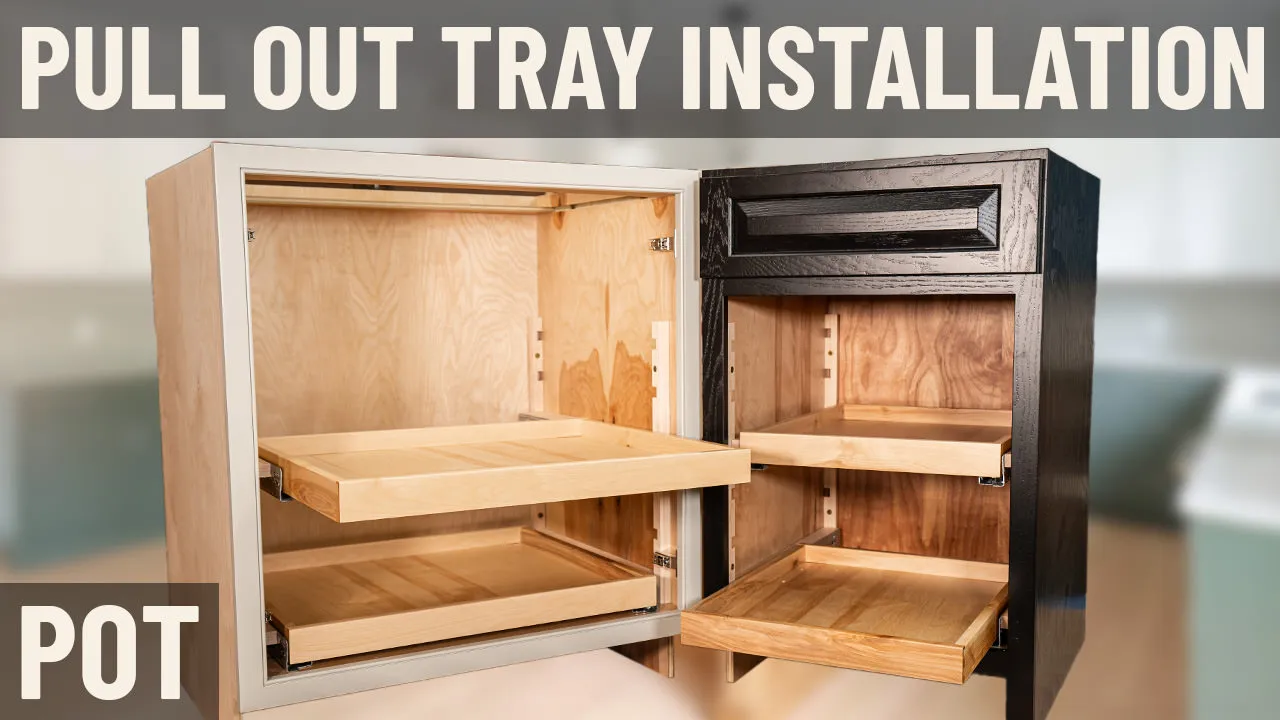
Mounting The Drawer In The Cabinet
Mounting pull-out drawers in cabinets makes storage easier to access. Proper installation ensures smooth operation and durability.
Follow simple steps to mount the drawer correctly. This guide helps you avoid common mistakes for a solid fit.
Prepare The Cabinet Space
Clear the cabinet interior before mounting the drawer. Check the space is clean and free from obstacles.
Measure the width and depth inside the cabinet. Ensure the drawer slides will fit without tight spots.
Attach Drawer Slides To Cabinet
Secure the drawer slides inside the cabinet walls first. Use a level to keep them straight and aligned.
- Mark the slide position on both sides
- Drill pilot holes for screws
- Attach slides using screws provided
- Check slides are parallel and level
Connect Slides To The Drawer
Fix the matching slides on the sides of the drawer box. Align them with the cabinet slides for smooth movement.
- Measure equal distance from front and back
- Mark screw holes on the drawer sides
- Drill pilot holes carefully
- Attach slides tightly with screws
Insert The Drawer Into The Cabinet
Gently slide the drawer into the cabinet slides. Push it in until the slides lock or reach the end.
Test the drawer by opening and closing it several times. Make sure it moves smoothly without sticking.
Adjust And Secure The Drawer
Adjust the drawer alignment if it feels off-center or uneven. Use the screws on the slides for minor shifts.
- Tighten or loosen screws to level the drawer
- Check the front panel is flush with cabinet face
- Ensure drawer opens fully without resistance
Credit: www.cabinetjoint.com
Adjusting And Securing The Drawer
Pull-out drawers make cabinets more useful. Adjusting and securing them ensures smooth use.
Learn how to set the drawer correctly for easy opening and closing without wobbling.
Check Drawer Alignment
First, open and close the drawer to see if it moves straight. It should not tilt or stick.
If the drawer leans to one side, adjust the slides or runners. This fixes uneven movement.
- Look for gaps between drawer and cabinet sides
- Tighten or loosen screws on the slides
- Use a level to check horizontal alignment
Adjust The Drawer Slides
Most pull-out drawers have adjustable slides. These control how the drawer moves.
Loosen screws slightly and move the slides to improve fit. Then tighten screws again.
- Slide the drawer in and out during adjustment
- Make small changes for smooth movement
- Ensure both sides are adjusted equally
Secure The Drawer In Place
After adjusting, secure the drawer firmly. This stops wobbling and keeps it stable.
Use screws to fix slides tightly. Check that the drawer does not move sideways.
- Use the correct size screws for the slides
- Do not overtighten to avoid damage
- Test the drawer several times after securing
Test The Drawer Operation
Open and close the drawer fully to check its motion. It should glide smoothly without noise.
If you hear scraping or feel resistance, recheck alignment and slide adjustment.
- Pull the drawer out to full length
- Push it back gently but firmly
- Listen for unusual sounds
- Adjust again if needed
Maintaining And Troubleshooting
Pull-out drawers help keep cabinets neat and easy to use. To keep them working well, regular care is important.
This guide covers how to maintain and fix common issues with pull-out drawers.
Cleaning And Lubricating Drawer Slides
Dirty or dry slides can make drawers hard to open. Clean the slides often to remove dust and dirt.
Use a soft cloth to wipe the slides. Apply a small amount of lubricant to keep them smooth.
- Remove the drawer from the cabinet
- Wipe slides with a dry cloth
- Apply silicone spray or grease to metal parts
- Slide the drawer in and out to spread lubricant
Tightening Loose Screws And Hardware
Loose screws can cause drawers to wobble or fall off track. Check screws regularly and tighten any that are loose.
Use the right screwdriver to avoid stripping screws. Replace damaged screws with new ones of the same size.
- Remove the drawer and check all screws
- Tighten loose screws on slides and handles
- Replace missing or broken screws
- Test the drawer for stability
Fixing Misaligned Drawers
Drawers that do not close properly may be misaligned. Check the tracks and adjust the slides as needed.
Loosen screws slightly, move the slide to the correct position, then tighten screws again.
- Open the drawer fully
- Loosen screws on drawer slides
- Move slides until drawer lines up with cabinet
- Tighten screws securely
- Test the drawer’s movement
Replacing Damaged Or Worn Parts
Parts like slides or rollers may wear out over time. Replace damaged parts to keep drawers working well.
Buy parts that match your drawer model. Follow instructions carefully when installing new parts.
- Identify the broken part
- Remove the drawer and old part
- Install the new part in the same position
- Secure all screws and test the drawer
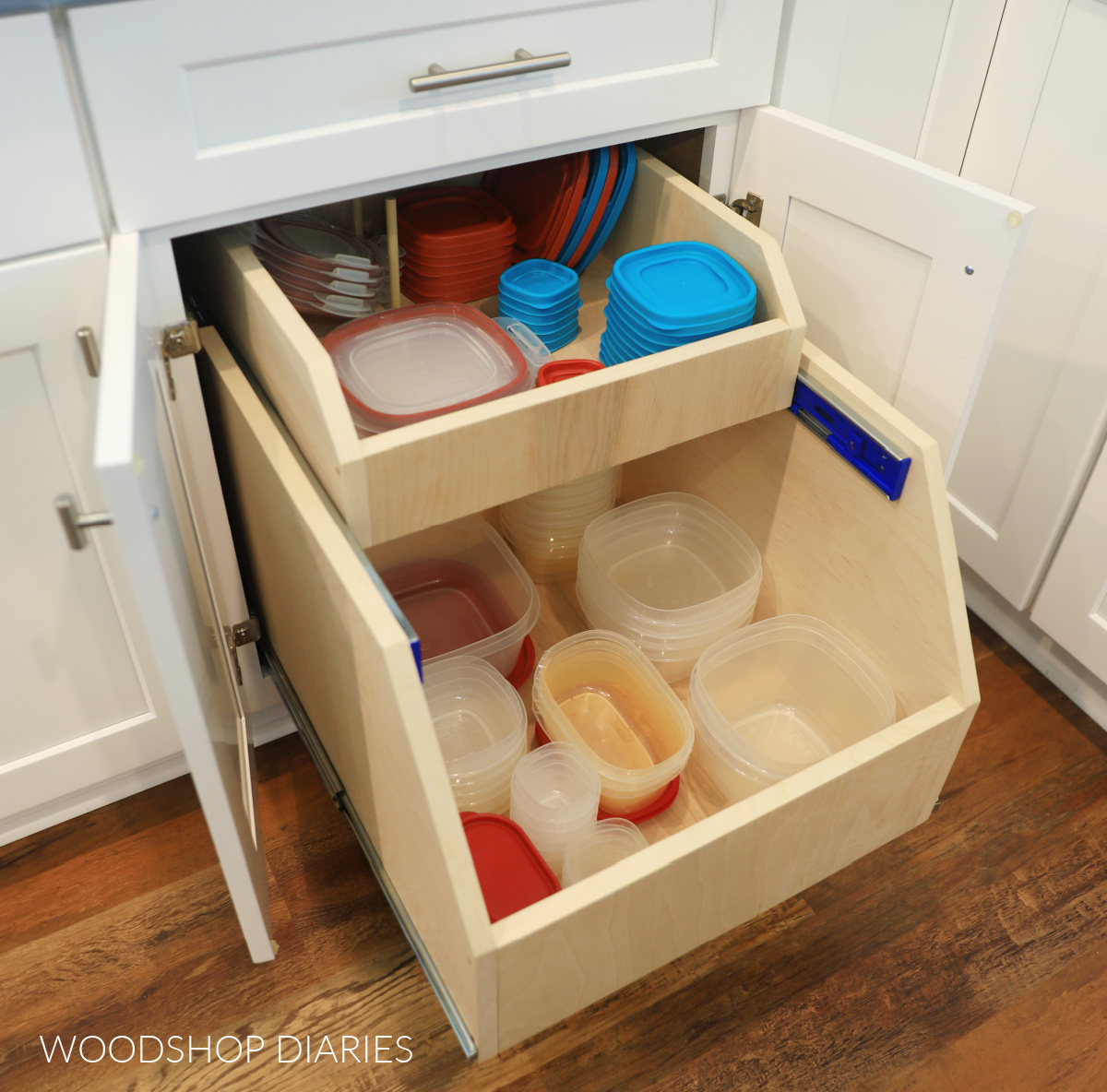
Preventing Overloading And Damage
Do not put too much weight in pull-out drawers. Overloading can cause slides to bend or break.
Distribute items evenly and avoid sharp impacts on the drawer front.
- Check the weight limit of your drawers
- Place heavy items near the back
- Keep drawer contents balanced
- Handle drawers gently
Credit: www.woodshopdiaries.com
Frequently Asked Questions
What Tools Do I Need To Install Pull-out Drawers?
You need a drill, screwdriver, measuring tape, pencil, level, and drawer slides for installation. These tools ensure accurate and secure fitting of pull-out drawers in cabinets.
How Do I Measure For Pull-out Drawer Installation?
Measure the cabinet’s interior width, depth, and height. Subtract space for drawer slides to ensure a perfect fit. Accurate measurements prevent installation issues and improve drawer functionality.
Can I Install Pull-out Drawers In Existing Cabinets?
Yes, pull-out drawers can be added to existing cabinets. Remove the cabinet shelves, measure properly, and mount the slides. This upgrade improves cabinet accessibility and organization without major remodeling.
What Types Of Drawer Slides Work Best For Cabinets?
Ball-bearing and undermount slides offer smooth, durable movement. Choose slides rated for your drawer’s weight and size. Quality slides enhance drawer performance and longevity.
Conclusion
Setting up pull-out drawers is a smart choice. They offer easy access and improve organization. Follow the steps carefully for a smooth installation process. Measure your space first. Choose the right materials for durability. Secure the drawers tightly for safety.
Check that they slide smoothly. Enjoy the convenience these drawers bring to your kitchen or bathroom. You’ll find everything you need in seconds. No more digging through cluttered spaces. Happy organizing and enjoy your newly arranged cabinets!