
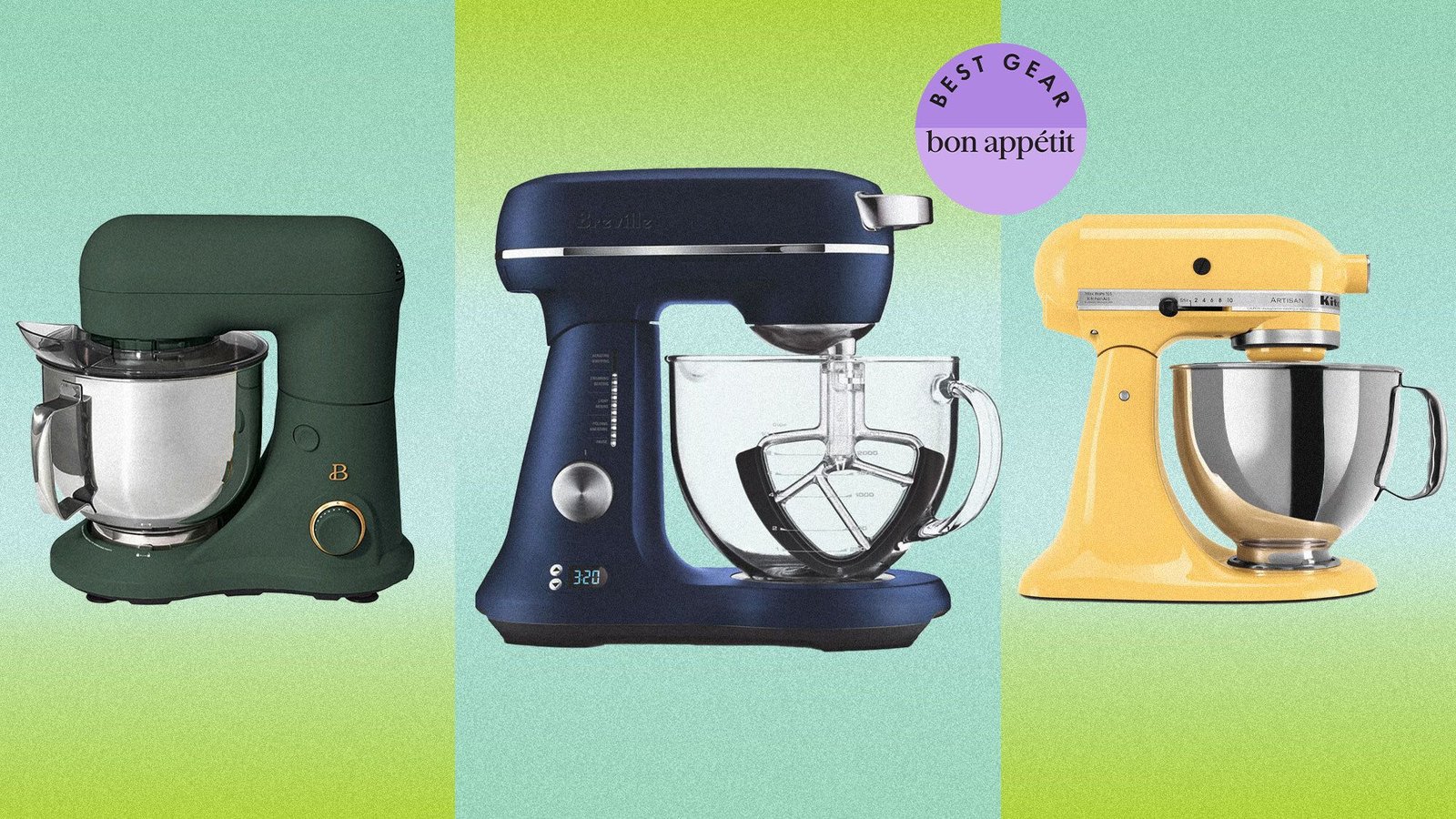
Choosing the right stand mixer can change the way you cook and bake forever. But with so many options out there, it’s easy to feel overwhelmed.
You want a mixer that fits your kitchen, matches your cooking style, and lasts for years. This guide will help you cut through the noise and find the perfect stand mixer for your needs. Keep reading, and you’ll discover simple tips that make your choice clear and confident.
Types Of Stand Mixers
Stand mixers come in different types to fit your kitchen needs. Knowing the types helps you choose the right one.
This guide explains two main types of stand mixers. Each type has its own design and use.
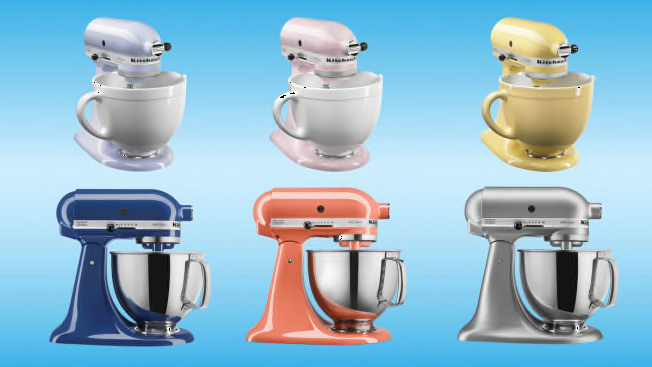
Tilt-head Mixers
Tilt-head mixers have a head that lifts up. This lets you add ingredients or change attachments easily.
They are usually lighter and smaller. This type works well for small kitchens or light mixing tasks.
- Head tilts back for easy access
- Good for simple recipes and small batches
- Compact size saves counter space
- Easy to clean and store
Bowl-lift Mixers
Bowl-lift mixers have a lever to raise and lower the bowl. This keeps the bowl steady during mixing.
They are heavier and made for larger tasks. This type is great for thick doughs and big batches.
- Lever lifts the bowl into place
- Stable and strong for heavy mixing
- Works well with large doughs and batters
- Usually larger and takes more space
Credit: www.consumerreports.org
Essential Features To Consider
Choosing the right stand mixer can make cooking easier and faster. Focus on features that fit your cooking style and needs.
Look at the motor, bowl size, and the attachments available. These factors affect how well the mixer performs.
Motor Power And Speed Settings
The motor power defines how well the mixer handles thick dough or large batches. Speed settings let you control the mixing process for different recipes.
- Choose a motor with at least 300 watts for heavy use
- Look for multiple speed settings for better control
- Check if the mixer runs smoothly at low speeds
- Consider models with a pulse function for quick bursts
Bowl Size And Material
The bowl size affects how much you can mix at once. The material impacts durability and ease of cleaning.
| Feature | Options | Benefits |
| Size | 4 to 7 quarts | Small to large batch mixing |
| Material | Stainless steel, glass, plastic | Durable, easy to clean, or lightweight |
| Shape | Wide or deep bowls | Better mixing for certain recipes |
Attachments And Accessories
Attachments add extra functions to your mixer. Some models come with many useful tools.
Common attachments include:
- Flat beater for mixing batters and doughs
- Whisk for whipping cream and eggs
- Dough hook for kneading bread dough
- Pouring shield to avoid spills
Check if the mixer supports extra accessories like pasta makers or food grinders.
Benefits Of Different Materials
Choosing the right material for a stand mixer bowl is important. Each material offers unique benefits. Understanding these can help you pick the best mixer for your needs.
Material affects durability, weight, and how the mixer handles different ingredients. Let’s look at the benefits of stainless steel, glass, and plastic bowls.
Stainless Steel
Stainless steel bowls are strong and long-lasting. They resist dents and scratches well. This makes them perfect for heavy mixing tasks.
They do not absorb odors or stains. Stainless steel also keeps ingredients cool, which helps with delicate recipes.
- Very durable and scratch-resistant
- Does not absorb smells or stains
- Keeps ingredients cool
- Works well with heavy doughs
Glass
Glass bowls let you see the mixing process clearly. This helps you watch if ingredients are fully blended.
Glass is non-reactive and safe for all foods. It does not change the taste or color of your mix.
- Transparent for easy mixing checks
- Non-reactive and food-safe
- Does not affect taste or color
- Microwave and dishwasher safe
Plastic
Plastic bowls are lightweight and easy to handle. They often come with mixer sets at a lower price.
Plastic bowls can scratch and stain more easily. They may also absorb odors from strong ingredients.
- Lightweight and easy to carry
- Usually less expensive
- Can scratch and stain over time
- May absorb odors
Budget-friendly Options
Choosing a stand mixer on a budget can be simple. You can find mixers that work well without spending a lot.
Look for mixers with good reviews and useful features. They should be easy to use and clean.
Top Picks Under $100
Mixers under $100 are great for small kitchens and light cooking. They handle basic mixing tasks like batter and dough.
These models often have fewer attachments but still deliver good results for everyday recipes.
- Look for at least 3 speed settings to control mixing speed.
- Choose a mixer with a bowl size around 3 to 4 quarts.
- Check if attachments like dough hooks or beaters are included.
- Consider the weight; lighter mixers are easier to move.
Mid-range Mixers
Mid-range mixers cost between $100 and $300. They offer more power and features for regular use.
These mixers often have larger bowls and more attachments. They can handle heavy dough and larger batches.
- Look for mixers with at least 5 speed settings for better control.
- Choose bowl sizes from 4 to 5 quarts for flexibility.
- Check for extra attachments like whisks and paddles.
- Consider mixers with tilt-head or bowl-lift designs for ease of use.
Advanced Features For Enthusiasts
Choosing a stand mixer with advanced features can enhance your cooking experience. These features help save time and improve precision.
Enthusiasts often look for tools that offer more control and flexibility. Two useful features are programmable timers and integrated weighing scales.
Programmable Timers
Programmable timers allow you to set mixing times exactly. This keeps your recipes consistent every time you use the mixer.
You can start the mixer and walk away, knowing it will stop when the time ends. This feature is helpful for multi-tasking in the kitchen.
- Set precise mixing durations for different recipes
- Prevent overmixing or undermixing ingredients
- Use the timer to follow recipe instructions easily
- Save effort by automating part of the process
Integrated Weighing Scales
Integrated weighing scales built into the mixer bowl help measure ingredients quickly. This reduces the need for extra kitchen tools.
Accurate measurements improve recipe results. You can add ingredients directly to the bowl while weighing them in real time.
- Measure dry and wet ingredients without extra bowls
- Adjust quantities easily for recipe changes
- Save time by combining weighing and mixing tasks
- Keep your workspace cleaner and organized
Space And Storage Considerations
Choosing a stand mixer requires thinking about your kitchen space. Some mixers take up a lot of room. It is important to find one that fits your available space.
Storage is also a key factor. You need a place to keep your mixer when it is not in use. This helps keep your kitchen neat and safe.
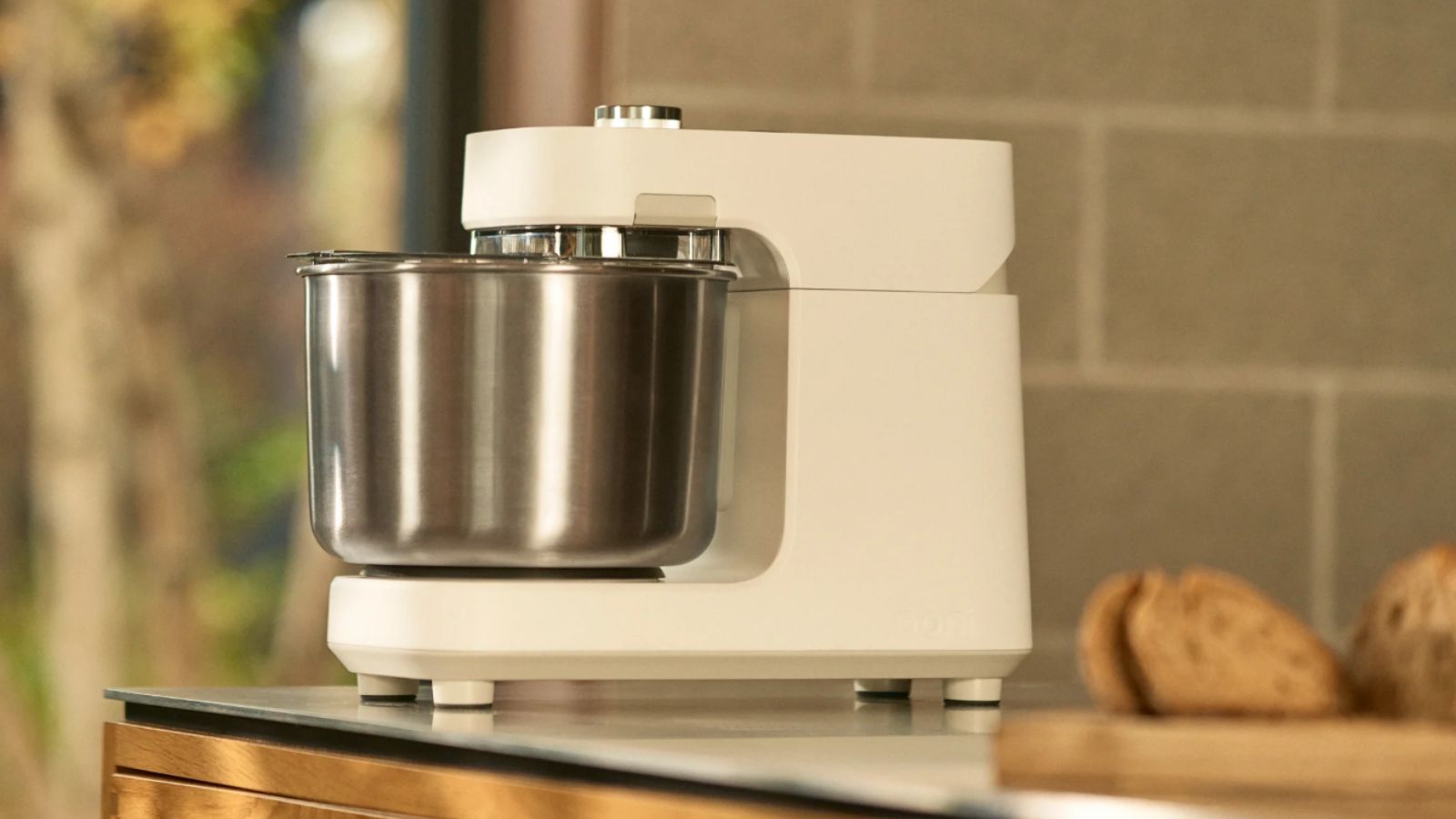
Compact Designs
Look for stand mixers that have a small footprint. Compact designs save counter space and fit well in tight kitchens. Some models have detachable parts to make storage easier.
- Choose mixers with a height and width that fit your counter
- Consider models with foldable or removable components
- Look for lightweight options for easy moving
- Pick designs that offer multi-functionality to reduce extra appliances
Storage Solutions
Think about where you will store your mixer. Some kitchens have cabinets or shelves that fit mixers well. Others might use a dedicated storage cart or space.
| Storage Option | Description | Best For |
| Countertop | Easy access, but needs space | Large kitchens |
| Cabinet | Protects from dust, keeps counters clear | Kitchens with good cabinet space |
| Storage Cart | Portable, can hold accessories | Small kitchens, flexible use |
| Closet or Pantry | Out of sight, safe storage | Kitchens with extra storage rooms |
Brand Reputation And Reviews
Choosing the right stand mixer is easier when you trust the brand. Brands with good reputations often make durable and reliable mixers.
Reading reviews helps you learn from others’ experiences. Reviews can show the pros and cons of each mixer.
Trusted Brands In Baking
Some brands have long histories of making kitchen tools. These brands offer stand mixers with good quality and support.
Brands known for baking products often provide mixers that meet bakers’ needs well.
- Kitchenaid – Known for durability and variety
- Kenwood – Popular for powerful motors
- Bosch – Offers strong performance and large capacity
- Cuisinart – Trusted for user-friendly designs
Reading Customer Feedback
Customer reviews tell you how mixers work in real kitchens. Look for reviews that mention durability and ease of use.
Check both positive and negative feedback. This helps you understand what to expect before buying.
- Look for comments on motor strength and noise
- Notice how easy the mixer is to clean
- See if the attachments work well for different recipes
- Watch out for common problems like overheating
Credit: www.homesandgardens.com
Maintenance And Care Tips
Taking good care of your stand mixer helps it last longer. Regular cleaning and checks keep it working well.
Simple maintenance steps can prevent problems and keep your mixer safe to use every day.
Cleaning After Use
Clean your stand mixer after every use to avoid buildup. Remove all attachments and wash them with warm, soapy water.
Wipe the mixer’s body with a damp cloth. Avoid using harsh chemicals or soaking the mixer base.
- Detach beaters, bowls, and other parts
- Wash parts with mild detergent and warm water
- Dry all parts completely before reassembling
- Use a soft cloth to clean the mixer’s surface
- Never immerse the main mixer body in water
Regular Maintenance Checks
Check your stand mixer regularly for any signs of wear. Look for loose screws or cracks in attachments.
Keep the motor vents clear of dust and debris to avoid overheating. Test the mixer at different speeds to ensure smooth operation.
- Inspect all attachments for damage
- Tighten any loose screws or bolts
- Clean motor vents with a soft brush
- Run the mixer on low and high speeds
- Listen for unusual noises or vibrations

Credit: www.independent.co.uk
Frequently Asked Questions
What Features Should I Look For In A Stand Mixer?
Look for power, speed settings, bowl size, attachments, and build quality. These features ensure versatility and durability for various recipes.
How Much Power Is Ideal For A Stand Mixer?
A motor with 300-500 watts is ideal for most home baking tasks. It handles thick doughs and heavy mixtures efficiently without overheating.
Are Additional Attachments Necessary For A Stand Mixer?
Attachments like dough hooks, whisks, and paddles increase functionality. Choose mixers with compatible extras to expand your cooking options.
What Bowl Size Is Best For Home Use?
A 4. 5 to 5-quart bowl suits most families. It provides enough capacity for large batches without taking up too much counter space.
Conclusion
Choosing the right stand mixer makes baking easier and more fun. Focus on size, power, and attachments that fit your needs. Think about how often you will use it and what recipes you want to try. A good mixer saves time and effort in the kitchen.
Take your time to compare models before deciding. Your perfect stand mixer will help you enjoy cooking every day.