
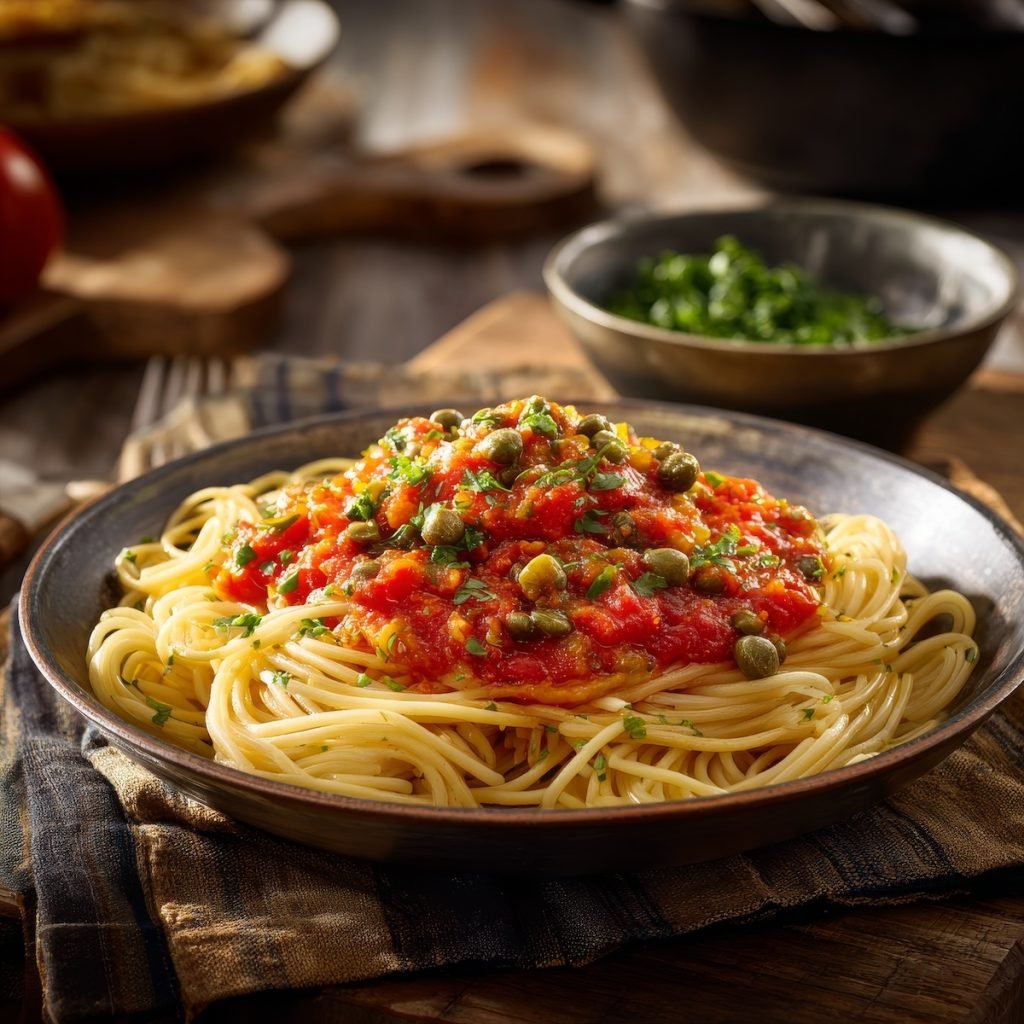
Are you ready to make pasta that tastes like it came from a restaurant? Cooking pasta with sauce might seem simple, but getting it just right can change your whole meal.
Imagine biting into perfectly cooked noodles coated with a rich, flavorful sauce that melts in your mouth. You don’t need to be a chef to achieve this. In this guide, you’ll discover easy steps and insider tips that will help you cook pasta with sauce like a pro.
Keep reading, and you’ll never settle for bland pasta again.
Choosing The Right Pasta
Choosing the right pasta is important for a tasty dish. Different pasta shapes suit different sauces and meals.
Knowing which pasta to pick helps you cook better pasta with sauce every time.
Types Of Pasta
Pasta comes in many shapes and sizes. Each type has a unique texture and purpose in cooking.
- Spaghetti:Long, thin strands that work well with light sauces.
- Penne:Short tubes that hold thick sauces inside.
- Fusilli:Spiral shapes that trap chunky sauces.
- Fettuccine:Flat ribbons that go well with creamy sauces.
- Ravioli:Filled pasta pockets for rich, hearty meals.
Pairing Pasta With Sauce
Matching pasta shapes with the right sauce makes the dish taste better. Thick sauces suit large pasta, thin sauces fit delicate pasta.
| Pasta Type | Best Sauce Type |
| Spaghetti | Light tomato or oil-based sauces |
| Penne | Chunky meat or vegetable sauces |
| Fusilli | Thick and creamy sauces |
| Fettuccine | Rich Alfredo or cheese sauces |
| Ravioli | Butter or simple tomato sauces |

Credit: www.youtube.com
Essential Ingredients
Cooking pasta with sauce needs a few key ingredients. Using good ones makes the dish taste better.
Simple ingredients can create a rich and tasty meal. It is important to pick the right items.
Selecting Quality Ingredients
Choose fresh pasta or good dried pasta. Look for pasta made from durum wheat for firm texture.
Pick fresh tomatoes or high-quality canned tomatoes for the sauce. Fresh garlic and herbs add great flavor.
- Durum wheat pasta holds sauce well
- Fresh tomatoes give natural sweetness
- Fresh garlic adds sharpness
- Fresh herbs like basil and parsley enhance taste
- Good olive oil improves sauce richness
Balancing Flavors
Balance salty, sweet, and sour tastes in your sauce. This makes the pasta dish more enjoyable.
Use salt carefully to bring out flavors. Add a little sugar to cut acidity from tomatoes if needed.
- Salt enhances natural flavors
- Sugar reduces tomato acidity
- Acid like lemon juice or vinegar adds brightness
- Herbs add freshness and aroma
- Spices can give warmth or heat
Preparing The Pasta
Cooking pasta with sauce starts by preparing the pasta correctly. The pasta should be cooked just right to hold the sauce well.
Good pasta preparation makes your meal tasty and enjoyable. It is important to follow simple steps for perfect pasta.
Boiling Water Techniques
Use a large pot to boil water. This gives pasta enough space to cook evenly.
Add salt to the water before adding pasta. Salt improves the pasta’s flavor.
- Fill the pot with plenty of water
- Bring water to a rolling boil
- Add 1-2 tablespoons of salt per 4 quarts of water
- Add pasta only after water boils strongly
Cooking Time And Texture
Check the pasta package for cooking time. Cook pasta until it is “al dente,” or firm to the bite.
Stir pasta occasionally to avoid sticking. Taste pasta a minute before time ends to test texture.
- Follow package cooking time as a guide
- Stir pasta during cooking
- Test pasta by biting it for firmness
- Drain pasta immediately when done
- Save some pasta water to adjust sauce if needed
Making The Sauce
Cooking pasta is only part of the dish. The sauce adds flavor and texture. Making a good sauce is simple and fun.
You can choose from many types of sauces. Here, we focus on three popular kinds to go with your pasta.
Basic Tomato Sauce
Tomato sauce is a classic choice for pasta. It is fresh, tangy, and easy to make at home.
Start by sautéing garlic and onions in olive oil. Add canned tomatoes and simmer until thick. Season with salt, pepper, and herbs like basil or oregano.
- Use fresh or canned tomatoes
- Cook sauce gently to avoid burning
- Add herbs at the end for best flavor
Cream-based Sauces
Cream sauces are rich and smooth. They coat pasta well and taste delicious.
To make a cream sauce, heat butter and add heavy cream. Let it simmer until thick. Add cheese like Parmesan for extra taste. Season with salt and pepper.
- Use fresh cream for best texture
- Do not boil cream to avoid curdling
- Add cheese slowly while stirring
Oil And Garlic Sauces
Oil and garlic sauce is simple and tasty. It is light and quick to prepare.
Warm olive oil in a pan. Add sliced garlic and cook until fragrant. Toss pasta in the sauce. Add chili flakes or parsley if you like.
- Use good quality olive oil
- Do not burn garlic, keep heat low
- Add fresh herbs to enhance flavor
Combining Pasta And Sauce
Combining pasta and sauce is a key step in cooking pasta dishes. The goal is to mix them so each bite tastes balanced.
Using the right technique helps the sauce stick well to the pasta. This makes the dish flavorful and enjoyable.
Tossing Techniques
Tossing pasta with sauce evenly spreads the flavors. It also prevents clumps and dry spots on the noodles.
- Use a large pan or bowl to have enough space.
- Add a small amount of pasta water to loosen the sauce if needed.
- Lift and turn the pasta gently with tongs or a spoon.
- Keep tossing until the pasta is fully coated with sauce.
- Serve immediately for the best taste and texture.
Achieving Perfect Coating
Perfect coating means sauce clings to every strand or piece of pasta. This enhances the dish’s flavor and texture.
| Factor | Tip |
| Pasta water | Use reserved water to adjust sauce consistency |
| Heat | Toss pasta and sauce on low heat for better absorption |
| Amount of sauce | Use enough sauce to cover but not drown the pasta |
| Tossing time | Mix long enough to blend flavors, about 1-2 minutes |

Credit: fortheloveofcooking.net
Adding Final Touches
After cooking your pasta and sauce, the final touches make your dish look and taste better. Small details can add flavor and style.
Adding garnishes and choosing how to serve your pasta can create a great meal experience.
Garnishing Ideas
Garnishes add color and flavor to your pasta dish. They make your meal more inviting and tasty.
- Fresh basil leaves add a bright, herbal taste
- Grated Parmesan cheese gives a salty, rich flavor
- Chopped parsley adds a fresh, green touch
- Crushed red pepper flakes add a spicy kick
- Toasted pine nuts give a crunchy texture
Serving Suggestions
How you serve pasta affects the meal’s appeal. Use the right plates and sides for a balanced dish.
Warm plates keep the pasta hot longer. Pair pasta with simple sides to complete the meal.
- Use wide, shallow bowls to hold sauce well
- Serve with garlic bread for extra flavor
- Add a side salad for freshness and crunch
- Offer lemon wedges to brighten the taste
- Serve with a glass of water or light wine
Common Mistakes To Avoid
Cooking pasta with sauce seems simple but many make small mistakes. These errors can ruin the taste and texture.
Learning what to avoid helps you make better pasta dishes every time. Focus on key issues like cooking time and sauce texture.
Overcooking Pasta
Overcooking pasta makes it soft and mushy. It loses its bite and does not hold the sauce well.
Check the pasta a minute or two before the package time ends. Pasta should be firm but not hard.
- Use plenty of boiling water for even cooking
- Stir pasta occasionally to avoid sticking
- Drain pasta as soon as it is al dente
- Do not rinse pasta after draining to keep starch
Sauce Consistency Issues
Too thick or too thin sauce can spoil your pasta dish. It should coat the pasta lightly and evenly.
Adjust sauce thickness by adding water or cooking longer. Avoid adding too much oil or cream at once.
- Thin sauce: simmer longer or add a thickener like tomato paste
- Thick sauce: add pasta water or broth to loosen it
- Stir sauce gently to keep smooth texture
- Serve sauce hot to enhance flavor and texture

Credit: playswellwithbutter.com
Frequently Asked Questions
How Do I Cook Pasta Perfectly Every Time?
Boil pasta in salted water until al dente, usually 8-12 minutes. Stir occasionally to prevent sticking. Drain but save some pasta water for sauce.
When Should I Add Sauce To Cooked Pasta?
Add sauce immediately after draining pasta while it’s hot. Toss well to coat evenly. Use reserved pasta water to adjust sauce consistency.
Can I Mix Pasta And Sauce Before Serving?
Yes, mixing pasta and sauce before serving helps flavors blend. Toss gently to avoid breaking pasta. Serve promptly for best taste and texture.
How Much Sauce Should I Use With Pasta?
Use about 1 cup of sauce per 8 ounces of pasta. Adjust based on sauce type and personal preference for flavor balance.
Conclusion
Cooking pasta with sauce is simple and fun to do. Boil the pasta until it is just right. Warm the sauce gently and mix it well with the pasta. Taste often to get the flavors just right. Serve your dish hot for the best experience.
With practice, you will enjoy making this meal often. A good pasta dish can bring smiles to any table. Try different sauces to find your favorite. Enjoy your cooking and happy eating!