
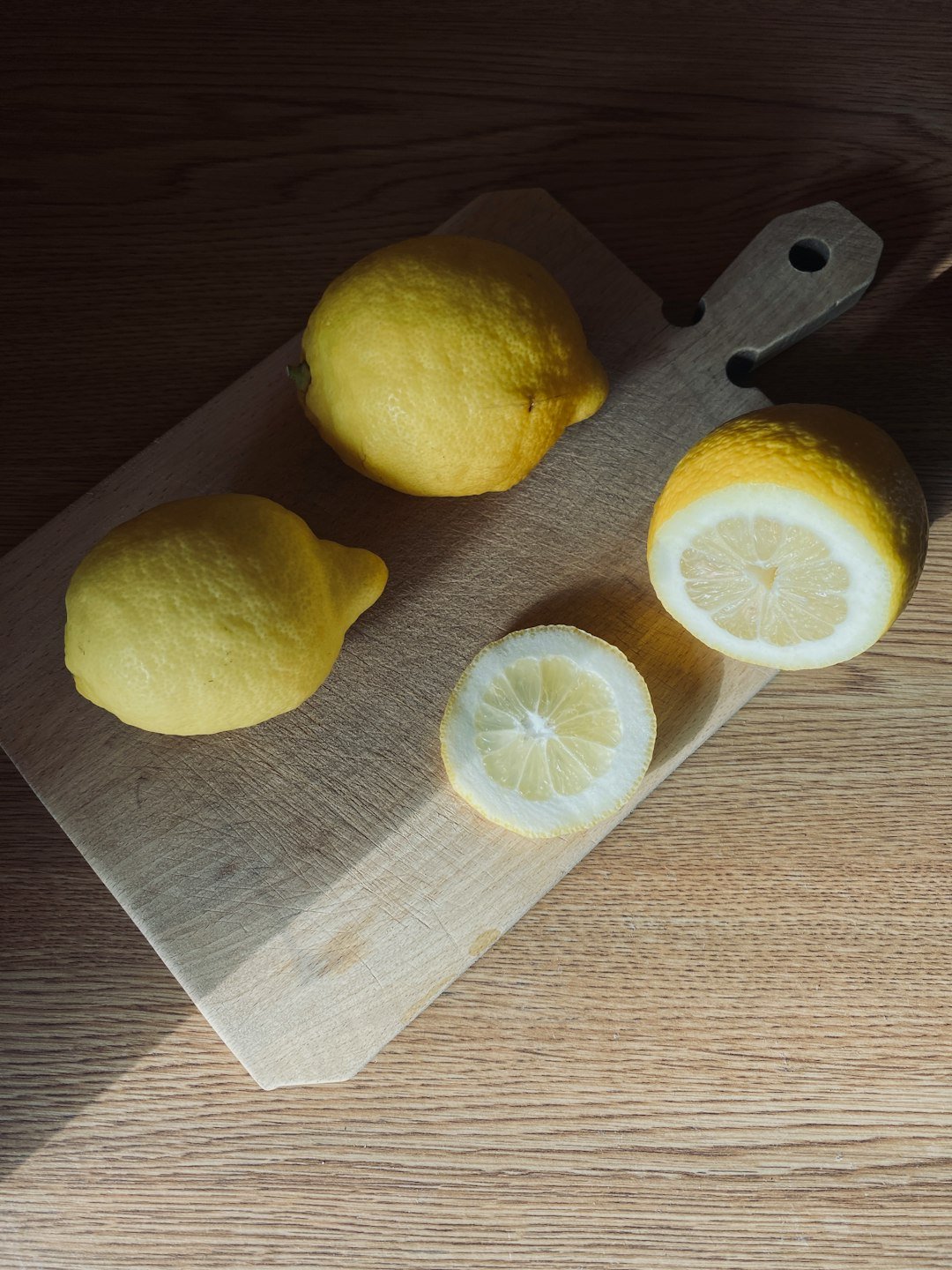
Are your cutting boards starting to look stained or smell a bit off? You might be surprised that a simple lemon can be your best cleaning tool.
Using lemon to clean your cutting boards is natural, safe, and effective. You’ll discover easy tips to make your cutting boards fresh and spotless again. Keep reading to learn how this simple fruit can transform your kitchen cleaning routine!

Credit: homewithgraceandjoy.com
Benefits Of Using Lemon For Cleaning
Lemon is a natural cleaner that works well on cutting boards. It helps remove stains and odors.
Using lemon is safe, eco-friendly, and easy to do at home. It also kills many germs.
Natural Antibacterial Properties
Lemon contains citric acid, which helps kill bacteria on cutting boards. This makes your kitchen safer.
Removes Stains And Odors
The acid in lemon breaks down stains from foods like garlic or onion. It also removes strong smells.
- Cut a lemon in half
- Rub it on the cutting board surface
- Let the juice sit for a few minutes
- Rinse with warm water
Safe And Eco-friendly Cleaner
Lemon is non-toxic and safe for food use. It avoids harsh chemicals found in many cleaners.
| Benefit | Explanation |
| Antibacterial | Kills germs naturally |
| Stain Removal | Breaks down food stains |
| Odor Removal | Neutralizes strong smells |
| Eco-Friendly | Safe for environment and health |
Choosing The Right Lemon
Cleaning cutting boards with lemon is a simple and natural way to keep them fresh. Picking the right lemon makes the cleaning easy and effective.
Not all lemons are the same. Some work better for cleaning because of their size, juice amount, and acidity.
Pick Fresh And Firm Lemons
Fresh lemons have more juice and stronger acidity. A firm lemon means it is ripe and full of juice. Soft lemons may be dry inside.
Use your hands to gently squeeze the lemon. If it feels firm but gives slightly, it is ready to use.
Choose Lemons With Thin Skin
Lemons with thin skin usually have more juice. Thick-skinned lemons can be harder to squeeze and may have less juice.
You can tell if the skin is thin by looking closely and touching it. Thin skin feels smooth and slightly soft.
Select Lemons With Bright Yellow Color
Bright yellow lemons are ripe and acidic. They work best for cleaning because acid helps break down stains and germs.
A lemon that is green or pale yellow may not have enough acid and juice for cleaning.
Avoid Lemons With Spots Or Wrinkles
Spotty or wrinkled lemons may be old or drying out. They have less juice and weaker cleaning power.
- Look for smooth skin without dark spots
- Avoid lemons with soft spots or wrinkles
- Use fresh lemons for best cleaning results
Preparing Your Cutting Board
Cleaning your cutting board with lemon is a natural way to keep it fresh. Before using lemon, prepare your board properly.
Good preparation helps remove dirt and makes lemon cleaning more effective. Start with simple steps to get your board ready.
Removing Surface Debris
First, remove any food bits or debris on the board. Use a bench scraper or a clean cloth to wipe it off.
Rinse the board under warm water to wash away loose particles. Do not soak the board for too long.
- Scrape off leftover food scraps
- Rinse with warm water
- Use a soft brush if needed
Drying The Board
After rinsing, dry the cutting board well. Use a clean towel to remove surface water.
Allow the board to air dry standing up. This prevents moisture buildup and warping.
- Wipe with a dry cloth
- Stand the board upright
- Let air dry completely before use

Credit: www.lifenreflection.com
Lemon Cleaning Techniques
Lemon is a natural cleaner that removes stains and odors from cutting boards. It works well on wood and plastic boards. Using lemon helps keep your cutting board fresh and safe for food.
Here are three easy lemon cleaning methods to try. Each method uses simple ingredients you likely have at home.
Direct Application Method
Cut a lemon in half and rub it directly on your cutting board. The lemon juice breaks down stains and kills bacteria. Let the juice sit for a few minutes, then rinse with warm water.
Lemon And Salt Scrub
This method uses coarse salt to scrub the board with lemon. The salt helps remove tough stains and tiny food particles.
- Sprinkle coarse salt evenly over the cutting board.
- Use half a lemon to scrub the salt into the board surface.
- Rub in circular motions to lift stains and odors.
- Rinse the board well with warm water.
- Dry the board with a clean towel.
Lemon And Baking Soda Paste
Mix lemon juice and baking soda to make a paste. This paste cleans deeply and deodorizes your cutting board.
| Ingredient | Amount | Purpose |
|---|---|---|
| Lemon juice | 2 tablespoons | Breaks down stains and kills germs |
| Baking soda | 1 tablespoon | Scrubs surface and removes odors |
Apply the paste to your cutting board. Let it sit for 5 minutes. Scrub with a soft brush, then rinse well and dry.
Maintaining Your Cutting Board
Keeping your cutting board clean helps it last longer. Using lemon is a natural way to clean and freshen your board.
Regular care stops bacteria and removes stains. Simple steps make your board safe and ready for food prep.
Regular Cleaning Routine
After each use, wash the cutting board with warm water and mild soap. Avoid harsh chemicals that can damage the wood.
Rub half a lemon over the board to clean and remove odors. Let the lemon juice sit for five minutes before rinsing.
- Wash with warm water and mild soap
- Scrub with half a lemon to disinfect
- Let lemon juice sit for five minutes
- Rinse well and dry completely
Avoiding Moisture Damage
Wood can warp or crack if it stays wet. Always dry your cutting board with a towel after washing.
Store the board in a dry, upright position. This stops moisture from collecting and causing damage.
- Dry board with a clean towel after use
- Store upright to air dry fully
- Do not soak board in water
- Apply mineral oil regularly to protect wood
Additional Natural Cleaning Tips
Cleaning cutting boards with lemon is a natural way to freshen them. You can also use other natural products to keep boards clean and safe.
These tips help remove stains and odors without harsh chemicals. Use them along with lemon for the best results.
Using Vinegar
Vinegar is a strong natural cleaner. It helps kill bacteria and remove smells from cutting boards. Use white vinegar for best effect.
- Spray vinegar directly on the board.
- Let it sit for 5 minutes to disinfect.
- Wipe with a clean cloth or rinse with water.
- Dry the board completely before storing.
Essential Oils For Freshness
Essential oils add a fresh scent and boost cleaning power. Some oils also have antibacterial properties.
| Essential Oil | Benefit |
|---|---|
| Tea Tree | Antibacterial and antifungal |
| Lavender | Fresh scent and mild antiseptic |
| Lemon | Natural deodorizer and cleaner |
| eucalyptus | Antimicrobial and refreshing aroma |
Mix a few drops of essential oil with water or vinegar. Use this mix to wipe your board. It helps keep your board clean and smelling nice.

Credit: homewithgraceandjoy.com
Frequently Asked Questions
How Does Lemon Clean Cutting Boards Effectively?
Lemon’s natural acidity breaks down stains and kills bacteria on cutting boards. Its antimicrobial properties make it a safe, natural cleaner. The citrus oils help remove odors and residues, leaving the board fresh and sanitized without harsh chemicals.
Can Lemon Remove Cutting Board Odors Completely?
Yes, lemon neutralizes strong odors like garlic or onion on cutting boards. Rubbing lemon juice or slices on the surface absorbs and eliminates unpleasant smells. It leaves a fresh, clean scent, making it an effective natural deodorizer for wooden or plastic boards.
Is Lemon Safe For All Cutting Board Types?
Lemon is generally safe for wood and plastic cutting boards. However, avoid excessive lemon use on delicate or untreated wood, as acidity may cause slight damage. Always rinse well and dry boards thoroughly after cleaning to maintain their longevity.
How Often Should I Clean Cutting Boards With Lemon?
Clean cutting boards with lemon after each use or weekly for deep cleaning. Frequent lemon cleaning prevents bacteria buildup and odor development. For best results, combine lemon with coarse salt or baking soda for scrubbing.
Conclusion
Cleaning cutting boards with lemon keeps them fresh and safe. Lemon’s natural acidity helps remove stains and odors. Regular cleaning stops bacteria from growing on wood or plastic boards. Simple steps make your kitchen cleaner and healthier. Try this easy method to keep boards looking new.
Small habits lead to better food hygiene every day. A clean cutting board means better meals and less worry. Give lemon a chance to brighten your kitchen routine.