
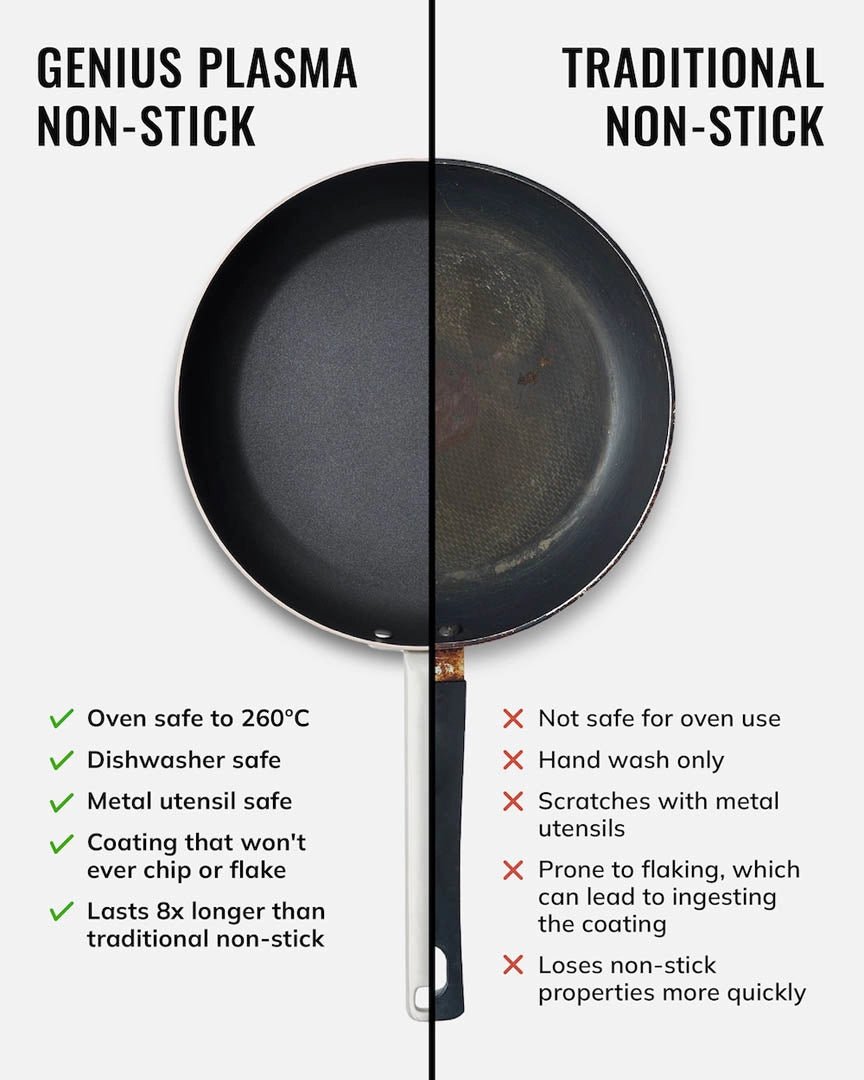
Your non-stick pans are a kitchen treasure. They make cooking easier and cleanup faster.
But if you don’t take care of them properly, their magic can fade quickly. Imagine your favorite pan losing its smooth surface or food sticking like never before. You don’t want that, right? You’ll discover simple and effective ways to keep your non-stick pans in top shape.
By following these easy tips, you’ll save money, cook better meals, and enjoy hassle-free cleaning every time. Keep reading to unlock the secrets to making your pans last longer and work like new.
Choosing The Right Utensils
Using the right utensils helps keep your non-stick pans safe. The wrong tools can scratch and damage the surface.
Choosing utensils carefully can make your pans last longer and cook better.
Avoid Metal Utensils
Metal utensils can scratch the non-stick coating. Scratches reduce the pan’s ability to release food easily.
Using metal tools can cause the coating to peel or wear out faster. This may shorten the pan’s life.
- Metal spatulas
- Forks or knives
- Metal whisks
Opt For Silicone Or Wooden Tools
Silicone and wooden utensils are gentle on non-stick surfaces. They help protect the coating from damage.
These tools are heat resistant and safe to use with all types of non-stick pans.
- Silicone spatulas and spoons
- Wooden spoons and turners
- Silicone tongs
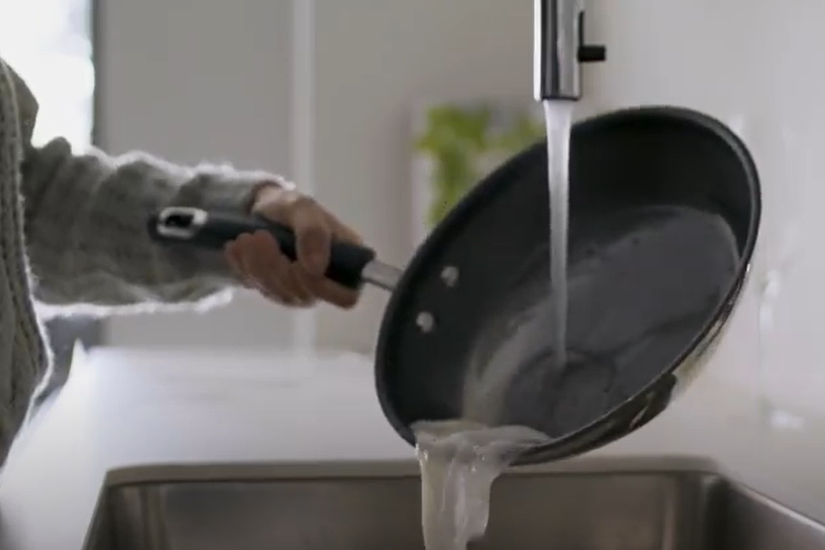
Credit: circulon.uk.com
Proper Cleaning Techniques
Cleaning non-stick pans correctly keeps their surface safe and lasts longer. Using the right methods stops damage and keeps the pan smooth.
Always clean your pan gently after cooking. This care protects the non-stick coating from scratches and wear.
Hand Wash With Mild Detergents
Use warm water and mild detergent to wash your non-stick pan. Avoid strong chemicals that can harm the coating.
- Fill the sink with warm water
- Add a small amount of mild dish soap
- Use a soft sponge to clean the pan
- Rinse well with clean water
- Dry with a soft towel immediately
Avoid Harsh Scrubbing Pads
Do not use steel wool or rough scrubbers. These can scratch the surface and reduce the pan’s non-stick ability.
| Scrubbing Tool | Safe for Non-Stick Pans |
|---|---|
| Soft sponge | Yes |
| Plastic scrubber | Yes |
| Steel wool | No |
| Metal brush | No |
Storage Solutions
Proper storage helps keep non-stick pans in good shape. It prevents scratches and damage to the cooking surface.
Storing pans carefully extends their life and keeps them safe to use. Use smart methods to protect your pans.
Use Protective Layers Between Pans
Place a soft cloth or paper towel between pans. This layer stops pans from rubbing against each other.
Protective layers reduce scratches and keep the non-stick surface smooth. Avoid using rough materials that can cause damage.
- Use felt pan protectors
- Place paper towels between stacked pans
- Use silicone pan separators for extra cushion
- Avoid plastic wrap or foil as they can slip
Avoid Stacking Heavy Items
Do not put heavy pots or pans on top of your non-stick pans. The weight can cause dents or scratches.
Keep heavy items separate or on lower shelves. This prevents pressure that can harm the non-stick coating.
- Store heavy pans separately
- Use hooks or racks for heavy pots
- Place non-stick pans on top if stacking is needed
- Check storage areas for even weight distribution
Credit: misen.com
Temperature Control
Proper temperature control is key to keeping non-stick pans in good shape. High heat can damage the coating and shorten the pan’s life.
Using the right heat level helps food cook evenly and keeps the pan safe to use for a long time.
Cook On Low To Medium Heat
Always cook with low to medium heat on non-stick pans. High heat can break down the coating and cause it to peel.
Cooking at lower temperatures also prevents food from sticking and burning. It helps keep the pan smooth and effective.
- Use low heat for gentle cooking like eggs or pancakes
- Medium heat works well for sautéing vegetables
- Avoid using high heat unless the pan is designed for it
Avoid Preheating On High
Do not preheat your non-stick pan on high heat. High preheating can warp the pan and ruin the coating.
Instead, preheat slowly on low or medium heat. This keeps the pan safe and ready for cooking.
- Turn the burner to low or medium before placing the pan
- Wait a few minutes to warm the pan gradually
- Avoid empty pans on high heat to protect the coating
Regular Maintenance Tips
Keeping your non-stick pans in good shape helps them last longer. Simple care steps protect the coating and keep cooking easy.
Regular maintenance stops damage and keeps the pan safe to use. Follow these tips to care for your pans every day.
Recondition With Oil
Oiling your non-stick pan keeps the surface smooth and helps prevent food from sticking. It also restores some shine after cleaning.
- Heat the pan on low for 1–2 minutes.
- Turn off the heat and add a small amount of cooking oil.
- Use a paper towel to spread oil evenly inside the pan.
- Let the pan cool before wiping off any extra oil.
- Do this once every few uses or after deep cleaning.
Inspect For Scratches And Wear
Check your pan often for scratches or worn spots. Damage can cause food to stick and may release harmful particles if the coating breaks down.
| What to Check | Why It Matters |
| Small scratches | May reduce non-stick effect |
| Large worn areas | Can cause food to stick and burn |
| Peeling coating | Unsafe to use, may need replacement |
Common Mistakes To Avoid
Taking care of non-stick pans helps them last longer. Some common mistakes can damage the coating. Avoid these to keep your pans working well.
Simple habits can ruin non-stick surfaces. Learning what to avoid protects your pans and your food.
Overheating The Pan
Non-stick pans can get damaged by high heat. Overheating breaks down the coating and releases harmful fumes. Use medium or low heat instead.
Never leave an empty non-stick pan on a hot burner. The pan heats too fast and can warp or lose its non-stick ability.
- Use low to medium heat for cooking
- Do not preheat an empty pan
- Turn off the burner when not in use
- Watch the pan closely to avoid overheating
Using Cooking Sprays
Cooking sprays leave sticky residues on non-stick pans. These residues build up and ruin the surface. Instead, use a small amount of oil or butter.
Sprays often contain additives that burn and stick. This makes cleaning harder and reduces the pan’s life.
- Avoid using aerosol cooking sprays
- Apply oil or butter with a brush or paper towel
- Clean the pan gently after each use

Credit: www.reddit.com
Frequently Asked Questions
How Do I Clean Non-stick Pans Properly?
Clean non-stick pans with warm, soapy water and a soft sponge. Avoid abrasive cleaners or steel wool to protect the coating. Rinse thoroughly and dry with a soft cloth to prevent damage and maintain the pan’s non-stick properties.
Can I Use Metal Utensils On Non-stick Pans?
No, metal utensils can scratch and damage non-stick coatings. Use wooden, silicone, or plastic utensils instead. This helps preserve the pan’s surface and extends its lifespan, keeping it non-stick and safe for cooking.
How Should I Store Non-stick Pans Safely?
Store non-stick pans by stacking them with a soft cloth or paper towel between each. This prevents scratching and chipping of the coating. Avoid overcrowding to maintain the pan’s smooth surface and functionality.
Is It Safe To Use High Heat On Non-stick Pans?
Avoid high heat as it can degrade the non-stick coating and release harmful fumes. Use low to medium heat for best results. This ensures even cooking and prolongs the life of your non-stick pan.
Conclusion
Taking care of your non-stick pans saves money and time. Clean them gently with soft sponges and mild soap. Avoid high heat to keep the coating safe. Use wooden or silicone tools to prevent scratches. Store pans carefully to avoid damage.
Small efforts make your pans last longer and cook better. A well-maintained pan keeps food from sticking and cooks evenly. Remember, simple care steps protect your kitchen tools daily. Keep these tips in mind for a happy cooking experience.