
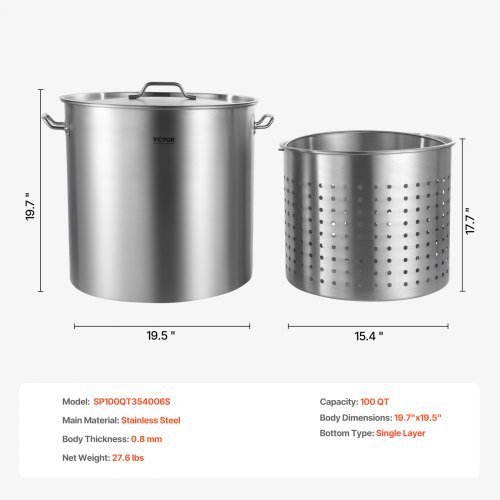
Choosing the right stockpot size can make a big difference in your cooking experience. If your pot is too small, you’ll struggle with spills and uneven cooking.
Too large, and you might waste energy and space. You want a pot that fits your needs perfectly—whether you’re making a family dinner or prepping meals ahead. You’ll discover simple tips to pick the ideal stockpot size for your kitchen.
By the end, you’ll feel confident selecting the perfect pot that saves time, energy, and stress every time you cook. Keep reading to find out how!

Credit: www.amazon.ca
Factors Influencing Stockpot Size
Choosing the right stockpot size is important for cooking efficiency. The size affects how much food you can prepare and how well heat distributes.
This guide explains key factors to consider when selecting a stockpot. These points help you pick a pot that fits your cooking needs.
Type Of Meals You Cook
Your cooking style affects the stockpot size you need. Large meals or batch cooking require bigger pots. Small meals need smaller pots.
Number Of People Served
The number of people you cook for guides your choice. Bigger families need larger stockpots. Cooking for one or two needs less capacity.
- Small pot (4-6 quarts): Ideal for 1-3 people
- Medium pot (8-12 quarts): Fits 4-6 people
- Large pot (16+ quarts): Good for 7 or more people
Kitchen Space And Storage
Your kitchen size limits the stockpot size you can use and store. Large pots take more space and weight. Small kitchens suit smaller pots.
Cooking Equipment Compatibility
Check if your stove and oven fit the pot size. Very large pots may not heat evenly on small burners. Choose a pot that matches your equipment.
Types Of Recipes
Different recipes need different pot sizes. Soups and stocks usually need large pots. Stews and sauces may require medium pots. Boiling pasta can need wide, shallow pots.
| Recipe Type | Recommended Pot Size |
|---|---|
| Stock and broth | 12-16 quarts |
| Stews and chili | 8-12 quarts |
| Boiling pasta or vegetables | 8-12 quarts |
| Small sauces or side dishes | 4-6 quarts |
Cooking For Different Group Sizes
Choosing the right stockpot size helps you cook efficiently. It saves energy and keeps food tasty.
Different group sizes need different pot sizes. Use the right size for your cooking needs.
Family Meals
For family meals, a medium-sized stockpot works best. It holds enough food for 4 to 6 people.
- 6 to 8 quart pots suit most families
- Easy to handle and store
- Good for soups, stews, and pasta
Large Gatherings
Large groups need bigger pots. This helps cook large batches at once.
| Group Size | Recommended Stockpot Size |
| 10 to 15 people | 12 to 16 quarts |
| 15 to 30 people | 20 to 24 quarts |
| More than 30 people | 26 quarts or larger |
Solo Cooking
Cooking for one calls for a small stockpot. It heats food faster and uses less energy.
- 2 to 4 quart pots are ideal
- Easy to clean and store
- Good for small soups and sauces
Common Stockpot Sizes And Uses
Stockpots come in many sizes to fit different cooking needs. Choosing the right size helps you cook efficiently and avoid waste.
Knowing common stockpot sizes and their uses makes it easier to pick one for your kitchen. This guide explains small, medium, and large stockpots.
Small Stockpots
Small stockpots usually hold 4 to 6 quarts. They are perfect for making soups, sauces, or boiling small amounts of pasta.
These pots are easy to handle and heat up quickly. They save space in small kitchens and are great for everyday cooking.
- 4 to 6 quart capacity
- Good for soups and sauces
- Easy to store and clean
Medium Stockpots
Medium stockpots hold between 8 and 12 quarts. They work well for cooking larger meals or batches of food.
These pots are useful for boiling pasta, making stews, or cooking vegetables. They balance capacity and ease of use.
- 8 to 12 quart capacity
- Ideal for family meals
- Good for soups, stews, and pasta
Large Stockpots
Large stockpots hold 16 quarts or more. They are designed for cooking big batches of food at once.
These pots are great for canning, making broth, or feeding many people. They need more storage space and take longer to heat.
- 16 quarts or larger
- Used for large meals and canning
- Take up more space and heat slowly
Material Considerations
Choosing the right stockpot size depends on the material it is made from. Different materials cook food differently and affect durability.
Understanding each material helps you pick a stockpot that suits your cooking needs and lasts longer.
Stainless Steel
Stainless steel stockpots are strong and resist rust. They do not react with food, so flavors stay pure.
This material heats evenly but may have hot spots if the base is thin. Many pots have a layered bottom to fix this.
- Durable and long-lasting
- Easy to clean and maintain
- Non-reactive with acidic foods
- Often heavier than other materials
Aluminum
Aluminum stockpots heat up quickly and distribute heat well. They are lighter than stainless steel.
Aluminum can react with some foods and may discolor. Many pots have a non-stick or anodized coating to prevent this.
- Lightweight and easy to handle
- Excellent heat conductor
- May need special coatings
- Can warp at high heat
Copper
Copper stockpots heat very evenly and respond quickly to temperature changes. They look attractive and stylish.
Copper reacts with food, so most pots have a lining of stainless steel or tin inside. Copper pots need more care to keep their shine.
- Best heat control for cooking
- Requires regular polishing
- Usually more expensive
- Needs a protective lining inside
Shape And Design Impacts
Choosing the right stockpot size depends a lot on its shape and design. These factors affect how heat spreads and how easy the pot is to use.
Understanding these impacts helps you pick a pot that cooks food evenly and fits your kitchen needs.
Base Shape And Heat Distribution
The base shape of a stockpot affects how heat moves through it. A wider base gives more surface area for heat, helping food cook evenly.
Taller, narrow pots may heat unevenly and take longer to cook large amounts of food.
Pot Height And Cooking Volume
Height impacts how much you can cook at once. Taller pots hold more liquid but can be harder to stir.
- Shorter pots work well for soups and stews that need stirring.
- Taller pots suit boiling pasta or making stocks.
- Choose based on the typical meals you prepare.
Handle Design And Safety
Handle shape affects comfort and safety. Large, sturdy handles make lifting easier, especially when the pot is full.
| Handle Type | Advantage | Consideration |
| Loop Handles | Good grip and balance | Can get hot quickly |
| Side Handles | Easy to lift with both hands | May take more space in storage |
| Long Handles | Better for stirring | Less balanced when lifting full pot |
Lid Design And Cooking Efficiency
A tight-fitting lid keeps heat and moisture inside. This speeds cooking and saves energy.
Look for lids that:
- Fit snugly without gaps
- Have a heat-resistant handle
- Are easy to lift without spilling
Budget And Durability
Choosing the right stockpot size depends on your budget and how long it will last. A good stockpot should fit your cooking needs and be strong enough for regular use.
Understanding the balance between cost and quality helps you pick a pot that saves money in the long run.
Budget Considerations
Set a clear budget before shopping for a stockpot. Prices vary based on size, material, and brand. Think about how much you want to spend and what features matter most.
- Smaller pots usually cost less but fit fewer servings.
- Stainless steel pots tend to be pricier but last longer.
- Non-stick options may be cheaper but can wear out faster.
- Look for sales or discounts to get better value.
- Remember that the cheapest pot may need replacing soon.
Durability Factors
Durability means how well the pot holds up over time. Choose materials and designs that resist damage and handle heat well.
| Material | Durability | Cost Range |
| Stainless Steel | High – resists rust and dents | Medium to High |
| Aluminum | Moderate – light but can scratch | Low to Medium |
| Cast Iron | Very High – lasts for decades | High |
| Non-stick Coated | Low to Moderate – coating can wear off | Low to Medium |
Balancing Budget And Durability
Pick a stockpot size that fits your budget and lasts long. A durable pot may cost more but saves money on replacements.
Here are tips to find the best balance:
- Decide your usual cooking volume to pick the right size.
- Choose durable materials for frequent use.
- Consider if a warranty or brand reputation adds value.
- Check product reviews for real user feedback.
Space And Storage Solutions
Choosing the right stockpot size helps save kitchen space. It also makes storage easier and more organized.
Think about your kitchen size and storage options before buying a stockpot. This saves you from clutter.
Measure Your Kitchen Space
Check the available space on your stove and countertop. A large stockpot might not fit well in small areas.
Keep enough room for other cooking tools and pots. Avoid buying a pot that blocks your workspace.
Consider Your Storage Options
Look at your kitchen cabinets and shelves. Choose a stockpot size that fits inside without trouble.
If cabinet space is tight, choose stackable or nesting pots. These save room and keep your kitchen neat.
- Check pot height and width before buying
- Choose pots that can stack inside each other
- Use wall hooks for hanging if cabinets are full
Think About How Often You Use It
Pick a stockpot size that matches your cooking habits. Large pots are good for big meals but take more space.
Smaller pots are easier to store and handle daily. Use larger pots only if you cook for many people regularly.
Use Storage Accessories
Storage accessories help keep your stockpots organized. Use pot racks, shelves, or pull-out drawers to save space.
These tools let you store pots neatly and find them quickly. They work well in small kitchens with limited cabinet space.
- Install wall-mounted pot racks
- Use shelf dividers inside cabinets
- Try pull-out drawers for deep storage

Credit: www.amazon.ca
Versatility And Multi-use Options
Choosing the right stockpot size is important for many cooking tasks. A good stockpot can handle soups, stews, pasta, and even large meals for gatherings.
Understanding the versatility of different sizes helps you pick one that fits your kitchen needs and saves space.
Consider The Types Of Meals You Cook
Think about the meals you prepare most often. If you cook large batches or family meals, a bigger pot works best. Smaller pots suit everyday cooking for one or two people.
Look At Capacity And Storage Space
Stockpots come in sizes from 4 quarts to 20 quarts or more. Consider your kitchen space and storage before choosing a very large pot.
- 4 to 6 quarts: Good for small soups and boiling pasta for 2-3 people.
- 8 to 12 quarts: Ideal for family meals and batch cooking.
- 16 quarts or larger: Best for big gatherings or cooking large amounts at once.
Multi-use Features To Check
Choose stockpots with lids that fit well and handles that stay cool. Look for pots that can go on different stovetops and in the oven.
| Feature | Benefit |
| Tight-fitting lid | Keeps heat and moisture inside |
| Cool-touch handles | Easy and safe to carry |
| Oven safe | Allows versatile cooking methods |
| Compatible with induction | Works on many cooktops |
Tips For Maintaining Stockpots
Stockpots last longer with proper care. Keeping them clean and undamaged helps your cooking.
Follow simple steps to maintain your stockpot. This keeps it safe and ready to use.
Cleaning After Use
Wash your stockpot right after cooking. Use warm water and mild soap to avoid stains.
- Let the pot cool before washing
- Use a soft sponge to avoid scratches
- Remove stuck food with baking soda paste
- Rinse well to remove soap
- Dry with a soft cloth to prevent water spots
Avoiding Damage
Handle your stockpot with care. Avoid using metal tools that can scratch the surface.
Do not heat an empty pot. This can cause warping and damage the material.
Storage Tips
Store stockpots in a dry, cool place. Stack carefully to avoid dents or scratches.
| Storage Method | Benefit |
| Hang pots on hooks | Saves space and prevents damage |
| Use pot protectors when stacking | Prevents scratches and dents |
| Keep lids separate | Prevents chipping and fits better |
Periodic Maintenance
Check your stockpot regularly. Polish stainless steel pots to keep shine.
- Remove stains with vinegar or lemon juice
- Use a stainless steel cleaner for shine
- Inspect handles and lids for tightness
- Replace worn parts if needed

Credit: www.amazon.ca
Frequently Asked Questions
What Stockpot Size Is Best For Family Cooking?
A 6 to 8-quart stockpot suits most family meals. It handles soups, stews, and pasta easily. Larger sizes serve bigger groups or batch cooking needs.
How To Choose Stockpot Size For Soups?
Select a stockpot that holds at least double your soup quantity. This prevents boiling over and allows space for stirring and ingredients.
Does Stockpot Size Affect Cooking Time?
Yes, larger stockpots may take longer to heat. However, they cook evenly when properly heated and stirred. Size impacts heat distribution and cooking speed.
What Size Stockpot Is Good For Beginners?
A 6-quart stockpot is ideal for beginners. It’s versatile, manageable, and fits most recipes. This size balances capacity and ease of use.
Conclusion
Choosing the right stockpot size makes cooking easier and more fun. Think about how many people you cook for each time. Bigger pots suit large meals or soups, while smaller ones save space and heat quickly. Remember your stove size and kitchen storage too.
The right pot helps you cook food evenly and saves energy. Take your time deciding, and enjoy cooking with a pot that fits your needs perfectly. Simple choices lead to better meals and less hassle in the kitchen.