
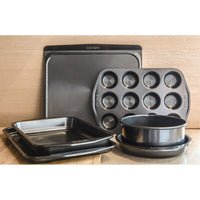
Choosing the right bakeware for roasting can make all the difference in your cooking. Have you ever wondered why some roasts come out perfectly tender while others dry out or stick to the pan?
The secret often lies in the bakeware you use. In this guide, you’ll discover simple tips to pick the best roasting pans that suit your needs and help you create mouthwatering meals every time. Keep reading, and you’ll never have to worry about uneven cooking or tough cleanup again.
Material Types
Choosing the right bakeware material affects your roasting results. Different materials heat food in unique ways. Knowing their traits helps you pick the best one for your kitchen.
Some materials cook food quickly while others keep heat steady. Some are easier to clean or last longer. Read on to learn about five popular bakeware materials.
Aluminum
Aluminum is lightweight and heats up fast. It spreads heat evenly, which helps roast food uniformly. It is affordable but can scratch easily. Aluminum can react with acidic foods and change flavors.
Stainless Steel
Stainless steel is strong and resists rust. It does not react with food, so it keeps flavors pure. It does not heat as fast as aluminum. Often, it has an aluminum or copper core to improve heat flow.
Cast Iron
Cast iron holds heat very well and cooks food evenly. It is heavy and can last a lifetime. It needs seasoning to prevent rust. Cast iron can add iron to your food, which some people like.
Ceramic
Ceramic bakeware looks attractive and is easy to clean. It heats slowly but holds heat long. It is good for even roasting but can break if dropped. Ceramic is safe for oven and microwave use.
Nonstick Coatings
Nonstick coatings make cleaning easy. Food releases without sticking, so you use less oil. Coatings can wear off with use or high heat. Use nonstick bakeware on medium heat to protect the surface.
- Easy to clean
- Less oil needed
- Do not use metal utensils
- Avoid very high temperatures
Shapes And Sizes
Choosing the right bakeware shape and size helps your food cook evenly. Different shapes serve different cooking needs.
Understanding each type of bakeware lets you pick what works best for your roasting recipes.
Rectangular Pans
Rectangular pans are common for roasting meats and vegetables. They offer even heat distribution and fit well in most ovens.
- Available in various depths for different recipes
- Good for layering foods or making casseroles
- Choose sizes based on the amount of food you cook
Oval Roasters
Oval roasters are great for whole birds like turkey or chicken. Their shape holds liquids for basting and keeps meat juicy.
The curved sides help with even cooking and make it easier to handle large cuts of meat.
Sheet Pans
Sheet pans are flat with low edges. They work well for roasting vegetables and baking cookies.
| Size | Use | Best For |
| Half Sheet (13×18 inches) | Fits most ovens | Roasting small batches |
| Quarter Sheet (9×13 inches) | Compact size | Baking small meals |
| Jumbo Sheet | Large surface | Big batches of food |
Roasting Racks
Roasting racks lift food off the pan bottom. This allows hot air to circulate evenly around the food.
- Helps fat drip away from meat
- Prevents food from sitting in juices
- Makes the skin crispier on poultry
- Available in flat or vertical designs
Heat Conductivity
Heat conductivity is how well bakeware spreads heat. Good heat conductivity helps food cook evenly.
Choosing bakeware with the right heat conductivity improves roasting results and stops burning.
Metal Bakeware
Metal pans, like aluminum and stainless steel, conduct heat fast. They roast food evenly and brown well.
Thin metal heats quickly but can burn food. Thick metal holds heat better and cooks slower.
- Aluminum is light and heats quickly.
- Stainless steel is durable but slower to heat.
- Heavy-gauge metal offers steady heat.
Glass Bakeware
Glass heats slower than metal but keeps heat well. It helps roast food evenly over time.
Glass is good for slow roasting but can cause edges to brown first. Watch cooking times closely.
Ceramic Bakeware
Ceramic heats slowly and holds heat evenly. It provides gentle roasting and prevents hot spots.
Ceramic works well for long roasting but takes time to reach cooking temperature.
Cast Iron Bakeware
Cast iron heats slowly but holds heat very well. It cooks food evenly and stays hot for a long time.
It is heavy and needs seasoning to keep food from sticking. Great for roasting with steady heat.

Credit: circulon.uk.com
Durability And Maintenance
Choosing bakeware for roasting means thinking about how long it will last. Durable bakeware saves money over time.
Good maintenance keeps bakeware working well and looking nice. It is important to pick materials that are easy to care for.
Ease Of Cleaning
Bakeware that cleans easily saves time and effort. Non-stick surfaces help food slide off without scrubbing hard.
Some materials can go in the dishwasher, making cleaning quick. Always check if your bakeware is dishwasher safe.
- Look for smooth surfaces without many corners
- Avoid materials that stain or hold odors
- Check if the bakeware is dishwasher safe
- Use gentle cleaners to protect the surface
Long-lasting Materials
Materials like stainless steel and cast iron last many years. They resist scratches and dents during regular use.
Glass and ceramic bakeware can also last long if handled carefully. Avoid sudden temperature changes to prevent cracks.
- Stainless steel resists rust and warping
- Cast iron improves with seasoning over time
- Glass and ceramic offer even heat distribution
- Avoid cheap metals that bend or chip easily
Budget Considerations
Choosing the right bakeware for roasting depends a lot on your budget. You want good quality without spending too much.
Knowing what to expect in price helps you find bakeware that fits your needs and wallet.
Set A Spending Limit
Decide how much money you want to spend before shopping. This helps you avoid buying too expensive items.
Keep in mind that some materials cost more but last longer. Think about how often you will use the bakeware.
Compare Materials And Prices
Different materials have different prices. Some cost less but may not last as long.
- Aluminum is usually affordable and heats quickly.
- Stainless steel is durable but can be pricier.
- Ceramic looks nice but often costs more.
- Nonstick bakeware may save cleaning time but costs vary.
Look For Sales And Discounts
Watch for sales on bakeware. You can get good deals if you buy at the right time.
Discount stores and online shops often have lower prices than regular stores.
Buy Only What You Need
Focus on buying bakeware that matches your cooking habits. Don’t buy too many pieces at once.
Start with basic items and add more later if needed. This saves money and space.
Special Features
Choosing the right bakeware for roasting means looking at special features. These features help you cook better and make cleaning easier.
Pay attention to handles, lids, and if the bakeware is dishwasher safe. These details matter for your cooking experience.
Handles And Grips
Strong handles make it safer to move hot bakeware. Look for grips that stay cool or are easy to hold.
Wide or thick handles give better control and reduce the chance of dropping the dish.
- Check if handles are oven-safe
- Look for non-slip grips
- Choose handles that fit your hands comfortably
Lids And Covers
Lids help keep moisture in and heat even. Some bakeware comes with tight-fitting lids or covers.
Choose lids that are oven-safe and easy to remove. Glass lids let you watch your food while roasting.
- Glass lids show cooking progress
- Metal lids keep heat sealed tightly
- Look for lids with heat-resistant handles
Dishwasher Safe Options
Dishwasher safe bakeware saves time and effort after cooking. Check the product details to be sure.
Some materials like stainless steel and certain ceramics clean well in dishwashers. Others may need hand washing.
- Look for dishwasher safe labels
- Avoid bakeware with delicate coatings if using dishwasher
- Consider ease of cleaning when choosing bakeware
Compatibility With Heat Sources
Choosing the right bakeware depends on the heat source you will use. Some bakeware works well in ovens but not on stovetops. Others may not be safe for induction cooktops.
Understanding which bakeware suits each heat source helps you cook safely and get the best results.
Oven Use
Most bakeware is designed for oven use. Materials like glass, ceramic, and metal can handle oven heat well.
Check the bakeware’s maximum temperature rating to avoid damage or warping. Avoid plastic or wooden bakeware in ovens.
- Metal pans (aluminum, stainless steel) heat evenly.
- Glass and ceramic hold heat well but may crack if heated too fast.
- Avoid non-oven-safe materials in the oven.
Stovetop Use
Not all bakeware can be used on stovetops. Some materials may warp or get damaged with direct heat.
Cast iron and stainless steel are safe for stovetop use. Glass and ceramic bakeware usually cannot go on a burner.
- Use heavy-duty metal for stovetop roasting or searing.
- Thin metal pans may warp on direct heat.
- Do not use glass or ceramic on the stovetop unless stated safe.
Induction Compatibility
Induction cooktops need bakeware with magnetic properties. Not all bakeware works on induction surfaces.
Check if the bakeware is labeled induction compatible. Cast iron and some stainless steel are good choices.
- Test with a magnet: if it sticks, it usually works.
- Aluminum and glass bakeware do not work on induction.
- Use induction-compatible cookware for safety and efficiency.

Credit: www.amazon.com
Credit: www.carawayhome.com
Frequently Asked Questions
What Materials Are Best For Roasting Bakeware?
Metal bakeware, like stainless steel or cast iron, offers excellent heat conduction. These materials ensure even cooking and browning. Avoid glass or ceramic for high-heat roasting as they heat unevenly and can break.
How Does Bakeware Size Affect Roasting Results?
Choose bakeware that fits your food without crowding. Proper spacing allows hot air to circulate, ensuring even roasting. Too large a pan can dry food, while too small causes steaming.
Can Non-stick Bakeware Be Used For Roasting?
Yes, non-stick bakeware is suitable but avoid using metal utensils to prevent scratching. Non-stick surfaces ease cleanup but may not brown food as well as metal pans.
Is A Roasting Pan With A Rack Necessary?
A roasting pan with a rack elevates food, allowing fat to drip away. This promotes even heat circulation and crispier results. It’s ideal for roasting meats and poultry.
Conclusion
Choosing the right bakeware makes roasting easier and tastier. Think about the material, size, and shape you need. Good bakeware lasts long and cooks food evenly. Don’t rush; take time to pick what fits your kitchen. With the right tools, your meals will turn out great every time.
Enjoy cooking and have fun trying new recipes!