
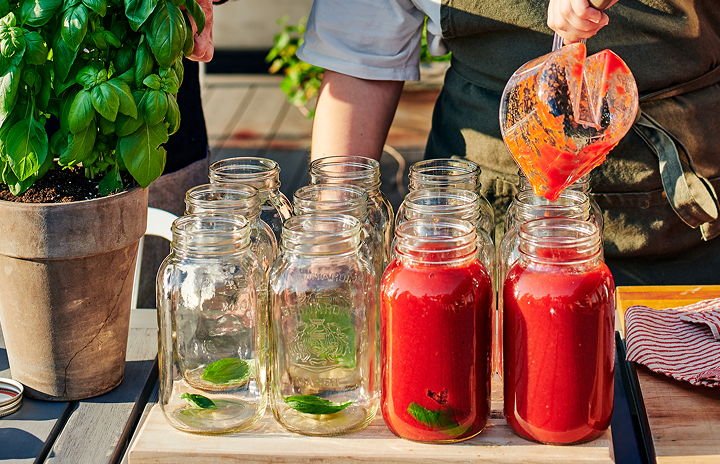
Are you ready to turn fresh tomatoes into a rich, flavorful sauce that will elevate every meal? Making homemade tomato sauce is easier than you think, and once you get the hang of it, you’ll wonder why you ever bought store-bought jars.
Imagine the taste of a sauce made just the way you like it—full of freshness, no added preservatives, and packed with your favorite herbs and spices. In this post, you’ll discover simple tips that will help you create the perfect tomato sauce every time.
Keep reading, and soon you’ll be serving up dishes that taste like they came from a professional kitchen.
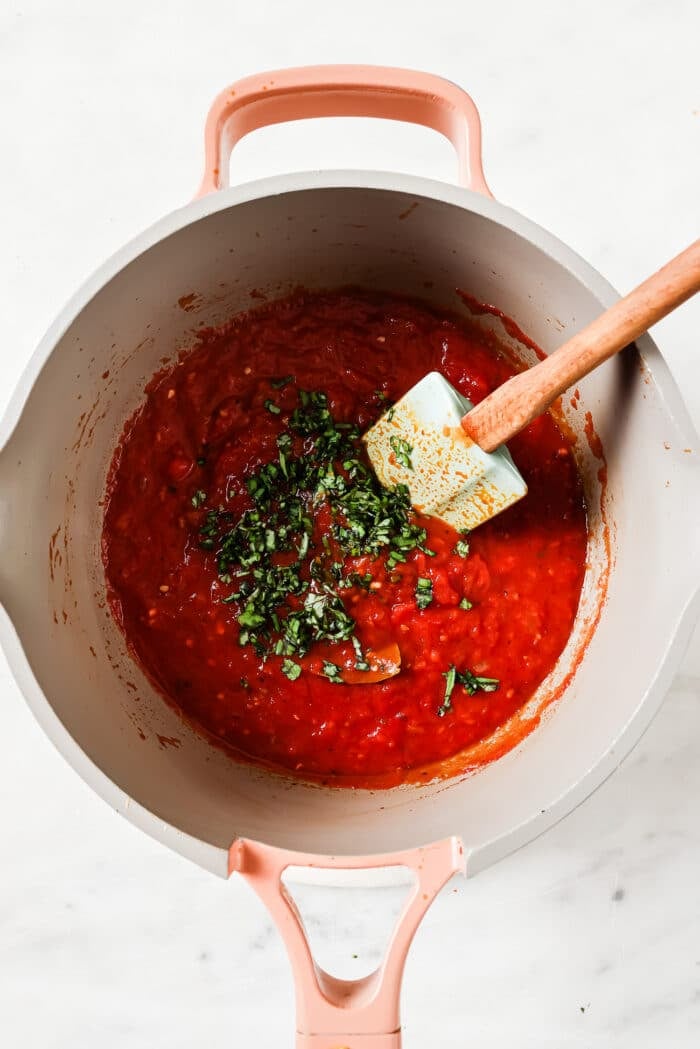
Credit: www.primaverakitchen.com
Choosing The Right Tomatoes
Tomatoes are the main ingredient in homemade tomato sauce. Choosing the right type makes a big difference in taste.
Fresh, ripe tomatoes give your sauce a natural sweetness and rich flavor. Not all tomatoes work the same way in sauce.
Use Roma Or Plum Tomatoes
Roma and plum tomatoes have less water and more flesh. This makes your sauce thick and hearty without extra cooking.
These types also have fewer seeds, which helps keep the sauce smooth. They have a balanced sweet and tangy taste.
Pick Fully Ripe Tomatoes
Choose tomatoes that are bright red and soft to the touch. Fully ripe tomatoes have the best natural sugars and flavor.
Avoid tomatoes with green spots or hard areas. They can make your sauce taste bitter or watery.
Consider Heirloom Tomatoes For Flavor
Heirloom tomatoes come in many colors and have unique flavors. They add complexity and freshness to your sauce.
These tomatoes can be softer, so use them quickly to avoid spoilage. Mixing heirlooms with Roma tomatoes works well.
Avoid Cherry Tomatoes
Cherry tomatoes are very sweet and juicy. They have too much water for a thick sauce.
Using many cherry tomatoes means longer cooking to reduce water. This can change the sauce’s fresh taste.
Check Tomato Freshness
Fresh tomatoes should feel firm but yield slightly when pressed. They should smell sweet and fresh.
- Avoid tomatoes with bruises or wrinkles
- Do not use tomatoes with mold or dark spots
- Use tomatoes soon after buying for best flavor
Essential Ingredients
Making homemade tomato sauce is simple with the right ingredients. These essentials bring out the best flavors in your sauce.
Using fresh and quality ingredients helps create a sauce that tastes rich and vibrant. Let’s look at some key elements.
Fresh Herbs
Fresh herbs add bright and aromatic notes to tomato sauce. They balance the acidity and deepen the flavor.
- Basil is classic and sweet, perfect for tomato sauces.
- Oregano adds a slightly bitter and earthy taste.
- Thyme offers a subtle floral aroma.
- Parsley can freshen up the sauce at the end.
Garlic And Onions
Garlic and onions create a flavorful base for the sauce. They bring sweetness and a rich depth of taste.
| Ingredient | Flavor Profile |
| Garlic | Sharp, pungent, slightly sweet when cooked |
| Onions | Sweet, mild, caramelizes well |
Olive Oil And Vinegar
Olive oil adds richness and smooth texture. Vinegar gives a mild tang to balance the sauce.
Use these tips for best results:
- Choose extra virgin olive oil for its flavor and health benefits.
- Add vinegar sparingly; a little goes a long way.
- Red wine vinegar or balsamic vinegar work well in tomato sauce.
Preparation Techniques
Making tomato sauce starts with good preparation. Proper techniques make the sauce smooth and tasty.
Learn how to peel, seed, chop, and dice tomatoes for the best homemade sauce.
Peeling And Seeding
Peeling tomatoes removes the tough skin. Seeding cuts down on bitterness and excess water in sauce.
- Boil water and prepare a bowl of ice water.
- Cut a small “X” on the tomato bottom.
- Dip tomatoes in boiling water for 30 seconds.
- Place tomatoes in ice water to cool.
- Peel off the skin starting at the “X”.
- Cut tomato in half and scoop out seeds with a spoon.
Chopping And Dicing
Chopping and dicing prepare tomatoes for cooking. The size changes how fast they cook and the sauce texture.
| Cutting Style | Description | Use In Sauce |
| Chopping | Rough pieces, about 1 inch | Chunky sauce |
| Dicing | Small, even pieces about 1/4 inch | Smoother sauce |
Cooking Methods
Making homemade tomato sauce can be simple and rewarding. Choosing the right cooking method affects the flavor and texture of your sauce.
Two popular ways to cook tomato sauce are simmering or roasting. Using a slow cooker is another option that needs little attention.
Simmering Vs. Roasting
Simmering tomato sauce means cooking it gently on low heat. This method helps blend flavors and makes the sauce smooth.
Roasting tomatoes first gives the sauce a rich, slightly sweet taste. It adds depth and caramelized flavors to your sauce.
- Simmering:Cook tomatoes on low heat for 30-60 minutes
- Roasting:Roast tomatoes at 400°F (200°C) for 20-30 minutes before blending
- Simmering creates a smooth, mild sauce
- Roasting adds a smoky, deeper flavor
Using A Slow Cooker
A slow cooker lets you make tomato sauce with little effort. It cooks the sauce slowly over several hours.
This method helps tomatoes break down well and blends all flavors nicely. It is perfect for busy days.
- Set slow cooker on low for 6-8 hours or high for 3-4 hours
- Stir occasionally to prevent sticking
- Slow cooking creates a rich and thick sauce
- Minimal attention needed during cooking
Enhancing Flavors
Making homemade tomato sauce is simple. Small changes can make it taste better.
Adding the right spices and ingredients helps create a rich sauce. These tips focus on boosting flavor.
Adding Spices
Spices bring life to tomato sauce. Use them carefully to balance the flavors.
- Start with garlic and onion powder for a strong base
- Add dried oregano and basil for classic Italian taste
- Include a pinch of red pepper flakes for heat
- Use bay leaves while simmering for depth
- Finish with fresh parsley or basil for brightness
Incorporating Wine
Wine adds complexity and richness to tomato sauce. Red or white wine works well.
| Type of Wine | Flavor Impact | When to Add |
|---|---|---|
| Red Wine | Deep, bold taste | Add after sautéing onions and garlic |
| White Wine | Light, fruity notes | Add early in cooking to simmer off alcohol |
:max_bytes(150000):strip_icc()/285466-chef-johns-fresh-tomato-sauce-VAT-001-Beauty-4x3-ec0c71db7faa4ff8ba98d92d514cdeeb.jpg)
Credit: www.allrecipes.com
Texture Adjustments
Making homemade tomato sauce means you can change its texture easily. Adjusting texture helps match your sauce to different dishes.
Two main ways to change texture are thickening with paste and pureeing for smoothness. Each method suits different preferences and recipes.
Thickening With Paste
Tomato paste is a great way to thicken sauce quickly. It adds depth and richness without extra cooking time.
- Add a small amount of tomato paste while simmering the sauce.
- Stir well to mix the paste evenly into the sauce.
- Cook for a few more minutes to blend flavors.
- Adjust paste quantity to reach your desired thickness.
- Use paste to fix sauces that are too watery.
Pureeing For Smoothness
Pureeing helps create a smooth and creamy tomato sauce. You can use a blender or food processor for this step.
| Pureeing Method | Effect on Texture |
| Blender | Very smooth and creamy sauce |
| Food Processor | Smooth but slightly chunky texture |
| Immersion Blender | Control over chunkiness level |
Storing And Preserving
Making homemade tomato sauce is fun and tasty. It is important to store it well. Proper storage keeps the sauce fresh and safe.
You can preserve tomato sauce by canning or freezing. Both ways keep the sauce ready for later meals.
Canning Basics
Canning tomato sauce lets you keep it on the shelf for months. Use clean jars and lids to avoid germs. Hot water bath canning is best for tomato sauce.
Fill the jars with hot sauce, leaving some space at the top. Remove air bubbles by running a clean knife around the jar. Wipe the rim before sealing.
- Use sterilized jars and lids
- Leave ½ inch space at the jar top
- Remove air bubbles with a knife
- Wipe jar rims clean before sealing
- Process jars in boiling water for 35 minutes
- Let jars cool without moving them
Freezing For Later Use
Freezing is quick and keeps the sauce fresh. Use freezer-safe containers or bags. Leave space in containers for sauce to expand.
Cool the sauce before freezing. Label containers with the date. Use frozen sauce within 6 months for best taste.
- Cool sauce completely before freezing
- Use airtight freezer containers or bags
- Leave space for sauce to expand
- Label with date before freezing
- Use within 6 months for best flavor
Serving Suggestions
Homemade tomato sauce is a tasty base for many dishes. It adds flavor and richness to your meals.
Try different ways to use your sauce. Here are ideas for pasta and pizza.
Pairing With Pasta
Tomato sauce pairs well with many pasta types. It makes simple dishes taste great.
- Spaghetti: Toss with sauce and fresh basil.
- Penne: Mix with sauce and grated cheese.
- Fettuccine: Add sauce and sautéed vegetables.
- Lasagna: Layer sauce with pasta sheets and cheese.
- Ravioli: Serve with a light coating of sauce.
Using As Pizza Sauce
Homemade tomato sauce works well as pizza sauce. Spread it on your dough for fresh flavor.
| Pizza Style | Suggested Toppings |
| Margherita | Fresh mozzarella, basil leaves |
| Pepperoni | Pepperoni slices, mozzarella cheese |
| Vegetarian | Bell peppers, olives, mushrooms |
| BBQ Chicken | Grilled chicken, red onion, cilantro |
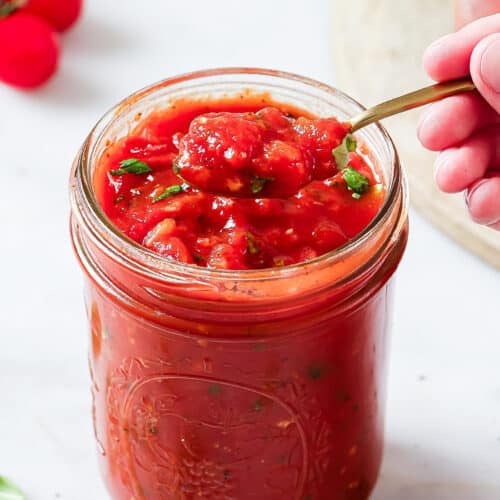
Credit: www.primaverakitchen.com
Frequently Asked Questions
How Do I Store Homemade Tomato Sauce Safely?
Store homemade tomato sauce in airtight containers. Refrigerate for up to 5 days or freeze for 3 months. Use clean utensils to avoid contamination and label with the date for easy tracking.
What Tomatoes Are Best For Homemade Sauce?
Roma or plum tomatoes are ideal for sauce. They have fewer seeds and less water, making a thicker sauce. Fresh, ripe tomatoes ensure better flavor and natural sweetness.
Can I Make Tomato Sauce Without Added Sugar?
Yes, omit sugar for a natural taste. Use ripe tomatoes to enhance sweetness. Add carrots or onions to balance acidity without sugar.
How Long Should I Cook Tomato Sauce?
Simmer tomato sauce for 30 to 45 minutes. This allows flavors to blend and sauce to thicken. Stir occasionally to prevent sticking or burning.
Conclusion
Making homemade tomato sauce is simple and rewarding. Fresh tomatoes bring rich flavor to your dishes. Small steps like simmering slowly improve taste and texture. Adding herbs and spices lets you customize every batch. Store your sauce properly to enjoy it longer.
Try these tips to cook with confidence. Enjoy your meals with sauce made by you. Cooking at home connects you to real food. Give it a try and see the difference.