
When it comes to cooking or baking, the right mixing bowl can make all the difference. You might think any bowl will do, but choosing the perfect one can save you time, keep your kitchen organized, and even improve your recipes.
Imagine effortlessly mixing batter without spills or struggling to find a bowl that fits your needs. You’ll discover exactly what to look for to pick mixing bowls that suit your style and cooking habits. Keep reading, and you’ll never have to settle for the wrong bowl again.

Credit: www.amazon.in
Types Of Mixing Bowls
Mixing bowls come in different materials. Each type has unique features for cooking and baking.
Choosing the right bowl helps you prepare food easily and safely.
Stainless Steel Bowls
Stainless steel bowls are strong and durable. They do not break or crack easily.
These bowls are good for mixing and whipping. They keep cold or hot temperatures well.
Glass Bowls
Glass bowls are clear and allow you to see the ingredients inside. They are safe for microwaves.
- Do not react with acidic foods
- Easy to clean and dishwasher safe
- Can be heavy and break if dropped
Plastic Bowls
Plastic bowls are lightweight and easy to handle. They come in many colors and sizes.
They are good for light mixing tasks. Some plastic bowls may stain or absorb odors.
Ceramic Bowls
| Feature | Description |
|---|---|
| Appearance | Often decorative and colorful |
| Weight | Heavier than other bowls |
| Use | Great for mixing and serving |
| Care | Can chip or crack if dropped |
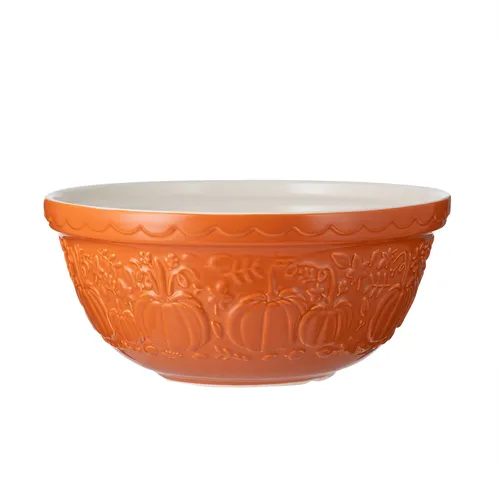
Ceramic bowls add style to your kitchen. They keep food warm longer than other bowls.
Credit: pyleusa.com
Size Matters
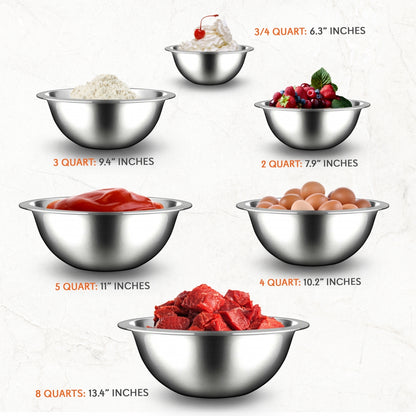
Choosing the right mixing bowl size helps your cooking go smoothly. Using the correct bowl size keeps your ingredients contained and easy to mix.
Bowls come in small, medium, and large sizes. Each size fits different kitchen tasks. Let’s look at how to choose the right size for your needs.
Small Bowls
Small bowls hold around 1 to 2 cups. They work well for small tasks like whisking eggs or mixing spices. They are easy to handle and store.
- Great for prepping ingredients
- Good for sauces and dressings
- Easy to clean and store
Medium Bowls
Medium bowls hold about 3 to 5 quarts. They are versatile and fit many tasks such as mixing batter or tossing salads. Most kitchens use these bowls daily.
| Size | Capacity | Best Use |
| Small | 1-2 cups | Whisking eggs, sauces |
| Medium | 3-5 quarts | Mixing batter, salads |
| Large | Over 5 quarts | Large doughs, big batches |
Large Bowls
Large bowls hold more than 5 quarts. Use them for big recipes like bread dough or large salads. They provide plenty of room to mix without spilling.
Tips for using large bowls:
- Use a sturdy bowl to handle heavy dough.
- Choose a bowl with a wide opening for easy mixing.
- Check if the bowl fits your mixer if you use one.
Features To Consider
Choosing the right mixing bowls makes cooking easier and more fun. Look for features that help with stability and measuring.
Good mixing bowls should have useful designs. This helps you mix ingredients without mess or waste.
Non-slip Bases
Non-slip bases keep bowls steady on counters. This stops bowls from sliding while mixing.
Look for rubber or silicone bottoms. They give better grip and prevent spills.
- Stops bowl from moving
- Reduces risk of spills
- Makes mixing safer and easier
Pour Spouts
Pour spouts help you pour liquids neatly. They guide the flow and reduce mess.
Bowls with pour spouts make transferring batter or sauce simple. This saves time and cleanup.
- Controls pouring flow
- Prevents drips and spills
- Good for liquid ingredients
Measurement Markings
Measurement markings inside the bowl help you add the right amounts. This avoids extra tools.
Clear markings save time and make recipes easier to follow. Look for bowls with visible, easy-to-read marks.
- Shows volume levels
- Helps with accurate mixing
- Reduces need for measuring cups
Lids For Storage
Lids keep food fresh when storing leftovers. They also prevent spills in the fridge.
Bowls with lids can double as storage containers. This saves space and keeps food sealed.
- Protects food freshness
- Prevents fridge spills
- Useful for meal prep
Durability And Maintenance
Choosing the right mixing bowls means thinking about how long they last. Durable bowls save money and reduce waste.
Maintenance is also key. Easy-to-clean bowls make cooking faster and more pleasant.
Heat Resistance
Heat resistance keeps bowls safe during cooking. Some materials handle hot temperatures better than others.
Glass and metal bowls often resist heat well. Plastic bowls may melt or warp if too hot.
- Glass bowls can go in the oven safely
- Metal bowls handle stovetop heat
- Plastic bowls are best for cold or room temperature
Dishwasher Safe
Bowls that are dishwasher safe save time and effort. You can clean them easily after use.
Check labels to see if bowls can go in the dishwasher. Some materials may degrade over time.
- Stainless steel usually cleans well in dishwashers
- Glass bowls often withstand dishwasher cycles
- Some plastics may warp or fade
Scratch Resistance
Scratch resistance helps bowls look new longer. Scratched surfaces can trap food and germs.
Materials like stainless steel and tempered glass resist scratches better than plastic.
- Metal bowls resist most scratches
- Tempered glass holds up well under use
- Plastic bowls may show marks from utensils
Budget-friendly Options
Choosing the right mixing bowls does not have to be costly. Many affordable options give good quality and durability.
Look for bowls that fit your needs without spending too much. This guide helps you find budget-friendly mixing bowls.
Material Choices
Materials affect price and use. Plastic bowls cost less and are lightweight. Stainless steel bowls last longer and resist stains. Glass bowls allow you to see ingredients but can be heavier.
Sizes And Sets
Buying a set of bowls is cheaper than buying single pieces. Choose sets with different sizes to cover all your cooking needs.
- Small bowls for whisking eggs
- Medium bowls for mixing batters
- Large bowls for tossing salads
Where To Buy
You can find budget bowls at discount stores, online shops, and supermarket sales. Watch for deals and clearance items to save more.
| Store Type | Price Range | Quality |
| Discount Stores | $5 – $20 | Good for occasional use |
| Online Shops | $10 – $30 | Varies by brand |
| Supermarket Sales | $8 – $25 | Good balance of cost and quality |
Credit: www.surlatable.com
Popular Brands To Consider
Choosing the right mixing bowls means picking the best brand. Some brands are known for quality and durability.
These brands offer different styles and materials to fit your kitchen needs.
Pyrex
Pyrex is famous for its glass mixing bowls. They are heat-resistant and safe for oven use.
These bowls are easy to clean and do not stain. They come in many sizes for different tasks.
Oxo
OXO bowls have non-slip bases. This helps keep them steady while mixing.
Their bowls are usually made of plastic or stainless steel. They are lightweight and durable.
Cuisinart
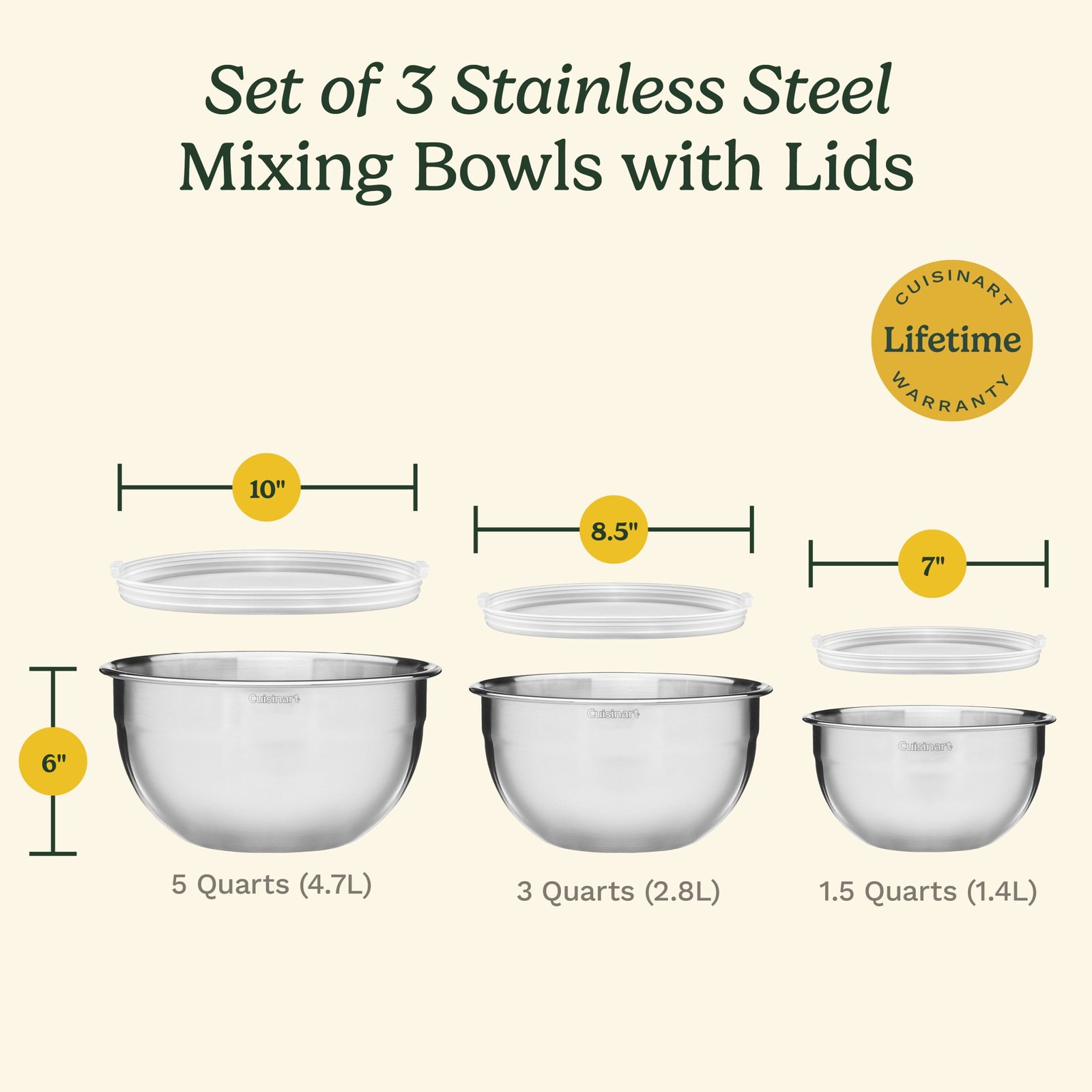
Cuisinart offers stainless steel mixing bowls. These bowls are strong and rust-resistant.
They often come with lids. This feature helps with storage and keeps food fresh.
Kitchenaid
KitchenAid bowls are known for their compatibility with stand mixers. They fit perfectly and are sturdy.
They come in stainless steel and sometimes glass. The design is simple and functional.
Anchor Hocking
Anchor Hocking offers glass mixing bowls that are affordable. They are oven and microwave safe.
These bowls often come in sets with different sizes. They have a classic look.
Frequently Asked Questions
What Materials Are Best For Mixing Bowls?
Stainless steel is durable and lightweight. Glass bowls are microwave-safe and non-reactive. Plastic bowls are affordable but may retain stains. Choose based on your cooking needs and preferences.
What Sizes Of Mixing Bowls Should I Have?
A set with small (1-2 quarts), medium (3-4 quarts), and large (5-6 quarts) bowls covers most tasks. This variety allows flexibility for different recipes and portion sizes.
Are Non-slip Mixing Bowls Worth It?
Yes, non-slip bowls provide stability during mixing. They reduce spills and make stirring easier. Ideal for thick batters or vigorous mixing, they improve kitchen safety and convenience.
Can Mixing Bowls Be Used For Serving?
Yes, many mixing bowls double as serving bowls. Choose attractive designs and materials like glass or ceramic for this dual purpose. It saves space and adds style to your table.
Conclusion
Choosing the right mixing bowls makes cooking easier and more fun. Think about size, material, and durability before buying. The right bowl fits your kitchen and cooking style well. Small bowls work for sauces; large ones for dough or salads.
Stainless steel lasts long and cleans fast. Glass bowls let you see your ingredients clearly. Plastic bowls are light but can stain or scratch. Keep these tips in mind to pick bowls that suit your needs best. Happy cooking!