
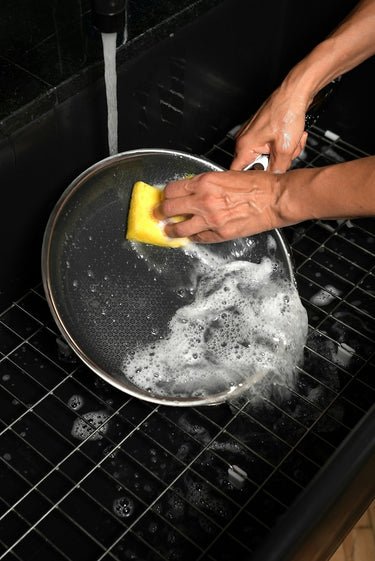
If you love cooking, you know how important non-stick pans are in your kitchen. But cleaning them can be tricky.
Using the wrong methods might ruin the coating, making your pan useless faster than you expect. What if you could keep your pans spotless and in perfect shape for years? You’ll discover simple, effective tips that protect your non-stick pans while making cleaning easy and stress-free.
Keep reading—your kitchen tools will thank you!
Credit: blog.blueapron.com
Choosing The Right Cleaning Tools
Cleaning non-stick pans needs care to keep their coating safe. Choosing the right tools helps avoid damage.
Using gentle tools cleans well without scratching the surface. This keeps pans working longer.
Soft Sponges And Cloths
Soft sponges and cloths clean without harming the coating. They remove food gently after cooking.
Use sponges made of foam or microfiber cloths for the best results. They work well on sticky spots.
- Soft foam sponges avoid scratches
- Microfiber cloths pick up grease easily
- Use damp cloths for light cleaning
- Replace sponges often to keep them clean
Avoiding Abrasive Materials
Avoid scrubbing pads or brushes with hard bristles. These can scratch and ruin the pan’s coating.
Never use steel wool or rough scrubbers. They remove the non-stick layer and shorten the pan’s life.
- Do not use metal scrubbers
- Avoid harsh cleaning powders
- Skip rough brushes or scouring pads
- Choose gentle cleaners safe for non-stick surfaces

Credit: www.reddit.com
Safe Cleaning Solutions
Cleaning non-stick pans needs care to keep the coating safe. Using the right solutions helps avoid damage.
Choose gentle cleaners that remove dirt without harming the pan. This keeps your pans lasting longer.
Mild Detergents
Mild dish detergents clean well without being harsh. They remove grease and food stuck on the pan.
Use warm water and a soft sponge with mild detergent. Avoid scrubbing pads or strong chemicals.
- Choose detergent labeled gentle or for sensitive skin
- Use only a small amount to avoid residue
- Rinse thoroughly with warm water
- Dry with a soft cloth or air dry
Natural Alternatives
Natural cleaners are safe and eco-friendly. They clean your pan without harsh chemicals.
Common natural options include baking soda and white vinegar. They help remove stains and odors gently.
- Mix baking soda with water to form a paste
- Apply paste on pan and let sit for 15 minutes
- Wipe with a soft cloth or sponge
- Use diluted white vinegar to remove tough spots
- Rinse well and dry after cleaning
Daily Cleaning Routine
Keeping your non-stick pans clean helps them last longer. A daily routine stops food from sticking and stains from building up.
Simple steps make cleaning quick and safe for the pan’s surface. Follow these tips to keep your pans in good shape every day.
Cooling Before Cleaning
Always let your non-stick pan cool down before washing it. Hot pans can warp if you add cold water quickly. Cooling helps keep the pan’s surface smooth and damage-free.
- Remove the pan from heat and set it on a heat-resistant surface.
- Wait at least 10 minutes for the pan to cool naturally.
- Do not pour cold water directly into a hot pan.
- Check the pan’s temperature by touching the outside carefully.
Hand Washing Techniques
Washing non-stick pans by hand protects the coating better than dishwashers. Use gentle tools and mild soap to avoid scratches and damage.
| Do | Don’t |
|---|---|
| Use a soft sponge or cloth | Use steel wool or abrasive scrubbers |
| Wash with warm water and mild dish soap | Use harsh chemicals or bleach |
| Rinse thoroughly to remove soap | Let soap dry on the pan surface |
| Dry the pan with a soft towel | Air dry and risk water spots |
Tackling Stubborn Residue
Non-stick pans can get tough residue that is hard to clean. Using the right cleaning tricks helps keep them safe.
This guide shares easy ways to remove stuck-on food without damaging the pan’s surface.
Baking Soda Paste Method
Baking soda is gentle but effective for cleaning non-stick pans. It helps lift baked-on food without scratching the surface.
Make a paste by mixing baking soda with water. Spread it over the residue and let it sit for 15 minutes.
- Mix 2 tablespoons baking soda with 1 tablespoon water
- Apply the paste on the stuck residue
- Wait 15 minutes before scrubbing
- Use a soft sponge to clean gently
- Rinse with warm water and dry
Vinegar Soak Strategy
Vinegar helps break down grease and food residue. Soaking the pan in vinegar loosens stubborn spots.
Fill the pan with equal parts water and vinegar. Let it soak for 30 minutes, then scrub lightly and rinse.
- Fill pan with half water, half white vinegar
- Let it soak for 30 minutes
- Use a soft sponge to scrub residue
- Rinse well with warm water
- Dry thoroughly before storing
Preventing Future Damage
Taking good care of your non-stick pans helps them last longer. Damage can happen easily if you are not careful. Learning simple habits can protect the coating.
Two important ways to prevent damage are proper storage and using the right utensils. These steps keep the surface safe and working well.
Proper Storage Tips
Store your non-stick pans carefully to avoid scratches and dents. Stacking pans directly can ruin the coating over time.
- Use pan protectors or cloths between stacked pans.
- Hang pans on hooks to keep them separated.
- Keep pans in a dry place to prevent rust on metal parts.
- Store lids separately to avoid pressure on the pans.
Using The Right Utensils
Choose utensils that do not damage the non-stick surface. Hard or metal tools can scratch and wear the coating quickly.
| Utensil Type | Recommended Use |
| Wooden | Best for stirring and flipping |
| Silicone | Safe for cooking and serving |
| Plastic | Good for light use, avoid high heat |
| Metal | Not recommended, causes scratches |

Credit: circulon.uk.com
Maintenance For Lasting Shine
Keeping your non-stick pans shiny and working well takes simple care. Proper maintenance helps the surface stay smooth and prevents damage.
Follow these tips to keep your pans clean and shiny for a long time.
Seasoning Your Pan
Seasoning your non-stick pan adds a protective layer that keeps food from sticking. It also helps keep the surface smooth and shiny.
- Wash the pan with warm, soapy water before first use.
- Dry the pan completely with a soft cloth.
- Apply a thin layer of cooking oil over the surface.
- Heat the pan on low for a few minutes, then let it cool.
- Wipe off any extra oil with a paper towel.
Regular Inspection And Care
Check your pan often for scratches, dents, or peeling. Good care prevents damage and keeps it safe to use.
| Action | Why It Matters |
| Use soft sponges only | Prevents scratching the non-stick surface |
| Avoid metal utensils | Stops the coating from peeling or chipping |
| Hand wash with mild soap | Protects the coating and extends pan life |
| Store carefully | Prevents dents and warping |
Frequently Asked Questions
How Do I Clean A Non-stick Pan Without Damaging It?
Use warm water, mild dish soap, and a soft sponge. Avoid abrasive scrubbers or steel wool. Hand wash gently and dry thoroughly to maintain the coating’s longevity.
Can I Put Non-stick Pans In The Dishwasher?
Most non-stick pans are dishwasher safe but hand washing is recommended. Dishwashers can wear down the coating faster over time.
What Is The Best Way To Remove Stuck-on Food?
Soak the pan in warm, soapy water for 10-15 minutes. Then, gently scrub with a non-abrasive sponge to lift residue without scratching.
Should I Avoid Using Cooking Sprays On Non-stick Pans?
Yes, cooking sprays can build up residue and damage the coating. Use a small amount of oil or butter instead for cooking.
Conclusion
Cleaning non-stick pans is easier with the right steps. Use gentle tools and avoid harsh scrubbing. Warm soapy water helps remove food without damage. Dry pans well to keep their coating strong. Regular care keeps your pans working longer. Small efforts save money and reduce waste.
Keep these tips in mind for daily use. Enjoy cooking with clean, safe non-stick pans!