
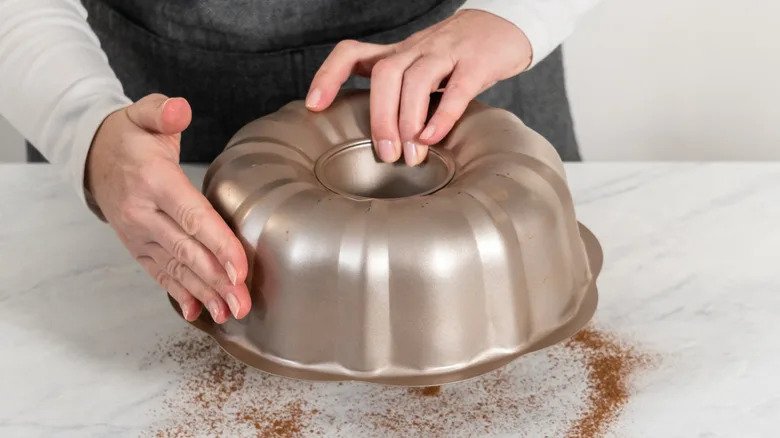
If you’ve ever wondered how to make your cakes look as amazing as they taste, a Bundt pan is your secret weapon. This unique pan shapes your batter into beautiful, eye-catching rings that impress every time.
But using a Bundt pan isn’t just about pouring in your mix and baking. There are simple tricks you need to know to make sure your cake releases perfectly and looks flawless. In this guide, you’ll discover easy, step-by-step tips to master your Bundt pan and create stunning treats that everyone will love.
Ready to turn your baking skills up a notch? Let’s dive in!
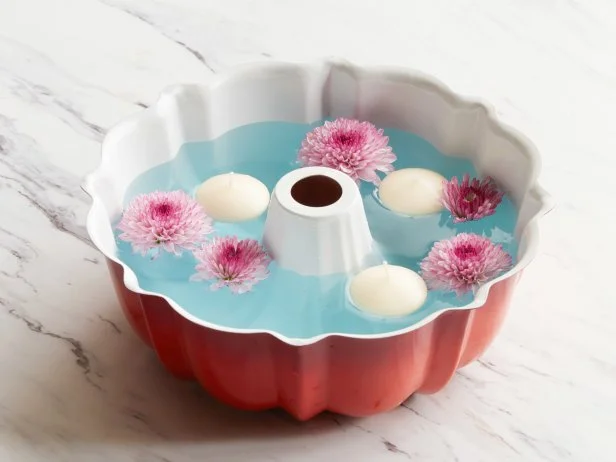
Credit: www.foodnetwork.com
Choosing The Right Bundt Pan
Choosing the right Bundt pan can make baking easier and better. The pan shape and material affect how your cake cooks and looks.
Think about the material and size before buying. These affect baking time and cake release.
Materials And Coatings
Bundt pans come in different materials. Each type changes how heat moves and how your cake bakes.
Non-stick coatings help cakes come out cleanly. Some pans have natural finishes without coatings.
- Aluminum:Heats evenly and quickly. Many classic pans use this.
- Cast Iron:Holds heat well but is heavy.
- Silicone:Flexible and easy to clean but may bake unevenly.
- Non-stick Coating:Helps release cakes easily but can wear off.
- Natural Finish:Needs more greasing to prevent sticking.
Size And Shape Considerations
Bundt pans come in many sizes and shapes. Choose one based on how many people you want to serve.
Some shapes make the cake look fancy. Others are simple and easy to fill.
- Size:Common pans hold 10 to 12 cups of batter.
- Shape:Look for classic rings or modern designs.
- Depth:Deeper pans may need longer baking times.
- Detail:More detail means careful greasing is needed.
Credit: www.tasteofhome.com
Preparing The Bundt Pan
Preparing a Bundt pan correctly helps your cake come out clean and whole. It stops the cake from sticking and keeps the pan in good shape.
Two main steps are greasing the pan and flouring it. Both steps work together to make sure your cake releases easily.
Greasing Techniques
Greasing the pan creates a smooth layer that stops the batter from sticking. You can use different types of grease to cover every nook and cranny.
- Use softened butter or shortening for even coverage.
- Apply grease with a pastry brush or paper towel to reach all details.
- Make sure to coat the entire inside surface, including the center tube.
- A thin, even layer works better than thick clumps.
- For a non-stick option, try a non-stick spray made for baking.
Flouring The Pan
Flouring adds a dry layer over the grease. It helps the cake slip out without breaking. This step is especially important for Bundt pans with many curves.
| Flour Type | Best Use | Notes |
|---|---|---|
| All-purpose flour | Most Bundt cakes | Common and easy to find |
| Cornstarch | Light cakes | Use less for a fine coating |
| Cocoa powder | Chocolate cakes | Prevents white flour patches |
To flour the pan, sprinkle a small amount of flour inside. Tilt and tap the pan to spread it evenly. Then turn it upside down to remove extra flour.
Batter Consistency And Filling
Using a Bundt pan requires the right batter consistency and proper filling. These steps help your cake bake evenly and keep its shape.
Too thick or too thin batter can cause problems. Filling the pan evenly prevents uneven baking and sticking.
Achieving The Right Batter Texture
Batter for Bundt cakes should be smooth and thick but pourable. It needs to hold its shape slightly when poured.
If the batter is too runny, it may not bake well. Too thick batter may cause a dense cake and uneven cooking.
- Use room temperature ingredients for smooth mixing
- Mix batter until all lumps disappear
- Check batter thickness: it should fall off a spoon slowly
- Add liquid a little at a time to adjust consistency
Filling The Pan Evenly
Fill the Bundt pan with batter evenly to avoid uneven baking. Spread batter gently around the pan’s center tube.
Fill the pan about two-thirds full. This space lets the batter rise without spilling over.
- Grease the pan well to help the cake release easily
- Pour batter slowly to avoid air bubbles
- Use a spatula to spread batter evenly around the tube
- Tap the pan lightly on the counter to remove air pockets

Credit: www.youtube.com
Baking Tips For Bundt Cakes
Bundt cakes have a unique shape that makes baking different from regular cakes. Using the right pan and technique helps you get a perfect cake every time.
Below are key tips for baking at the right temperature and checking if your cake is done.
Optimal Baking Temperatures
Set the oven temperature correctly to avoid burning or undercooking your bundt cake. Most recipes suggest baking between 325°F and 350°F.
- Use 325°F for dense or rich cakes like chocolate or pound cake.
- Use 350°F for lighter cakes such as lemon or vanilla flavors.
- Preheat the oven fully before placing the cake inside.
- A lower temperature helps the cake bake evenly and prevents the crust from getting too dark.
Checking For Doneness
Check your bundt cake carefully to know when it is fully baked. Overbaking can dry the cake, and underbaking leaves it gooey inside.
| Method | How to Check |
|---|---|
| Toothpick Test | Insert a toothpick in the thickest part. It should come out clean or with a few crumbs. |
| Touch Test | Gently press the cake surface. It should spring back without leaving a dent. |
| Edges Pulling Away | The cake edges start to pull away from the pan sides slightly. |
Cooling And Unmolding
Using a Bundt pan gives your cake a beautiful shape. Cooling and unmolding are key steps to keep that shape perfect.
This guide explains how to cool the cake and take it out without breaking it.
Cooling The Cake
Let the cake cool in the pan for a short time before removing it. This helps it hold its shape better.
- Cool the cake on a wire rack for 10 to 15 minutes.
- Do not let it cool completely in the pan, or it may stick.
- Check if the edges start to pull away from the pan slightly.
- Use a knife to gently loosen the edges if needed.
Releasing The Cake From The Pan
After cooling, carefully remove the cake to keep its shape and avoid cracks.
| Tip | How to Do It |
|---|---|
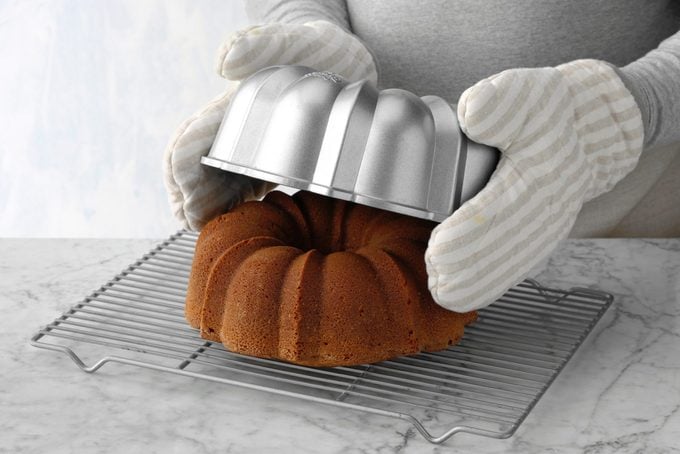
| Invert the pan | Place a wire rack or plate on top, then flip the pan. |
| Tap the pan | Gently tap the bottom and sides to loosen the cake. |
| Use a thin spatula | Slide it around the edges if cake sticks to the pan. |
| Lift carefully | Hold the pan and rack/plate firmly to avoid dropping. |
Decorating And Serving Ideas
Bundt pans create beautiful cakes with unique shapes. Decorating them can make your dessert stand out. Serving ideas help your guests enjoy the cake easily.
Try different glazes and toppings to add flavor and style. These simple tips will make your Bundt cake look and taste amazing.
Glazing Techniques
Glazes add shine and sweetness to your Bundt cake. Pour the glaze slowly to cover all sides evenly. Use a spoon or pour directly from a bowl for a smooth finish.
- Mix powdered sugar with lemon juice or milk for a simple glaze.
- Add cocoa powder for a chocolate glaze.
- Use warm water to thin the glaze if it is too thick.
- Drizzle the glaze in a zigzag pattern for a decorative look.
- Let the glaze set before serving to avoid dripping.
Creative Toppings
Toppings add texture and extra flavor to your cake. Use nuts, fruits, or powdered sugar to decorate the top and sides. Mix and match toppings for a unique look.
| Topping | Description | Serving Tip |
|---|---|---|
| Chopped Nuts | Almonds, walnuts, or pecans add crunch. | Sprinkle over glaze before it sets. |
| Fresh Berries | Strawberries, blueberries, or raspberries add color. | Place on top just before serving. |
| Powdered Sugar | Light dusting for a snowy effect. | Use a fine sieve for even coverage. |
| Chocolate Shavings | Thin curls add elegance and flavor. | Scatter on top after glaze dries. |
Common Mistakes And Solutions
Using a Bundt pan can be tricky if you do not prepare it well. Many people face problems like sticking or uneven baking.
This guide will help you fix these common issues and improve your Bundt cake results.
Avoiding Sticking Issues
Sticking is the most common problem with Bundt pans. Cakes can break apart when you try to remove them.
To stop cakes from sticking, properly grease your pan and dust it with flour or sugar before adding batter.
- Use a non-stick spray or butter to coat the pan well
- Sprinkle flour or powdered sugar evenly over the grease
- Tap out extra flour to avoid thick layers
- Let the cake cool for 10-15 minutes before removing
- Run a thin knife along edges if the cake is stuck
Fixing Uneven Baking
Uneven baking causes some parts of the cake to be overcooked or undercooked. This happens if heat does not spread well.
To bake evenly, place the Bundt pan in the center of the oven and avoid opening the door too often.
- Preheat the oven fully before baking
- Use an oven thermometer to check temperature accuracy
- Place the pan on the middle rack for good heat flow
- Avoid dark or thin pans that cause hotspots
- Rotate the pan halfway through baking if your oven heats unevenly
Frequently Asked Questions
How Do I Prepare A Bundt Pan For Baking?
To prepare a Bundt pan, thoroughly grease it with butter or oil. Dust with flour to prevent sticking. This ensures easy cake release and maintains the pan’s intricate design during baking.
What Types Of Cakes Work Best In A Bundt Pan?
Dense cakes like pound cake, coffee cake, and sponge cake work best. Their texture holds the pan’s shape, and the design enhances the cake’s appearance and flavor absorption.
How Long Should I Bake A Bundt Cake?
Bake Bundt cakes typically between 45 to 60 minutes at 325°F to 350°F. Check doneness with a toothpick; it should come out clean when done.
Can I Use A Bundt Pan For Non-cake Recipes?
Yes, Bundt pans are great for gelatin molds, bread, and savory dishes. Their shape adds visual appeal and allows even cooking or setting.
Conclusion
Using a Bundt pan makes baking cakes fun and easy. Its unique shape helps cakes cook evenly and look beautiful. Grease the pan well to prevent sticking. Fill it carefully to avoid overflow. Cool the cake before removing it gently.
Experiment with different recipes to find your favorite. Baking with a Bundt pan adds charm to any dessert table. Enjoy the process and share your tasty results with friends. Simple steps lead to great cakes every time.