
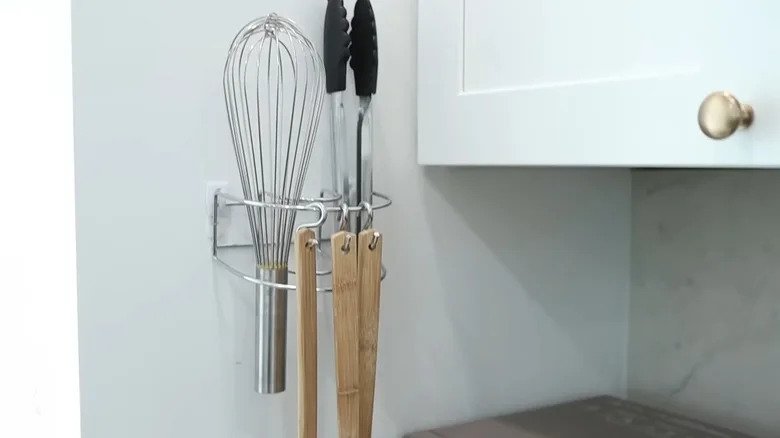
Are you tired of cluttered kitchen drawers and limited counter space? Using wall hooks for your small kitchen tools can be a game-changer.
Imagine having your spatulas, measuring spoons, and peelers all within easy reach, neatly organized, and off your crowded surfaces. You’ll discover simple and practical ways to transform your kitchen by making the most of empty wall space. Keep reading, and you’ll learn how to create a tidy, efficient kitchen that makes cooking more enjoyable every day.
Credit: www.tastingtable.com
Benefits Of Wall Hooks In Kitchens
Wall hooks are a simple tool to organize your kitchen. They help keep small tools handy and neat. Using wall hooks can improve how your kitchen looks and works.
Many kitchens have limited space. Wall hooks make use of empty walls. This frees up other areas for cooking and preparation.
Saving Counter Space
Small kitchen tools often take up counter space. Hanging them on wall hooks clears the counters. This gives you more room to cook and prepare food.
Free counters also make cleaning easier. You can wipe surfaces quickly without moving many items.
Improving Accessibility
Wall hooks place tools where you can see and reach them. This saves time looking through drawers or cabinets. You can grab what you need fast.
Hanging tools keeps them at eye level or within arm’s reach. This helps when you are busy cooking and need quick access.
Enhancing Kitchen Organization
Wall hooks help group similar tools together. This makes it easier to find the right tool for each task. Your kitchen looks tidy and well arranged.
- Hang spatulas, whisks, and ladles in one spot
- Keep measuring spoons and cups together
- Organize pots and pans by size or use

Credit: outdoorindoors.com
Choosing The Right Wall Hooks
Using wall hooks is a smart way to save space in small kitchens. They keep your tools handy and organized.
Selecting the right hooks depends on several factors. Focus on material, weight capacity, and style.
Material Options
Wall hooks come in many materials. Choose one that suits your kitchen’s environment and use.
- Stainless Steel:Rust-resistant and strong, good for humid kitchens.
- Plastic:Lightweight and cheap but may not hold heavy tools well.
- Wood:Offers a warm look but can wear out if exposed to moisture.
- Brass or Copper:Stylish but may require polishing to keep shine.
Weight Capacity
Pick hooks that support the weight of your kitchen tools. Overloading weak hooks can cause damage.
| Hook Type | Weight Capacity |
| Small Plastic Hook | Up to 1 lb (0.45 kg) |
| Medium Metal Hook | Up to 5 lbs (2.3 kg) |
| Heavy-Duty Steel Hook | Over 10 lbs (4.5 kg) |
Design And Style
Choose hooks that match your kitchen’s look and your personal taste. Style adds to the kitchen’s decor.
- Simple hooks blend into any kitchen.
- Decorative hooks add character and charm.
- Colored hooks can brighten dull spaces.
- Hidden hooks keep tools out of sight but easy to reach.
Ideal Spots For Wall Hooks
Wall hooks help keep small kitchen tools organized and easy to find. Using the right spots for hooks saves space and adds convenience.
Choose places you use often or where tools fit best. This makes cooking and cleaning faster and tidier.
Above The Sink
Placing hooks above the sink lets you hang sponges, brushes, and small towels. It keeps these tools close while washing dishes.
This spot also helps tools dry quickly and stay off the countertop.
- Hang scrub brushes for easy reach
- Use hooks for dish towels
- Keep sponges off wet surfaces
Inside Cabinet Doors
Hooks inside cabinet doors save visible space. You can hang measuring spoons, pot holders, or small utensils here.
This spot hides tools but keeps them handy when you open the door.
- Hang measuring spoons in sets
- Store pot holders for quick use
- Keep small tools organized
Near The Stove
Hooks near the stove hold tools you use while cooking. Keep spatulas, ladles, and tongs on hooks here.
This keeps tools close and prevents clutter on counters.
- Hang spatulas and spoons
- Keep tongs within reach
- Use heat-resistant hooks if possible
Unused Wall Areas
Look for empty wall space for extra hooks. Small walls or corners can hold cups, strainers, or scissors.
Use these spots to free up drawer and counter space.
- Hang cups or mugs by handles
- Store strainers or sieves
- Keep scissors or kitchen shears handy

Credit: www.designcafe.com
Tools Perfect For Hanging
Small kitchens need smart storage solutions. Wall hooks help save space and keep tools handy. You can hang many small kitchen items for easy access.
Using wall hooks also helps keep your counters clear. This makes your kitchen look neat and organized.
Measuring Spoons And Cups
Measuring spoons and cups come in sets with handles or rings. These handles work well on wall hooks. Hanging them keeps them together and easy to find.
- Hang measuring spoons by their ring or handle
- Use small hooks for cups to save space
- Place hooks near your mixing area for quick access
Small Utensils
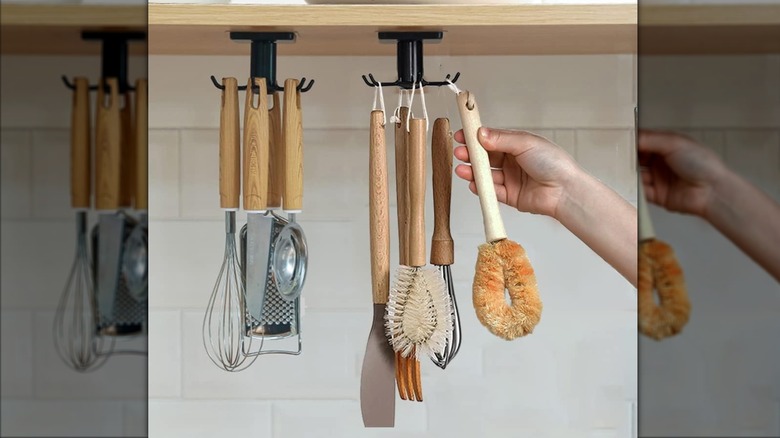
Small utensils like peelers, whisks, and tongs fit well on wall hooks. Hanging them keeps your drawers less crowded and your tools visible.
Try grouping utensils by type on hooks:
- Cutting tools on one hook
- Mixing tools on another
- Serving tools on a separate hook
Pot Holders And Towels
Pot holders and towels hang easily on wall hooks. Keep them near your stove or sink for quick use. Use hooks that allow easy removal and replacement.
| Item | Recommended Hook Type | Placement |
| Pot Holder | Sturdy single hook | Near stove |
| Towel | Double hook or bar hook | Near sink |
Cutting Boards
Cutting boards with handles or holes are easy to hang on wall hooks. Hanging keeps them dry and saves counter space. Use strong hooks that hold the board’s weight.
- Place hooks near prep areas
- Keep cutting boards separated to avoid damage
- Use rubber-tipped hooks to prevent slipping
Installation Tips
Wall hooks help keep small kitchen tools within reach. Proper installation makes them sturdy and safe. Follow these tips for a strong setup.
Choose the right spot and fasteners. Space hooks well to hold your tools without clutter. This guide covers these steps clearly.
Preparing The Surface
Clean the wall area before attaching hooks. Remove grease, dust, or dirt to help hooks stick or hold screws better. Dry the surface fully.
- Use warm soapy water and a cloth to clean.
- Wipe off with a dry towel.
- Let the wall air dry for 15 minutes.
Choosing Fasteners
Select fasteners based on your wall type and tool weight. Use screws for drywall with anchors or nails for wooden surfaces. Adhesive hooks suit light tools.
| Wall Type | Recommended Fastener | Tool Weight Limit |
| Drywall | Screw with anchor | Up to 10 lbs |
| Wood | Nail or screw | Up to 15 lbs |
| Tile or Glass | Adhesive hook | Up to 5 lbs |
| Concrete | Masonry screw or anchor | Up to 20 lbs |
Spacing Hooks Properly
Arrange hooks so tools hang without touching. Leave enough space for handles and heads to fit comfortably.
- Measure your tools before spacing hooks.
- Keep 2 to 3 inches between hooks.
- Group similar tools for easy access.
- Use a level to keep hooks straight.
Creative Hook Arrangements
Wall hooks help keep small kitchen tools organized and easy to reach. Creative arrangements make your kitchen look neat and save space.
Try different ways to use hooks to fit your kitchen style and tool collection. This guide shows ideas to arrange hooks smartly.
Using Multiple Hooks On A Rack
Attach several hooks on a single rack to hold many tools in one spot. This keeps your small kitchen items tidy and visible.
Arrange hooks evenly to balance the rack and make tools easy to grab. Use racks with different hook sizes for various tool shapes.
- Place hooks at equal distances
- Use sturdy racks to hold weight
- Mix hook sizes for spoons, whisks, and peelers
- Keep frequently used tools at eye level
Combining Hooks With Magnetic Strips
Use hooks together with magnetic strips to organize metal tools efficiently. Hooks hold items like towels and scissors.
Magnetic strips store knives and metal utensils safely. This combo saves wall space and keeps tools handy.
- Mount hooks below magnetic strips for balance
- Use magnetic strips for knives and metal spatulas
- Hooks can hold non-metal tools or kitchen towels
- Place near cooking area for easy access
Creating A Tool Wall
Cover a kitchen wall with hooks to make a tool wall. Hang all your small tools in one place for quick use.
Organize tools by type or size on this wall. It looks tidy and helps you find what you need fast.
- Group similar tools together
- Use different hook heights for large and small tools
- Leave space for adding new tools
- Label areas for quick identification
Maintenance And Safety
Wall hooks keep small kitchen tools organized and easy to reach. Proper care helps hooks stay safe and last longer.
Follow simple steps to check, clean, and use your wall hooks correctly. This keeps your kitchen tools secure and your space tidy.
Regularly Checking Hook Stability
Check hooks often to make sure they are firmly attached to the wall. Loose hooks can cause tools to fall and cause injuries.
- Gently pull on each hook to test its hold
- Look for cracks or damage in the hook or wall
- Tighten screws or replace hooks if needed
- Use wall anchors for extra support on drywall
Cleaning Hooks And Tools
Keep hooks and tools clean to avoid buildup of grease and dust. Clean hooks help maintain a safe and hygienic kitchen.
| Cleaning Method | Frequency | Materials Needed |
| Wipe hooks with a damp cloth | Weekly | Soft cloth, mild soap |
| Wash tools before hanging | After each use | Warm water, dish soap |
| Remove rust from metal hooks | Monthly | Vinegar, scrub brush |
Avoiding Overloading
Do not hang too many tools or heavy items on one hook. Overloading can damage hooks and walls.
- Check the weight limit of each hook
- Hang only small or light tools per hook
- Use multiple hooks for larger sets
- Distribute weight evenly to avoid stress
Frequently Asked Questions
How Do Wall Hooks Save Space In Small Kitchens?
Wall hooks maximize vertical space, freeing up countertops and drawers. They keep tools within reach and reduce clutter, making small kitchens feel larger and more organized.
What Kitchen Tools Work Best With Wall Hooks?
Lightweight tools like spatulas, measuring spoons, and small pans hang well. Avoid heavy or bulky items to prevent hook damage and maintain easy access.
Can Wall Hooks Be Installed On Any Kitchen Wall?
Wall hooks work best on solid surfaces like tile, wood, or drywall with anchors. Avoid weak or uneven surfaces to ensure secure and safe installation.
How Do Wall Hooks Improve Kitchen Organization?
Hooks create designated spots for each tool, enhancing workflow. They simplify cleaning and reduce time spent searching for items, boosting kitchen efficiency.
Conclusion
Wall hooks can transform your small kitchen. They organize tools efficiently. Save space and time with this simple solution. Hang spatulas, ladles, and more within easy reach. Keep your countertops clear and tidy. Wall hooks are affordable and easy to install.
Perfect for renters and homeowners alike. Experiment with different hook styles and placements. Create a clutter-free, functional kitchen. Enjoy cooking without the mess. Remember, a neat kitchen inspires creativity. Try wall hooks today and see the difference. Happy cooking!