
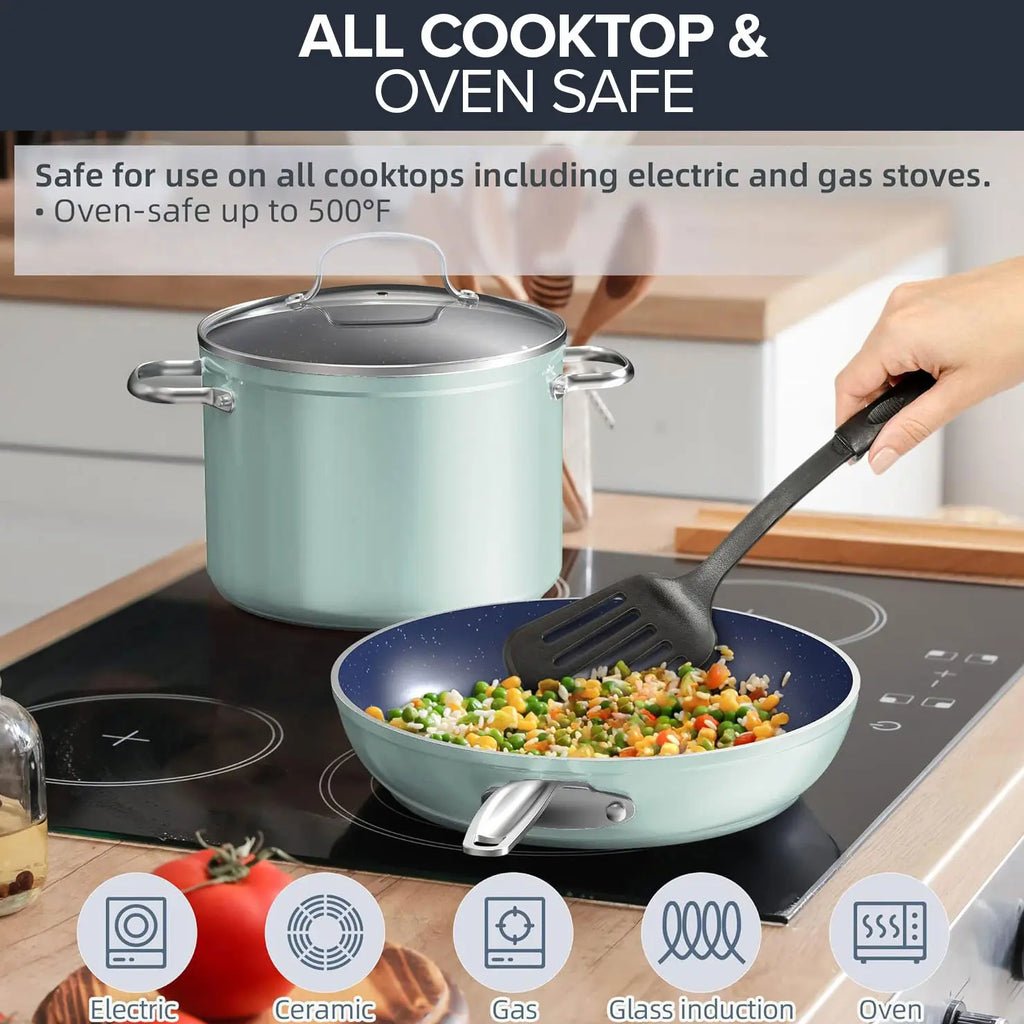
Choosing the right cookware for your induction stove can feel confusing. You want pots and pans that heat quickly, last long, and make cooking easier.
But how do you know which ones work best with your induction cooktop? If you pick the wrong cookware, you might waste money or struggle with uneven cooking. This guide will help you find the perfect cookware that matches your induction stove and your cooking style.
Keep reading, and you’ll soon be cooking like a pro with the best tools in your kitchen.
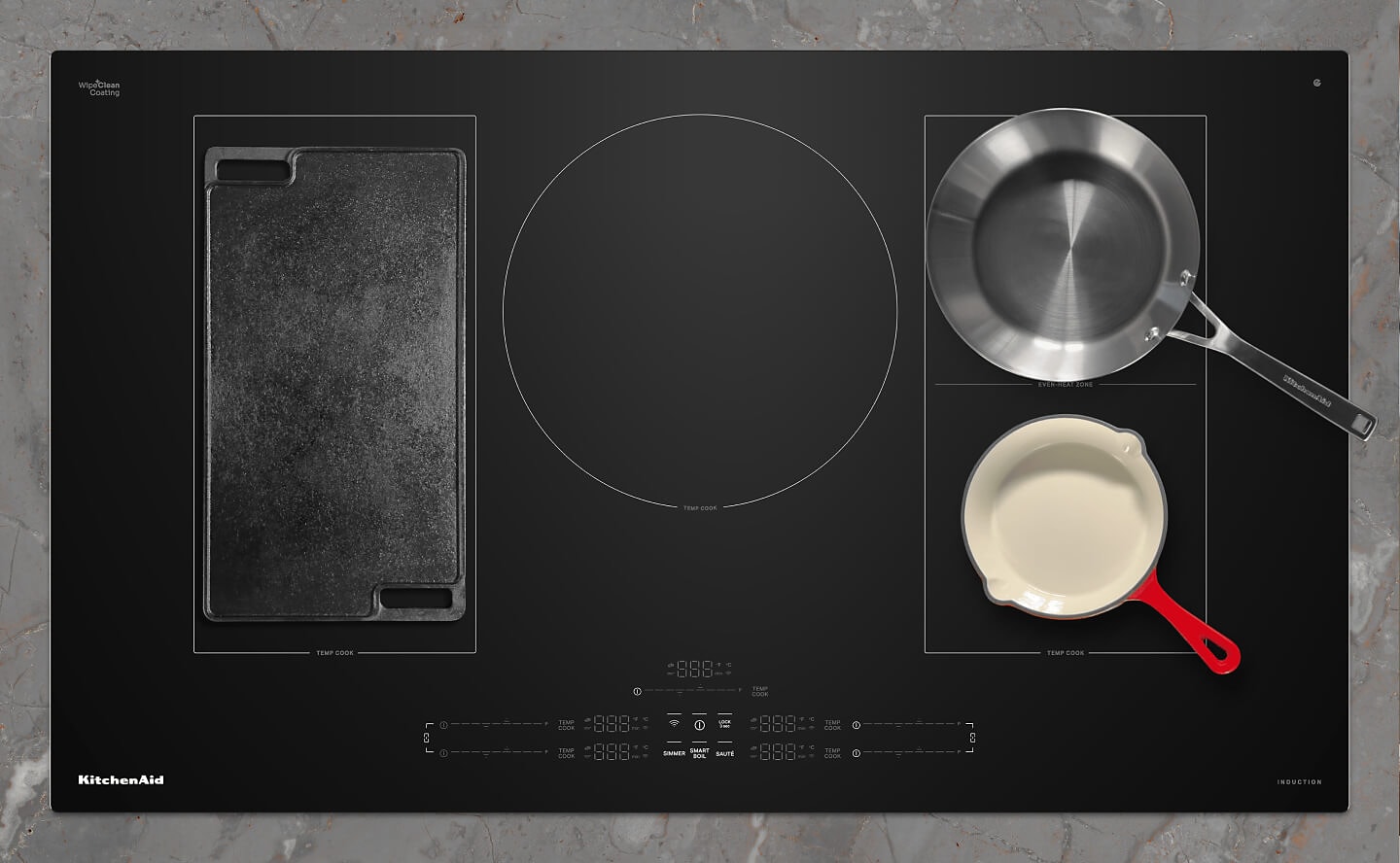
Credit: www.kitchenaid.com
Basics Of Induction Cooking
Induction cooking uses magnetic fields to heat pots and pans. It heats the cookware directly, not the stove surface.
This method cooks food faster and saves energy. The stove stays cooler and is safer to use.
How Induction Cooking Works
Induction stoves create a magnetic field under the glass surface. This field makes the cookware heat up.
The heat comes from the pan itself, not from the stove. This is why cookware must be magnetic to work.
Importance Of Magnetic Cookware
Induction stoves need pots made from magnetic materials. Without these, the stove cannot produce heat.
Cookware made of stainless steel or cast iron works well. Aluminum or glass pots usually do not work unless they have a magnetic base.
- Cast iron is very magnetic and heats evenly.
- Stainless steel works if it contains magnetic properties.
- Aluminum and copper need a magnetic plate to work.
Cookware Size And Shape
Choose cookware that matches the size of the induction burner. The pan base should cover the burner fully.
Flat and smooth bottoms work best for good contact with the stove. Uneven or warped pans may not heat well.
- Use pans with flat bases for better heating.
- Match pan size to burner size for efficiency.
- Avoid warped or damaged cookware.
Testing Cookware For Induction
Test if your cookware works by using a magnet. If the magnet sticks well, it will work on an induction stove.
This quick test helps you pick the right pots without guesswork. Cookware that fails the magnet test won’t heat properly.
- Use a small magnet on the pan base.
- Strong magnetic pull means compatibility.
- Weak or no pull means no induction heating.
Material Compatibility
Choosing the right cookware material is key for induction stoves. Not all materials work well with induction heat.
Induction stoves use magnetic fields to heat pots and pans. Cookware must be magnetic to work properly.
Cast Iron
Cast iron is perfect for induction stoves. It has strong magnetic properties that make it heat evenly.
It holds heat well and is great for slow cooking. Cast iron pans can be heavy but very durable.
- Excellent magnetic conductivity
- Even heat distribution
- Heavy but long-lasting
- Needs seasoning to prevent rust
Stainless Steel
Stainless steel works on induction if it has a magnetic base. Not all stainless steel is magnetic.
Look for cookware labeled as induction compatible. It usually has a layer of magnetic steel inside.
- Magnetic base required for induction
- Durable and rust-resistant
- Easy to clean and maintain
- Heats unevenly without layered base
Aluminum
Pure aluminum does not work with induction stoves. It is not magnetic and will not heat up.
Many aluminum pans have a magnetic base added. This makes them compatible with induction heat.
- Pure aluminum is not magnetic
- Often combined with magnetic base for induction
- Lightweight and good heat conductor
- Check for induction compatibility label
Cookware Construction
Choosing the right cookware for induction stoves depends on its construction. The material and layers affect heat transfer and cooking results.
Understanding single-ply, multi-ply, and non-stick coatings helps you pick the best cookware for your needs.
Single-ply
Single-ply cookware has one layer of metal, usually stainless steel or cast iron. It works well with induction stoves if it has a magnetic base.
This type heats up quickly but may have hot spots. It is usually lighter and less expensive.
Multi-ply
Multi-ply cookware has multiple metal layers bonded together. It often combines stainless steel and aluminum for better heat control.
This construction distributes heat evenly and reduces hot spots. Multi-ply pans are heavier but provide better cooking results.
- Stainless steel outer layers for durability
- Aluminum core for fast, even heating
- Compatible with induction if base is magnetic
Non-stick Coatings
Non-stick cookware has a special coating that stops food from sticking. It makes cooking and cleaning easier.
Look for non-stick pans with a magnetic base to work on induction stoves. Avoid using metal utensils to protect the coating.
Size And Shape Considerations
Choosing the right cookware for induction stoves means thinking about size and shape. These factors affect cooking performance and safety.
Cookware must fit well on the stove’s surface to heat evenly and work efficiently. This guide helps you pick the best size and shape.
Pan Diameter
The pan diameter should match the size of the induction burner. A good fit helps the stove heat the pan evenly.
Using a pan too small or too large for the burner can waste energy and cause uneven cooking.
- Check the burner size on your induction stove
- Choose pans with similar diameters
- Smaller pans work best on smaller burners
- Larger pans fit better on bigger burners
Depth And Height
Depth affects how much food you can cook at once. Deeper pans hold more but take longer to heat.
Taller pans help when cooking soups or stews. Shallow pans are better for frying or sautéing.
- Use deep pans for boiling and simmering
- Shallow pans heat faster and are good for frying
- Consider your cooking needs before choosing depth
Flat Bottoms
Flat bottoms are essential for induction cooking. They ensure full contact with the stove’s surface.
Cookware with warped or rounded bottoms can cause uneven heating and reduce efficiency.
- Pick pans with completely flat and smooth bottoms
- Avoid warped or uneven cookware
- Stainless steel and cast iron usually have good flat bottoms
Weight And Balance
Choosing the right cookware for induction stoves means paying attention to weight and balance. These factors affect how easy the pots and pans feel during cooking.
Cookware that is too heavy can be hard to handle. Too light or unbalanced cookware may not sit well on the stove.
Importance Of Weight
Weight matters because it affects comfort and control. Heavy pots heat evenly but can tire your hands. Light cookware is easy to move but may heat unevenly.
- Heavy cookware offers better heat distribution
- Light cookware is easier to lift and pour
- Choose a weight that feels comfortable to you
Balance For Safety And Ease
Balanced cookware stays steady on the induction stove. It reduces the chance of spills or accidents. Handle placement affects balance too.
| Balance Factor | Effect |
| Even base | Stable on stove surface |
| Centered handle | Better control while lifting |
| Weight distribution | Less strain on wrist |
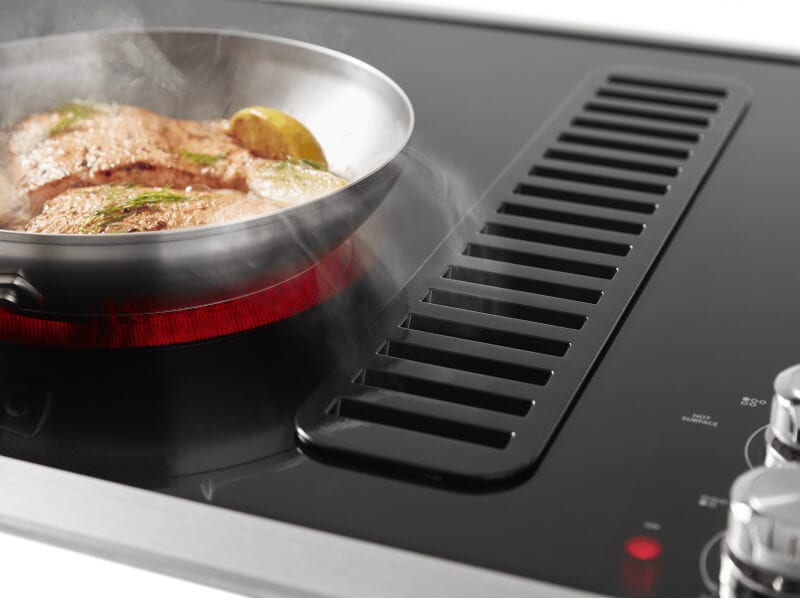
Credit: www.kitchenaid.com
Handles And Lids
Choosing the right handles and lids is important for cookware on induction stoves. These parts affect safety and cooking ease.
Good handles and lids help you control heat and move pots safely. They also improve your cooking experience.
Heat Resistance
Handles must resist heat to avoid burns. Look for handles made from materials that stay cool.
Lids should have heat-resistant knobs or handles. This makes lifting lids safer during cooking.
- Silicone or plastic handles resist heat well
- Metal handles with heat shields reduce heat transfer
- Tempered glass lids often have cool-touch knobs
Ergonomic Design
Ergonomic handles make lifting and moving cookware easier. They reduce hand strain and improve grip.
Lids with comfortable knobs or handles are easier to hold. This helps when you need to check food quickly.
- Look for handles with soft, non-slip grips
- Choose lids with knobs that fit well in your hand
- Curved handles provide better control and comfort
Budget And Brand Options
Choosing the right cookware for induction stoves depends on your budget and brand preferences. Some brands offer high-end products with premium features. Others provide affordable options that still work well on induction cooktops.
Knowing the differences between luxury and budget brands helps you pick cookware that fits your needs and price range.
Luxury Brands
Luxury brands often use high-quality materials like stainless steel with an aluminum core. They offer excellent heat distribution and durability. These sets usually last longer and maintain their appearance.
- High-grade stainless steel or multi-ply construction
- Even heat distribution for better cooking results
- Stylish design and polished finish
- Longer warranties and customer support
- Heavier weight indicating solid build quality
Affordable Alternatives
Affordable cookware brands can be a good choice for beginners or those on a tight budget. These options usually use less expensive materials but still work well with induction stoves.
| Brand Type | Material | Price Range | Durability | Suitability for Induction |
|---|---|---|---|---|
| Luxury Brands | Multi-ply stainless steel | High | Very durable | Excellent |
| Affordable Brands | Stainless steel or aluminum with induction plate | Low to Medium | Moderate | Good |
Caring For Induction Cookware
Induction cookware needs special care to last long and work well. Cleaning and maintenance keep the pots and pans safe and efficient.
Proper care stops damage and keeps the cookware looking new. Follow simple tips to clean and maintain your induction cookware.
Cleaning Tips
Clean induction cookware gently to avoid scratches and damage. Use mild detergents and soft cloths or sponges.
- Wash cookware after each use to remove food residues.
- Use warm water with mild dish soap for cleaning.
- Avoid abrasive scrubbers that can scratch the surface.
- Dry cookware immediately to prevent water spots.
- Remove tough stains with a paste of baking soda and water.
Maintenance Guidelines
Keep your induction cookware in good shape by following simple maintenance steps. Proper care improves cooking results and extends cookware life.
| Task | What to Do | Frequency |
| Check Base | Ensure the base is flat and clean for good heat contact. | Before each use |
| Season Cast Iron | Apply a thin layer of oil and heat to keep the surface smooth. | Monthly |
| Store Properly | Stack cookware with a soft cloth between pieces to avoid scratches. | After cleaning |
| Avoid Overheating | Do not heat empty pans to prevent warping. | Every use |
Common Mistakes To Avoid
Choosing cookware for induction stoves needs care. Using the wrong pots can cause poor heating or damage. Avoid common errors to get the best cooking experience.
Many buyers pick cookware without checking if it works with induction. Some ignore size or material issues. Learn which mistakes to skip for safe and efficient cooking.
Ignoring Induction Compatibility
Not all cookware works on induction stoves. Cookware must have a magnetic base to heat properly. Using non-compatible pans wastes energy and may not cook food evenly.
Choosing The Wrong Material
Materials like aluminum and copper often do not work on induction unless they have a magnetic layer. Stainless steel and cast iron are good choices. Check the product details for suitability.
Buying Cookware That Is Too Small Or Large
Cookware size affects heat distribution and stove performance. Small pots on large induction zones may not heat well. Large pans on small zones can waste power and cause uneven cooking.
- Match pan size to induction zone size
- Use medium-sized cookware for best heat balance
- Check stove manual for recommended sizes
Overlooking Flat Bottoms
Cookware for induction stoves must have a flat and smooth bottom. Warped or rounded bottoms reduce contact with the stove and cut heating efficiency.
Ignoring Weight And Handle Quality
Lightweight cookware may seem easier to handle but can feel unstable. Poor handle design can cause accidents. Choose pots with balanced weight and sturdy handles.
| Common Mistakes | Effect |
| Using non-magnetic cookware | Poor or no heating |
| Wrong material choice | Damage or uneven cooking |
| Incorrect size | Wasted energy, uneven heat |
| Non-flat bottoms | Reduced heat contact |
| Lightweight, unstable pans | Handling difficulty, accidents |
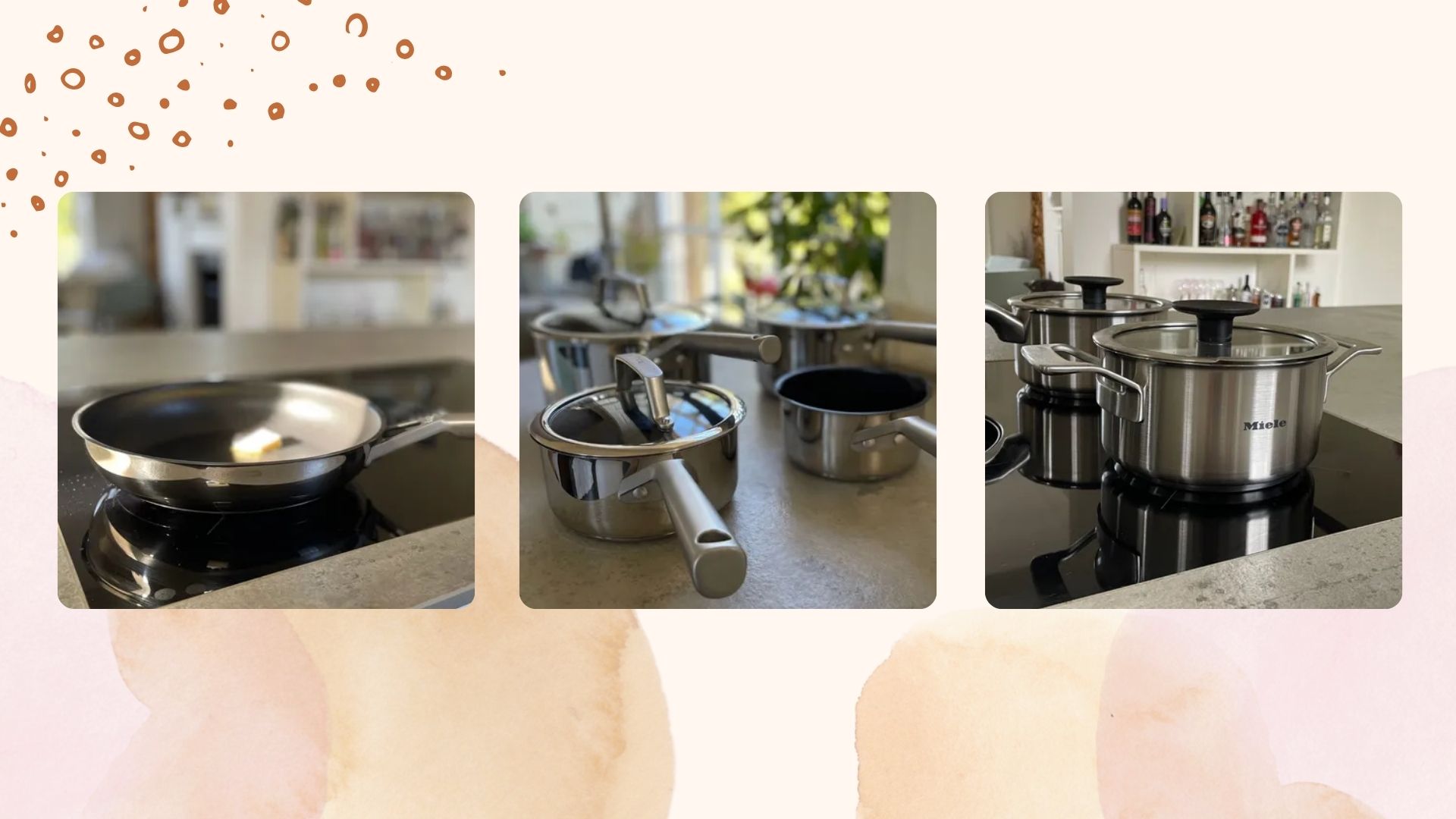
Credit: www.womanandhome.com
Frequently Asked Questions
What Types Of Cookware Work Best On Induction Stoves?
Cookware with magnetic bases like cast iron and stainless steel works best. Non-magnetic materials won’t heat effectively on induction stoves. Always check for an induction-compatible symbol on the cookware.
How To Test If Cookware Suits An Induction Stove?
Place a magnet on the cookware’s base. If it sticks firmly, the cookware is induction-compatible. This simple test ensures efficient heating on induction stoves.
Does Cookware Size Affect Induction Stove Performance?
Yes, cookware size matters. The base should match the burner size for even heating. Using too small or too large cookware can reduce cooking efficiency.
Can I Use Non-stick Pans On Induction Cooktops?
Yes, if the non-stick pan has a magnetic base. Many brands offer induction-compatible non-stick cookware. Check the product details before purchasing for induction use.
Conclusion
Choosing the right cookware for induction stoves makes cooking easier and safer. Pick pans with magnetic bases like cast iron or stainless steel. Avoid materials that don’t work well, such as aluminum or glass. Check the size to match your stove’s burners.
Good cookware heats food evenly and saves energy. Remember, a little care helps your pots last longer. Enjoy cooking with the right tools every day. Simple steps lead to better meals and happy kitchens.