
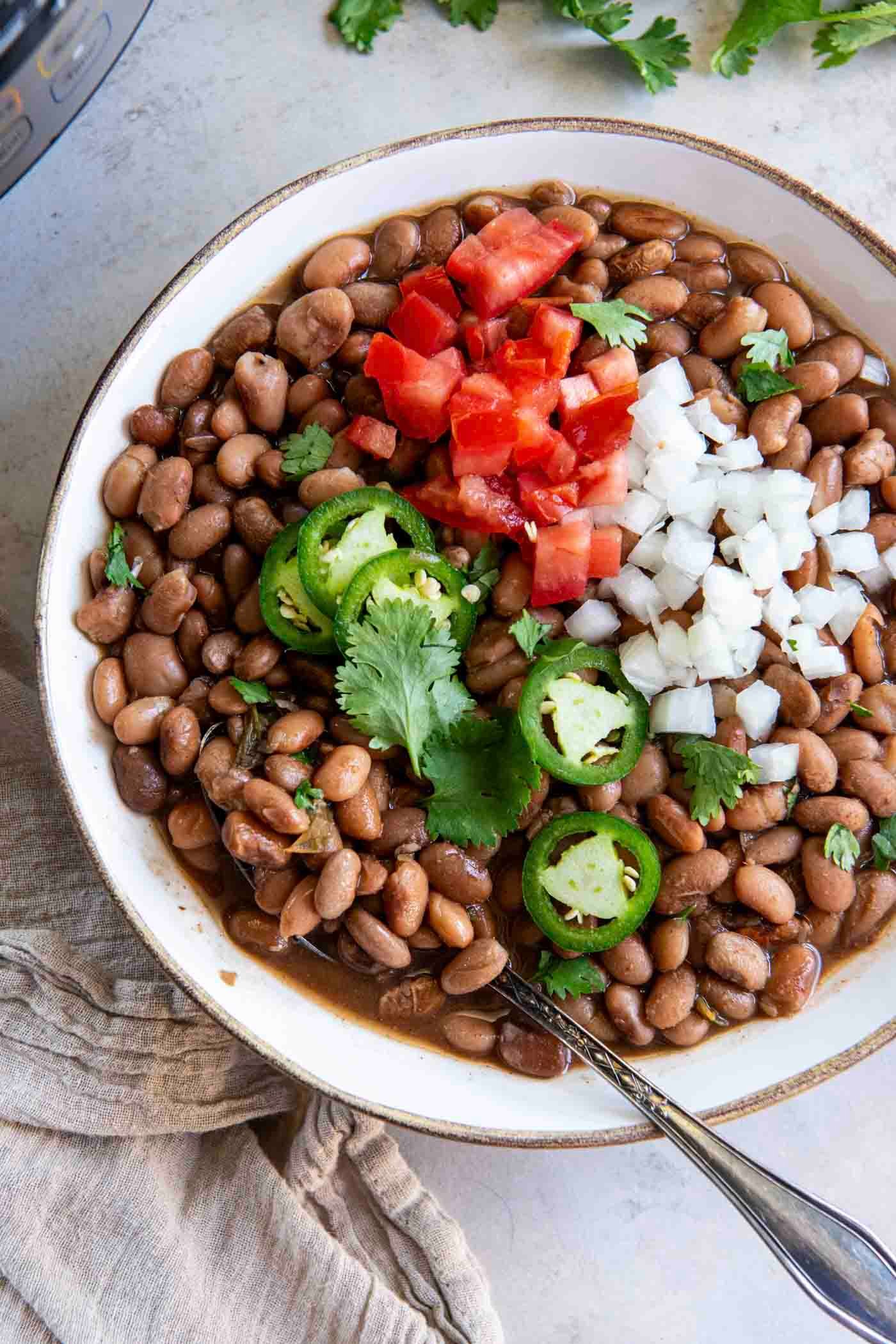
Are you tired of ending up with burnt beans every time you cook? You’re not alone.
Cooking beans can be tricky, but it doesn’t have to be. Imagine perfectly tender beans that don’t stick to the pot or burn at the bottom. Sounds great, right? In this guide, you’ll discover simple, practical tips to cook beans flawlessly every time.
Keep reading, and you’ll never worry about burnt beans again. Your next meal is about to get a whole lot better.

Credit: www.chocolateslopes.com
Choosing The Right Beans
Cooking beans without burning starts with picking the right beans. Different beans need different care.
Knowing your beans helps you cook them well and avoid burning or sticking.
Types Of Beans
Beans come in many types. Each type cooks differently and has its own texture and taste.
Some common beans include black beans, kidney beans, pinto beans, and navy beans.
- Black Beans: soft and creamy when cooked
- Kidney Beans: firm and hold shape well
- Pinto Beans: smooth texture, often used in refried beans
- Navy Beans: small and white, great for soups
Fresh Vs. Dried Beans
Fresh beans are moist and cook faster but are less common. Dried beans are dry and need soaking before cooking.
Dried beans take longer to cook but last longer in storage and often taste better after cooking.
- Fresh Beans: quick cooking, softer texture
- Dried Beans: require soaking, longer cooking time
- Soaking dried beans helps prevent burning during cooking
Credit: sweetandsavorymeals.com
Preparing Beans For Cooking
Cooking beans without burning them starts with good preparation. Properly preparing beans helps them cook evenly and taste better.
Two important steps are soaking the beans and rinsing and sorting them before cooking. These steps save time and improve texture.
Soaking Methods
Soaking beans softens them and reduces cooking time. There are two common soaking methods you can use.
- Overnight Soak:Place beans in a large bowl and cover them with water. Let them soak for 8 to 12 hours. Drain and rinse before cooking.
- Quick Soak:Boil beans in water for 2 minutes, then remove from heat. Let them soak for 1 hour, then drain and rinse.
Rinsing And Sorting
Rinsing and sorting beans removes dirt, small stones, and damaged beans. This step keeps the final dish clean and safe to eat.
| Task | Details |
| Sorting | Spread beans on a flat surface. Pick out stones, broken beans, and debris. |
| Rinsing | Place beans in a colander and rinse with cold water until water runs clear. |
Cooking Equipment And Tools
Cooking beans without burning them needs the right tools. Using the correct equipment helps keep beans soft and tasty.
Different tools work better for various cooking styles. Choosing the right pot or cooker makes a big difference.
Pots And Pans
Use a heavy-bottomed pot for cooking beans. It spreads heat evenly and stops burning.
Choose a pot with a tight-fitting lid. It keeps steam inside and cooks beans well.
- Cast iron or stainless steel pots work best
- Avoid thin or cheap pots that burn food easily
- Use a large pot to give beans space to cook
Pressure Cookers And Slow Cookers
Pressure cookers cook beans fast without burning. They keep moisture and heat inside well.
Slow cookers cook beans gently over hours. They reduce the risk of burning beans.
- Pressure cookers need enough water to avoid burning
- Slow cookers require low heat and longer cooking times
- Both tools save time and energy when cooking beans
Steps To Cook Beans
Cooking beans can be simple and tasty if done right. Avoid burning by following clear steps.
Start by measuring beans and water carefully. Keep the heat steady and watch the pot.
Measuring Water To Beans Ratio
Use enough water to cover the beans well. Beans absorb water as they cook.
A good rule is to add three cups of water for every cup of dry beans.
- 1 cup dry beans
- 3 cups water
- Extra water to check during cooking
Ideal Cooking Temperatures
Keep the beans at a gentle boil or simmer. High heat can burn the beans or dry the water.
Use medium-low heat to cook beans slowly and evenly. Stir occasionally to prevent sticking.
- Start with high heat to boil
- Reduce to low or medium-low to simmer
- Keep lid slightly open to avoid overflow
Preventing Beans From Burning
Cooking beans without burning them requires careful attention. Burnt beans taste bad and can ruin your meal.
Using the right techniques helps keep beans soft and flavorful. Two key ways are stirring properly and managing heat well.
Stirring Techniques
Stirring beans evenly spreads heat and stops them from sticking. It also prevents burning at the bottom of the pot.
- Stir beans gently but often during cooking.
- Use a wooden spoon to avoid damaging the pot.
- Scrape the bottom and sides of the pot while stirring.
- Do not stir too hard to keep beans whole.
Using Heat Diffusers
Heat diffusers spread heat evenly under your pot. They lower the risk of hot spots that cause burning.
| Benefit | Details |
| Even Heat | Prevents beans from cooking too fast in one spot |
| Protects Pot | Reduces direct flame contact with pot bottom |
| Better Control | Helps maintain low and steady heat |
| Safer Cooking | Less chance of sudden burning or boiling over |
Flavoring Your Beans
Flavoring beans well makes them taste delicious. Adding spices and herbs or aromatics brings out rich flavors. This guide shows easy ways to add good taste to your beans.
Adding Spices And Herbs
Spices and herbs add depth and warmth to beans. Use them carefully so the flavor is balanced. Some spices go well with beans and cook quickly.
- Cumin: Adds a smoky, earthy taste.
- Bay Leaves: Give a subtle herbal flavor.
- Oregano: Brings a fresh, slightly bitter note.
- Thyme: Offers a soft, woodsy aroma.
- Chili Powder: Adds heat and color.
- Black Pepper: Enhances overall flavor.
Incorporating Aromatics
Aromatics like onions, garlic, and peppers add a strong base flavor. They soften as beans cook and release their taste into the dish. Use fresh aromatics for best results.
| Aromatic | Flavor Profile | How to Use |
| Onion | Sweet and savory | Chop finely and sauté before adding beans |
| Garlic | Sharp and pungent | Crush or mince and cook with onions |
| Bell Pepper | Sweet and mild | Dice and add early in cooking |
| Celery | Fresh and slightly bitter | Chop and add with other aromatics |
| Carrot | Sweet and earthy | Grate or chop and sauté |
Tips For Perfect Texture
Cooking beans without burning them takes care and attention. Texture is key to enjoying beans. Soft but not mushy beans make every dish better.
Here are some helpful tips to get the texture just right. Follow these to avoid burning and to cook beans evenly.
Checking For Doneness
Check beans often to avoid overcooking or burning. Doneness means beans are tender and easy to mash with a fork.
- Start testing beans about 10 minutes before the end of cooking time.
- Take a few beans out and let them cool slightly.
- Press the beans between your fingers or bite gently.
- If beans are firm or hard, cook longer.
- If beans break easily and feel soft, they are done.
- Keep stirring gently to avoid sticking and burning.
Resting And Cooling
Let beans rest after cooking to improve texture. Cooling allows moisture to spread evenly inside beans.
| Resting Tip | Reason |
| Turn off heat and cover pot | Keeps beans warm and lets them finish cooking gently |
| Let beans sit for 10-15 minutes | Helps beans absorb liquids and stay soft |
| Do not rinse immediately | Preserves flavor and texture |
| Use beans after resting | Best texture for salads, soups, or sides |

Credit: www.theincrediblebulks.com
Common Mistakes To Avoid
Cooking beans seems easy, but many make mistakes that cause burning. Avoid these errors to get soft, tasty beans every time.
Knowing what to avoid helps you cook beans well without wasting time or ingredients.
Overcooking Issues
Overcooking beans makes them mushy and can burn the pot. Beans cook faster if soaked first, so watch the time.
Keep the heat low to avoid burning. Stir beans gently and check often to stop overcooking.
- Do not cook beans on high heat
- Check beans after 30 minutes of cooking
- Remove beans from heat once soft but firm
- Use enough water to cover beans fully
Neglecting Bean Quality
Using old or damaged beans can cause burning and uneven cooking. Always choose fresh, whole beans for best results.
Rinse beans well before cooking to remove dirt and debris. Good quality beans cook evenly and taste better.
- Buy beans from a trusted source
- Check for cracks or holes before cooking
- Sort beans to remove small stones or bad beans
- Store beans in a cool, dry place
Frequently Asked Questions
How Can I Prevent Beans From Burning While Cooking?
To prevent burning, cook beans on low heat and stir frequently. Use enough water to cover the beans. Avoid high heat as it causes sticking and burning.
What Is The Ideal Heat Setting For Cooking Beans?
Low to medium-low heat is ideal for cooking beans. This ensures even cooking and prevents the bottom from burning. Patience is key to avoid scorching.
Should I Soak Beans Before Cooking To Avoid Burning?
Yes, soaking beans softens them and reduces cooking time. This lowers the risk of burning. Soak overnight or for at least 6 hours in water.
How Often Should I Stir Beans During Cooking?
Stir beans every 10 to 15 minutes to prevent sticking. Frequent stirring distributes heat evenly and avoids burning at the pot’s bottom.
Conclusion
Cooking beans without burning takes care and patience. Use low heat and stir often. Add enough water to keep beans covered. Avoid rushing the cooking process. These simple steps help beans cook evenly. Enjoy soft, tasty beans every time. Cooking beans can be easy and stress-free.
Just follow these tips for best results. Your meals will improve with perfectly cooked beans. Keep practicing, and you will do great!