
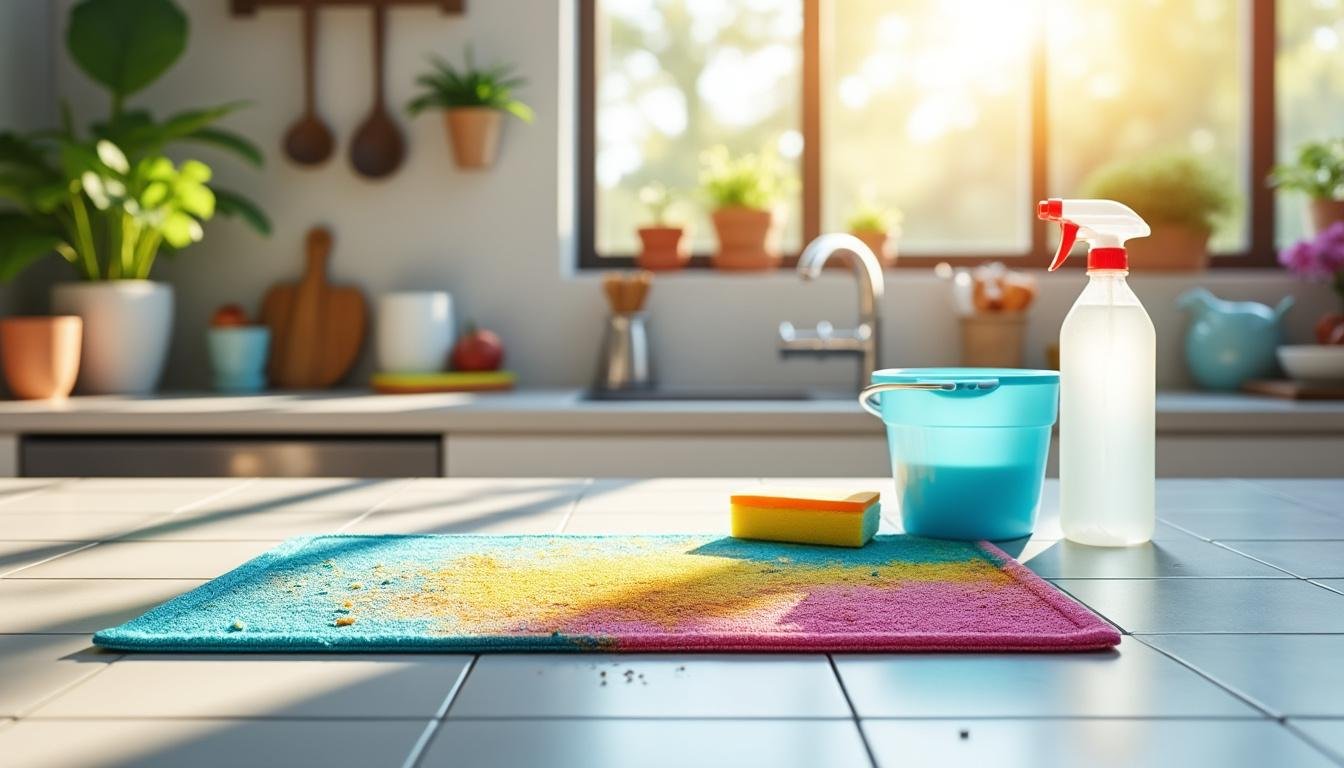
Your kitchen mat works hard every day, catching spills, crumbs, and dirt while you cook and clean. But when was the last time you gave it a good clean?
Keeping your kitchen mat fresh isn’t just about looks—it helps keep your kitchen hygienic and safe. You’ll discover simple, effective tips to clean your kitchen mats the right way. Follow these easy steps, and you’ll extend the life of your mat while making your kitchen a healthier place for you and your family.
Ready to get started? Let’s dive in!
Choosing The Right Kitchen Mats
Kitchen mats help keep your floor clean and comfortable. Picking the right mat makes cleaning easier.
Think about the material, size, and where you will place the mat before buying.
Material Considerations
Kitchen mats come in different materials like rubber, foam, and fabric. Each material has pros and cons.
Choose a material that is easy to clean and durable. Rubber mats resist water and spills well. Foam mats are soft and comfortable. Fabric mats absorb spills but need more washing.
- Rubber mats are slip-resistant and easy to wipe.
- Foam mats reduce fatigue when standing long.
- Fabric mats offer style but may stain.
Size And Placement
Pick a mat size that fits your kitchen space. Too small mats do not protect well. Too big mats can cause tripping.
Place mats where you stand most, such as in front of the sink or stove. This keeps your feet comfy and floors safe.
- Measure the area before buying a mat.
- Choose rectangular mats for counters and sinks.
- Use smaller mats near the dishwasher or fridge.
Daily Maintenance Tips
Keeping kitchen mats clean every day helps them last longer. Dirt and spills can build up fast in busy kitchens.
Simple daily care stops stains and bad smells. It also keeps your kitchen safe and neat.
Quick Sweep Routine
Sweeping your kitchen mat daily removes crumbs and dust. This prevents dirt from sticking deep into the mat fibers.
Use a broom or handheld vacuum for best results. Sweep both sides of the mat to catch all debris.
- Sweep mats every morning before cooking
- Focus on edges where dirt collects
- Shake the mat outside if needed
- Use a vacuum with a brush tool for thorough cleaning
Spot Cleaning Techniques
Spills and stains can happen anytime. Clean spots quickly to stop stains from setting into the mat.
Use a damp cloth and mild soap for most stains. Blot gently; do not rub hard to avoid damage.
- Blot spills immediately with a clean cloth
- Mix mild soap with water for cleaning solution
- Test cleaner on a small area first
- Rinse with a wet cloth to remove soap
- Let the mat air dry before use
Weekly Deep Cleaning Methods
Kitchen mats collect dirt, grease, and crumbs every day. Cleaning them weekly keeps your kitchen safe and fresh.
Deep cleaning removes hidden grime and extends the mat’s life. Use simple steps to keep mats clean and healthy.
Vacuuming Strategies
Start by vacuuming your kitchen mat on both sides. This removes loose dirt and crumbs before washing.
Use a vacuum with a brush attachment to reach deep fibers. Vacuum slowly for better cleaning.
- Vacuum at least once a week
- Flip the mat to vacuum both sides
- Use brush tools for thick mats
- Vacuum under the mat too
Safe Detergent Use
Choose mild detergents that do not harm the mat material. Strong chemicals can damage rubber and fibers.
Mix detergent with warm water for soaking. Always rinse mats well to remove soap residue.
- Use gentle, non-bleach detergent
- Test detergent on a small area first
- Soak mats in warm soapy water for 10-15 minutes
- Rinse thoroughly with clean water
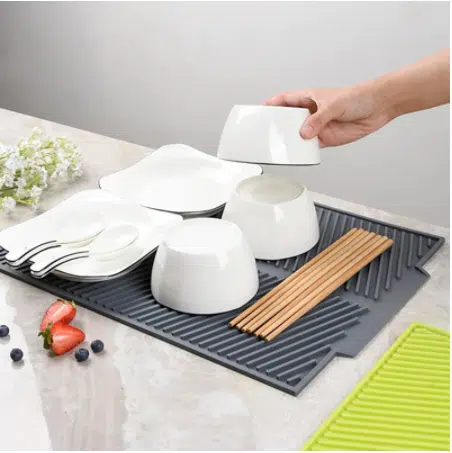
Credit: consumersiliconeproducts.com
Stain Removal Hacks
Kitchen mats often get dirty from food and liquids. Cleaning them helps keep your kitchen fresh.
Use simple tricks to remove tough stains from your mats quickly and easily.
Tackling Grease Stains
Grease stains can be hard to clean. Start by blotting the stain with a dry cloth to remove excess oil.
Sprinkle baking soda on the stain. Let it sit for 10 minutes to absorb the grease.
- Use dish soap and warm water to scrub the area gently.
- Rinse with clean water and blot dry with a towel.
- Repeat if the stain remains after drying.
Dealing With Spills
Spills can leave marks if not cleaned quickly. Blot the spill immediately with paper towels.
Mix equal parts white vinegar and water. Use a cloth to dab the stain with the solution.
- Gently scrub the area with a soft brush.
- Rinse with warm water and blot dry.
- Air dry the mat completely before use.
Preventing Mold And Mildew
Kitchen mats often get wet and stay damp. This creates a perfect place for mold and mildew to grow. Cleaning and drying mats regularly helps keep them fresh and safe.
Preventing mold means stopping moisture and improving air flow. Use simple tips to protect your kitchen mats from mold and mildew problems.
Ensuring Proper Ventilation
Good air flow helps dry kitchen mats faster. Open windows or doors when cooking or cleaning. Use fans to move air around the kitchen.
Check areas where mats are placed. Avoid blocking vents or air paths. Keep the space under and around mats clear for better drying.
- Open windows to let fresh air in
- Use exhaust fans when cooking
- Do not block air vents near mats
- Keep space under mats free of clutter
Moisture Control Tips
Moisture causes mold to grow quickly. Dry mats right after spills or cleaning. Hang mats outside or in a dry place to air out.
Use absorbent materials under mats to catch water. Check mats often for wet spots. Clean them regularly with mild soap and water to remove dirt and mold spores.
- Dry mats immediately after use or cleaning
- Hang mats outside to air dry if possible
- Place absorbent cloths under mats
- Clean mats weekly with gentle soap
:max_bytes(150000):strip_icc()/SPR-we-asked-a-pro-how-to-clean-a-front-doormat-01_64029-1-4ab2f95821d04c4f901f893a4aa2f316.jpg)
Credit: www.thespruce.com
Eco-friendly Cleaning Solutions
Cleaning kitchen mats with eco-friendly solutions helps protect the environment. It also keeps your home free from harsh chemicals.
Using natural ingredients is safe and effective for regular cleaning. These methods save money and reduce waste.
Using Natural Ingredients
Simple ingredients like vinegar, baking soda, and lemon can clean mats well. They remove stains, odors, and bacteria naturally.
- Vinegar breaks down dirt and kills germs.
- Baking soda absorbs smells and lightens stains.
- Lemon acts as a natural bleach and freshener.
- Castile soap provides gentle cleaning without chemicals.
Homemade Cleaner Recipes
Make your own cleaning solutions at home with easy recipes. They work well on most kitchen mats and are safe for all family members.
| Recipe | Ingredients | Instructions |
| All-Purpose Cleaner | 1 cup water, 1 cup vinegar, 10 drops essential oil | Mix all in a spray bottle. Spray on mat and wipe. |
| Baking Soda Scrub | 1/2 cup baking soda, water to paste | Apply paste on stains. Let sit 15 minutes. Scrub gently and rinse. |
| Lemon Freshener | Juice of 1 lemon, 1 cup warm water | Spray on mat. Let air dry for fresh scent. |
Maintaining Mat Durability
Kitchen mats face constant wear from daily use. Keeping them durable saves money and effort. Proper cleaning and care extend the life of your mats.
Focus on key habits to protect your mats. These habits help mats stay strong and functional for a long time.
Regular Rotation Practice
Rotating your kitchen mats regularly helps even out wear. This prevents one spot from getting too damaged. It also allows mats to dry completely after cleaning.
- Switch mats between different kitchen areas weekly.
- Flip mats over to use both sides evenly.
- Check mats for any signs of damage during rotation.
- Clean mats before rotating to avoid dirt buildup.
Handling Heavy Traffic Areas
Heavy traffic areas strain mats more than other spots. These areas need extra care and attention. Use the right cleaning methods to protect the mat fibers.
| Traffic Level | Recommended Cleaning Frequency | Care Tips |
| High | Twice a week | Vacuum daily, deep clean weekly |
| Medium | Once a week | Vacuum regularly, spot clean |
| Low | Bi-weekly | Light vacuum, occasional washing |
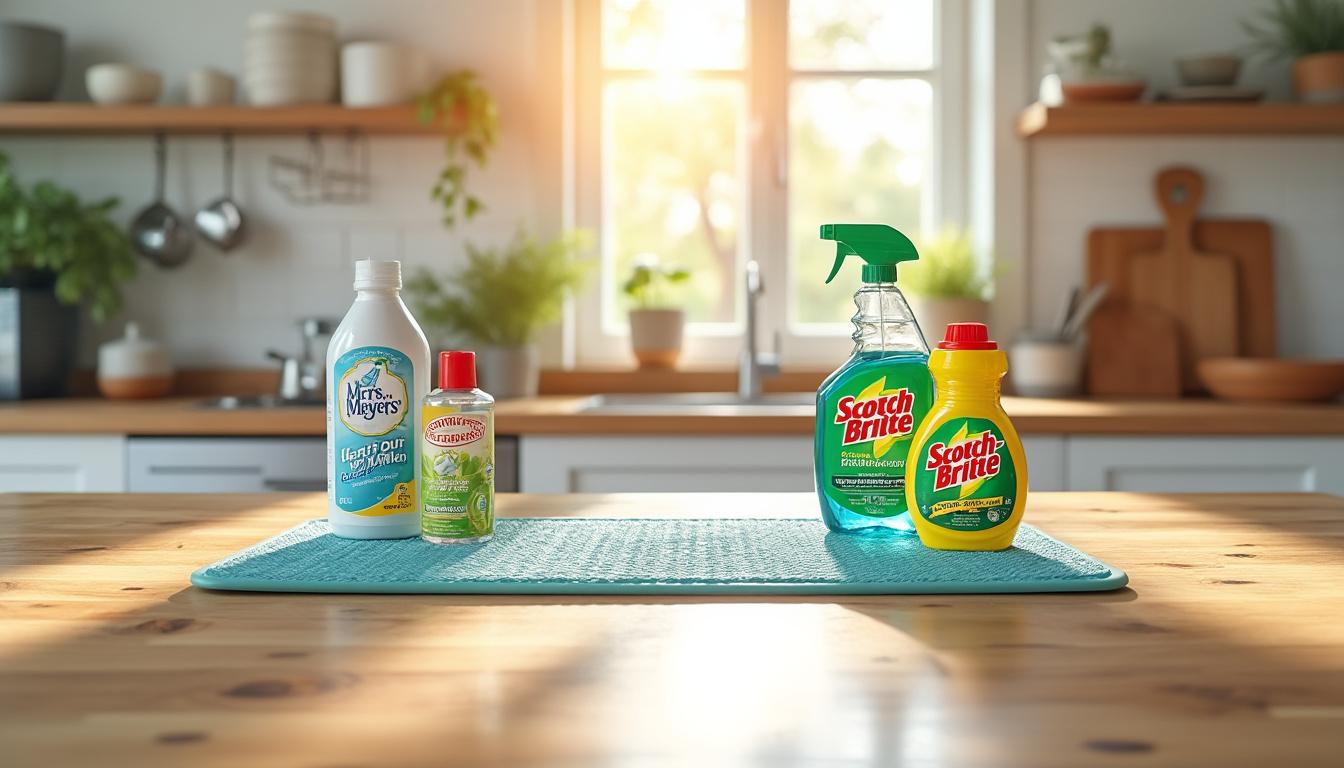
Credit: sokafa.com
Storing Kitchen Mats Properly
Keeping kitchen mats clean and safe extends their life. Proper storage helps maintain their look and function. Learn easy ways to store your mats right.
Good storage protects mats from damage and keeps them ready for use. Follow simple tips for seasonal care and avoiding sun damage.
Seasonal Storage Tips
Store mats in a cool, dry place during off-seasons. Clean mats before storing to remove dirt and moisture. Roll mats instead of folding to avoid creases.
- Wash mats with mild soap and water.
- Let mats dry completely in the shade.
- Roll mats loosely to prevent cracks.
- Keep mats in breathable bags or containers.
- Avoid stacking heavy items on top.
Avoiding Sun Damage
Sunlight can fade colors and weaken materials. Always keep mats out of direct sunlight when storing or using them.
| Damage Type | Cause | Prevention |
| Fading | UV rays | Store in dark, shaded areas |
| Cracking | Dry heat from sun | Keep mats cool and dry |
| Wear | Sun exposure over time | Use curtains or blinds near mats |
Frequently Asked Questions
How Often Should I Clean Kitchen Mats?
Clean kitchen mats at least once a week to remove dirt and bacteria. Frequent cleaning prevents odors and keeps mats hygienic. More frequent cleaning is needed in high-traffic kitchens or with pets.
What Is The Best Method To Clean Kitchen Mats?
Vacuum or shake out loose debris first. Then, wash with warm water and mild detergent. For rubber mats, wipe with a damp cloth and avoid harsh chemicals to preserve material quality.
Can I Machine Wash Kitchen Mats Safely?
Many fabric kitchen mats are machine washable on a gentle cycle. Check the care label before washing. Avoid machine washing rubber or foam mats to prevent damage.
How Do I Remove Stains From Kitchen Mats?
Treat stains promptly using a mixture of baking soda and water or mild detergent. Gently scrub with a soft brush, then rinse and air dry to avoid mold buildup.
Conclusion
Keeping your kitchen mats clean helps maintain a fresh and healthy space. Regular washing removes dirt and prevents bad smells. Simple steps like shaking out debris and spot cleaning save time. Using mild soap and water keeps mats safe and long-lasting.
Clean mats also reduce slips and improve kitchen safety. Make mat care a routine part of your cleaning. A little effort goes a long way for a tidy kitchen. Clean mats, happy kitchen.