
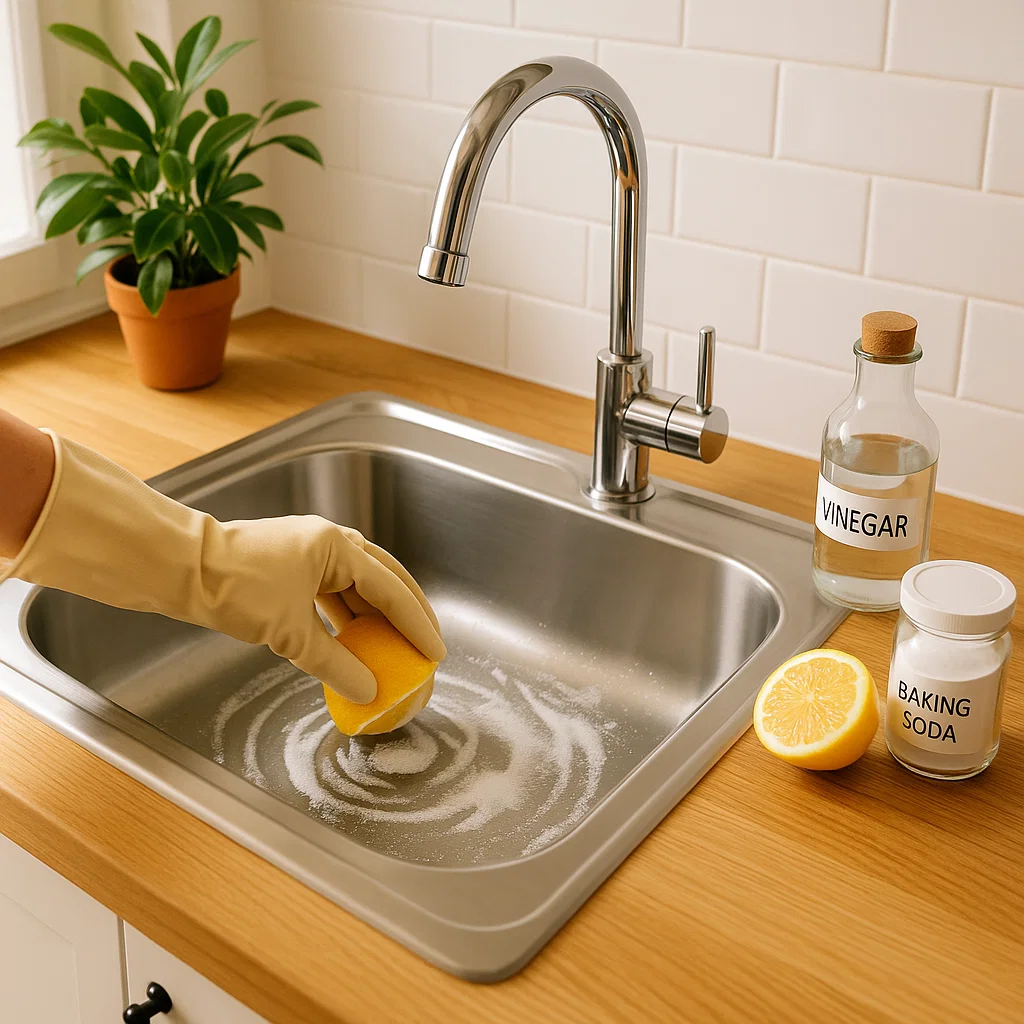
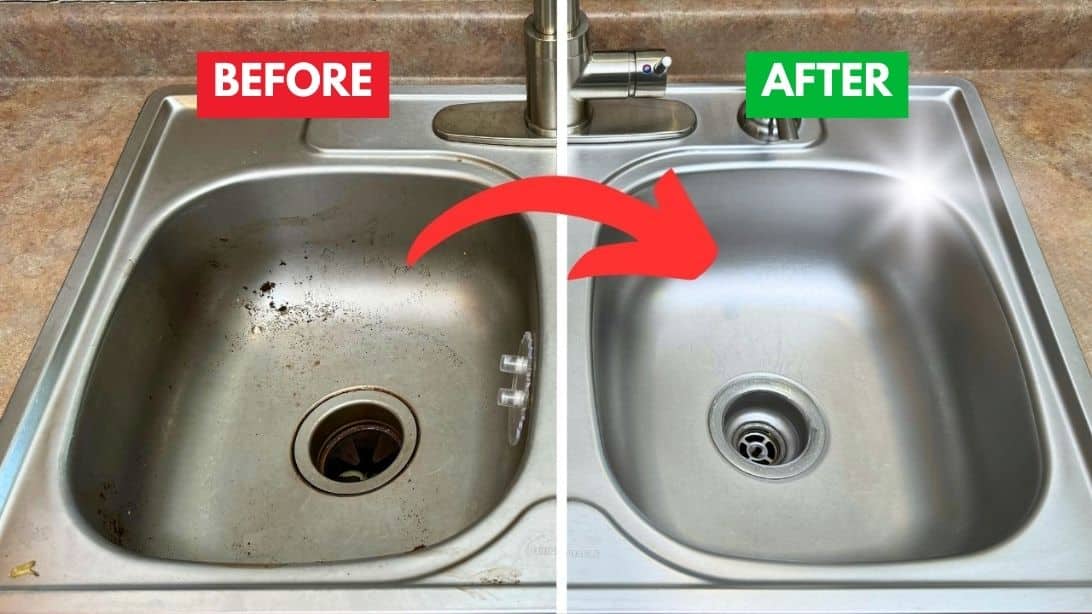
Is your stainless steel sink looking dull or stained? You might think it’s tough to clean without harsh chemicals, but that’s not true.
With the right natural tips, you can make your sink shine like new again. Imagine a sink so clean it brightens your entire kitchen. You’re just a few simple steps away from achieving that. Keep reading, and you’ll discover easy, natural ways to clean your stainless steel sink thoroughly—no chemicals needed.
Your sink will thank you!
Credit: www.rd.com
Materials Needed
Cleaning a stainless steel sink naturally requires simple items found at home. These materials help remove stains and shine your sink without harsh chemicals.
Using natural materials protects your sink and keeps your kitchen safe for your family. Here are the main materials you will need for a thorough cleaning.
Baking Soda
Baking soda works as a gentle abrasive. It helps scrub away grime and stains without scratching the sink surface.
White Vinegar
White vinegar cuts through mineral deposits and water spots. It also disinfects the sink naturally and leaves it smelling fresh.
Lemon
Lemon juice helps remove rust and adds a fresh scent. Its natural acid brightens the sink’s surface.
Soft Cloth Or Sponge
Use a soft cloth or sponge to apply materials and scrub the sink. Avoid rough pads that can scratch stainless steel.
Warm Water
Warm water helps dissolve dirt and rinse the sink clean after scrubbing. It also aids in activating the cleaning power of natural ingredients.
Optional: Olive Oil
Olive oil adds shine and helps protect the sink’s surface. Use a small amount to polish after cleaning.
- Baking soda: mild abrasive
- White vinegar: natural disinfectant
- Lemon: rust remover and freshener
- Soft cloth or sponge: gentle scrubbing
- Warm water: rinsing and dissolving dirt
- Olive oil (optional): polishing and shine
Daily Maintenance Tips
Cleaning your stainless steel sink every day helps keep it shiny and new. Using natural ways protects the sink and the environment.
Simple daily care stops stains and water spots from building up. This saves time and effort later.
Rinse And Wipe After Use
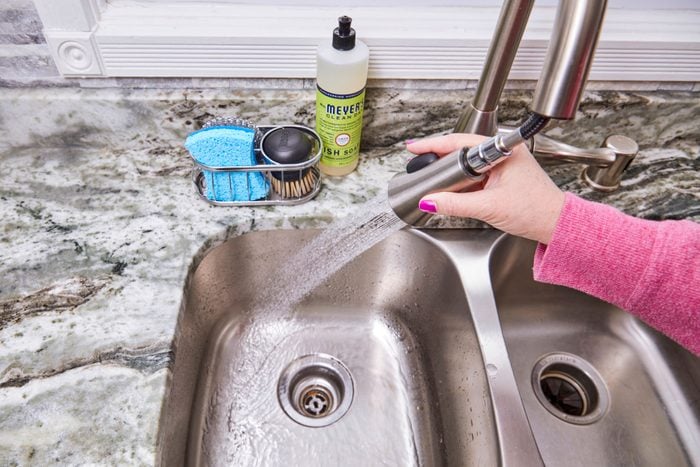
Rinse your sink with warm water after washing dishes. This removes food bits and soap residue.
Use a soft cloth to wipe the sink dry. This stops water spots and keeps it shiny.
Use Baking Soda For Gentle Scrubbing
Sprinkle baking soda on the wet sink surface. It cleans without scratching the steel.
Rub gently with a soft sponge, then rinse well. Baking soda removes stains and odors naturally.
Dry The Sink Thoroughly
Always dry your sink after rinsing. Water left behind can cause spots and dull the finish.
Use a microfiber cloth or soft towel. These materials absorb water quickly and do not scratch.
Use White Vinegar To Remove Water Spots
Spray white vinegar on any water spots or dull areas. Let it sit for a few minutes.
Wipe with a soft cloth and rinse. Vinegar helps break down minerals naturally.
Avoid Harsh Chemicals And Steel Wool
Do not use bleach or strong cleaners. These can damage the sink’s finish.
Avoid steel wool or rough pads. They scratch the surface and cause rust spots.
Deep Cleaning Process
Cleaning a stainless steel sink naturally keeps it shiny and safe. Deep cleaning removes dirt and stains well.
Using simple natural ingredients helps protect your sink and the environment. Follow easy steps for best results.
Preparing The Sink
First, clear the sink of dishes and debris. Rinse it with warm water to loosen grime.
Check the drain and remove any food particles. This makes the cleaning process more effective.
Applying Natural Cleaners
Use natural cleaners like baking soda and white vinegar. Baking soda scrubs gently, while vinegar kills germs.
- Sprinkle baking soda all over the wet sink surface
- Pour white vinegar slowly to create fizzing action
- Let the mixture sit for five to ten minutes
This fizzing helps break down stains and grime without harsh chemicals.
Scrubbing Techniques
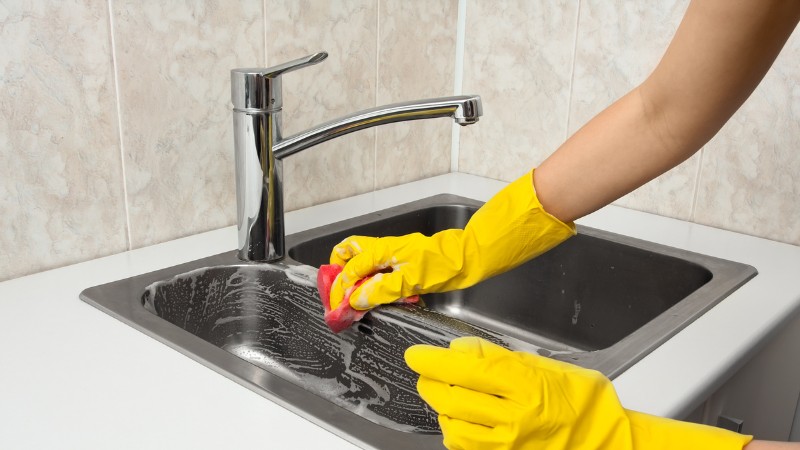
Use a soft sponge or cloth to scrub the sink. Focus on corners and around the drain.
Scrub in the direction of the steel grain to avoid scratches. Rinse the sink well with warm water.
- Scrub gently but cover all areas
- Use an old toothbrush for tight spots
- Rinse thoroughly to remove all cleaner residues
Removing Water Spots
Water spots can make stainless steel sinks look dull and dirty. These spots happen when minerals in water dry on the surface.
Using natural cleaning methods keeps your sink shiny without harsh chemicals. Here are easy tips to remove water spots naturally.
Use White Vinegar
White vinegar breaks down mineral deposits that cause water spots. It is safe and natural for stainless steel.
Spray vinegar on the spots and let it sit for a few minutes. Wipe with a soft cloth and rinse with water.
Apply Baking Soda Paste
Baking soda gently scrubs away water spots without scratching the sink. It also deodorizes naturally.
Make a paste with baking soda and water. Rub it on spots with a soft cloth or sponge. Rinse well and dry.
Polish With Olive Oil
Olive oil adds shine and helps prevent future water spots. It is a natural way to keep stainless steel bright.
Put a few drops on a soft cloth. Rub gently over the sink in the direction of the grain. Buff with a dry cloth.
Dry Sink After Use
Water spots form when water dries on the sink surface. Drying the sink stops spots from forming.
Use a soft towel to dry your sink after each use. This simple step keeps it clean and shiny longer.
Dealing With Stubborn Stains
Stainless steel sinks can get stubborn stains that are hard to remove. Natural cleaning helps keep your sink safe and shiny.
Using gentle, natural ingredients protects your sink from damage. These tips help remove tough stains without harsh chemicals.
Use Baking Soda And Lemon
Baking soda is a mild abrasive that cleans without scratching. Lemon adds natural acid to break down stains.
Sprinkle baking soda on the stain. Rub it gently with a half lemon. Let it sit for five minutes, then rinse well.
Apply White Vinegar Spray
White vinegar dissolves mineral deposits and soap scum. It helps lift stains from stainless steel surfaces.
Spray vinegar on the stain and let it sit for ten minutes. Wipe with a soft cloth and rinse with water.
Make A Paste With Cream Of Tartar
Cream of tartar works well as a gentle cleaner. It can remove rust spots and discoloration naturally.
Mix cream of tartar with water to form a paste. Apply it on the stain and let it dry. Scrub lightly, then rinse.
Use Olive Oil To Polish
After cleaning stains, olive oil can restore shine to your sink. It creates a smooth surface that repels water spots.
Put a small amount of olive oil on a soft cloth. Rub the sink in circular motions for a natural polish.
Polishing For Shine
Polishing your stainless steel sink brings out its natural shine. It also protects the surface from stains and water marks.
Using natural methods to polish keeps your sink clean without harsh chemicals. These tips help you get a bright, smooth finish.
Use Olive Oil Or Mineral Oil
Olive oil or mineral oil can polish stainless steel naturally. They add a protective layer that shines and repels water.
Apply a small amount on a soft cloth. Rub the oil over the sink in small circular motions. Then wipe off any extra oil with a clean cloth.
Polish With Baking Soda Paste
Baking soda makes a gentle abrasive paste that cleans and shines. It removes stains without scratching the sink.
- Mix baking soda with water to form a thick paste.
- Spread the paste over the sink surface.
- Use a soft sponge to rub the paste in circles.
- Rinse with warm water and dry with a soft towel.
Lemon Juice For Brightening
Lemon juice brightens stainless steel and removes dull spots. Its natural acid cuts through grime and water stains.
| Natural Polish | How It Works | Use Instructions |
|---|---|---|
| Olive or Mineral Oil | Creates shine and water resistance | Rub with a cloth, then wipe excess |
| Baking Soda Paste | Gentle scrub removes stains | Apply paste, scrub gently, rinse dry |
| Lemon Juice | Brightens and removes dull spots | Rub juice on sink, rinse, dry |
Preventing Future Stains
Keeping your stainless steel sink free from stains is easier with good habits. Small steps help keep it shiny and clean.
Using natural methods prevents damage and keeps your sink looking new for longer.
Wipe The Sink Dry After Each Use
Water spots cause stains on stainless steel. Always dry your sink after washing dishes or using water.
A soft cloth or towel works best to remove water and prevent marks.
Use Natural Cleaners Regularly
Cleaning with vinegar or baking soda keeps stains away. These natural cleaners remove grime gently.
Regular cleaning stops build-up that causes discoloration and rust.
Avoid Harsh Chemicals And Abrasives
Strong chemicals and rough scrubbers can scratch your sink. Scratches trap dirt and cause stains.
Stick to soft cloths and natural cleaners to protect the sink’s surface.
Rinse Away Food And Soap Residue
Leftover food and soap can leave marks and stains. Rinse your sink well after each use.
Clean water helps keep the surface spotless and shiny.
Use A Sink Protector Or Mat
Sink protectors stop scratches and stains from heavy pots and pans. They keep your sink safe during daily use.
- Choose soft rubber or silicone mats
- Clean mats regularly to avoid dirt build-up
- Remove mats to clean underneath them often
Credit: diyjoy.com
Eco-friendly Products
Cleaning your stainless steel sink with natural products helps protect the environment. These products avoid harsh chemicals that can harm water and soil.
Using eco-friendly items keeps your sink shiny and safe for your family and pets.
Baking Soda
Baking soda is a gentle scrubber that removes stains without scratching the sink. It deodorizes and cleans naturally.
Sprinkle baking soda all over the sink, then scrub with a soft sponge. Rinse with warm water for a clean shine.
White Vinegar
White vinegar dissolves mineral deposits and water spots. It also kills germs without chemicals.
Spray vinegar on the sink and let it sit for a few minutes. Wipe with a soft cloth, then rinse well.
Lemon Juice
Lemon juice adds a fresh scent and helps remove rust stains. Its natural acid cleans without damage.
Rub lemon juice on spots or stains, then rinse with water. Use a cloth to shine the sink afterward.
Castile Soap
Castile soap is plant-based and gentle. It cuts grease while protecting your sink’s surface.
Mix castile soap with water. Use a sponge to wash the sink, then rinse with clean water.
Olive Oil
Olive oil polishes stainless steel and prevents water marks. It gives the sink a smooth, shiny finish.
Apply a small amount of olive oil on a cloth. Rub gently over the sink surface to add shine.
Diy Cleaning Solutions
Stainless steel sinks look great but need regular cleaning. Natural DIY solutions help keep them shiny.
These simple methods use items you already have. They clean well without harsh chemicals.
Baking Soda Paste
Baking soda is gentle but effective. It removes stains and grime without scratching the sink.
- Mix baking soda with water to form a thick paste.
- Apply the paste to the sink surface using a soft cloth or sponge.
- Rub gently in circular motions to lift stains.
- Rinse well with warm water and dry with a soft towel.
Vinegar Spray
Vinegar cuts through grease and kills bacteria. It also removes water spots.
| How to Use Vinegar Spray | Benefits |
| Fill a spray bottle with equal parts vinegar and water. | Disinfects and cleans naturally. |
| Spray the solution over the sink surface. | Removes mineral deposits and soap scum. |
| Let it sit for 5-10 minutes. | Safe for most stainless steel finishes. |
| Wipe with a soft cloth and rinse. | Leaves a streak-free shine. |
Lemon Juice Mixture
Lemon juice adds a fresh scent and acts as a natural bleach. It brightens dull surfaces.
- Mix lemon juice with a small amount of salt to form a scrub.
- Rub the mixture on the sink with a cloth.
- Focus on stains and discolored areas.
- Rinse thoroughly with water and dry.
Credit: modern-maids.com
Frequently Asked Questions
How Do I Clean Stainless Steel Sinks Naturally?
Use a mix of baking soda and white vinegar for a natural clean. Sprinkle baking soda, scrub gently, then spray vinegar. Rinse with warm water to remove stains and odors effectively without harsh chemicals.
What Natural Ingredients Remove Stains From Stainless Steel?
Baking soda, lemon juice, and white vinegar are great natural stain removers. They break down grime, shine the surface, and deodorize. These ingredients are safe and eco-friendly for regular sink maintenance.
Can Natural Cleaning Prevent Stainless Steel Rust?
Yes, regular cleaning with natural products like baking soda and vinegar helps prevent rust. Keeping the sink dry after use also reduces rust risk. Avoid abrasive tools to maintain the protective finish.
How Often Should I Clean My Stainless Steel Sink Naturally?
Clean your sink at least once a week using natural methods. Frequent cleaning prevents buildup, stains, and odors. For heavy use, a quick daily rinse with vinegar and baking soda is beneficial.
Conclusion
Cleaning your stainless steel sink naturally keeps it shiny and fresh. Use simple ingredients like baking soda and vinegar for best results. Avoid harsh chemicals that can damage the surface. Regular cleaning stops stains and buildup from forming. A clean sink looks nicer and lasts longer.
Try these easy tips today. Your kitchen will feel cleaner and healthier. Simple steps make a big difference. Keep your sink sparkling without any strong chemicals. Natural cleaning works well and saves money too.