
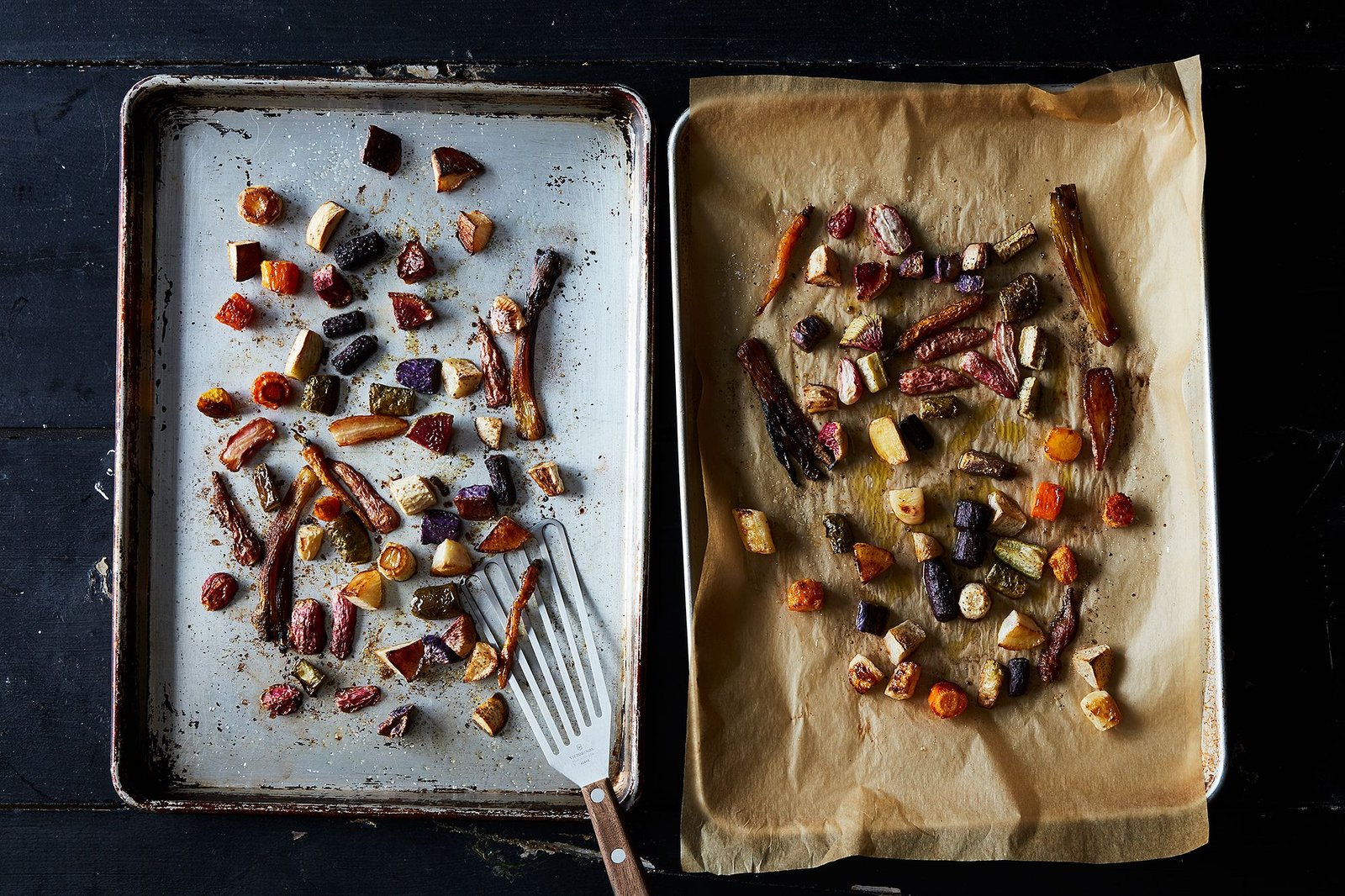
Are you tired of soggy, limp roasted vegetables that just don’t hit the spot? You’re not alone.
Getting that perfect crispy texture can feel tricky, but once you know the right tips, your veggies will come out golden, crunchy, and full of flavor every time. Imagine biting into roasted vegetables that have a satisfying crisp on the outside and a tender inside—sounds delicious, right?
Keep reading, because these simple tricks will transform your roasting game and make your veggies the star of every meal.

Credit: www.beautybites.org
Choosing The Right Vegetables
Roasting vegetables is a great way to bring out their natural flavors. Picking the right vegetables is important to get them crispy and tasty.
Not all vegetables roast well. Some become soggy or mushy. Knowing which ones work best helps you avoid this problem.
Best Vegetables For Roasting
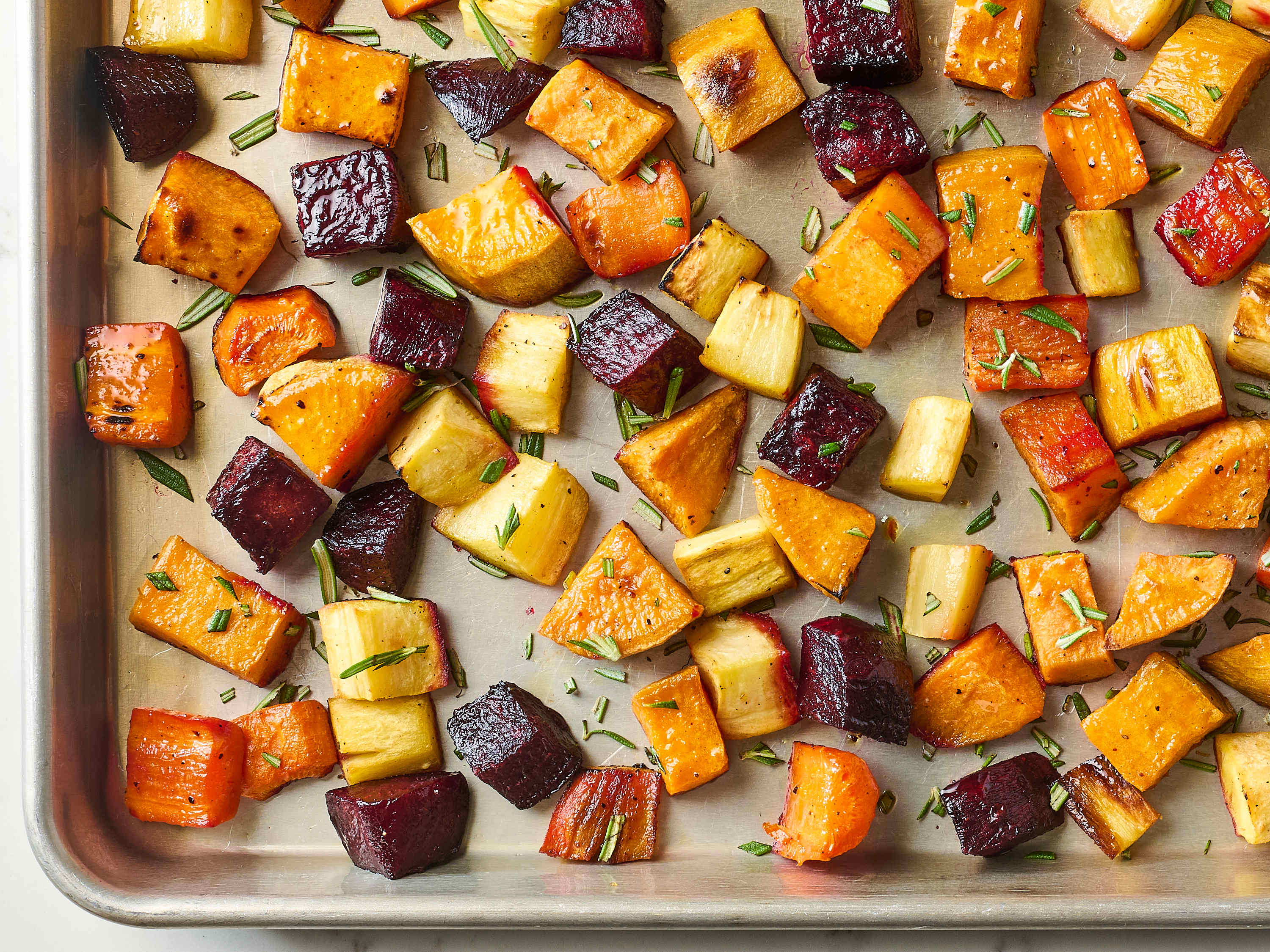
Vegetables with low water content roast well and get crispy edges. Root vegetables and sturdy veggies are good choices.
- Carrots
- Potatoes
- Brussels sprouts
- Cauliflower
- Parsnips
- Butternut squash
- Bell peppers
Avoiding Soggy Varieties
Some vegetables hold too much water. They steam instead of roasting and become soft or soggy.
| Vegetable | Reason to Avoid |
|---|---|
| Cucumbers | High water content causes sogginess |
| Lettuce | Wilt quickly and become mushy |
| Tomatoes | Turn to mush when roasted whole |
| Zucchini | Release water, lose crispness |
Credit: www.thekitchn.com
Preparing Vegetables For Roasting
Roasting vegetables makes them crispy and full of flavor. Proper preparation helps them cook evenly and taste better.
Two important steps in preparation are cutting the vegetables right and drying them well. These steps improve texture and cooking results.
Cutting Techniques For Even Cooking
Cut vegetables into similar sizes to ensure they cook at the same rate. Uneven pieces can cause some parts to burn while others stay raw.
- Use a sharp knife for clean cuts
- Cut root vegetables like carrots and potatoes into chunks of equal size
- Slice softer vegetables like zucchini into uniform rounds or sticks
- Trim leafy vegetables to similar bite-size pieces
- Try to keep thickness consistent across all pieces
Importance Of Drying Vegetables
Dry vegetables before roasting to help them crisp up. Moisture on the surface creates steam that prevents browning.
| Drying Method | Why It Helps |
| Patting with paper towels | Removes surface water quickly |
| Using a salad spinner | Dries leafy and small pieces evenly |
| Air drying on a rack | Allows moisture to evaporate naturally |
Selecting The Perfect Oil
Choosing the right oil is key to roasting crispy vegetables. The oil affects taste and texture.
Some oils handle heat better, while others add more flavor. Pick an oil that fits your needs.
Benefits Of High Smoke Point Oils
High smoke point oils stay stable at high heat. This stops the oil from burning and smoking.
Using these oils helps vegetables roast evenly and get crispy without a bitter taste.
- Can handle oven temperatures above 400°F (204°C)
- Prevent unpleasant burnt flavors
- Promote even browning and crispiness
- Keep nutrients intact during cooking
Enhancing Flavor With Infused Oils
Infused oils add extra taste to roasted vegetables. They bring herbs, spices, or garlic flavors.
Use infused oils carefully to not overpower the natural taste of vegetables.
- Rosemary or thyme infused oils add earthy notes
- Garlic-infused oil gives a mild spicy flavor
- Chili-infused oils add a touch of heat
- Use a small amount to keep balance
Credit: www.chowhound.com
Mastering Oven Temperature
Roasting vegetables is a simple way to bring out their natural flavors. The oven temperature plays a big role in making them crispy.
Getting the right heat helps vegetables cook evenly and get a perfect crunch without burning.
Ideal Temperature For Crispy Texture
Set your oven between 400°F and 450°F for the best crispiness. This range cooks vegetables fast and dries out moisture.
Too low temperatures make veggies soft and soggy. Too high can burn the outside before inside cooks.
- 400°F is good for most vegetables
- 425°F adds extra crisp without burning
- 450°F is best for quick roasting and browning
Adjusting For Different Vegetables
Different vegetables need slight temperature or time changes. Hard veggies need more heat and time than soft ones.
Leafy greens roast quickly at lower heat to avoid burning. Root vegetables take longer and need higher heat.
| Vegetable Type | Temperature | Roasting Time |
|---|---|---|
| Root vegetables (carrots, potatoes) | 425°F – 450°F | 25-35 minutes |
| Soft vegetables (zucchini, bell peppers) | 400°F – 425°F | 15-20 minutes |
| Leafy greens (kale, spinach) | 375°F – 400°F | 10-15 minutes |
Seasoning For Maximum Flavor
Roasting vegetables brings out their natural sweetness. Proper seasoning makes them taste even better.
Using the right spices and herbs helps create crispy, flavorful veggies every time.
Using Salt And Pepper Effectively
Salt enhances the natural flavors of vegetables. Use it just before roasting for the best taste.
Freshly ground black pepper adds a mild heat. Add it after salting to keep the flavor strong.
- Use coarse salt for crunch and flavor
- Season vegetables evenly for consistent taste
- Adjust salt based on vegetable type and size
- Add pepper last to keep its aroma fresh
Incorporating Herbs And Spices
Herbs and spices give roasted vegetables extra layers of flavor. Use fresh or dried options.
Mix herbs like thyme, rosemary, or oregano with spices such as paprika or cumin to add depth.
- Fresh herbs add brightness and aroma
- Dried herbs give a stronger, earthier taste
- Spices add warmth and complexity
- Combine herbs and spices for balanced flavor
Optimizing Baking Techniques
Roasting vegetables makes them taste sweet and crispy. The way you bake them affects how crunchy they turn out. Using simple baking tips helps you get the best crispiness.
Small changes in your baking method can change the texture a lot. This guide covers two important tips to improve your roasting results.
Importance Of Single Layer Arrangement
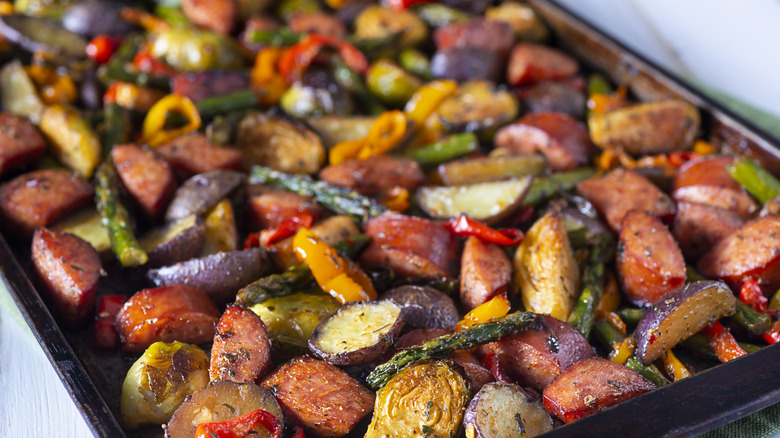
Spread vegetables in a single layer on the baking tray. Crowding makes them steam, not roast. This stops them from getting crispy.
When vegetables touch, moisture gets trapped. Air cannot circulate well. This leads to soft and soggy pieces.
- Give each piece space to breathe
- Use bigger trays if needed
- Turn vegetables halfway for even crisping
Using Baking Sheets Vs. Pans
Baking sheets have low edges and flat surfaces. They allow heat to reach all sides of the vegetables. This helps them roast evenly and become crispy.
Pans with high edges hold steam inside. This moisture keeps vegetables soft. Use shallow baking sheets for better roasting results.
- Choose rimmed baking sheets for airflow
- Avoid deep pans that trap moisture
- Line sheets with parchment paper for easy cleanup
Timing And Monitoring
Roasting vegetables to a crispy finish needs good timing. Watch them closely to avoid burning or undercooking. Knowing when to check helps you get the best texture and taste.
Keeping an eye on your veggies during roasting lets you adjust heat or time. This prevents soggy or burnt spots and ensures even cooking.
Signs Of Perfect Roasting
Crispy roasted vegetables show clear signs when done right. Look for a golden-brown color and a firm but tender texture. These signs mean your veggies are ready to enjoy.
- Edges should be browned and slightly charred.
- Vegetables feel firm but give slightly under pressure.
- Inside remains soft and cooked through.
- Surface looks dry, not oily or soggy.
Avoiding Common Mistakes
Many make errors while roasting that stop vegetables from getting crispy. Timing and monitoring help avoid these mistakes for better results every time.
| Common Mistake | How to Avoid |
| Overcrowding the pan | Use enough space for air to circulate |
| Using low oven temperature | Set oven to 400°F (200°C) or higher |
| Not flipping vegetables | Turn veggies halfway through cooking |
| Skipping oil or seasoning | Lightly coat with oil and spices before roasting |
Serving And Storing Roasted Vegetables
Roasted vegetables taste best when served fresh and warm. How you store them affects their texture and flavor later.
Learn simple tips to enjoy crispy roasted veggies every time you serve or save them.
Serving Suggestions For Best Experience
Serve roasted vegetables right after cooking for the best crispiness and flavor. Adding fresh herbs or a squeeze of lemon brightens the taste.
- Place veggies on a warm plate to keep them hot longer.
- Sprinkle chopped parsley or basil before serving.
- Add a dash of sea salt or pepper for extra flavor.
- Serve with dips like hummus or yogurt sauce.
- Pair roasted vegetables with grains or proteins for a full meal.
Proper Storage To Maintain Crispiness
Store leftover roasted vegetables carefully to keep their texture. Avoid soggy or limp results by following these steps.
| Storage Tip | How to Do It | Why It Helps |
| Cool before storing | Let vegetables reach room temperature first | Prevents condensation and sogginess |
| Use airtight containers | Seal vegetables in tight containers or jars | Keeps moisture out and freshness in |
| Reheat properly | Warm in oven or air fryer instead of microwave | Restores crispness without steaming |
| Store separately from sauces | Keep roasted veggies apart from wet dressings | Avoids soggy texture |
Frequently Asked Questions
How Do I Make Roasted Vegetables Crispy?
To make vegetables crispy, use high heat (400-450°F) and avoid overcrowding the pan. Toss vegetables in oil and spread them evenly for proper roasting.
What Vegetables Roast The Crispiest?
Root vegetables like potatoes, carrots, and parsnips roast very crispy. Brussels sprouts and cauliflower also become crispy when roasted properly.
Should I Use Oil For Crispy Roasted Vegetables?
Yes, oil helps vegetables crisp up by promoting even browning. Use olive oil or avocado oil for best flavor and texture.
How Long Should I Roast Vegetables For Crispiness?
Roast vegetables 20-30 minutes, flipping halfway. Cooking time varies by vegetable size and type; smaller pieces roast crispier.
Conclusion
Roasting vegetables crispy is simple with the right steps. Use high heat and spread vegetables evenly on the pan. Toss them with oil and season well. Keep an eye on cooking time to avoid burning. Crisp, tasty vegetables make meals more enjoyable.
Try these tips and enjoy your next roasted veggie dish. Cooking becomes easier and food tastes better. Give it a go and see the difference!