
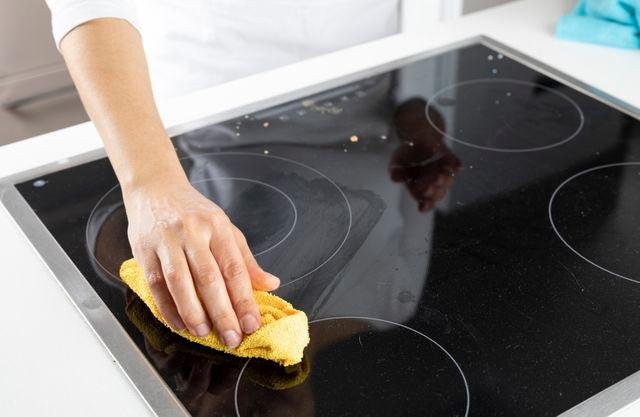
Is your induction cooktop looking dull or sticky after cooking? You want it to shine and work perfectly every time, right?
Cleaning your induction cooktop doesn’t have to be a chore or something you dread. With the right steps, you can make it spotless quickly and safely. You’ll discover simple, effective tips to keep your cooktop sparkling and in top shape.
Ready to make your cleaning routine easier and protect your investment? Let’s get started!
Materials Needed
Cleaning an induction cooktop needs the right materials. Using proper tools keeps the surface safe.
This guide lists items you need to clean your cooktop effectively without damage.
Cleaning Cloths
Soft cloths are gentle and avoid scratches on the glass surface.
- Microfiber cloths for wiping and drying
- Non-abrasive sponges for stuck stains
Cleaning Solutions
Choose cleaning liquids that remove grease without harming the cooktop.
- Mild dish soap mixed with warm water
- Special cooktop cleaner for tough spots
- White vinegar for natural cleaning
Tools For Scraping And Polishing
Some stains need scraping or polishing tools that are safe for glass surfaces.
| Tool | Purpose |
| Plastic scraper | Remove burnt food without scratching |
| Soft-bristle brush | Clean crevices and edges |
| Cooktop polish cloth | Restore shine after cleaning |
Preparing The Cooktop
Cleaning an induction cooktop starts with good preparation. This helps avoid damage and makes cleaning easier.
Follow these steps to get your cooktop ready before you clean it.
Turn Off And Unplug The Cooktop
Always turn off the cooktop after use. Unplug it if possible to avoid accidents.
Make sure the surface is cool before starting to clean. This prevents burns and protects the cooktop.
Remove Loose Debris And Spills
Use a soft cloth or paper towel to wipe away crumbs and spills. This stops dirt from spreading.
- Gently wipe the surface
- Do not scrub hard to avoid scratches
- Clean around burners and edges
Gather Cleaning Supplies
Prepare the right cleaning tools before you start. This saves time and effort.
- Soft microfiber cloths
- Mild dish soap
- Water
- Non-abrasive sponge
- Plastic scraper for stuck food
Check The Manufacturer’s Instructions
Read the cooktop manual for cleaning advice. Follow any special instructions to avoid damage.
Some cooktops need specific cleaners or tools. Use only recommended products for best results.
Daily Cleaning Routine
Keeping your induction cooktop clean every day helps it last longer. It also makes cooking safer and easier.
Daily cleaning prevents stains and food build-up. A simple routine takes only a few minutes.
Wiping After Each Use
After cooking, wait a few minutes until the cooktop cools. Then, wipe the surface with a soft cloth or sponge.
Use warm water and a mild dish soap. This removes light grease and food spots easily.
- Turn off and unplug the cooktop before cleaning
- Use a damp, soft cloth for wiping
- Dry the surface with a clean towel
- Avoid abrasive scrubbers that can scratch
Dealing With Spills
Spills can stick to the cooktop if left too long. Clean spills as soon as the surface is cool enough.
For sticky or burnt spills, use a special cooktop scraper or cleaner. Gently remove the residue without scratching.
- Wipe spills right after cooking cools
- Use a scraper designed for induction surfaces
- Apply cooktop cleaner for tough stains
- Rinse and dry after cleaning
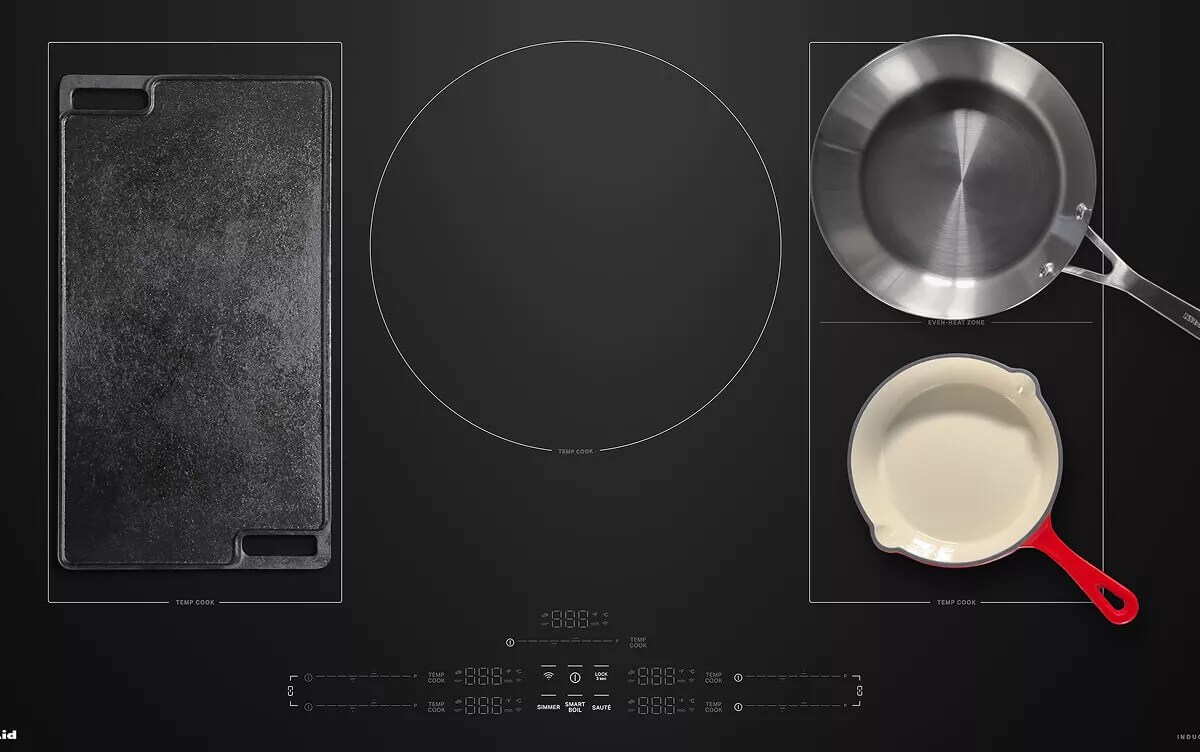
Credit: www.kitchenaid.com
Deep Cleaning Steps
Cleaning an induction cooktop deeply keeps it working well and looking great. Dirt and stains can build up and need strong cleaning methods.
This guide helps you remove tough stains and polish the surface safely.
Removing Stubborn Stains
Use the right tools and cleaners for tough stains. Avoid scratches by being gentle and careful.
- Let the cooktop cool before cleaning to avoid burns.
- Apply a small amount of baking soda on the stain.
- Spray white vinegar over the baking soda to make it fizz.
- Let it sit for 10 minutes to break down the stain.
- Use a soft cloth or sponge to wipe the area in circles.
- For very tough spots, gently scrape with a plastic scraper made for cooktops.
- Wipe the surface clean with a damp cloth to remove residue.
Polishing The Surface
Polishing helps keep the cooktop shiny and protects the glass surface from damage.
| Polishing Material | Purpose | How to Use |
| Cooktop Cleaner | Removes smudges and light stains | Apply a small amount and rub gently with a soft cloth |
| Microfiber Cloth | Buffs surface to shine | Use dry cloth to buff after cleaning |
| Glass Polish | Protects and adds shine | Apply sparingly and wipe off excess |
Cleaning The Edges And Crevices
Induction cooktops have narrow edges and small crevices. Dirt and food particles can get stuck there. Cleaning these areas keeps the cooktop looking new.
Careful cleaning prevents damage and helps the cooktop work well. Use gentle tools and safe cleaners for best results.
Use A Soft Brush For Loose Dirt
A soft brush reaches into edges and crevices easily. It removes crumbs and dust without scratching the surface.
Brush gently along the edges and corners. This clears the tight spots before wiping with a cloth.
Apply A Mild Cleaner Carefully
Use a mild cleaner safe for glass surfaces. Spray or apply it with a soft cloth near the edges and crevices.
Do not pour cleaner directly into crevices. This avoids liquid getting inside the cooktop parts.
Use Cotton Swabs For Tight Spaces
Cotton swabs are perfect for cleaning very narrow crevices. Dip them lightly in cleaner to remove stuck dirt.
- Dip swab in mild cleaner
- Gently clean the crevices and edges
- Use dry swab to remove extra moisture
Wipe With A Soft, Damp Cloth
After loosening dirt, wipe edges with a soft, damp cloth. This removes cleaner and dirt safely.
Make sure the cloth is not too wet to avoid water damage inside the cooktop.
Dry The Edges Thoroughly
Use a dry microfiber cloth to dry edges and crevices. This helps prevent water spots and damage.
Drying also stops dirt from sticking to wet surfaces. Keep the cooktop clean and safe to use.
Maintaining Shine And Finish
Keeping your induction cooktop clean helps keep its shine and finish. Regular care prevents scratches and stains.
Using the right cleaning methods keeps the cooktop looking new for years. Avoid harsh materials that can damage it.
Using Commercial Products
Many commercial cleaners are made for induction cooktops. They help remove tough stains and keep the surface shiny.
Choose products labeled safe for glass or ceramic surfaces. Follow the instructions for best results and avoid damage.
- Use a soft cloth or sponge with the cleaner
- Apply the product gently to avoid scratches
- Wipe off residue with a clean, damp cloth
- Dry the surface to keep it shiny
Natural Alternatives
Natural cleaners work well to maintain shine and are gentle on the cooktop. They use simple ingredients you can find at home.
Baking soda and vinegar can remove stains without harsh chemicals. Lemon juice adds shine and a fresh scent.
- Make a paste with baking soda and water for tough spots
- Spray vinegar to help break down grease
- Rub with a soft cloth in circles to polish
- Rinse with water and dry with a clean towel
Common Mistakes To Avoid
Cleaning an induction cooktop is easy if done right. Many people make mistakes that can damage the surface.
Knowing what to avoid helps keep your cooktop shiny and working well for a long time.
Using Abrasive Cleaners
Abrasion can scratch the smooth surface of your cooktop. Avoid cleaners with rough particles or powders.
Instead, use soft cloths and gentle cleaning solutions made for glass surfaces.
Cleaning While Cooktop Is Hot
Wiping the cooktop while it is still hot can cause burns and damage the surface.
Always wait until the cooktop cools down before cleaning it.
Using Sharp Tools To Scrape Off Spills
Sharp objects can scratch or crack the cooktop glass. Avoid using knives or metal scrapers.
Use a plastic scraper designed for induction cooktops instead.
Ignoring Spills And Stains
Leaving spills to dry makes them harder to remove and can cause permanent stains.
Clean spills as soon as possible to keep the cooktop clean and safe.
Using Too Much Water
Excess water can seep into the cooktop’s electrical parts and cause damage.
Use a damp cloth rather than soaking the cooktop with water.
Using Harsh Chemicals
Strong chemicals can dull the surface or remove its protective coating.
Choose mild, non-abrasive cleaners safe for glass cooktops.

Credit: www.aol.com
Safety Precautions
Cleaning your induction cooktop safely is important to avoid damage and injury. Always take care before and during the cleaning process.
Follow these safety tips to protect yourself and your appliance while keeping your cooktop spotless.
Turn Off And Unplug The Cooktop
Make sure the cooktop is completely turned off before you start cleaning. Unplug the appliance if possible to prevent electric shock.
Allow The Surface To Cool
Wait until the cooktop surface is cool. Cleaning a hot surface can cause burns and may damage the cooktop’s glass.
Use Appropriate Cleaning Tools
Use soft cloths or sponges that will not scratch the glass. Avoid abrasive pads or steel wool.
- Microfiber cloths
- Non-abrasive sponges
- Soft paper towels
- Plastic scraper designed for glass tops
Avoid Harsh Chemicals
Do not use bleach, ammonia, or other strong chemicals. These can damage the cooktop surface and affect its performance.
| Chemicals to Avoid | Reason |
|---|---|
| Bleach | Can discolor and damage glass |
| Ammonia | Harsh on cooktop surface |
| Abrasive Cleaners | Scratch and dull the glass |
| Oven Cleaners | Too strong for induction tops |
Keep Liquids Away From Controls
Be careful not to let water or cleaning liquids seep into the control panel or electrical parts. This could cause short circuits.

Credit: www.reddit.com
Frequently Asked Questions
How Do I Safely Clean An Induction Cooktop?
Use a soft cloth and mild cleaner to wipe the surface. Avoid abrasive materials that can scratch. Always clean after the cooktop cools down to prevent damage.
What Household Items Clean Induction Cooktops Effectively?
White vinegar, baking soda, and mild dish soap work well. These are gentle and remove stains without harming the cooktop’s surface.
Can I Use A Razor Blade To Clean Induction Cooktops?
Yes, only use a razor blade scraper carefully at a 45-degree angle. This removes burnt-on residue without scratching if done gently.
How Often Should I Clean My Induction Cooktop?
Clean after every use to maintain shine and prevent buildup. Deep clean weekly or as needed for stubborn stains.
Conclusion
Cleaning your induction cooktop regularly keeps it looking new and working well. Use soft cloths and gentle cleaners to avoid scratches. Wipe spills quickly to prevent stains and damage. Avoid harsh tools or chemicals that can harm the surface. A clean cooktop saves time and makes cooking more enjoyable.
Keep these simple steps in mind for daily care. Your kitchen will stay neat, and your cooktop will last longer. Easy habits make a big difference. Try it today and see the results.