
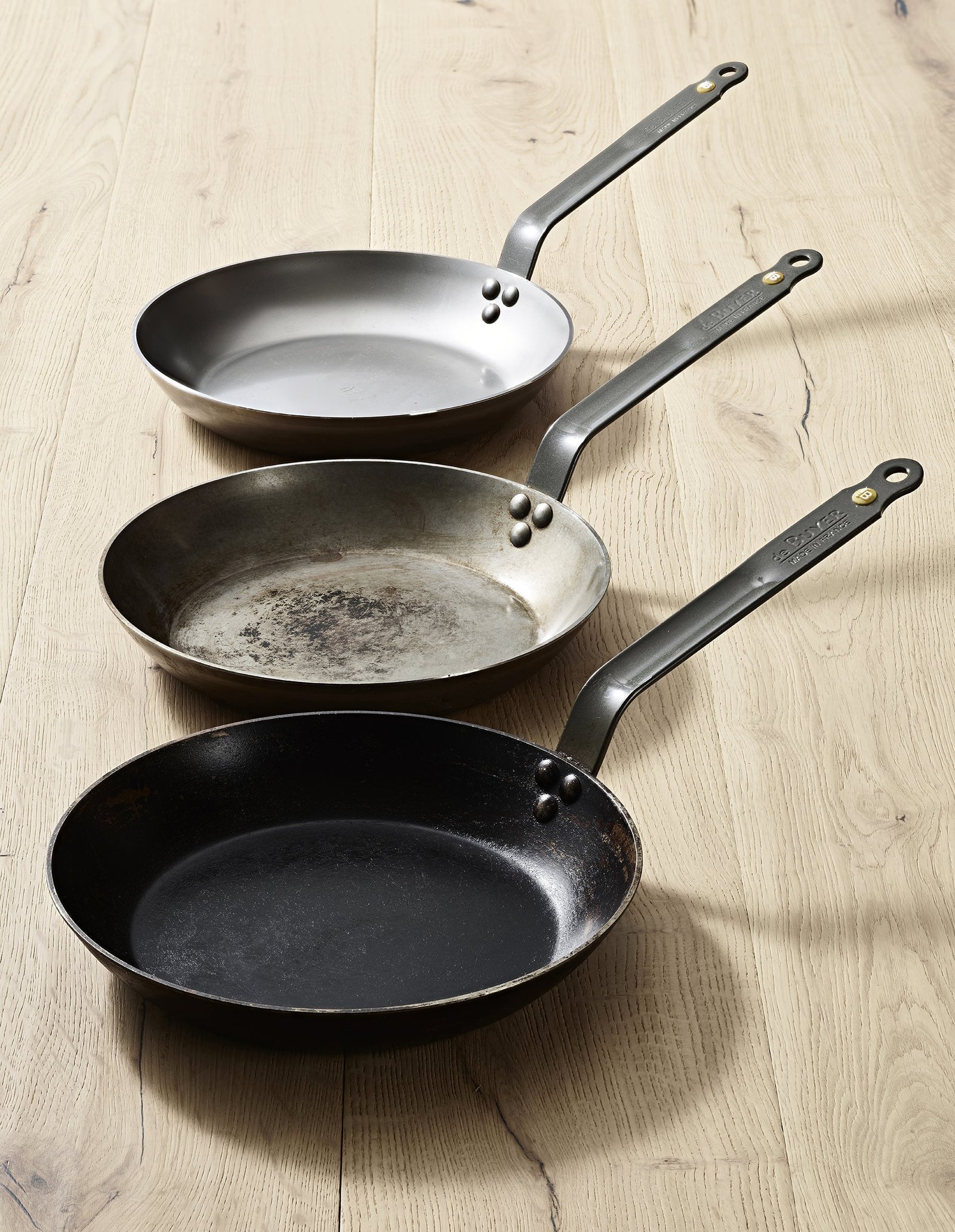
You’ve invested in a non-stick pan because you want easy cooking and quick cleanup. But did you know that seasoning your non-stick pan properly can make it last longer and perform better?
If you’re tired of food sticking or your pan losing its shine, this guide is for you. Keep reading to discover simple steps that will protect your pan and keep your meals tasting great every time. Your kitchen deserves this little secret.
Benefits Of Seasoning Non-stick Pans
Seasoning non-stick pans is a simple way to keep them working well. It adds a protective layer that helps the pan last longer.
Many people do not know that seasoning can improve cooking results. It also makes cleaning easier and protects the pan’s surface.
Extends The Lifespan Of The Pan
Seasoning builds a thin layer that protects the pan from scratches. This layer helps stop damage from metal utensils and rough cleaning.
A well-seasoned pan stays smooth and non-stick for many years. This means you do not need to buy new pans often.
Improves Non-stick Performance
Seasoning fills tiny pores on the pan’s surface. This makes the surface slicker and stops food from sticking.
With better non-stick power, you use less oil and cook food evenly. This helps make healthier meals.
Makes Cleaning Easier
Seasoning creates a smooth surface that food does not stick to. You can wipe the pan clean with less effort.
This saves time and water. It also reduces the need for harsh scrubbing that can damage the pan.
Protects The Pan’s Coating
Non-stick pans have a special coating that can wear off. Seasoning adds an extra barrier to protect this coating.
This protection helps keep the pan safe from heat damage and everyday use. It keeps the pan looking new.
Reduces Use Of Cooking Oils
Seasoned pans need less oil or butter to cook food. The smooth surface stops food from sticking easily.
Using less oil helps make meals lower in fat. It also saves money on cooking oils over time.

Credit: www.youtube.com
Choosing The Right Oil
Seasoning a non-stick pan helps protect its surface and improves cooking. The oil you pick plays a big role in this process.
Use oils that can handle heat well and form a good coating on the pan. Avoid oils that burn easily or leave sticky residues.
Best Oils For Seasoning
Choose oils with a high smoke point and a neutral flavor. These oils create a smooth, durable layer on your pan.
- Flaxseed oil – dries hard and forms a strong coating
- Canola oil – affordable and has a high smoke point
- Grapeseed oil – light taste and good heat tolerance
- Vegetable oil – easy to find and works well
- Sunflower oil – stable at high temperatures
Oils To Avoid
Some oils can damage your pan or leave sticky spots. Avoid oils with low smoke points or strong flavors.
| Oil | Reason to Avoid |
|---|---|
| Olive oil | Low smoke point, can turn sticky |
| Butter | Burns quickly and leaves residue |
| Coconut oil | Strong flavor and low smoke point |
| Sesame oil | Can leave a smell and sticky layer |
Step-by-step Seasoning Process
Seasoning a non-stick pan helps protect its surface and improve cooking. It creates a thin layer that prevents food from sticking.
The process is simple and takes only a few steps. Follow them carefully to keep your pan in good shape.
Preparing Your Pan
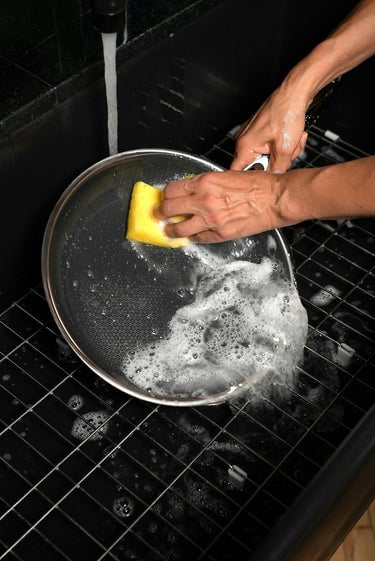
Start with a clean pan to ensure the oil sticks well. Wash it with warm water and mild soap.
Dry the pan completely with a soft cloth or paper towel to avoid water mixing with the oil.
Applying The Oil
Choose a high smoke point oil like vegetable, canola, or flaxseed oil. Pour a small amount into the pan.
Use a paper towel to spread the oil evenly over the entire surface, including the sides. Avoid thick layers.
Heating Techniques
Place the oiled pan on the stove over medium heat. Heat it for about 5 minutes until it starts to smoke lightly.
This heat helps the oil bond with the pan’s surface, creating the seasoning layer. Do not overheat to prevent damage.
Cooling And Storage
Turn off the heat and let the pan cool naturally on the stove. Avoid rinsing or wiping the oil immediately.
Store your pan in a dry place. Keep it away from moisture to maintain the seasoning and prevent rust.
Credit: hexclad.com
Common Mistakes To Avoid
Seasoning non-stick pans helps keep them working well and lasting long. Many people make errors that harm the pan’s surface. Avoiding these mistakes will keep your pans in good shape.
This guide explains common mistakes to avoid when seasoning your non-stick pans. Follow these tips for better results.
Using High Heat
Non-stick pans are not made for very high heat. High heat can damage the coating and cause it to peel or warp.
- Do not heat an empty pan on high heat for too long.
- Use low to medium heat for seasoning and cooking.
- High heat can release harmful fumes from damaged coatings.
- Always follow the manufacturer’s heat guidelines.
Using Abrasive Cleaners
Abrasive cleaners and scrubbers can scratch the non-stick surface. This damage reduces the pan’s effectiveness and life span.
| Do | Don’t |
|---|---|
| Use soft sponges or cloths | Use steel wool or rough scrubbers |
| Clean with mild dish soap | Use harsh chemical cleaners |
| Rinse and dry gently | Scrub hard to remove stuck food |
Neglecting Regular Maintenance
Regular care keeps the non-stick coating working well. Skipping maintenance can cause buildup or damage that is hard to fix.
Tips for maintaining your pan:
- Season your pan after cleaning to restore the coating.
- Wipe with a thin layer of cooking oil after each use.
- Store pans carefully to avoid scratching.
- Check for damage regularly and replace if needed.
Maintenance Tips For Longevity
Non-stick pans need care to last a long time. Proper maintenance keeps the surface smooth and effective.
Seasoning your pan correctly helps prevent damage. Follow these tips to keep your pans in good shape.
Regular Cleaning Routine
Clean your non-stick pan gently after each use. Avoid harsh scrubbing that can harm the surface.
- Use warm, soapy water and a soft sponge.
- Never use steel wool or abrasive cleaners.
- Dry the pan thoroughly to stop rust or damage.
- Remove stuck food by soaking the pan in water.
Proper Storage Practices
Store your pans carefully to avoid scratches and dents. Keep them in a dry place away from heavy objects.
- Place a soft cloth between stacked pans.
- Hang pans by their handles if possible.
- Keep pans in a cabinet with good air flow.
Re-seasoning Frequency
Re-season your non-stick pans regularly to maintain their coating. The frequency depends on use and pan type.
| Use Level | Re-seasoning Frequency |
| Light use (once a week) | Every 3 months |
| Moderate use (several times a week) | Every 1 to 2 months |
| Heavy use (daily) | Every 2 to 4 weeks |
Troubleshooting Common Issues
Seasoning non-stick pans helps keep their surface smooth and effective. Sometimes problems happen during or after seasoning. Knowing how to fix these issues can save your pan.
This guide covers common problems like sticky residue and flaking. Follow simple tips to handle these troubles and keep your pans working well.
Sticky Residue Solutions
Sticky residue often appears if too much oil is used or the pan is heated too long. This can make the surface feel tacky and catch food.
- Use a thin layer of oil to avoid buildup.
- Heat the pan on medium heat, not high.
- Let the pan cool before wiping off excess oil.
- If sticky residue remains, wash the pan gently with warm soapy water.
- Repeat the seasoning with a light oil coat.
Flaking Or Peeling Concerns
Flaking or peeling happens when the seasoning layer is weak or damaged. This can make your non-stick pan less safe to use.
| Cause | How to Fix |
| Overheating the pan | Use medium heat and avoid empty heating |
| Using the wrong oil | Choose oils with high smoke points like grapeseed or canola |
| Cleaning with harsh scrubbers | Use soft sponges and mild soap |
| Seasoning layer too thick | Remove old seasoning by gentle scrubbing, then re-season lightly |
Credit: misen.com
Frequently Asked Questions
How Often Should I Season A Non-stick Pan?
Season your non-stick pan every 1 to 3 months. Frequent seasoning maintains its non-stick surface and extends the pan’s life. If you notice food starting to stick, it’s a good sign to re-season the pan promptly.
Can I Use Olive Oil To Season Non-stick Pans?
Yes, olive oil can be used to season non-stick pans. Use a small amount, spread it evenly, and heat gently. Avoid oils with low smoke points, as they can degrade the pan’s coating.
What Is The Best Method To Season Non-stick Pans?
The best method is to clean the pan, apply a thin oil layer, and heat it on low for 10 minutes. Let it cool naturally before wiping off excess oil. This process reinforces the non-stick coating effectively.
Does Seasoning Improve Non-stick Pan Durability?
Yes, seasoning improves durability by filling microscopic pores on the pan’s surface. This reduces wear and tear, preventing food from sticking. Regular seasoning helps maintain the pan’s smooth, protective layer longer.
Conclusion
Seasoning non-stick pans helps keep them working well longer. Heat the pan, add oil, and wipe it evenly. Repeat this process to build a good coating. Clean the pan gently after each use. Avoid harsh scrubbing or metal utensils. This care stops food from sticking and protects your pan.
Keep these steps simple and regular. Enjoy cooking with your pan every day. A well-seasoned pan makes meals easier and tastier. Try it today for better kitchen results.