
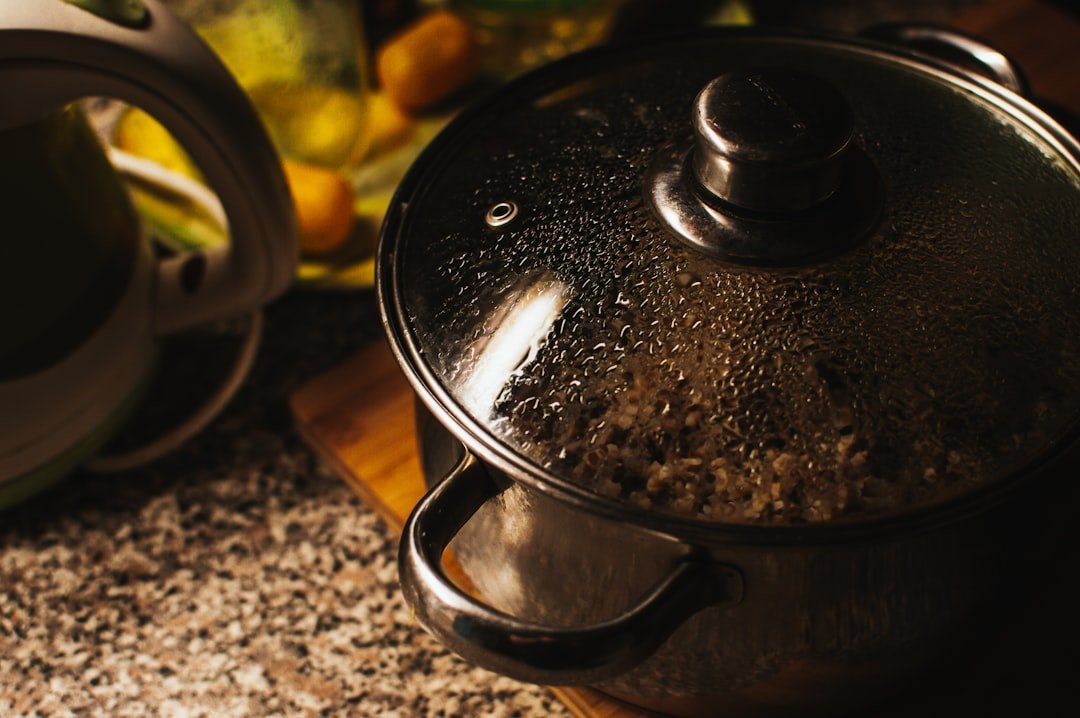
Are you tired of lentils that turn out hard or gritty every time you cook them? Getting lentils soft and tender in your pot might seem tricky, but with the right steps, you can master it easily.
Imagine enjoying perfectly cooked lentils that melt in your mouth and add rich flavor to your meals. In this guide, you’ll discover simple techniques to make your lentils soft every single time. Keep reading, and you’ll never struggle with tough lentils again!
Choosing The Right Lentils
Cooking lentils soft starts with picking the right kind. Different lentils cook differently and give various textures.
Knowing the types of lentils helps you choose those that become soft and tender in a pot.
Types Of Lentils
Lentils come in many colors and sizes. The most common types are brown, green, red, yellow, and black lentils.
Each type has a different cooking time and texture. Brown and green lentils hold shape well but take longer to soften.
- Brown lentils: mild flavor, firm texture
- Green lentils: peppery taste, hold shape
- Red lentils: cook quickly, soft texture
- Yellow lentils: similar to red, mild taste
- Black lentils (beluga): small, firm, shiny
Best Lentils For Soft Texture
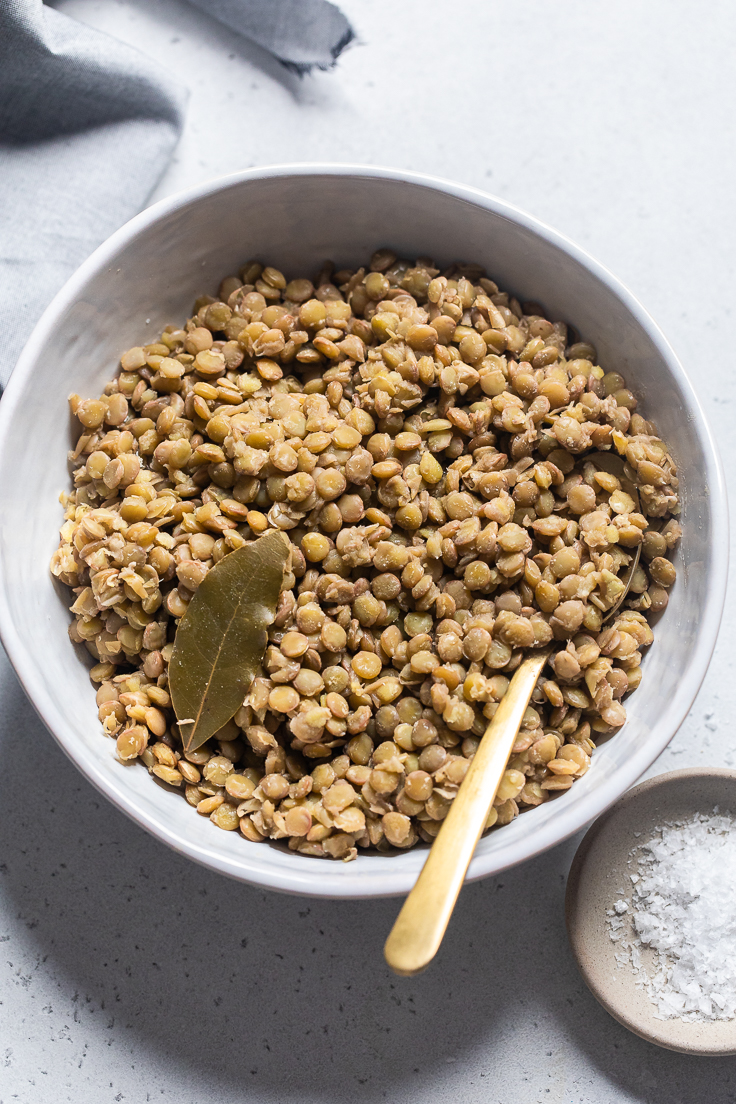
Red and yellow lentils cook fastest and become soft in a pot. They break down easily and create creamy dishes.
These lentils are perfect for soups, stews, and purees where a soft texture is needed.
- Red lentils: cook in 15-20 minutes, turn mushy
- Yellow lentils: similar to red, soft and smooth
- Split lentils: also soft, good for dal recipes
Credit: makeitdairyfree.com
Prepping Lentils
Cooking lentils soft starts with good preparation. Clean and prepare lentils well for best results.
Proper prepping helps lentils cook evenly and taste better. It also removes dirt and debris.
Rinsing Lentils
Rinsing lentils removes dust and small stones. It also cleans any residue from packaging.
Use cold water and rinse lentils several times until water runs clear. This keeps lentils clean.
- Place lentils in a fine mesh strainer.
- Hold under cold running water.
- Stir lentils gently with your hand.
- Repeat until water is clear.
- Drain well before cooking.
Soaking Techniques
Soaking lentils is optional but helps them cook faster. It also makes lentils softer.
Soak lentils in water for 1 to 2 hours. Use enough water to cover lentils by two inches.
- Place lentils in a bowl.
- Add cold water to cover lentils.
- Let them soak for 1 to 2 hours.
- Drain and rinse before cooking.
- Do not soak for too long to avoid mushy lentils.
Cooking Techniques
Cooking lentils soft requires some simple but careful methods. You need to control water and heat well.
This guide explains how to use the right water amount and the best heat setting to get soft lentils.
Optimal Water Ratio
The amount of water you use affects how soft your lentils become. Too little water makes them hard. Too much water can make them mushy.
- Use about 3 cups of water for every 1 cup of lentils.
- If you want firmer lentils, use less water.
- For softer lentils, add a little more water.
- Check water levels during cooking and add more if needed.
Simmering Vs Boiling
How you cook lentils matters. Simmering cooks lentils slowly and keeps them soft. Boiling is faster but can make lentils split or tough.
| Method | Temperature | Effect on Lentils |
| Simmering | Below boiling point (around 85-95°C) | Even cooking, soft texture |
| Boiling | 100°C | Faster cooking, may split or harden |
Flavor Enhancements
Cooking lentils soft is easy, but adding flavor makes them taste better. Simple changes can bring out rich, warm flavors in your pot.
Using herbs, spices, and tasty liquids helps create a delicious dish. These tips will improve your lentils without much effort.
Adding Aromatics
Add onions, garlic, or ginger to the pot before cooking lentils. These aromatics give a deep and fresh flavor to the dish.
Cook aromatics in a little oil or butter until soft. Then add lentils and liquid to build a tasty base.
- Chopped onions add sweetness and depth
- Garlic adds a strong, savory taste
- Ginger gives a warm, spicy note
- Bay leaves or thyme add herbal flavors
Using Broth Instead Of Water
Replace water with vegetable, chicken, or beef broth to cook lentils. Broth adds rich, natural flavors that water cannot provide.
Using broth makes lentils taste fuller and more satisfying. Choose low-sodium broth to control salt levels and keep it healthy.
Avoiding Common Mistakes
Cooking lentils soft requires attention to simple details. Many cooks make common errors that affect texture and flavor.
This guide helps you avoid those mistakes for perfect lentils every time.
Overcooking Pitfalls
Overcooking lentils makes them mushy and breaks them apart. It also wastes time and energy.
- Check lentils often after 15 minutes of cooking.
- Use a timer to avoid guessing cooking time.
- Cook lentils just until tender but still holding shape.
- Drain immediately once done to stop cooking.
Underseasoning Issues
Lentils need enough seasoning to taste good. Too little salt makes them bland and dull.
| Seasoning Tip | Why It Matters |
| Salt lentils during cooking | Helps flavors absorb well |
| Add spices early | Releases full aroma and taste |
| Taste and adjust at the end | Ensures balanced seasoning |
Testing For Doneness
Cooking lentils to the right softness is key for the best texture and taste. Knowing when lentils are done takes practice but is simple with the right checks.
Two main ways to test lentils for doneness are by checking their texture and tasting them. Each method helps ensure the lentils are cooked just right.
Texture Checks
Look closely at the lentils’ feel and appearance to judge softness. Lentils should be tender but still hold their shape.
- Press a lentil between your fingers to test softness.
- Check if the skin is easy to break without being mushy.
- Observe if the lentils have swollen and look plump.
- Stir the pot to see if the lentils separate easily without sticking.
Taste Testing
Tasting lentils is the most reliable way to confirm doneness. The texture and flavor will tell if they need more cooking.
| Flavor | Texture | Action |
| Earthy and mild | Firm or crunchy | Cook longer |
| Soft with slight bite | Tender but intact | Ready to eat |
| Mushy or broken down | Very soft or falling apart | Overcooked, reduce cooking time next time |
Storing And Reheating
Cooking lentils soft is easy, but storing and reheating them properly keeps their texture. Good storage stops lentils from spoiling or drying out.
Reheating lentils the right way helps keep their softness and flavor. Use careful methods to avoid making them tough or mushy.
Proper Storage Methods
Store cooked lentils in the fridge to keep them fresh. Use clean, airtight containers to stop air and moisture from spoiling them.
- Cool lentils to room temperature before storing.
- Place lentils in airtight containers or resealable bags.
- Label containers with the date for easy tracking.
- Keep lentils in the fridge for up to 5 days.
- For longer storage, freeze lentils in portions.
Reheating Tips For Softness
Reheat lentils gently to keep them soft. Avoid high heat that can dry or harden them.
| Method | Instructions | Notes |
| Stovetop | Warm lentils in a pan over low heat with a splash of water. | Stir often to prevent sticking. |
| Microwave | Cover lentils with a damp paper towel and heat in short bursts. | Stir between bursts for even heat. |
| Oven | Place lentils in a covered dish, heat at 300°F (150°C) for 10 minutes. | Add a little water to keep moisture. |

Credit: www.acouplecooks.com

Credit: www.bytheforkful.com
Frequently Asked Questions
How Long Should I Cook Lentils To Make Them Soft?
Cook lentils for 20 to 30 minutes in boiling water. Check softness by tasting; they should be tender but not mushy. Cooking times vary by lentil type, so adjust accordingly for the best texture.
Should I Soak Lentils Before Cooking For Softness?
Soaking lentils is optional but helps reduce cooking time. Soaked lentils soften faster and cook evenly. If pressed for time, soak for 1-2 hours before cooking.
What Water-to-lentil Ratio Ensures Soft Lentils?
Use 3 cups of water for every 1 cup of lentils. This ratio prevents dryness and ensures lentils absorb enough water to become soft and tender.
Can I Add Salt Before Cooking Lentils?
Avoid adding salt before cooking as it can toughen lentils. Add salt after lentils are soft to enhance flavor without affecting texture.
Conclusion
Cooking lentils soft in a pot is simple with the right steps. Soaking lentils before cooking helps them cook faster and get tender. Using enough water and keeping a gentle boil makes a big difference. Stirring occasionally stops lentils from sticking to the pot.
Taste often to check softness and avoid overcooking. Soft lentils add great texture to soups, salads, and stews. With practice, you will cook perfect lentils every time. Enjoy healthy and delicious meals made with soft lentils. Cooking lentils can be easy and rewarding.