
Are you tired of mushy pasta that ruins your favorite sauce? Cooking pasta al dente—the perfect firm bite—can transform your meal from ordinary to unforgettable.
But how do you get that ideal texture while making sure your sauce clings just right? You’ll discover simple, practical tips to cook pasta al dente with sauce every time. By the end, you’ll impress yourself and your guests with perfectly cooked pasta that tastes like it came from a top Italian kitchen.
Keep reading, and let’s make your next pasta dish a true delight.

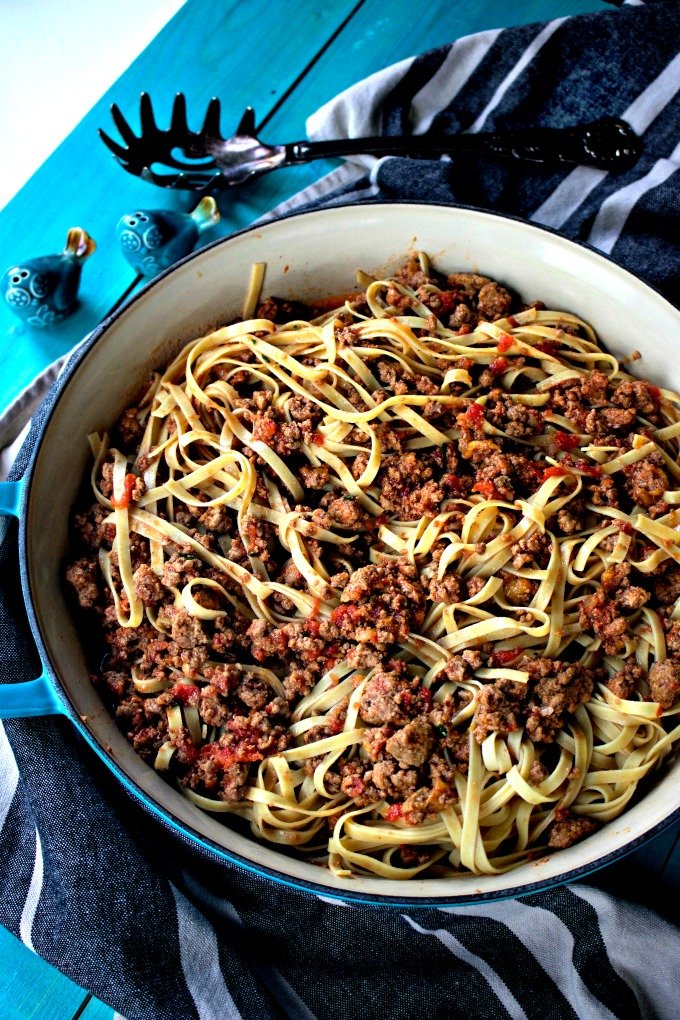
Credit: spinachtiger.com
Choosing The Right Pasta
Cooking pasta al dente means it should be firm to the bite. Picking the right pasta helps you get the best texture and taste.
Different pasta shapes work better with certain sauces. Choosing the right type makes your dish more enjoyable.
Consider Pasta Shape And Sauce Type
Thin pastas like spaghetti work well with light sauces. Thick sauces need pasta that holds sauce well.
Shapes with grooves or holes catch sauce better. This improves the flavor in every bite.
- Spaghetti: Good for oil-based or tomato sauces
- Penne: Holds chunky or creamy sauces
- Fusilli: Twists trap thick sauces well
- Farfalle: Works with smooth or vegetable sauces
Choose Pasta Size For Even Cooking
Smaller pasta cooks faster and more evenly. Large pasta may need more cooking time to stay al dente.
Pick pasta size that matches your sauce and cooking time. This helps you avoid mushy or undercooked pasta.
Use Quality Ingredients For Best Taste
Good pasta made from durum wheat cooks firm and holds sauce well. Avoid low-quality pasta that can be soft or sticky.
Fresh or dried pasta both work. Fresh pasta cooks faster but may be softer. Dried pasta gives a firmer texture.
Match Pasta To Meal Type
For light meals, use delicate pasta shapes with thin sauces. For heavy meals, use robust pasta with rich sauces.
Consider pasta that fits your recipe style and guest preferences. This improves the overall dining experience.
Essential Tools And Ingredients
Cooking pasta al dente with sauce requires the right tools and ingredients. These help you get the perfect texture and flavor every time.
This guide covers the main tools and how to pick the best ingredients for your pasta dish.
Pasta Pot And Strainer
Use a large pot to boil pasta so it cooks evenly. A pot with a lid helps water boil faster. A good strainer drains water quickly without losing any pasta.
- Choose a pot with tall sides to avoid spills.
- Use a strainer with fine holes for smaller pasta shapes.
- Metal pots heat evenly and are easy to clean.
- Plastic strainers are lightweight and dishwasher safe.
Measuring Ingredients
Measuring ingredients correctly ensures your pasta tastes just right. Use simple tools to measure both pasta and sauce components.
| Ingredient | Measurement Tool | Typical Amount |
| Dried Pasta | Measuring cup or kitchen scale | 2 ounces per person |
| Salt for boiling water | Measuring spoon | 1 tablespoon per 4 quarts of water |
| Sauce | Measuring cup | 1/2 cup per serving |
Selecting Quality Sauces
Choose sauces with fresh ingredients and balanced flavors. Quality sauces enhance your pasta without overpowering it.
- Look for sauces with simple ingredient lists.
- Pick sauces with no added sugars or artificial flavors.
- Consider homemade sauces for freshness.
- Check the sauce consistency; it should coat pasta well.
Cooking Pasta Al Dente
Cooking pasta al dente means making it firm to the bite. It is a popular way to enjoy pasta with sauce.
This guide explains how to cook pasta al dente by focusing on boiling water, timing, and testing doneness.
Boiling Water Correctly
Start with a large pot and plenty of water. This helps the pasta cook evenly.
Bring the water to a rolling boil before adding pasta. Add salt to enhance the flavor.
- Use about 4-6 quarts of water per pound of pasta
- Add 1-2 tablespoons of salt to the boiling water
- Wait for a strong boil before adding pasta
Timing For Al Dente Texture
Check the pasta package for the recommended cooking time. Al dente usually means cooking for less time.
Start tasting the pasta a minute or two before the time ends. This helps you avoid overcooking.
- Cook pasta 1-2 minutes less than the package suggests
- Stir pasta occasionally to prevent sticking
- Do not cover the pot while cooking
Testing Doneness
Take a piece of pasta and bite into it. It should be firm but not hard in the center.
If the pasta is soft or mushy, it needs more cooking. If it is too hard, cook a little longer.
- Look for a slight resistance when biting the pasta
- The center should not be crunchy or raw
- Drain pasta immediately when al dente
Perfecting The Sauce
Cooking pasta al dente is just the start. The sauce makes the dish complete. A well-made sauce brings out the pasta’s best flavors.
This guide helps you create a sauce that matches perfectly with your pasta. Focus on balance, sauce choice, and fresh ingredients for great taste.
Balancing Flavors
Good sauce needs the right mix of flavors. You want salty, sweet, sour, and bitter in the right amounts. This keeps the sauce interesting and tasty.
- Add salt little by little and taste as you go.
- Use a pinch of sugar to soften acidic tomato sauces.
- Include a splash of vinegar or lemon juice for brightness.
- Try a small amount of bitter greens or herbs to add depth.
Choosing The Right Sauce For Your Pasta
Not all sauces fit every pasta shape. Some sauces cling well, others slide off. Pick a sauce that matches your pasta’s texture.
| Pasta Type | Best Sauce |
| Spaghetti | Light tomato or oil-based sauce |
| Fettuccine | Creamy Alfredo or cheese sauce |
| Penne | Chunky vegetable or meat sauce |
| Fusilli | Thick pesto or chunky sauces |
Incorporating Fresh Ingredients
Fresh ingredients add bright flavor and color. Use fresh herbs, ripe tomatoes, and good olive oil. This lifts your sauce above canned or dried ingredients.
Try these fresh ingredients for your sauce:
- Chopped fresh basil or parsley
- Fresh garlic cloves, minced
- Ripe cherry tomatoes, halved
- Extra virgin olive oil
- Freshly grated Parmesan cheese
Combining Pasta And Sauce
Cooking pasta al dente means it is firm to the bite. Mixing it with sauce needs care to keep that texture. The sauce should coat the pasta evenly without making it soggy.
Good combining makes the dish tasty and well-balanced. Let’s look at ways to toss pasta with sauce, keep sauce right, and finish with toppings.
Tossing Techniques
Tossing pasta with sauce helps spread flavors well. You want to mix but not break the pasta. Use a large pan or bowl to toss gently.
- Use tongs or pasta forks to lift and turn the pasta.
- Pour a little pasta water into the sauce to loosen it.
- Mix in small batches if needed to avoid clumping.
- Toss quickly but carefully to keep pasta firm.
Maintaining Sauce Consistency
Sauce consistency is key to coating pasta well. Too thick sauce will clump; too thin will slide off. Adjust sauce thickness as you combine.
| Action | Effect on Sauce |
| Add reserved pasta water | Thins sauce for better coating |
| Simmer sauce before mixing | Thickens sauce for richer texture |
| Stir gently while heating | Prevents sauce from separating |
Finishing With Cheese And Herbs
Cheese and herbs add flavor and color to pasta. Add these last to keep fresh taste and appearance. Use cheese that melts well for creamy texture.
- Parmesan or Pecorino Romano
- Basil leaves or chopped parsley
- Grated mozzarella for creaminess
- Cracked black pepper for spice

Credit: www.delish.com
Common Mistakes To Avoid
Cooking pasta al dente with sauce requires attention to detail. Many people make simple mistakes that affect the taste and texture.
Knowing what to avoid helps you get perfect pasta every time. Below are common errors and how to fix them.
Overcooking Pasta
Overcooking pasta makes it soft and mushy. This ruins the al dente texture that should be firm to the bite.
To avoid this, always check the pasta a minute or two before the package time ends. Drain immediately once it feels right.
Using Too Much Sauce
Using too much sauce can overwhelm the pasta’s flavor. It can also make the dish soggy and heavy.
- Measure the sauce to match the amount of pasta
- Use a spoon to mix pasta and sauce evenly
- Keep some sauce aside to add later if needed
- Choose a sauce that complements, not covers, the pasta
Neglecting Seasoning
Neglecting seasoning makes pasta taste bland. Salt and other spices bring out the best flavors.
| Seasoning | When to Add | Effect |
| Salt | In boiling water | Enhances pasta flavor |
| Black pepper | With sauce | Adds mild heat |
| Fresh herbs | Before serving | Boosts aroma and taste |
Pro Tips For Perfect Pasta
Cooking pasta al dente means making it firm to the bite. This texture makes pasta taste better and hold sauce well.
Adding sauce to pasta is easy, but some tips help you do it just right. These tips improve flavor and texture.
Saving Pasta Water
Save some pasta water before draining. This water has starch that helps sauce stick to pasta.
Add a small amount of pasta water to your sauce. It makes the sauce smooth and helps it coat the pasta evenly.
- Use a heatproof cup to scoop water.
- Save about half a cup of water.
- Add water gradually to avoid thinning sauce too much.
Serving At The Right Temperature
Serve pasta and sauce hot but not boiling. Very hot sauce can break down pasta texture.
Warm plates help keep pasta hot longer. Cold plates cool pasta and sauce too fast.
- Heat plates in warm water or oven.
- Combine pasta and sauce just before serving.
- Avoid reheating pasta many times.
Enhancing With Olive Oil
Add a drizzle of good olive oil to pasta after cooking. It adds flavor and prevents sticking.
Olive oil also gives pasta a nice shine and smooth texture. Use it lightly to keep pasta fresh.
- Use extra virgin olive oil for best taste.
- Add oil after draining pasta, before sauce.
- Mix gently to spread oil evenly.
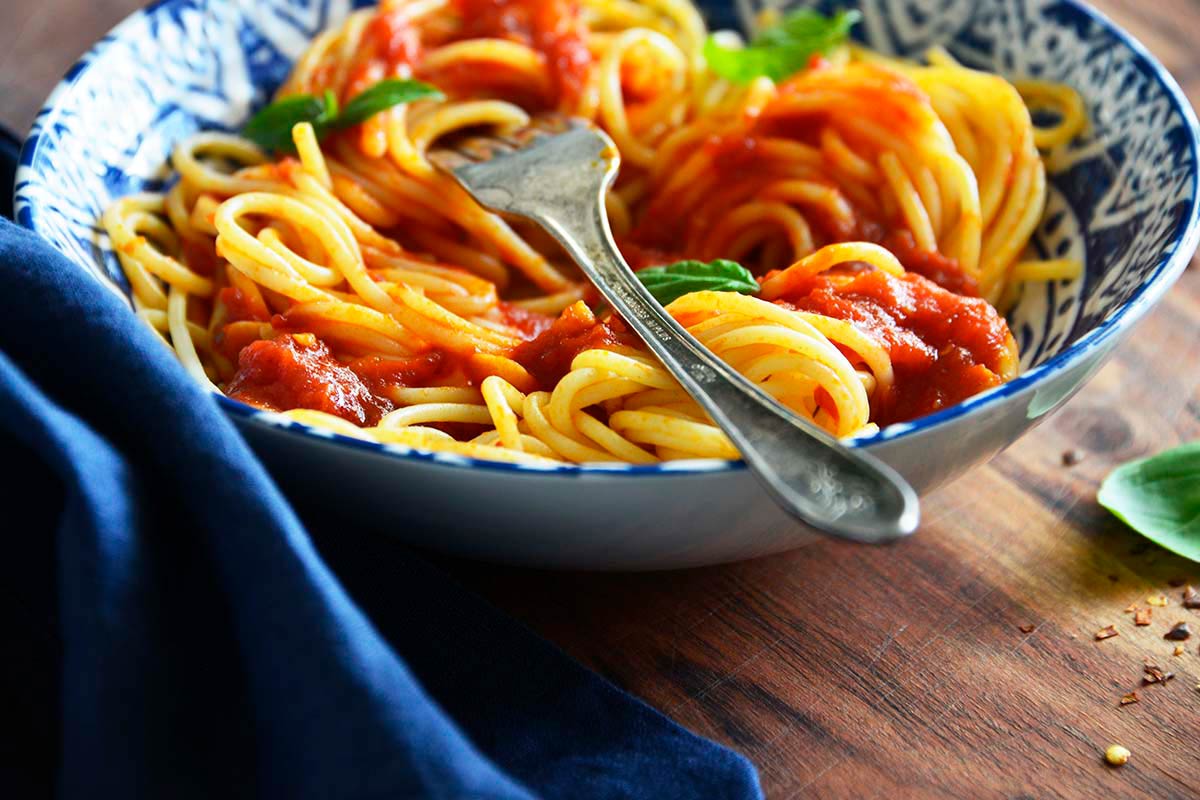
Credit: www.anediblemosaic.com
Frequently Asked Questions
How Long To Cook Pasta Al Dente?
Cook pasta for 1-2 minutes less than package instructions. Test by biting; it should be firm but not hard. Timing varies by pasta type and thickness.
Can I Cook Pasta Directly In Sauce?
Yes, cooking pasta in sauce adds flavor and helps it absorb the sauce better. Add water if needed to avoid dryness.
How To Know When Pasta Is Perfectly Al Dente?
Taste a piece; it should be tender yet firm to bite. Avoid mushy or overly soft textures for true al dente.
Should I Rinse Pasta After Cooking Al Dente?
No, do not rinse. Rinsing removes starch that helps sauce stick. Simply drain and mix immediately with sauce.
Conclusion
Cooking pasta al dente with sauce is simple and fun. Start by boiling pasta until it feels firm but not hard. Add sauce while pasta finishes cooking to blend flavors well. Taste often to avoid overcooking. Use fresh ingredients to make the dish tasty.
Serve hot and enjoy every bite. Practice a few times, and your cooking will improve. Great pasta doesn’t need to be complicated or fancy. Just follow these easy steps for a delicious meal.