
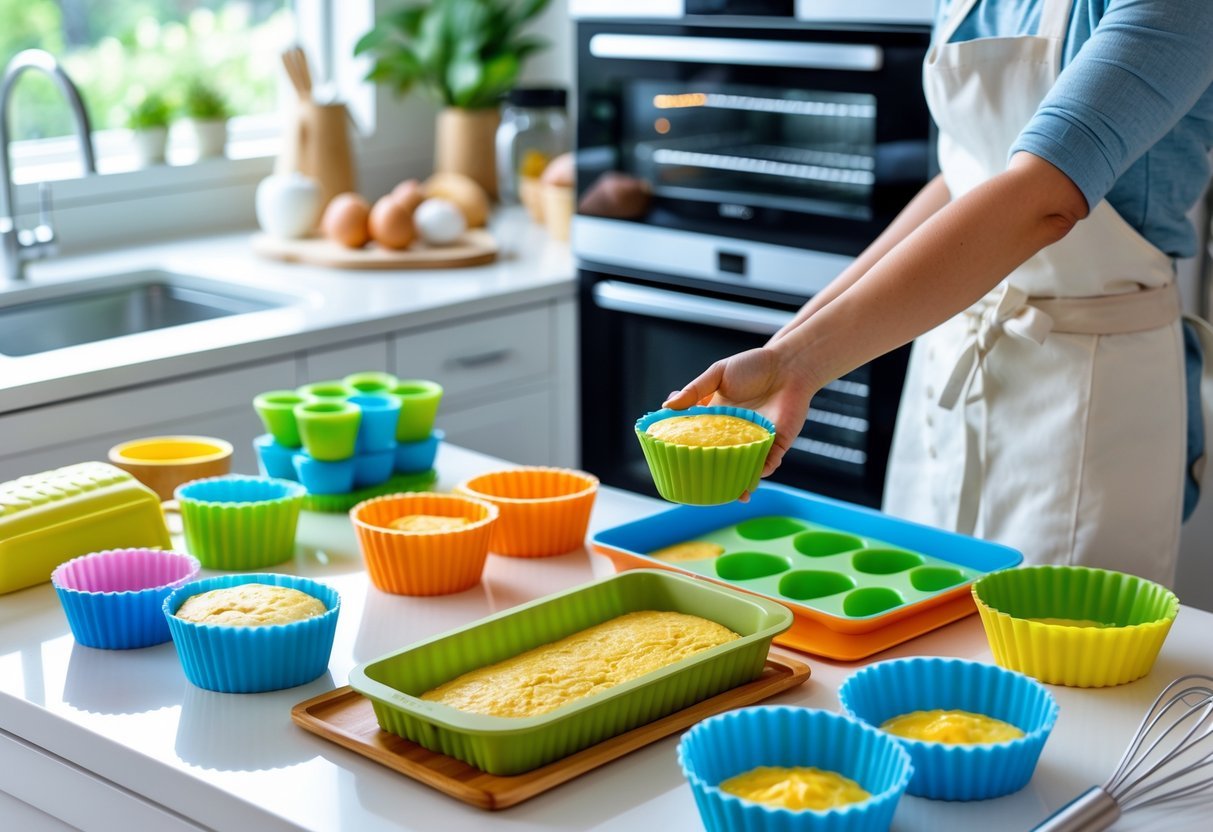
If you love baking, you probably rely on your silicone bakeware every time you create something delicious. But are you sure you’re taking care of it the right way?
Proper maintenance can keep your silicone pans flexible, non-stick, and looking like new for years. You’ll discover simple and effective tips to clean, store, and handle your silicone bakeware so it lasts longer and performs better. Keep reading to protect your investment and enjoy perfect baking results every time!
Credit: kitchenpluse.com
Cleaning Essentials
Silicone bakeware lasts longer with proper cleaning. Keeping it clean helps avoid smells and stains.
Use simple cleaning steps to protect your silicone pieces. Good care keeps them safe for baking.
Avoid Harsh Chemicals
Harsh chemicals can damage silicone bakeware. They may cause cracks or make the surface sticky.
Use mild cleaners instead. Avoid bleach, ammonia, or abrasive powders to keep silicone safe.
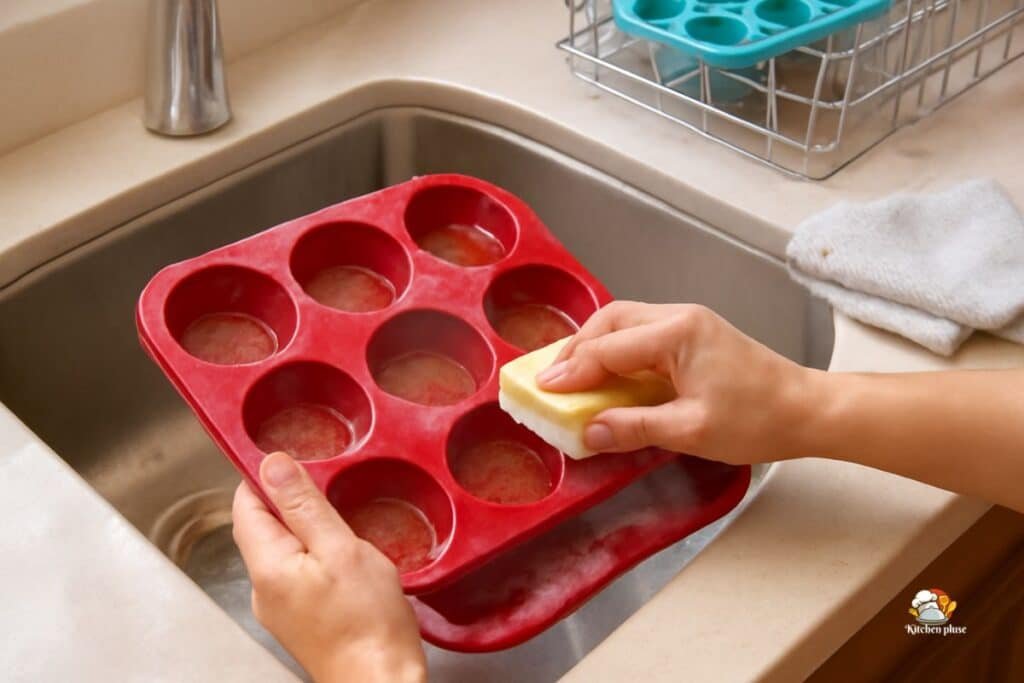
Use Warm Soapy Water
Wash silicone bakeware with warm, soapy water after each use. It helps remove grease and food bits.
Use a soft sponge or cloth to clean. Avoid rough scrubbers that can scratch the silicone.
Dishwasher Safety Tips
Most silicone bakeware is dishwasher safe. Place items on the top rack to avoid heat damage.
Check the manufacturer’s instructions to be sure. Remove any stuck food before washing in the dishwasher.
Storage Guidelines
Proper storage helps keep silicone bakeware in good shape. It stops damage and keeps them clean. Follow these tips to store your bakeware safely.
These guidelines cover sunlight, shape, and stacking. Each tip protects your silicone from wear and tear.
Avoid Direct Sunlight
Keep silicone bakeware away from sunlight. Sunlight can cause colors to fade and material to weaken over time. Store bakeware in a cool, dark place.
Prevent Bending Or Warping
Silicone is flexible but can lose its shape if bent too much. Avoid folding or twisting your bakeware. Store it flat or in its natural shape to keep it strong.
- Do not press heavy objects on silicone
- Lay bakeware flat on shelves or drawers
- Use hooks for hanging if possible
Stacking Tips
| Stacking Method | Benefit | Note |
| Place larger pans at bottom | Prevents crushing smaller items | Keep space between layers |
| Use a soft cloth between items | Stops scratches and sticking | Use clean, dry cloth |
| Avoid over-stacking | Maintains shape and strength | Limit to 3-4 pieces |
Usage Tips
Proper care helps your silicone bakeware last longer. Use it carefully to keep its shape and non-stick surface.
Follow simple rules about heat, sprays, and handling to avoid damage and improve baking results.
Preheating Considerations
Do not place silicone bakeware in an empty oven. Always add batter or dough first.
Preheat the oven with the silicone bakeware inside only if the manufacturer allows it. Check temperature limits carefully.
Cooking Spray Recommendations
Use cooking spray lightly to keep silicone bakeware clean. Too much spray can build up residue.
- Choose sprays without additives that can cause stickiness.
- Apply spray evenly before adding batter.
- Clean bakeware well after each use to remove spray residues.
Handling Hot Silicone
| Tip | Reason |
|---|---|
| Use oven mitts | Silicone gets very hot and can burn skin |
| Place on a flat, heat-safe surface | Prevents warping and spills |
| Allow to cool before cleaning | Maintains shape and prevents damage |

Credit: kitchcrafteds.com
Avoiding Common Mistakes
Silicone bakeware is useful and easy to clean. To keep it in good shape, avoid some common errors. This guide helps you care for your silicone bakeware the right way.
Learn how to handle heat, sharp tools, and smells. These tips will help your bakeware last longer and stay safe for baking.
High-temperature Limits
Silicone bakeware can handle heat well but has limits. Exceeding these can damage the bakeware or cause safety issues.
| Temperature Range | Safe Use |
| Below 450°F (230°C) | Safe for most baking |
| 450°F to 500°F (230°C to 260°C) | Use with caution |
| Above 500°F (260°C) | Not recommended |
Always check your bakeware’s temperature rating. Avoid placing it near direct flames or heating elements.
Sharp Object Warnings
Sharp tools can damage silicone bakeware. Cuts or tears reduce its life and cause leaks.
- Do not cut or slice food inside the bakeware.
- Avoid using knives or forks to remove baked goods.
- Use silicone or wooden utensils instead.
- Inspect bakeware regularly for damage.
Handle your bakeware gently to keep it smooth and intact.
Preventing Odor Absorption
Silicone can absorb strong smells from food. This changes taste and smell of future dishes.
- Wash bakeware soon after use with warm soapy water.
- Use baking soda paste to remove odors. Mix baking soda with water, apply, then rinse.
- Air dry completely before storing.
- Store bakeware in a dry, odor-free place.
These steps keep your bakeware fresh and odor-free for every use.
Longevity Practices
Silicone bakeware is popular for its flexibility and ease of use. Taking care of it properly can help it last longer.
Good maintenance keeps your silicone bakeware safe and ready for baking many times.
Inspecting For Wear And Tear
Check your silicone bakeware regularly for cracks or tears. Small damages can get worse if not noticed early.
Look at the edges and bottom where damage often appears first. Make sure there are no deep cuts or holes.
- Feel for rough or sticky spots
- Look for discoloration or stains
- Check for warping or misshaping
Replacing Damaged Bakeware
Do not use bakeware that has big cracks or holes. It may leak or lose shape during baking.
Replace damaged bakeware to avoid ruining your food or causing accidents in the oven.
- Buy new silicone molds if deep cuts appear
- Discard warped pieces that don’t fit trays
- Keep backup bakeware for emergencies
Extending Product Life
Clean silicone bakeware with warm, soapy water after each use. Avoid harsh scrubbers that can damage the surface.
Store bakeware flat or hanging to keep its shape. Avoid folding or bending it tightly.
- Use non-stick sprays to reduce residue
- Dry completely before storing to prevent mold
- Avoid sharp utensils inside the bakeware
Credit: kitchcrafteds.com
Frequently Asked Questions
How Do I Clean Silicone Bakeware Effectively?
To clean silicone bakeware, use warm soapy water and a soft sponge. Avoid abrasive scrubbers to prevent damage. For tough stains, soak in baking soda and water. Always rinse thoroughly and air dry before storing to maintain its non-stick quality.
Can Silicone Bakeware Be Used In Ovens Safely?
Yes, silicone bakeware is oven-safe up to about 428°F (220°C). Always check manufacturer guidelines. It heats evenly and won’t warp like metal pans. Avoid direct contact with open flames to preserve its durability and safety.
How Do I Prevent Odors In Silicone Bakeware?
Prevent odors by washing bakeware promptly after use. Soak in a mixture of vinegar and water for 30 minutes to remove persistent smells. Store in a dry, ventilated place to avoid trapped moisture, which can cause odors over time.
Is Silicone Bakeware Dishwasher Safe?
Most silicone bakeware is dishwasher safe, but always check the label. Place it on the top rack to avoid heat damage. Hand washing is recommended for longer lifespan and to maintain its flexibility and non-stick surface.
Conclusion
Proper care keeps silicone bakeware safe and long-lasting. Clean it gently with warm, soapy water after use. Avoid sharp tools that can damage the surface. Store it flat or rolled without folding tightly. Use it within the recommended temperature limits.
These small steps protect your bakeware from wear and tear. Enjoy baking with tools that stay flexible and easy to clean. Taking care of silicone bakeware saves money and time. Simple habits make your baking experience better every day.