
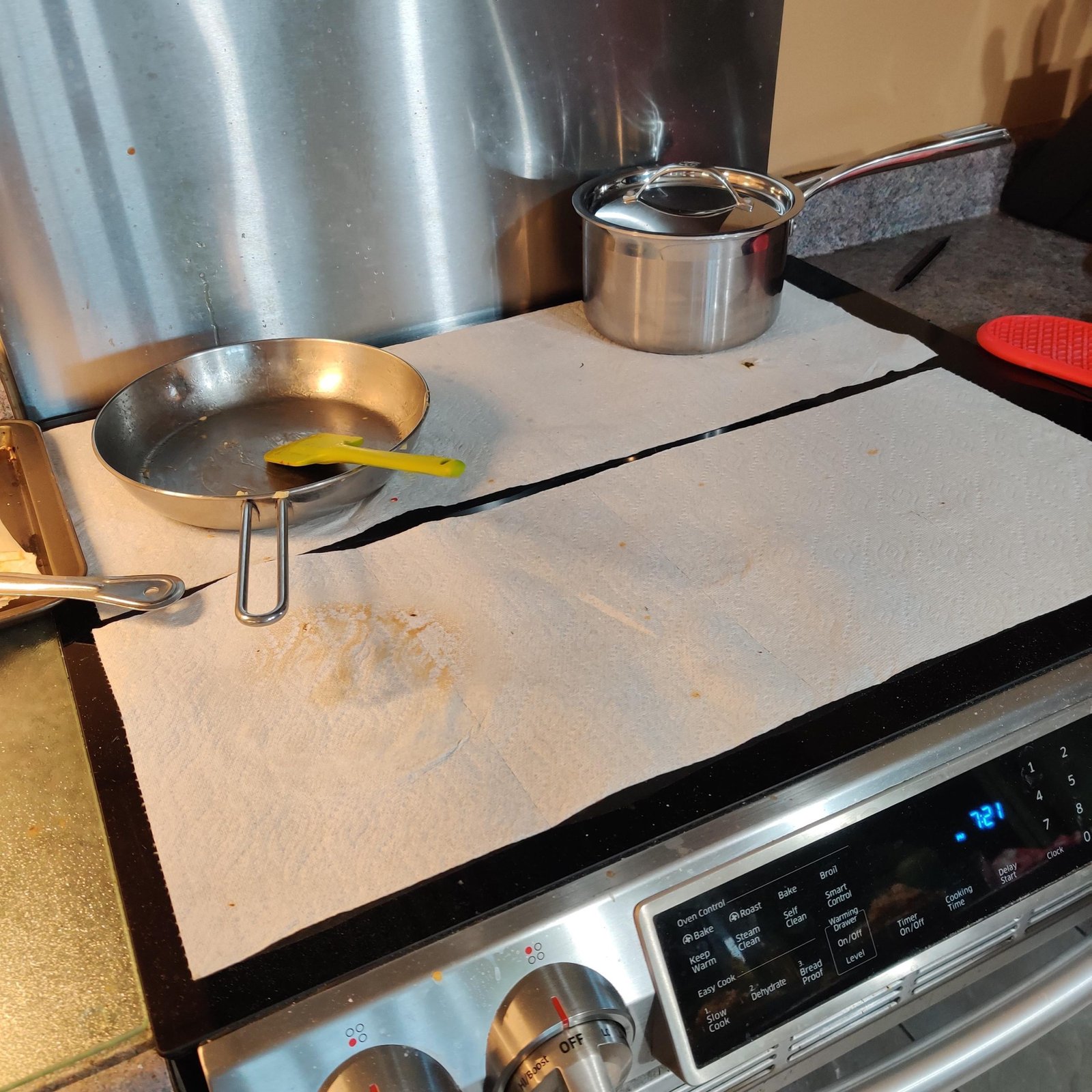
Have you noticed scratches on your glass stovetop and wonder if they can be fixed? Scratches not only make your stovetop look worn out but can also make cleaning a hassle.
The good news is, you don’t have to live with those marks forever. You’ll discover simple and effective ways to clean and reduce the appearance of scratches on your glass stovetop. By the end, your stovetop will look smoother and more polished, making your kitchen feel fresh and inviting again.
Keep reading to find out how easy it is to bring back that sleek, spotless shine!

Credit: www.amazon.com
Materials Needed
Cleaning scratches on a glass stovetop requires some simple materials. These items help remove marks without damaging the surface.
Use gentle products and soft tools to avoid making scratches worse. Here are the materials you will need.
Baking Soda
Baking soda acts as a mild abrasive. It helps polish the glass without scratching it further.
Mix baking soda with water to make a paste. This paste cleans and reduces the look of scratches.
Soft Cloths Or Microfiber Towels
Use soft cloths to apply cleaning mixtures gently. Microfiber towels are best because they do not scratch surfaces.
- For applying paste
- For wiping away residue
- For buffing the stovetop
Non-abrasive Sponge
A non-abrasive sponge helps scrub without causing damage. Avoid hard or rough scrubbers on glass stovetops.
White Vinegar
White vinegar removes grease and light stains. It also helps clean the surface before polishing scratches.
Plastic Scraper
Use a plastic scraper to gently lift stuck-on food. Do not use metal scrapers as they can cause more scratches.
Water
Water helps rinse cleaning solutions off the stovetop. Use clean, warm water for the best results.

Credit: www.reddit.com
Preparation Steps
Cleaning scratches on a glass stovetop starts with proper preparation. You must prepare the surface and ensure safety before cleaning.
Following careful steps helps protect the stovetop and keeps you safe during the process.
Safety Precautions
Always take safety measures before cleaning your glass stovetop. Safety protects you and prevents damage.
- Turn off the stove and unplug it if possible.
- Make sure the surface is cool to touch.
- Wear gloves to protect your hands from cleaning agents.
- Keep the area well ventilated by opening windows or using fans.
- Use gentle cleaning tools to avoid worsening the scratches.
Cleaning The Surface
Before cleaning scratches, remove dirt and grease for better results. Clean the surface gently to avoid further damage.
| Material | Purpose | Notes |
| Soft cloth | Wipe dirt and dust | Use microfiber for best results |
| Mild detergent | Remove grease | Dilute with water |
| Warm water | Rinse surface | Use moderate temperature |
| Dry cloth | Dry the stovetop | Avoid leaving water spots |
Using Baking Soda Paste
Scratches on a glass stovetop can be unsightly. Baking soda paste helps to reduce their appearance safely.
This natural cleaner is gentle and easy to make with common household ingredients.
Mixing The Paste
Start by combining baking soda with water to form a thick paste. Use just enough water to keep it spreadable but not runny.
- Measure 2 tablespoons of baking soda
- Add 1 tablespoon of water slowly
- Stir until the mixture forms a smooth paste
- Adjust water or baking soda to get the right consistency
Application Process
Apply the baking soda paste gently on the scratched areas of the glass stovetop. Use a soft cloth or sponge to avoid further damage.
- Spread a thin layer of paste over each scratch
- Rub in small circles with light pressure for 2-3 minutes
- Let the paste sit for 15 minutes to work on the scratches
- Repeat if scratches are still visible
Rinsing And Drying
| Task | Instructions |
|---|---|
| Rinse | Use a damp cloth to wipe off all baking soda paste. |
| Dry | Buff the stovetop dry with a clean, soft towel. |
| Inspect | Check for any remaining paste or scratch marks. |
Utilizing Toothpaste
Scratches on a glass stovetop can be frustrating. Toothpaste is a simple way to reduce their appearance. It works as a gentle polish that smooths the surface.
This method uses common toothpaste, not gel. It is safe and easy to do at home without special tools.
Choosing The Right Toothpaste
Pick a white, non-gel toothpaste with mild abrasives. Avoid toothpaste with whitening agents or strong chemicals. These can damage the glass surface further.
A plain, basic toothpaste works best. It gently polishes the scratch without scratching the glass more.
- Use white, paste toothpaste
- Avoid gel or whitening types
- Check ingredients for mild abrasives
- Do not use strong chemicals
Polishing Technique
Apply a small amount of toothpaste to a soft cloth. Use a circular motion to rub the scratched area gently. Keep the pressure light and consistent.
Rub for a few minutes, then wipe the area with a damp cloth. Repeat if the scratch is still visible but do not overdo it. Too much rubbing can cause more damage.
- Use a soft, clean cloth
- Rub in small circles
- Apply gentle pressure
- Wipe clean with a damp cloth
- Repeat carefully if needed
Finishing Touches
After polishing, dry the stovetop with a soft cloth. Check the scratch under good light to see if it improved. Clean the whole stovetop to remove any leftover toothpaste.
For best results, avoid using harsh cleaners on your glass stovetop. Regular gentle cleaning keeps it looking good and prevents new scratches.
Commercial Scratch Removers
Glass stovetops can get scratches that make them look old. Commercial scratch removers help fix these marks.
These products are made to smooth out scratches and improve the glass surface’s look. They are easy to use at home.
Selecting A Product
Pick a scratch remover made for glass stovetops. Check the label to be sure it is safe for your surface.
Look for removers with good reviews and clear instructions. Avoid harsh chemicals that can damage the glass.
- Choose removers designed for ceramic or glass surfaces
- Check if the product is non-abrasive
- Read user reviews for effectiveness
- Avoid products with bleach or strong acids
Application Instructions
Clean the stovetop before using the remover. Remove all dirt and grease to help the product work well.
Apply a small amount of the scratch remover to a soft cloth. Rub it gently in a circular motion over the scratches.
- Use a clean, soft cloth or sponge
- Apply remover sparingly on the scratch area
- Rub gently in circles, do not press too hard
- Follow the time instructions on the product label
Cleaning And Buffing
After applying the remover, wipe the area with a clean damp cloth. This removes residue from the surface.
Use a dry microfiber cloth to buff the glass. Buffing helps the stovetop shine and reduces the scratch’s visibility.
- Wipe off excess remover with a damp cloth
- Dry the surface completely before buffing
- Buff in small circles with a microfiber cloth
- Repeat if scratches are still visible
Preventing Future Scratches
Keeping your glass stovetop free from scratches helps it stay clean and safe. Using the right tools and habits can prevent damage.
Learn simple ways to protect your glass surface and keep it looking like new for longer.
Best Practices For Use
Always use cookware with smooth, flat bottoms. Avoid dragging pots and pans across the surface. Lift them instead to prevent scratches.
- Use cookware made of stainless steel or cast iron with smooth bases.
- Place a silicone or felt mat under heavy pots.
- Do not use sharp or metal tools directly on the glass.
- Keep the stovetop dry before placing cookware on it.
Regular Maintenance Tips
Clean the glass surface regularly with soft cloths and proper cleaners. Avoid abrasive pads or harsh chemicals that can cause damage.
| Cleaning Tip | Do | Don’t |
| Daily Cleaning | Use a soft sponge with mild soap | Use steel wool or scouring pads |
| Stain Removal | Use a scraper designed for glass stovetops | Use knives or metal scrapers |
| Polishing | Apply a glass stovetop polish as directed | Use abrasive powders or cleaners |

Credit: www.amazon.com
Frequently Asked Questions
How Do You Remove Scratches From A Glass Stovetop?
To remove scratches, use a specialized glass stovetop cleaner or a baking soda paste. Gently rub the area with a soft cloth in circular motions. Avoid abrasive materials to prevent further damage. Always test a small spot first to ensure safety.
Can Toothpaste Help Clean Glass Stovetop Scratches?
Yes, non-gel toothpaste can lightly buff minor scratches. Apply a small amount to the scratch and rub gently with a soft cloth. Rinse and dry the area afterward. Toothpaste works as a mild abrasive but is best for very light scratches.
What Household Items Can Fix Glass Stovetop Scratches?
Baking soda and white vinegar are effective. Make a paste with baking soda and water, apply it, then gently rub with a soft cloth. This method helps minimize scratch visibility without harsh chemicals. Always clean the surface afterward.
Are Glass Stovetop Scratch Removers Safe To Use?
Yes, most commercial scratch removers are safe if used as directed. They are designed specifically for glass surfaces and help restore shine. Follow instructions carefully and avoid excessive scrubbing to prevent damage.
Conclusion
Cleaning glass stovetop scratches takes patience and simple tools. Use gentle scrubbing and proper cleaners to avoid damage. Small scratches can fade with regular care and attention. Avoid harsh chemicals that may worsen the surface. Keep your stovetop clean to prevent new scratches.
Treat your glass surface gently to maintain its shine. Regular maintenance helps your stovetop look better longer. Try these easy steps and enjoy a clearer, smoother stovetop.