
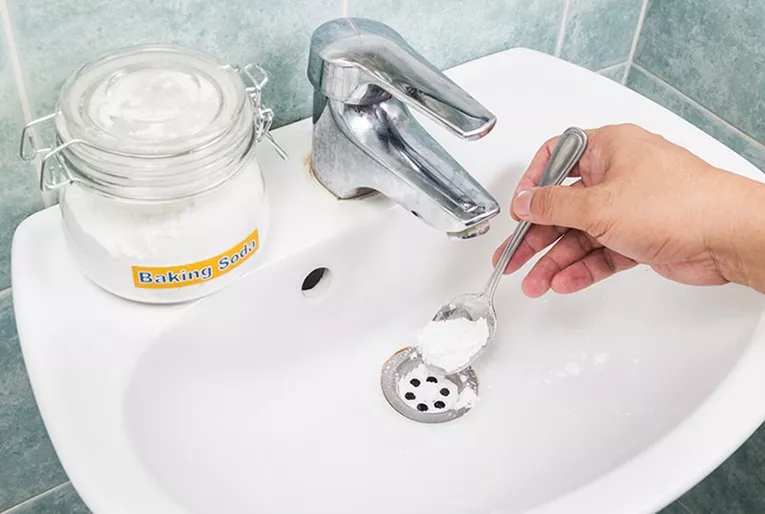
Is your sink drain slow or smelly? You don’t need harsh chemicals to fix it.
Baking soda, a simple ingredient you probably already have, can work wonders to clean your drain quickly and safely. Imagine a fresh, clear drain without spending a dime on expensive cleaners. You’ll discover easy steps to make your sink drain flow like new again using just baking soda and a few household items.
Keep reading to find out how to bring your drain back to life with a simple, natural solution you can trust.
Credit: www.rd.com
Benefits Of Using Baking Soda
Baking soda is a safe and natural cleaner for your sink drain. It helps remove odors and clears clogs gently.
This simple kitchen staple is easy to use and cost-effective. It protects pipes from harsh chemicals.
Natural And Non-toxic
Baking soda is safe for your home and the environment. It does not release harmful fumes or chemicals.
Deodorizes Effectively
It neutralizes bad smells in your drain. This keeps your kitchen fresh without artificial scents.
Helps Clear Minor Clogs
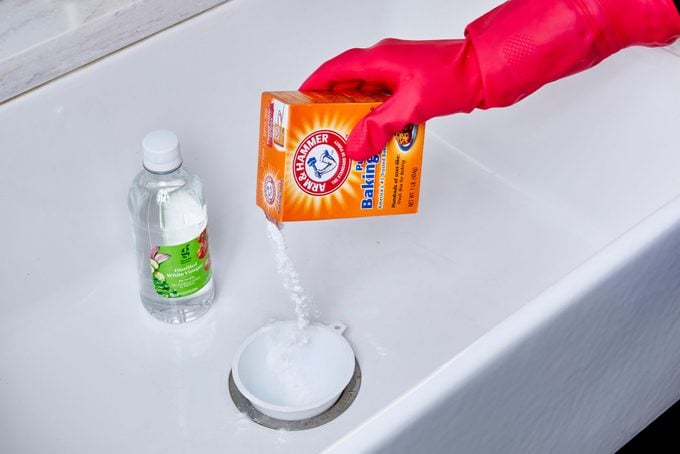
Baking soda works with vinegar to break down small blockages. This mix creates bubbles that loosen debris.
- Breaks down grease and grime
- Loosens food particles
- Reduces buildup over time
Cost-effective And Easy To Use
Baking soda is inexpensive and found in most homes. It requires no special tools or skills to apply.
| Benefit | Description |
|---|---|
| Safe | Non-toxic and gentle on pipes |
| Effective | Removes odors and clears minor clogs |
| Affordable | Low-cost and easy to find |
| Eco-Friendly | Does not harm the environment |
:max_bytes(150000):strip_icc()/cleaning-a-garbage-disposal-2718863-20-ca02806e899940a982a72bc86fa1e42f.jpg)
Credit: www.thespruce.com
Essential Tools And Materials
Cleaning a sink drain with baking soda is a simple and safe method. You need a few tools and materials to do it properly. These help clear clogs and remove odors.
Gathering all items before starting makes the process easier. This guide covers the must-have tools and materials for the task.
Baking Soda
Baking soda is the main cleaning agent. It is a natural deodorizer and mild abrasive. This helps break down grime and neutralize smells in the drain.
White Vinegar
White vinegar reacts with baking soda to create fizzing action. This helps to loosen dirt and debris stuck inside the drain pipes.
Boiling Water
Boiling water flushes the drain and removes loosened buildup. It also helps to rinse away any remaining residue after cleaning.
Additional Tools
- Measuring cup for accurate baking soda and vinegar amounts
- Gloves to protect your hands from hot water and grime
- A funnel to pour ingredients easily into the drain
- A scrub brush or old toothbrush for cleaning the drain opening
- A cloth or sponge to wipe the sink area after cleaning
Summary Table Of Tools And Materials
| Item | Purpose |
| Baking Soda | Breaks down grime and deodorizes |
| White Vinegar | Creates fizz to loosen debris |
| Boiling Water | Flushes and rinses the drain |
| Measuring Cup | Measures ingredients accurately |
| Gloves | Protects hands |
| Funnel | Helps pour ingredients easily |
| Scrub Brush | Clears residue around drain opening |
| Cloth or Sponge | Wipes sink clean after use |
Step-by-step Cleaning Process
Cleaning your sink drain with baking soda is simple and effective. This guide will help you clear clogs and freshen your drain.
Follow these easy steps to make your drain clean and clear without harsh chemicals.
Removing Debris From The Drain
Start by removing any visible debris from the drain opening. Use gloves to pull out hair, food scraps, or other blockages.
Cleaning the surface first helps the baking soda work better inside the drain.
Preparing The Baking Soda Mixture
Mix half a cup of baking soda with half a cup of salt. Salt helps scrub the drain while baking soda cleans and deodorizes.
You can also prepare a mixture of baking soda and vinegar if you want extra fizzing action.
- Half cup baking soda
- Half cup salt
- Optional: Half cup vinegar
Applying The Mixture To The Drain
Pour the baking soda and salt mixture directly into the drain. Make sure it goes down as far as possible.
If using vinegar, pour it slowly after the baking soda. Expect bubbling as the mixture reacts.
Rinsing And Flushing The Drain
Let the mixture sit for 15 to 30 minutes. This time allows the ingredients to break down grime and odors.
Flush the drain with hot water. Pour the water slowly to wash away loosened debris and residue.
Tips For Maintaining A Clean Drain
Keeping your sink drain clean helps prevent bad smells and slow water flow. Using baking soda is a simple way to clean the drain naturally.
Here are some tips to maintain your drain and avoid common problems.
Regular Cleaning Routine
Clean your sink drain with baking soda and vinegar once a week. This helps remove buildup and keeps the drain fresh.
- Pour half a cup of baking soda into the drain.
- Follow with half a cup of vinegar.
- Wait 15 minutes for the reaction to work.
- Flush the drain with hot water.
- Repeat weekly for best results.
Preventive Measures To Avoid Clogs
Preventing clogs saves time and money. Simple habits stop food scraps and grease from blocking your drain.
| Action | Reason |
| Use a drain strainer | Catches food and debris before they enter the drain |
| Avoid pouring grease down | Grease hardens and blocks pipes |
| Run hot water after use | Helps wash away small particles |
| Dispose of coffee grounds in trash | They can clump and clog drains |
Common Mistakes To Avoid
Cleaning your sink drain with baking soda is easy and safe. But some mistakes can cause problems or reduce its effectiveness.
Learn what to avoid to keep your drain clean and working well.
Using Too Much Baking Soda
Adding a large amount of baking soda does not clean better. It can clog your drain instead.
Use the recommended amount to avoid blockages and get good results.
Not Using Vinegar Or Hot Water After Baking Soda
Baking soda works best with vinegar or hot water. Without them, it won’t clear grease or dirt well.
Pour vinegar or hot water right after baking soda for better cleaning.
Pouring Boiling Water Directly On Sink
Boiling water can damage pipes, especially PVC ones. It may cause leaks or cracks.
Use hot water that is warm, not boiling, to protect your plumbing.
Ignoring Safety Precautions
Mixing baking soda with other cleaning chemicals can create harmful fumes.
Always use baking soda alone or with vinegar. Avoid mixing with bleach or ammonia.
Not Cleaning Regularly
Cleaning the drain only when it smells bad or is slow is not effective.
Clean your drain regularly with baking soda to stop buildup before it blocks the pipes.
Alternative Natural Cleaning Methods
Cleaning your sink drain with natural ingredients keeps your home safe. These methods use common kitchen items that are gentle yet effective.
Two popular mixtures use baking soda combined with vinegar or lemon juice. Both help remove clogs and deodorize drains without harsh chemicals.
Vinegar And Baking Soda Combination
This mix creates a fizzy reaction that loosens dirt and clears grime from your drain. It also helps kill some bacteria and reduce odors.
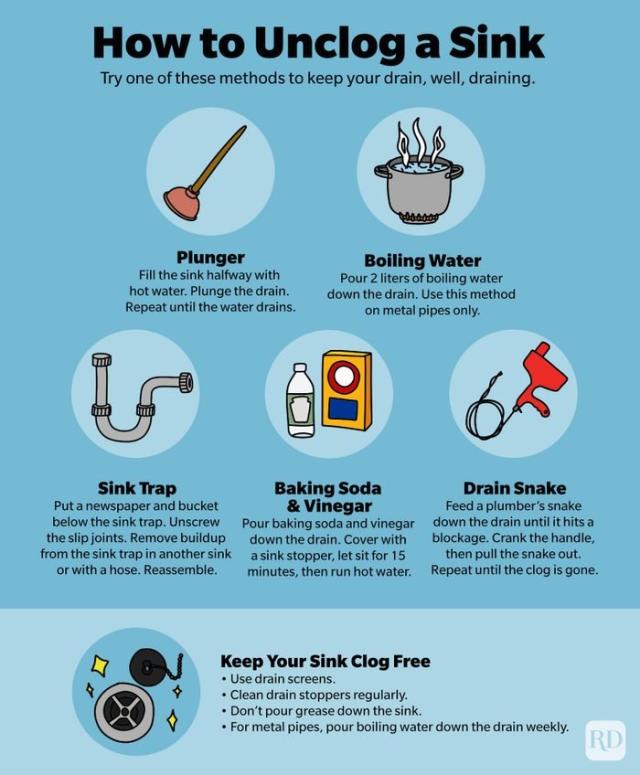
- Pour half a cup of baking soda down the drain.
- Add one cup of white vinegar slowly.
- Cover the drain and wait 15 minutes.
- Flush the drain with hot water to clear debris.
Lemon Juice And Baking Soda Mix
Lemon juice adds a fresh scent and natural acidity. This combination cleans and freshens your drain naturally.
| Ingredient | Amount |
| Baking Soda | Half cup |
| Fresh Lemon Juice | Half cup |
| Hot Water | One cup |
Mix baking soda and lemon juice and pour them into the drain. Wait 10 minutes and rinse with hot water for a clean finish.
When To Seek Professional Help
Cleaning your sink drain with baking soda works for light clogs and odors. Sometimes, the problem is bigger and needs expert care.
Knowing when to call a plumber can save you time and prevent damage to your pipes. Look for these signs to decide.
Persistent Drain Clogs
If baking soda and other home remedies do not clear the clog, it may be a serious blockage. This needs professional tools and skills.
Long-lasting clogs can damage pipes or cause leaks. A plumber can find and fix the root cause safely.
Slow Draining Water
Water that drains very slowly, even after cleaning, is a sign of buildup deep in the pipes. This needs expert attention.
Slow drains can lead to backups or bad smells. Professionals use special tools to clear these tough blockages.
Foul Odors That Won’t Go Away
Baking soda can help with odors, but if smells persist, it may mean there is a bigger problem. This could be mold or pipe damage.
A plumber can inspect your drain and fix hidden issues causing bad smells in your home.
Water Backing Up Into The Sink
Water that comes back up after cleaning means the clog is severe. This can cause damage and needs urgent help.
Calling a professional ensures the problem is fixed properly and prevents future backups.
Visible Pipe Damage Or Leaks
If you see cracks, rust, or leaks in pipes near your sink, do not try to fix it yourself. This can cause bigger problems.
A plumber can repair or replace damaged pipes safely and keep your plumbing working well.
Credit: www.aol.com
Frequently Asked Questions
How Does Baking Soda Clean A Sink Drain?
Baking soda neutralizes odors and breaks down grime in drains. It reacts with vinegar or water to loosen clogs. This natural method cleans without harsh chemicals, making it safe and eco-friendly for regular drain maintenance.
Can Baking Soda Unclog A Slow Sink Drain?
Yes, baking soda can help unclog slow drains when combined with vinegar. The fizzing action breaks down buildup and clears blockages. It’s effective for minor clogs but severe blockages may need professional help.
How Often Should I Clean My Drain With Baking Soda?
Cleaning your drain monthly with baking soda helps prevent odors and buildup. Regular maintenance keeps pipes clear and functioning well. For heavy use drains, consider cleaning every two weeks.
Is Baking Soda Safe For All Types Of Sink Drains?
Baking soda is safe for most sink drains, including PVC and metal pipes. It won’t damage plumbing or septic systems when used properly. Avoid using it with acidic cleaners to prevent reactions.
Conclusion
Cleaning your sink drain with baking soda is simple and safe. This natural method helps remove odors and clogs without harsh chemicals. Just follow the easy steps and repeat as needed. Regular cleaning keeps your drain fresh and flowing well.
Give it a try to keep your kitchen or bathroom clean. Small efforts make a big difference in home care. You don’t need special tools or products. Baking soda works well and saves money too. A clean drain means a healthier home environment.
Easy, effective, and eco-friendly—what’s not to like?