
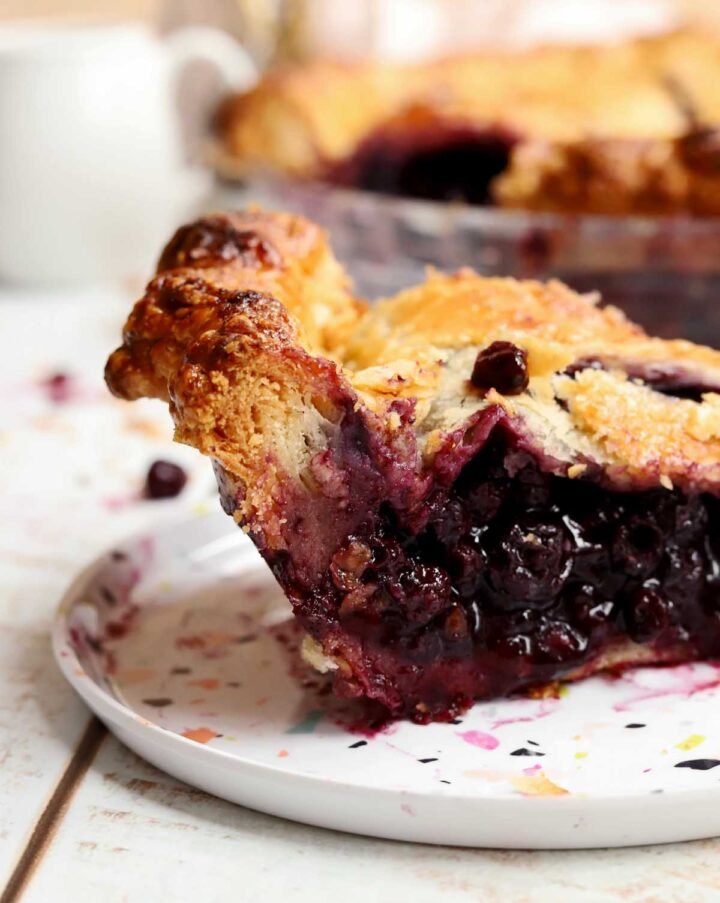
Baking the perfect pie starts with one key ingredient: a flaky crust. If you’ve ever struggled with crusts that turn out tough or crumbly, you’re not alone.
But imagine cutting into a golden, buttery crust that flakes apart with every bite—sounds delicious, right? You’ll discover simple tips that will transform your pie crust from ordinary to extraordinary. Get ready to impress yourself and everyone at the table with pies that look and taste like they came from a bakery.
Keep reading, because your best pie crust is just a few easy steps away.
Choosing The Right Ingredients
Making a flaky pie crust starts with picking the right ingredients. Each component plays a key role in the crust’s texture and taste.
Understanding how flour, fat, and water work helps you bake better pies every time.
Flour Selection
Use flour with the right protein level to get a tender crust. Too much protein makes the crust tough.
All-purpose flour is the best choice for most pie crusts. It balances strength and tenderness well.
- All-purpose flour: good balance of protein
- Pastry flour: lower protein, softer crust
- Bread flour: high protein, can make crust chewy
The Role Of Fats
Fat creates layers in the dough, which makes the crust flaky. Cold fat helps keep these layers separate.
Butter adds flavor, but shortening or lard gives a flakier texture. Mixing fats can give the best results.
- Butter: rich taste, less flaky
- Shortening: very flaky, mild flavor
- Lard: very flaky, traditional choice
- Mixing butter and shortening: flavor and flakiness combined
Water And Its Importance
Water binds the flour and fat together to form dough. Use cold water to keep fat solid.
Add just enough water to hold the dough. Too much water makes the crust tough.
- Use ice-cold water for best texture
- Add water slowly to avoid sticky dough
- Stop adding water when dough holds together

Credit: scientificallysweet.com
Perfecting The Dough
Making a flaky pie crust starts with the dough. The right dough gives your pie a tender, crisp texture. It needs careful mixing, chilling, and rolling.
This guide helps you prepare the dough so your pie crust turns out flaky every time.
Mixing Techniques
Mix flour and fat gently to keep pieces of fat visible. These pieces create flakiness during baking. Use cold butter or shortening.
Do not overmix the dough. Overmixing makes the crust tough. Use a pastry cutter or your fingers to blend ingredients.
- Keep fat cold and cut into small pieces
- Mix until dough just comes together
- Leave some small chunks of fat in dough
- Avoid using warm hands
Chilling The Dough
Chill the dough before rolling to relax gluten. This helps prevent shrinking during baking. It also firms the fat for flakiness.
Wrap the dough in plastic wrap. Chill in the fridge for at least 30 minutes. Avoid freezing unless storing for longer time.
- Wrap dough tightly to prevent drying
- Chill dough for 30 minutes or more
- Keep dough cold while working
- Use chilled rolling pin if possible
Rolling Out Evenly
Roll dough on a floured surface. Roll from the center outward for even thickness. Turn dough often to keep shape round.
Keep dough about 1/8 inch thick. Even thickness helps bake crust evenly. Handle dough gently to keep fat layers intact.
- Lightly flour surface and rolling pin
- Roll from center to edges evenly
- Turn dough a quarter turn often
- Keep dough about 1/8 inch thick
- Lift dough gently to avoid tears
Secrets To A Flaky Crust
Baking a pie with a flaky crust takes some care. The crust is what makes the pie special.
Using the right methods helps create layers of butter and dough. These layers make the crust crisp and light.
Layering Techniques
Layering is key to a flaky pie crust. You need to keep the butter cold and cut it into the flour. Then mix just enough water to hold the dough together.
- Use cold butter or shortening
- Cut fat into small pieces
- Mix lightly to keep layers
- Add cold water a little at a time
- Do not overwork the dough
Using A Pastry Blender
A pastry blender helps cut the fat into the flour. It breaks the fat into small bits. These bits melt while baking and create air pockets.
| Pastry Blender Tips | Why It Helps |
|---|---|
| Use quick, short motions | Keeps fat cold and small |
| Blend until pea-sized pieces form | Creates flaky layers |
| Don’t over-blend | Prevents tough dough |
Proper Venting
Venting the pie crust allows steam to escape. This stops the crust from getting soggy or puffing up too much.
- Cut small slits or shapes in the top crust
- Space vents evenly around the pie
- Use a fork to prick the dough edges
- Cover edges with foil if browning too fast
Credit: www.ourhappymess.com
Baking Tips
Baking pies with a flaky crust takes practice and care. Small details affect how the crust turns out.
These tips will help you bake a crust that is crisp, light, and flaky every time.
Preheating The Oven
Always preheat your oven before baking a pie. A hot oven helps the crust start cooking quickly.
Set the oven to the correct temperature and wait until it reaches that heat before putting in your pie.
- Preheat to the temperature in your recipe
- Use an oven thermometer to check accuracy
- Place the pie on the middle rack for even heat
Blind Baking
Blind baking means baking the crust without filling. This prevents a soggy bottom crust.
Use pie weights or dried beans to keep the crust flat and avoid bubbles during baking.
- Line the crust with parchment paper or foil
- Fill with pie weights or dried beans
- Bake until edges are golden, then remove weights
- Return to oven to finish baking crust
Temperature Control
Keep the oven temperature steady to avoid burning or undercooking the crust. Flaky crust needs the right heat.
Start baking at a higher temperature to set the crust, then lower it to cook through without burning.
- Start around 425°F (220°C) for 15 minutes
- Reduce to 350°F (175°C) for the remaining time
- Watch the crust color to prevent burning
- Use an oven thermometer for accuracy
Common Mistakes To Avoid
Baking a pie with a flaky crust needs care and the right method. Some mistakes make the crust tough or soggy.
Learn the common errors to avoid for a perfect pie every time. Focus on dough handling, water use, and cooling.
Overworking The Dough
Mixing or kneading the dough too much breaks the fat into small pieces. This stops the crust from being flaky.
- Mix ingredients just until combined.
- Use a gentle hand to keep fat chunks visible.
- Chill dough before rolling to rest the gluten.
Using Too Much Water
Adding excess water makes the dough sticky and hard to handle. It can also cause a chewy crust.
| Effect | Cause | Result |
| Sticky Dough | Too much water | Hard to roll and shape |
| Chewy Crust | Water activates gluten | Less flaky texture |
| Shrinkage | Overhydrated dough | Crust pulls away from pan |
Ignoring Cooling Times
Not letting the dough rest in the fridge causes uneven texture and shrinkage when baked.
Follow these tips for cooling:
- Chill dough after mixing for at least 30 minutes.
- Rest dough after rolling and before baking.
- Cool baked crust before filling to keep shape.

Credit: www.tasteofhome.com
Enhancing Flavor And Texture
Baking pies with a flaky crust needs care. Small changes can boost taste and feel.
Try simple tips to add flavor and make the crust crisp and light.
Incorporating Spices
Add spices to your pie crust dough for extra taste. Cinnamon, nutmeg, or ginger work well.
Spices give warmth and a subtle flavor that pairs with sweet or savory pies.
- Mix 1/2 teaspoon cinnamon or nutmeg into dry ingredients
- Use ground ginger for a spicy note
- Start with small amounts to avoid overpowering the crust
Adding Grated Cheese
Grated cheese adds richness and a slight saltiness to crusts. Cheddar or Parmesan are good choices.
Cheese helps create a tender crust with a nice golden color and a crunchy texture.
- Use about 1/4 cup finely grated cheese in your dough
- Mix cheese evenly with flour and butter
- Cheese pairs well with vegetable and meat pies
Brushing With Egg Wash
Brush the pie crust with egg wash before baking. It creates a shiny, golden finish.
Egg wash also helps the crust stay moist and crisp, improving the texture.
- Beat one egg with a tablespoon of water or milk
- Use a brush to coat the crust evenly
- Apply before baking for best color and shine
Decorative Edges And Finishes
Adding decorative edges and finishes to your pie crust makes it look beautiful. It also adds a personal touch to your baking. These details help make your pie stand out and impress guests.
Using simple techniques can create elegant crust designs. This guide covers crimping techniques, lattice work, and glazing for shine. Each method adds style and texture to your flaky pie crust.
Crimping Techniques
Crimping seals the edges of your pie crust and shapes the border. It keeps the filling inside while baking. There are several easy crimping styles you can try.
- Pinch the dough between your thumb and index finger to make small folds.
- Use a fork to press down along the edge for a simple pattern.
- Press the dough edges with your fingers to create a wave shape.
- Use your thumb and forefinger to pinch every half inch for a scalloped look.
Lattice Work
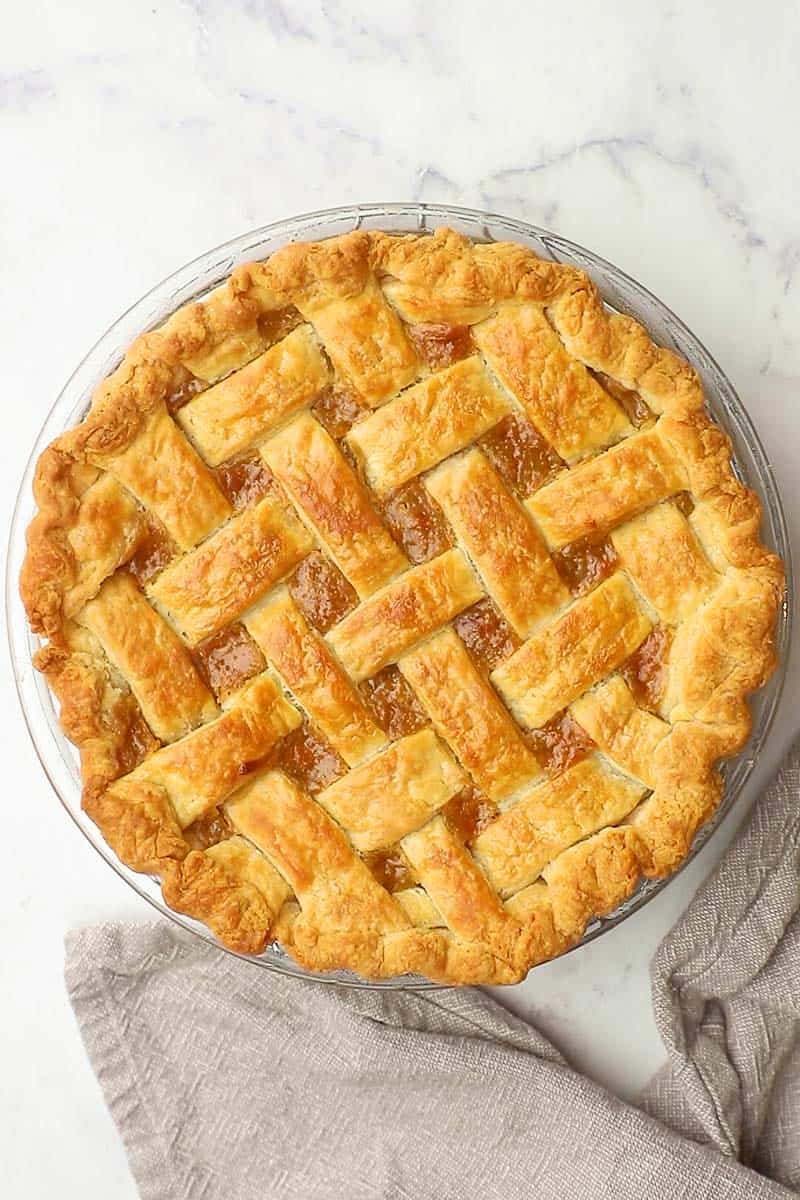
Lattice work involves weaving strips of dough over the pie filling. It allows steam to escape and creates a classic pie look. You can make the strips thick or thin, depending on your style.
| Step | Description |
|---|---|
| Cut strips | Roll out dough and cut into even strips, about 1/2 inch wide. |
| Lay strips | Place strips evenly across the pie from one side to the other. |
| Weave | Fold back every other strip and place a new strip perpendicular. Repeat until covered. |
| Seal edges | Press the ends of strips into the bottom crust to seal. |
Glazing For Shine
Glazing gives your pie crust a golden, shiny finish. It also adds a slight sweetness or crunch, depending on the glaze used. You can use simple ingredients found in your kitchen.
Common glaze options include:
- Beaten egg or egg white brushed over the crust
- Milk or cream for a softer shine
- Sprinkling sugar on top after glazing for extra sparkle
Frequently Asked Questions
How Do I Make Pie Crust Extra Flaky?
Use cold butter and handle dough minimally. Chill dough before rolling. Layering butter creates steam, making crust flaky.
What Is The Best Flour For Pie Crust?
All-purpose flour is ideal for pie crusts. It balances gluten formation, giving a tender, flaky texture.
How Important Is Chilling Pie Dough?
Chilling is crucial. It firms butter, prevents shrinkage, and helps develop a flaky crust during baking.
Can I Use Shortening Instead Of Butter?
Yes, shortening creates flakiness but lacks butter’s flavor. For best taste, combine butter and shortening.
Conclusion
Baking pies with a flaky crust takes practice and patience. Keep your ingredients cold and handle dough gently. Use the right tools for cutting and mixing. Let the dough rest before rolling it out. Watch the baking time closely to avoid burning.
These small steps help create a delicious, flaky crust. Enjoy the process and the tasty results. Happy baking!