
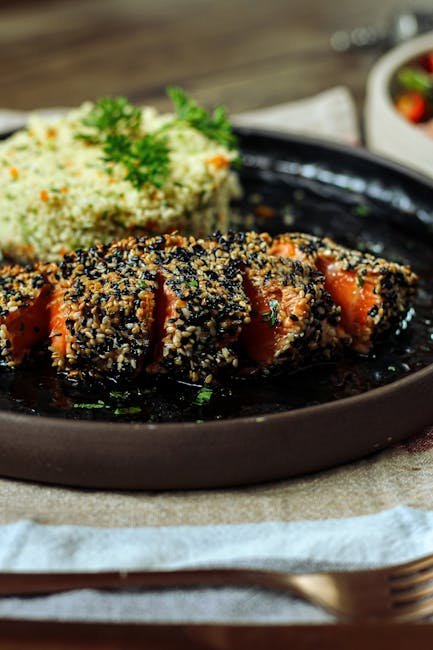
You want to cook salmon that’s tender, juicy, and full of flavor right in your own kitchen. But sometimes, skillet cooking can leave your fish dry or overcooked.
What if you could master a simple technique that gives you perfect salmon every time? You’ll discover easy steps to make your salmon melt in your mouth, using just your skillet and a few ingredients. Keep reading, and you’ll never worry about tough, bland salmon again.
Choosing The Right Salmon
Picking the right salmon makes a big difference in taste and texture. Salmon can be fresh or frozen, wild-caught or farmed. Each type has its own qualities.
Understanding these options helps you cook salmon tender and delicious in a skillet. Let’s explore the main choices.
Fresh Vs. Frozen
Fresh salmon usually has a bright color and smells like the sea. Frozen salmon is picked at peak freshness and kept cold. Both can be good if handled right.
- Fresh salmon is soft and easy to cook quickly.
- Frozen salmon is convenient and lasts longer.
- Thaw frozen salmon gently to keep it tender.
- Check for any freezer burn on frozen fish.
- Fresh salmon may cost more but offers great flavor.
Wild-caught Vs. Farmed
Wild-caught salmon lives in natural waters and eats a natural diet. Farmed salmon is raised in controlled environments and fed prepared food.
| Type | Flavor | Texture | Price |
|---|---|---|---|
| Wild-Caught | Rich and complex | Firm and lean | Higher |
| Farmed | Milder taste | Moist and fatty | Lower |

Credit: www.youtube.com
Preparing The Salmon
Cooking salmon tender starts with good preparation. You must remove any skin and bones. Then, add the right seasoning for flavor.
This guide helps you prepare salmon for a soft, tasty skillet meal.
Removing Skin And Bones
Removing the skin and bones makes the salmon easier to eat and cook evenly. Use a sharp knife and tweezers for best results.
- Place the salmon fillet skin-side down on a clean surface.
- Hold the tail end and slide a sharp knife between the skin and flesh.
- Cut gently to separate the skin without wasting meat.
- Use fish bone tweezers to pull out any remaining bones.
- Check the fillet carefully for hidden bones by running your fingers over it.
Seasoning Tips
Seasoning salmon well brings out its natural flavors. Simple ingredients work best to keep it tender.
| Seasoning | Purpose |
| Salt | Enhances natural taste |
| Black Pepper | Adds mild heat |
| Garlic Powder | Gives savory flavor |
| Lemon Juice | Brightens and tenderizes |
| Olive Oil | Keeps fish moist |
Selecting The Skillet
Cooking salmon tender in a skillet starts with picking the right pan. The skillet affects heat and cooking time.
Choosing the right skillet helps you get a crispy outside and soft inside. It also makes cooking easier.
Non-stick Vs. Cast Iron
Non-stick skillets stop fish from sticking to the pan. They need less oil and clean easily.
Cast iron skillets hold heat well. They give salmon a nice crust but need more care and oil.
- Non-stick: Easy to clean, less oil, gentle cooking
- Cast iron: Great heat retention, crispy crust, needs seasoning
Proper Skillet Size
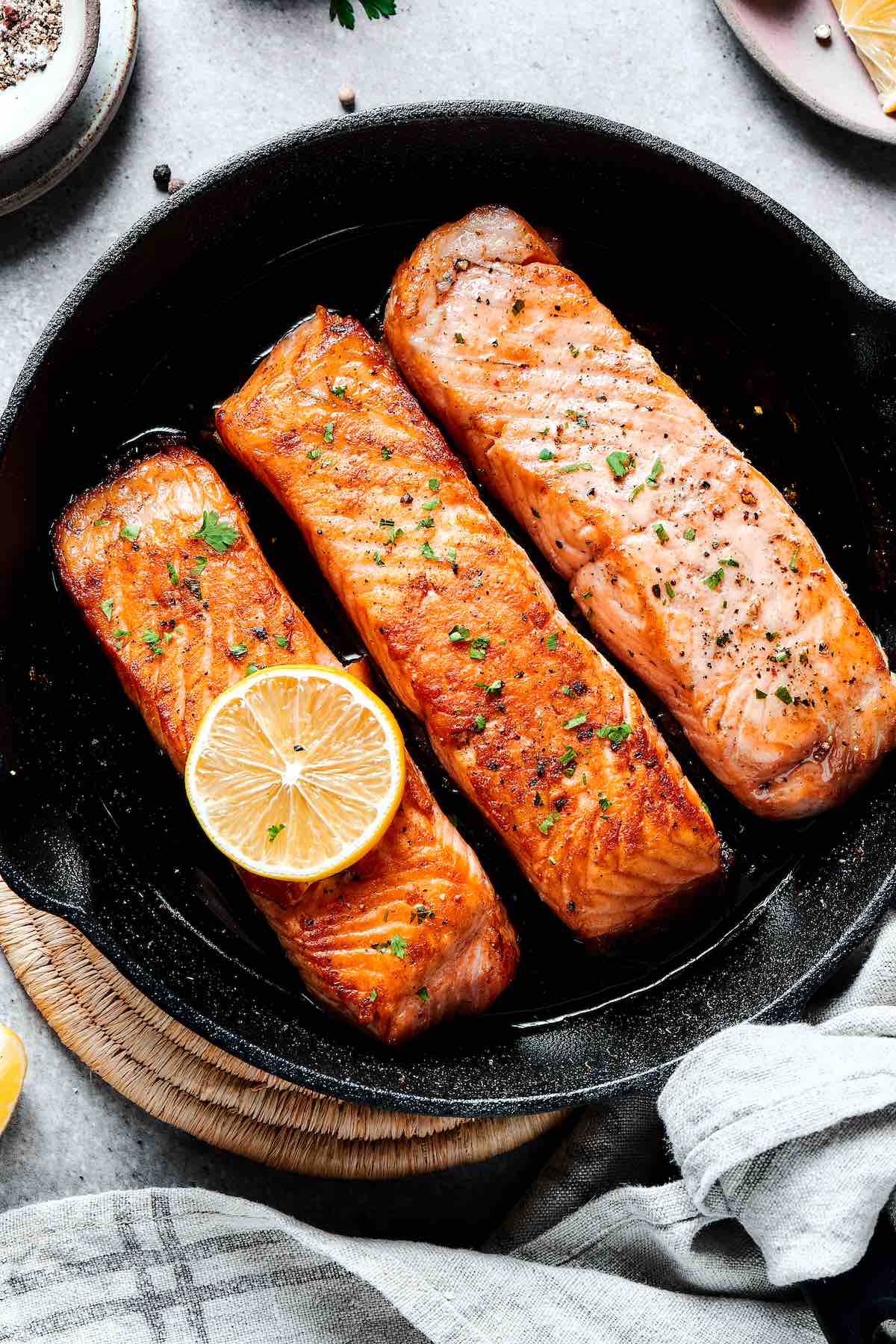
Pick a skillet size that fits your salmon fillets without crowding. Crowding lowers heat and causes steaming.
For one or two fillets, a 10-inch skillet works well. Bigger skillets suit more fillets or sides.
- Small fillets: 8 to 10 inches
- Multiple fillets: 12 inches or larger
- Leave space between fillets for even cooking
Credit: thebigmansworld.com
Cooking Techniques
Cooking salmon in a skillet is a quick way to get a tasty meal. The key is to keep the fish tender and juicy.
Using the right techniques helps prevent overcooking. This guide covers temperature control and timing for perfect doneness.
Temperature Control
Heat your skillet to medium or medium-low before adding salmon. Too high heat can burn the outside while leaving the inside raw.
Use a cooking oil with a high smoke point, like canola or avocado oil. This stops the oil from burning and affecting the taste.
- Preheat skillet on medium heat
- Add oil and let it heat until shimmering
- Place salmon skin-side down gently
- Adjust heat to avoid smoking or burning
Timing For Perfect Doneness
Cook salmon for about 4-5 minutes on the first side. This allows the skin to crisp and the fish to cook through.
Flip the salmon and cook for another 3-4 minutes. Check the thickest part for a slightly translucent center to keep it tender.
- Cook skin-side down for 4-5 minutes
- Flip carefully using a spatula
- Cook flesh-side down for 3-4 minutes
- Check for a soft, slightly pink center
Enhancing Flavor
Cooking salmon tender in a skillet needs more than just the right heat. Adding flavors makes the fish taste better and more fresh. Simple ingredients can boost the taste quickly.
This guide shows how to use herbs, spices, and citrus to make your salmon delicious. These tips keep the fish soft and full of flavor.
Using Herbs And Spices
Herbs and spices give salmon a fresh, tasty touch. They add aroma and depth to the mild fish flavor. Use small amounts to keep the taste balanced.
Some good choices include dill, parsley, and thyme. Spices like paprika, black pepper, and garlic powder also work well. Sprinkle them on before cooking to let the flavors soak in.
- Dill pairs well with salmon’s natural flavor
- Parsley adds a fresh, green note
- Thyme gives a woody, earthy taste
- Paprika adds mild smokiness and color
- Black pepper gives a little heat
- Garlic powder adds warmth without overpowering
Adding Citrus Zest
Citrus zest brightens the salmon and cuts through its richness. The oils in the peel add fresh, tangy flavors that wake up the taste buds. Use lemon, lime, or orange zest for variety.
Lightly sprinkle zest on the salmon before or after cooking. It pairs well with herbs and spices to create a balanced flavor. Avoid too much zest to keep the taste pleasant.
- Lemon zest adds sharp, clean notes
- Lime zest gives a sweet and sour touch
- Orange zest brings a mild sweetness
- Combine zest with herbs for layered flavors
Serving Suggestions
Cooking salmon tender in a skillet makes a delicious meal. Serving it well adds to the experience.
Try different sides and presentation ideas to make your dish stand out at the table.
Accompaniments And Sides
Salmon pairs well with fresh, light sides that balance its rich flavor. Choose veggies or grains for variety.
- Steamed asparagus or green beans add crisp texture
- Roasted potatoes bring warmth and comfort
- Quinoa or wild rice offers a nutty, healthy base
- Simple salads with lemon vinaigrette brighten the plate
- Grilled zucchini or bell peppers give smoky sweetness
Presentation Tips
Good presentation makes food look more tempting. Use color and arrangement to impress.
Place salmon skin side down for a nice sear look. Add a lemon wedge or fresh herbs on top.
- Use white or light-colored plates to highlight salmon’s pink color
- Arrange sides neatly around the fish for balance
- Garnish with chopped parsley or dill for a fresh touch
- Serve with a small bowl of sauce on the side for dipping
Troubleshooting Common Issues
Cooking salmon in a skillet is quick and tasty. Still, some problems can happen. Dryness and overcooking are common troubles.
Knowing how to avoid these will help keep your salmon tender and juicy every time.
Avoiding Dryness
Dry salmon feels tough and less enjoyable. It happens when the fish loses too much moisture during cooking.
- Use medium heat to cook the salmon gently.
- Cook skin-side down first to keep juices inside.
- Do not press the salmon with a spatula.
- Remove the salmon from heat as soon as it flakes easily.
- Let the salmon rest for a few minutes before serving.
Preventing Overcooking
Overcooked salmon looks dry and feels chewy. It loses its soft texture and flavor.
| Signs of Overcooked Salmon | How to Fix |
| Salmon flakes too easily and feels tough | Lower the heat and reduce cooking time |
| Color changes from pink to white or gray | Use a thermometer to check for 125°F inside |
| Salmon looks dry on the surface | Cook skin-side down longer and flip briefly |
| Salmon sticks to the pan | Use enough oil and a non-stick skillet |

Credit: www.primaverakitchen.com
Frequently Asked Questions
How Long To Cook Salmon In A Skillet?
Cook salmon skin-side down for 4-5 minutes, then flip and cook 3-4 minutes. Total time depends on thickness.
What Oil Is Best For Skillet Salmon?
Use oils with high smoke points like olive oil or avocado oil. They prevent burning and add flavor.
How To Prevent Salmon From Sticking To Skillet?
Preheat skillet and oil well before adding salmon. Avoid moving it until edges turn opaque.
Should Salmon Be Cooked Covered Or Uncovered?
Cook uncovered to get crispy skin and even cooking. Cover only if you want steamed, softer texture.
Conclusion
Cooking salmon tender in a skillet is simple and quick. Use fresh fish and control the heat carefully. Avoid overcooking to keep the salmon juicy and soft. A little oil or butter helps to prevent sticking. Season the fish lightly to enhance its natural flavor.
Practice these steps often to improve your skill. Enjoy your healthy, delicious meal every time. Cooking salmon this way fits busy days and tasty dinners well. Give it a try and taste the difference yourself.