
Baking the perfect pie crust can feel like a mystery. You want it soft enough to melt in your mouth, yet flaky enough to give that satisfying crunch.
If you’ve ever struggled to get your pies just right, you’re not alone. But what if you could learn simple tricks that instantly transform your crust from tough or crumbly to soft and flaky every time? You’ll discover easy, proven techniques that will make your pies the star of any meal.
Ready to impress your friends and family with bakery-quality pies? Let’s dive in and unlock the secrets to baking pies soft and flaky.
Choosing The Right Ingredients
Baking a soft and flaky pie crust starts with picking the right ingredients. Each ingredient changes the dough’s texture and taste.
Using quality items helps you get the best pie crust every time. Let’s look at the key ingredients you need.
Best Flour For Pie Crust
Flour gives structure to the pie crust. Choose a flour with moderate protein for a soft, flaky texture.
All-purpose flour works well because it balances toughness and tenderness. Avoid bread flour; it makes dough too tough.
- All-purpose flour: ideal for soft, flaky crusts
- Pastry flour: lower protein, good for delicate crusts
- Bread flour: too much gluten, makes crust chewy
Importance Of Fat Types
Fat creates flakiness and tenderness in pie crust. The type of fat changes how the crust feels and tastes.
Butter adds great flavor and crisp layers. Shortening makes the crust very tender. Some bakers mix both fats for balance.
- Butter: rich taste, crisp texture
- Shortening: makes dough tender and flaky
- Lard: very flaky, traditional choice
Role Of Sugar And Salt
Sugar adds a hint of sweetness and helps browning. Use a small amount to avoid making the crust too soft.
Salt boosts flavor and balances sweetness. It also strengthens the dough by tightening gluten strands slightly.
- Sugar: enhances taste and color
- Salt: improves flavor and dough structure
- Use both in small amounts for best results

Credit: www.tasteofhome.com
Mastering The Mixing Process
Mixing pie dough correctly is key to soft and flaky crusts. This process controls texture and taste.
Understanding how to measure and mix ingredients helps avoid tough or crumbly pies.
Properly Measuring Ingredients
Accurate measuring keeps the dough balanced and consistent. Use the right tools for dry and wet items.
Flour should be spooned into the cup and leveled off. Liquids need a clear measuring cup on a flat surface.
- Use dry measuring cups for flour, sugar, and salt
- Use liquid measuring cups for water, milk, or oil
- Level off dry ingredients with a straight edge
- Measure liquids at eye level for accuracy
Techniques For Mixing Dough
Mix dough gently to combine ingredients without warming the butter too much. Cold butter creates flakiness.
Use a pastry cutter, two knives, or your fingers to cut butter into flour. Small pea-sized pieces work best.
- Start with chilled ingredients
- Cut butter into flour until pea-sized bits form
- Add cold water gradually to bring dough together
- Keep dough cold throughout mixing
Avoiding Overworking The Dough
Overmixing activates gluten, making the crust tough instead of soft. Mix just until dough holds together.
Stop mixing when dough is crumbly but sticks when pressed. Chill dough before rolling to relax gluten.
- Mix ingredients quickly and lightly
- Do not knead or roll dough too many times
- Chill dough for at least 30 minutes before use
- Use a light touch when shaping crust
Chilling And Resting The Dough
Chilling and resting pie dough are key steps for soft and flaky crusts. These steps help the dough hold its shape and improve texture.
Taking time to chill and rest makes the baking process smoother and the pie crust more delicious.
Benefits Of Chilling
Chilling dough firms the fat inside it. This helps create layers that bake into flakiness.
Cold dough is easier to roll and shape. It also prevents shrinking during baking.
- Prevents butter from melting too soon
- Reduces gluten development for tenderness
- Makes dough easier to handle and roll
- Helps dough keep its shape in the oven
Resting Periods For Flakiness
Resting the dough allows moisture to spread evenly. This creates a softer texture in the baked pie.
Resting also relaxes gluten strands. This reduces toughness and keeps the crust light.
- Rest dough 30 minutes before rolling
- Chill dough at least 1 hour after mixing
- Rest dough again after shaping, if possible
- Longer rests improve flakiness and flavor
Rolling Out The Dough
Rolling out pie dough is a key step for soft and flaky pies. It shapes the dough to fit your pie dish perfectly.
Using the right technique helps avoid cracks and tough crusts. Let’s look at important tips to roll dough well.
Using The Right Tools
Good tools make rolling easier and smoother. A proper rolling pin and a clean, flat surface are must-haves.
- Use a wooden or marble rolling pin for steady pressure.
- Work on a cool, flat surface like marble or a clean countertop.
- Keep dough and tools lightly floured to prevent sticking.
- Have a dough scraper handy to lift dough gently if needed.
Achieving The Perfect Thickness
Thickness affects how the crust bakes and tastes. Too thin can tear; too thick can be doughy.
| Thickness | Effect |
| 1/8 inch (3 mm) | Soft, flaky crust with even baking |
| 1/4 inch (6 mm) | Too thick, may bake unevenly |
| Less than 1/8 inch | Can tear easily and dry out |
Preventing Sticking And Tearing
Sticking and tearing are common problems when rolling dough. Use gentle techniques to avoid damage.
- Chill dough before rolling to keep it firm.
- Lightly flour the surface and rolling pin.
- Roll dough from the center outward evenly.
- Turn the dough often to keep shape and prevent sticking.
- Lift dough gently with a spatula or dough scraper if stuck.
Blind Baking Techniques
Blind baking is a key step for soft and flaky pie crusts. It means baking the crust without the filling.
This method helps avoid soggy bottoms and keeps the crust crisp. Let’s explore when to use blind baking and how to use pie weights.
When To Use Blind Baking
Use blind baking in these cases to get the best pie crust texture:
- For pies with no-bake fillings, like cream or custard.
- When the filling is very wet and can make the crust soggy.
- For tarts that need a crisp, firm shell.
- If the filling cooks faster than the crust.
Using Pie Weights Correctly
Pie weights keep the crust flat during blind baking. Use them right to avoid shrinking or bubbles.
| Type of Pie Weight | Description | Tips |
| Dry Beans or Rice | Common kitchen staples used as weights. | Use a clean, dry cloth or parchment to protect the crust. |
| Metal or Ceramic Weights | Special weights made for blind baking. | Place them on parchment paper for easy removal. |
| Sugar | Can be used as weights and then baked into crust for sweetness. | Cool sugar before using to avoid burning. |
Always line your crust with parchment paper or foil before adding weights. This stops the crust from sticking and helps even baking.
Baking The Pie
Baking a pie is key to getting soft and flaky crusts. You need the right heat and time.
Good baking helps avoid soggy bottoms and gives your pie a golden look.
Temperature And Timing Tips
Start baking your pie in a hot oven to set the crust quickly. Then, lower the temperature to cook the filling.
- Preheat oven to 425°F (220°C) for the first 15 minutes.
- Reduce heat to 350°F (175°C) for the remaining time.
- Bake for 45 to 55 minutes total, depending on pie size.
- Check the pie after 40 minutes to avoid overbaking.
Avoiding Soggy Bottoms
To keep the crust crisp, use a baking sheet or pie shield. These tools protect the bottom and edges.
| Tip | How It Helps |
|---|---|
| Use a preheated baking sheet | Conducts heat to the crust quickly |
| Brush crust with egg wash | Creates a seal to block moisture |
| Blind bake crust | Pre-cooks crust to avoid sogginess |
| Drain juicy fillings | Reduces extra moisture in the pie |
Achieving Golden Brown Perfection
Watch the crust color closely in the last 10 minutes of baking. If edges brown too fast, cover them.
- Use a pie crust shield or foil strips on edges.
- Brush the crust with milk or cream before baking.
- Brush again halfway through baking for richer color.
- Let the pie cool before slicing to set the crust.
Troubleshooting Common Issues
Baking soft and flaky pies can be tricky. Many bakers face common problems that affect crust quality.
Knowing how to fix these issues helps you bake better pies every time.
Dealing With Cracks
Cracks often appear when the dough is too dry or overworked. These cracks let filling leak and ruin the crust.
To fix cracks, patch them with a small dough piece and press gently. You can also brush water on edges before sealing.
- Add a bit of cold water to dry dough
- Handle dough gently to avoid breaking it
- Chill dough before rolling to prevent cracks
- Seal edges with water or egg wash
Preventing Shrinkage
Shrinkage happens when the dough tightens during baking. This makes the crust smaller than the pie pan.
To stop shrinkage, let the dough rest before baking. Also, avoid stretching the dough when placing it in the pan.
- Chill dough for 30 minutes before rolling
- Roll dough slightly larger than the pan
- Do not pull or stretch dough while fitting
- Use pie weights to keep dough in place during blind baking
Fixing A Tough Crust
A tough crust means the dough was overmixed or baked too long. Tough crusts lose the soft and flaky texture.
To fix this, mix dough lightly and avoid adding too much flour. Bake only until the crust is golden, not dark brown.
- Mix dough just until ingredients combine
- Keep butter cold for flakiness
- Use a timer and check crust often while baking
- Remove pie from oven when crust turns light golden

Credit: m.youtube.com
Advanced Techniques For Flakiness
Baking pies with a soft and flaky crust takes skill. Using special techniques helps achieve this texture.
These tips focus on how to make your dough tender and flaky through careful preparation.
Layering Dough With Butter
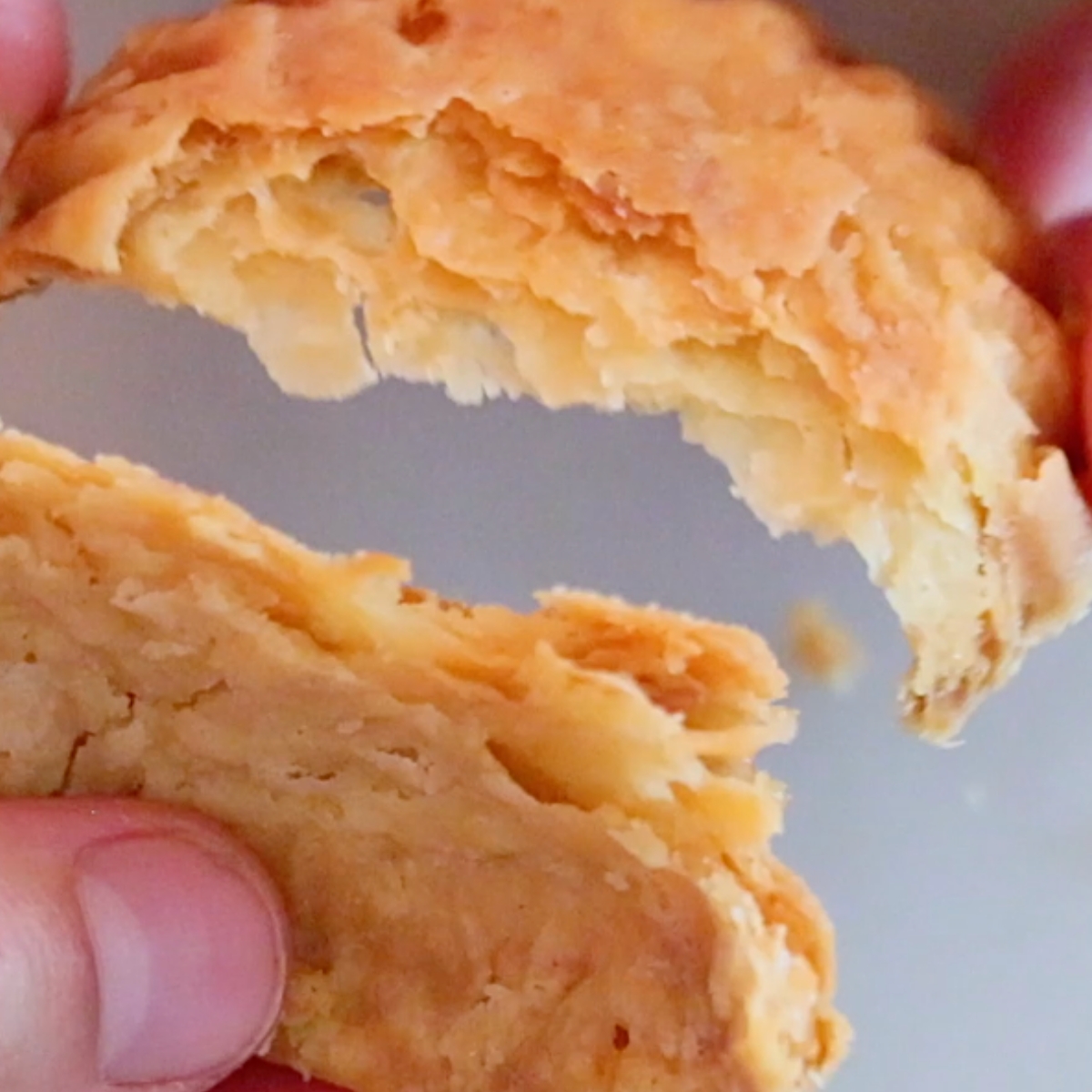
Layering dough with butter creates thin pockets of fat. These pockets make the crust flaky when baked.
To do this, roll out the dough and spread cold butter thinly over it. Fold and roll the dough several times.
- Use cold butter cut into small pieces.
- Work quickly to keep butter from melting.
- Roll, fold, and chill the dough multiple times.
- This forms layers that puff up when baked.
Adding Vinegar For Tenderness
Adding a small amount of vinegar makes pie dough tender. The acid stops gluten from forming too much.
Use white vinegar or apple cider vinegar in your dough mix. This keeps the crust soft and easy to bite.
- Add about 1 teaspoon of vinegar per cup of flour.
- Mix vinegar with cold water before adding to flour.
- Vinegar does not change the taste of the crust.
- It helps keep the texture soft after baking.
Credit: pastryliving.com
Frequently Asked Questions
How Can I Make Pie Crust Soft And Flaky?
Use cold butter and ice water for the dough. Avoid overworking it to keep layers. Chill the dough before baking to ensure flakiness and softness.
What Type Of Flour Is Best For Pie Crust?
All-purpose flour is ideal for pie crust. It provides the right balance of gluten for soft, flaky texture. Avoid bread flour, which makes crust tough.
Should I Use Butter Or Shortening For Flaky Pie Crust?
Butter adds rich flavor and flakiness. Shortening creates tender, soft crust but less flavor. Many bakers use a mix for the best results.
How Does Chilling Dough Affect Pie Crust Texture?
Chilling solidifies fats and relaxes gluten. This prevents shrinking and creates flaky layers. Always chill dough at least 30 minutes before rolling.
Conclusion
Baking pies soft and flaky takes practice and patience. Use cold ingredients and avoid overmixing dough. Keep the butter in small pieces for better texture. Chill the dough before rolling it out. Bake at the right temperature for a golden crust.
Watch the pie closely to prevent burning. Enjoy the warm, tender slices with your favorite filling. Simple steps lead to delicious results every time. Happy baking!