
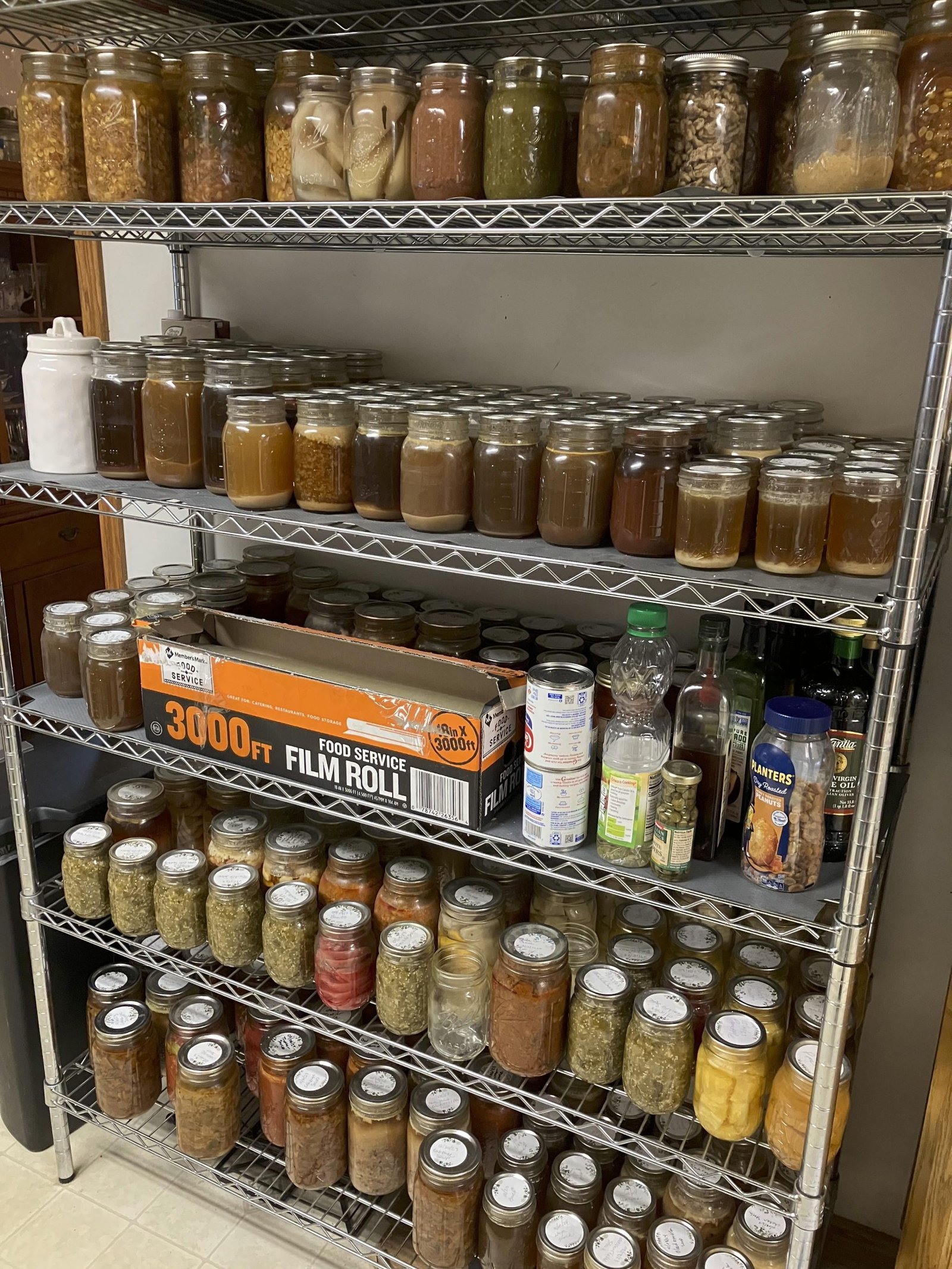
Are you making the most of your canned foods? Proper storage can keep your cans fresh, safe, and ready whenever you need them.
But did you know that storing them the wrong way might shorten their shelf life or even put your health at risk? You’ll discover simple, effective tips to organize and store your canned goods like a pro. Keep reading to protect your food, save money, and make mealtime easier than ever.
Choosing The Right Storage Spot
Storing canned foods correctly helps keep them fresh and safe. Pick a good place to keep your cans long-term.
The right spot protects cans from damage and spoilage. Think about temperature, light, and space.
Ideal Temperature And Humidity
Keep canned foods in a cool place. The best temperature is between 50 and 70 degrees Fahrenheit.
Humidity should stay low to stop rust and mold. Aim for less than 60% humidity if you can.
- Store cans away from hot areas like ovens
- Use a thermometer and hygrometer to check conditions
- Cool, dry spots last longer for canned food
Avoiding Sunlight And Heat Sources
Sunlight can heat cans and cause food to spoil faster. Keep cans away from windows and direct light.
Also avoid heat from heaters, stoves, or appliances. Heat breaks down the food and the can’s seal.
- Store cans in a dark cupboard or pantry
- Keep away from heaters and kitchen appliances
- Use curtains or blinds to block sunlight if needed
Selecting Shelves And Containers
Use sturdy shelves that hold the weight of many cans. Metal or wood shelves work well for storage.
Containers can organize cans and protect them from dust. Choose containers that allow air flow.
- Keep cans off the floor to avoid moisture
- Use stackable containers or bins for better space use
- Label shelves or containers to find cans easily

Credit: trueprepper.com
Organizing Your Canned Goods
Keeping canned foods well organized helps you find items quickly. It also reduces food waste by using older cans first.
Simple organizing methods save space and keep your pantry neat. They make meal planning easier and prevent expired cans.
First In, First Out Method
Place new cans behind older ones on the shelf. This way, you use older cans first before they expire.
This method lowers the chance of food going bad. It helps keep your canned goods fresh and safe to eat.
- Put new cans at the back
- Take cans from the front
- Check expiration dates regularly
Labeling For Easy Access
Label cans with the date you bought them or their expiry date. Use stickers or permanent markers for clear labels.
Labels help you find what you need fast. They reduce the time spent searching and prevent using expired food.
- Write purchase or expiry date on cans
- Use large, easy-to-read labels
- Keep labels visible on the shelf
Grouping By Type And Expiry
Group similar canned foods together. Keep vegetables, fruits, soups, and meats in separate sections.
Within each group, arrange cans by expiry date. This helps you use the oldest cans first and avoid waste.
| Group | Examples | Arrange By |
|---|---|---|
| Vegetables | Green beans, corn, peas | Expiry date |
| Fruits | Peaches, pineapples, pears | Expiry date |
| Soups | Chicken soup, tomato soup | Expiry date |
| Meats | Tuna, chicken, beef | Expiry date |
Maintaining Can Integrity
Proper storage of canned foods keeps them safe and fresh. Maintaining can integrity helps prevent spoilage and contamination.
Check your cans carefully before storing them. This ensures they remain in good condition for long periods.
Checking For Damage And Rust
Look closely at each can for signs of damage. Rust or dents can weaken the can and cause leaks.
Discard any cans that have rust spots or holes. These cans may let bacteria in and spoil the food inside.
- Check for cracks, holes, or rust on the surface
- Make sure the can’s seams are tight and intact
- Avoid cans with swollen or leaking areas
Handling Dents And Bulges
Dents can weaken cans, especially near the seams. Bulges often mean gas buildup inside, which is dangerous.
Do not use canned foods with large dents or bulges. These signs suggest the food may be spoiled or unsafe.
- Inspect cans for dents on the top, bottom, and sides
- Reject cans with bulges or swollen areas
- Handle cans gently to avoid causing new dents
Cleaning Cans Before Storage
Clean cans before storing to remove dust and dirt. This helps keep your storage area hygienic and safe.
Use a damp cloth or sponge to wipe each can. Avoid soaking cans in water to prevent rust from forming.
- Wipe cans with a clean, damp cloth
- Dry cans thoroughly before storing
- Keep cans in a cool, dry place away from moisture
Extending Shelf Life
Canned foods last longer when stored properly. Good storage stops spoiling and keeps food safe. Follow simple tips to extend shelf life.
Proper storage helps keep taste and nutrition. Avoid common mistakes that shorten shelf life.
Optimal Storage Conditions
Store canned foods in a cool, dry, and dark place. Light and heat can damage food inside cans. Avoid storing cans near heat sources like ovens or heaters.
- Keep temperature between 50°F and 70°F (10°C to 21°C)
- Choose places with low humidity
- Store cans away from direct sunlight
- Place cans on shelves, not on the floor
Temperature Fluctuation Effects
Changes in temperature cause cans to expand and contract. This can weaken cans and let air or bacteria inside. Avoid storing canned foods in places where temperature changes a lot.
| Temperature Range | Effect on Cans |
|---|---|
| Below 32°F (0°C) | Food may freeze and cans may burst |
| 50°F–70°F (10°C–21°C) | Ideal for long shelf life |
| Above 85°F (29°C) | Speeds up food spoilage and rusting |
Using Desiccants And Moisture Control
Moisture causes rust on cans and can spoil food. Use desiccants to absorb moisture in storage areas. Keep the storage space dry and clean.
Tips for moisture control:
- Place silica gel packs near canned foods
- Use dehumidifiers in damp storage rooms
- Regularly check for leaks or water damage
- Wipe cans clean before storing
Safety Tips For Stored Canned Foods
Storing canned foods properly helps keep them safe to eat. Cans protect food from bacteria and spoilage.
Knowing how to spot unsafe cans and handle them right keeps your family healthy.
Identifying Spoiled Cans
Check cans carefully before using. Spoiled cans may have dents, rust, or leaks. These signs mean the food inside could be unsafe.
Also, watch for bulging or swelling. This shows gas buildup from bacteria. Avoid using these cans.
- Dents on seams or sharp edges
- Rust patches that weaken the can
- Leaks or sticky residue on the outside
- Bulging or puffed-up cans
- Unusual odors after opening
Proper Disposal Of Damaged Items
Throw away damaged or spoiled cans carefully. Do not open them to check inside, as harmful bacteria may be present.
Wrap cans in plastic or paper before placing them in the trash. This prevents leaks and protects others from contact.
- Do not try to eat food from damaged cans
- Wrap cans before disposal to avoid spills
- Place wrapped cans in a secure trash bin
- Wash hands after handling spoiled cans
When To Avoid Consuming
Never eat canned food if the can looks damaged or the food smells bad. Eating spoiled canned food can cause sickness.
Throw away cans with any signs of damage, swelling, or leaks. Always trust your senses and be safe.
- Food smells sour, rotten, or strange
- Can is swollen, leaking, or rusted
- Can makes a hissing sound when opened
- Food has changed color or texture

Credit: creators.yahoo.com
Creative Storage Solutions
Storing canned foods properly saves space and keeps your pantry neat. Creative ideas help you fit more cans in small areas.
Using smart storage solutions can make your kitchen look organized and easy to use every day.
Using Storage Racks And Bins
Storage racks and bins help keep canned foods visible and easy to reach. They reduce clutter and prevent cans from rolling around.
Stackable racks allow you to store cans in layers without crushing the bottom ones. Bins group similar items together.
- Use tiered racks for better visibility
- Choose bins with handles for easy moving
- Label bins to find cans quickly
- Use clear bins to see contents at a glance
Diy Pantry Organizers
Make your own pantry organizers using simple materials. Cardboard dividers or wooden crates can hold cans neatly.
DIY projects save money and let you customize sizes to fit your space perfectly.
- Create cardboard shelves to stack cans in rows
- Use wooden crates to separate food types
- Paint or decorate organizers for a nice look
- Add labels for easy identification
Maximizing Small Spaces
Use every inch of small pantries by storing cans vertically and using door space. Slim racks fit in tight spots.
Stack cans and use corner shelves to avoid wasted space. Keep heavier cans on lower shelves for safety.
- Install racks on pantry doors
- Stack cans in pyramid shapes
- Use corner shelves for extra storage
- Place heavy cans on bottom shelves

Credit: www.nospoonnecessary.com
Frequently Asked Questions
How Should I Organize Canned Foods In My Pantry?
Organize canned foods by type, size, and expiration date. This ensures easy access and helps prevent expired cans. Place newer cans behind older ones to maintain freshness. Use clear labels or a list to track inventory. This simple organization method saves time and reduces food waste.
Can Canned Foods Be Stored In The Garage?
Avoid storing canned foods in garages due to temperature fluctuations. Extreme temperatures can compromise the quality and safety of canned goods. Instead, store them in a cool, dry place like a pantry. Consistent temperatures help maintain the cans’ integrity, preserving their contents for longer periods.
How Long Can Canned Foods Be Stored Safely?
Canned foods can be stored for up to two years in ideal conditions. Always check expiration dates and inspect cans for damage. Bulging, rusted, or leaking cans should be discarded. Proper storage in a cool, dry place helps maintain quality and safety, ensuring your canned goods remain edible longer.
What Temperature Is Best For Storing Canned Foods?
Store canned foods at temperatures between 50°F and 70°F. This range preserves the quality and safety of the contents. Avoid areas with fluctuating temperatures or excessive heat. Consistent, moderate temperatures help maintain the integrity of the can and the freshness of the food inside.
Conclusion
Storing canned foods correctly keeps them fresh and safe to eat. Choose a cool, dry place with little light. Avoid stacking cans too high to prevent damage. Check expiration dates regularly and use older cans first. Clean cans before storing to avoid rust and dirt.
Organizing cans by type helps find items quickly. These simple steps save money and reduce food waste. Enjoy your canned goods without worry by following these tips. Safe storage leads to better taste and longer shelf life. Simple habits make a big difference in your kitchen.