
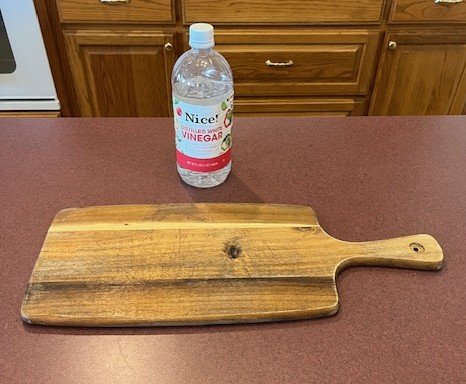
Your cutting board is one of the busiest tools in your kitchen. It’s where you chop, slice, and prepare your meals every day.
But have you ever stopped to think about how clean it really is? Dirt, bacteria, and food odors can hide in the grooves, making your board a breeding ground for germs. What if you could clean it naturally, without harsh chemicals?
Vinegar is a simple, powerful solution you probably already have at home. You’ll discover easy steps to clean your cutting boards with vinegar, keeping them fresh, safe, and ready for your next meal. Keep reading to learn how to protect your family and make your kitchen shine—naturally.
Types Of Cutting Boards
Cutting boards come in different materials. Each type has unique care needs.
Cleaning with vinegar is a natural way to keep them safe and fresh.
Wooden Boards
Wooden boards are popular for their durability and look. They can absorb water if not dried well.
To clean, spray vinegar and wipe with a cloth. Vinegar kills bacteria without harming the wood.
- Use white vinegar for cleaning
- Wipe with a soft cloth after spraying
- Dry board fully to avoid warping
Plastic Boards
Plastic boards are easy to clean and dishwasher safe. They do not absorb liquids like wood.
Spray vinegar to disinfect and remove smells. Rinse well and air dry after cleaning.
- Vinegar cleans stains and odors
- Safe for daily cleaning
- Use with water rinse for best results
Bamboo Boards
Bamboo boards are eco-friendly and hard. They need gentle care to last long.
Use vinegar spray to clean and freshen. Wipe dry soon after to keep bamboo strong.
- Vinegar helps prevent bacteria growth
- Do not soak bamboo boards
- Dry board completely after cleaning
Benefits Of Using Vinegar
Vinegar is a natural and effective way to clean cutting boards. It helps remove germs without harsh chemicals. Using vinegar keeps your kitchen safe and fresh.
This natural cleaner is easy to find and use. It works well on wood and plastic cutting boards. Let’s explore why vinegar is a good choice.
Natural Disinfectant
Vinegar kills many types of bacteria and viruses. It is a safe way to disinfect cutting boards. Unlike chemical cleaners, vinegar does not leave harmful residues.
- Destroys harmful germs
- Prevents cross-contamination
- Works without toxic chemicals
Odor Elimination
Cutting boards can hold strong smells from foods. Vinegar neutralizes these odors naturally. It leaves your board smelling clean and fresh.
| Common Odor | Effect of Vinegar |
|---|---|
| Garlic | Reduces strong smell quickly |
| Onion | Neutralizes lingering odor |
| Fish | Removes tough fishy scent |
Safe For Surfaces
Vinegar is gentle on cutting boards. It does not damage wood or plastic surfaces. This helps your boards last longer and stay smooth.
Preparation For Cleaning
Cleaning cutting boards with vinegar is a natural and safe way to keep them fresh. Proper preparation helps remove dirt and stains effectively.
Before starting, you need to prepare your board and gather the right supplies. This makes cleaning easier and more thorough.
Gathering Supplies
Get all the items you need before cleaning. This saves time and helps you clean well without interruptions.
- White vinegar (plain, no additives)
- Clean spray bottle (optional)
- Soft scrub brush or sponge
- Warm water
- Clean cloth or paper towels
- Dish soap (for pre-cleaning dirt)
Pre-cleaning Steps
Before applying vinegar, remove food scraps and grease. This helps the vinegar clean better.
Start by rinsing the board under warm water. Use dish soap and a sponge to scrub off stuck food. Rinse again to remove soap.

Credit: homewithgraceandjoy.com
Cleaning Wooden Boards
Wooden cutting boards need gentle cleaning to stay safe and last long. Vinegar is a natural cleaner that kills germs and removes smells.
Using vinegar is simple and helps keep your wooden boards fresh without harsh chemicals.
Vinegar Soak Method
Pour white vinegar over the wooden board or soak a clean cloth in vinegar. Rub the vinegar all over the surface to cover it well.
Let the vinegar sit on the board for about 5 to 10 minutes. This helps kill bacteria and remove stains naturally.
- Use white distilled vinegar
- Cover entire board surface
- Let sit 5-10 minutes
Rinsing And Drying
After soaking, rinse the board with warm water to remove vinegar and loosened dirt. Avoid soaking the board in water for too long.
Dry the board quickly using a clean towel. Stand it upright to air dry completely. This prevents wood from warping or cracking.
- Rinse with warm water
- Do not soak in water
- Dry with a clean towel
- Air dry standing up
Cleaning Plastic Boards
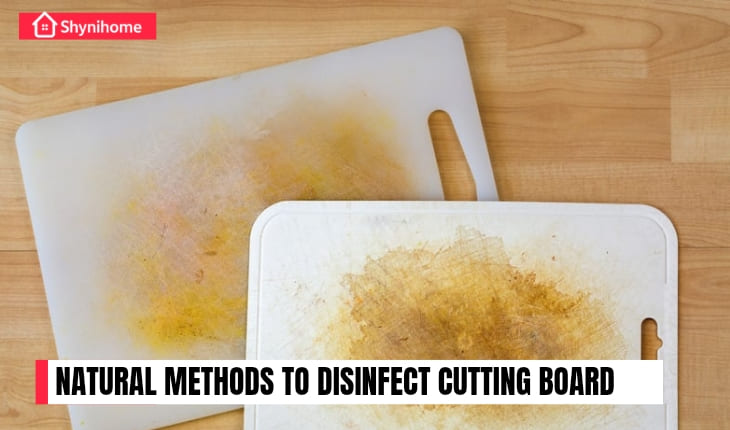
Plastic cutting boards can hold bacteria if not cleaned well. Using natural vinegar is a safe way to clean them. Vinegar kills germs and removes odors without harsh chemicals.
This guide shows how to clean plastic boards with vinegar naturally. Follow these easy steps for a fresh and safe cutting surface.
Vinegar Spray Technique
Fill a spray bottle with white vinegar. Spray the vinegar evenly on the plastic board’s surface. Let it sit for 5 to 10 minutes to kill germs and break down stains.
This method is quick and uses vinegar’s natural acidity to clean without chemicals. It also helps reduce smells from raw food.
Scrubbing And Rinsing
After spraying, scrub the board gently with a soft brush or sponge. Focus on grooves and cuts where bacteria hide. Use circular motions to lift dirt.
Rinse the board well with warm water. Dry it with a clean towel or air dry to prevent water spots and mold growth.
Credit: shynihome.com
Cleaning Bamboo Boards
Bamboo cutting boards need regular cleaning to stay fresh and safe. Using natural ingredients helps protect the wood.
Vinegar is a natural cleaner that can remove bacteria and odors from bamboo boards. It works gently without damaging the surface.
Diluted Vinegar Solution
Mix vinegar with water to create a safe cleaning solution for bamboo boards. The right ratio keeps the wood from drying out.
- Combine one part white vinegar with four parts water in a spray bottle.
- Shake the bottle to mix the solution well.
- Spray the solution evenly over the bamboo board surface.
- Let it sit for 5 minutes to kill germs and remove smells.
- Wipe the board with a clean damp cloth to remove vinegar.
Gentle Wiping
Use soft cloths or sponges to clean bamboo boards after applying vinegar. Avoid rough scrubbing to protect the wood grain.
| Material | Cleaning Tool | Cleaning Method |
| Bamboo Board | Soft cloth or sponge | Wipe gently after vinegar application |
| Bamboo Board | Paper towel | Dry immediately to avoid water damage |
Additional Tips For Maintenance
Keeping your cutting boards clean helps stop bacteria build-up. Vinegar is a natural cleaner that works well. These tips help your boards stay fresh longer.
Regular care prevents stains and odors. Avoiding harsh chemicals keeps your boards safe for food.
Regular Cleaning Routine
Clean your cutting board after every use to keep it safe. Use vinegar as a natural cleaner to kill germs without chemicals.
- Spray white vinegar on the board surface
- Let it sit for 5 minutes to disinfect
- Rinse with warm water and dry completely
- Apply mineral oil weekly to protect wood boards
- Store boards standing up to air dry fully
Avoiding Harsh Chemicals
Harsh cleaners can damage your cutting board and leave harmful residue. Vinegar is a safe alternative for natural cleaning.
| Chemical Type | Effect on Cutting Boards | Natural Alternative |
| Bleach | Can cause cracks and remove finish | White vinegar spray |
| Ammonia | Leaves toxic residue on surface | Soap and water with vinegar rinse |
| Strong detergents | Dry out wood and plastic | Mild soap and warm water |

Credit: victoryrelax.com
Common Mistakes To Avoid
Cleaning cutting boards with vinegar is a natural way to keep them fresh. Many people make mistakes that can damage the board or reduce cleaning power.
Knowing what to avoid helps you clean safely and keep your cutting board in good shape for longer.
Over-soaking
Soaking your cutting board in vinegar or water for too long can cause damage. Wood boards can absorb too much liquid and start to crack or warp.
Plastic boards may not warp but can still become weak if soaked for hours. Vinegar works best when applied directly and wiped off quickly.
- Do not leave the board soaking in vinegar
- Apply vinegar with a cloth or spray bottle
- Wipe the board after a few minutes
- Dry the board immediately after cleaning
Using Hot Water
Using hot water with vinegar may seem helpful but it can harm your cutting board. Hot water can make wood boards dry out and crack faster.
Plastic boards can warp or melt if the water is very hot. It is better to use room temperature or cool water when cleaning with vinegar.
- Avoid hot water for wooden cutting boards
- Use cool or room temperature water
- Vinegar works well without heat
- Hot water can weaken the board over time
Frequently Asked Questions
How Does Vinegar Clean Cutting Boards Naturally?
Vinegar kills bacteria with its acetic acid, making it a natural disinfectant. It removes odors and stains effectively without harsh chemicals. This makes vinegar a safe and eco-friendly option for cleaning cutting boards at home.
Can Vinegar Remove Stains From Wooden Cutting Boards?
Yes, vinegar helps lift stains on wooden cutting boards by breaking down residue. Its natural acidity cleans without damaging the wood’s surface. Regular use keeps boards looking fresh and prevents bacterial buildup.
Is Vinegar Safe For Plastic Cutting Boards?
Vinegar is safe for plastic cutting boards. It disinfects without causing damage or discoloration. Using vinegar regularly helps reduce germs and maintain board hygiene naturally and affordably.
How Long Should Vinegar Sit On Cutting Boards?
Let vinegar sit on the cutting board for 5 to 10 minutes. This contact time allows it to kill bacteria and remove odors effectively. Afterward, rinse with water and dry thoroughly.
Conclusion
Cleaning cutting boards with vinegar keeps them fresh and safe. Vinegar kills germs without harsh chemicals. It’s easy to use and cost-effective too. Just spray, wipe, and rinse for best results. Regular cleaning helps stop bad smells and stains. Your kitchen stays cleaner and healthier this way.
Try this simple method for a natural clean. Save money and avoid strong, artificial cleaners. A clean cutting board means safer food every time. Give vinegar a chance to keep your boards spotless. Simple steps can make a big difference in kitchen hygiene.