
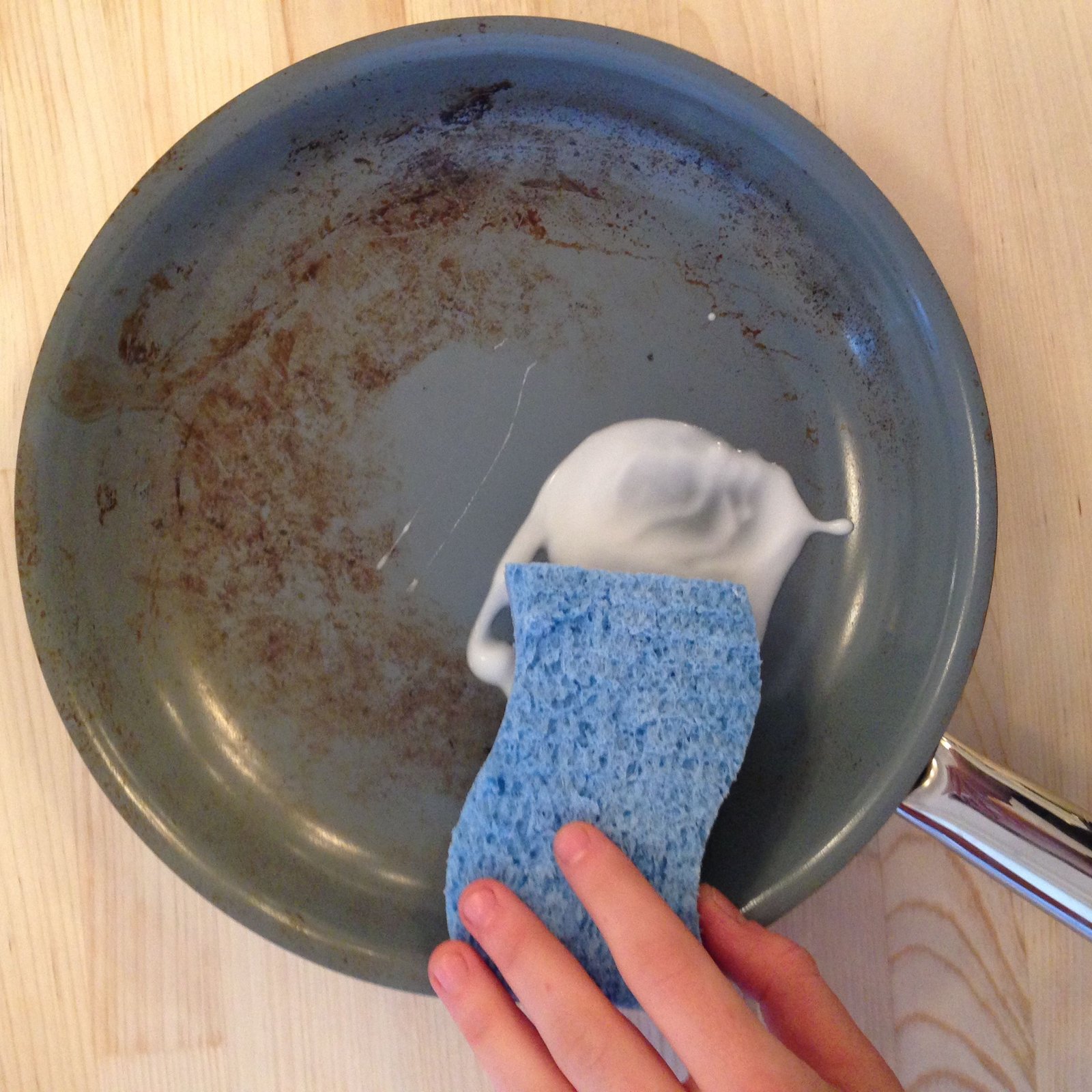
Are your ceramic plates looking dull or stained? You don’t have to reach for harsh chemicals to make them shine again.
Cleaning your ceramic plates naturally is easier than you think, and it’s better for your health and the environment. You’ll discover simple, effective ways to restore your plates to their original beauty using ingredients you probably already have at home.
Keep reading to learn how you can make your ceramic plates sparkle without any harmful cleaners. Your dishes—and your kitchen—will thank you!
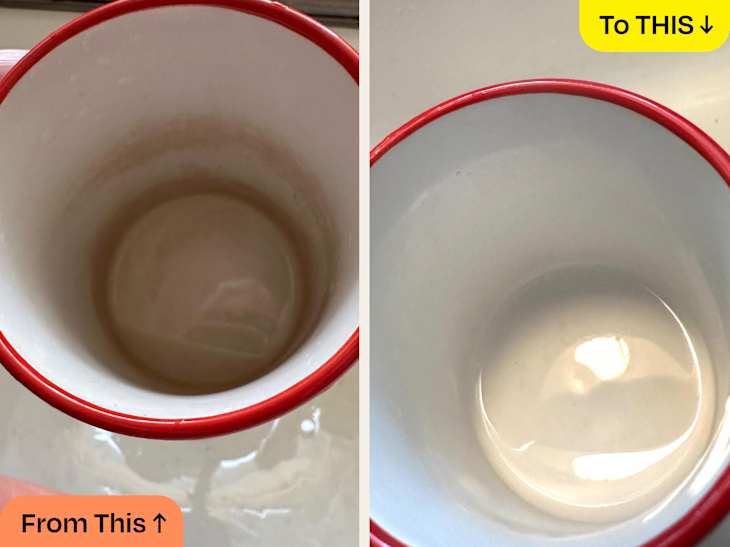
Credit: www.thekitchn.com
Benefits Of Natural Cleaning
Cleaning ceramic plates naturally helps keep them safe and long-lasting. It avoids harsh chemicals that can damage the surface.
Using natural cleaners is good for your health and the environment. These methods are gentle but effective in removing dirt and stains.
Safe For Your Health
Natural cleaning products do not contain harmful toxins. This lowers the risk of allergies and skin irritation.
Protects The Ceramic Surface
Natural cleaners like vinegar and baking soda are gentle on ceramic plates. They clean without scratching or dulling the glaze.
Eco-friendly And Sustainable
Natural cleaning reduces pollution and waste. It uses ingredients that break down easily and do not harm water or soil.
- Uses biodegradable ingredients
- Reduces plastic waste from packaging
- Limits toxic run-off into nature
- Supports a healthier planet
Cost-effective Cleaning Option
| Natural Cleaner | Average Cost |
| Baking Soda | $1 – $3 per box |
| White Vinegar | $2 – $4 per bottle |
| Lemon Juice | $0.50 – $1 per lemon |
| Castile Soap | $5 – $10 per bottle |
Essential Ingredients For Natural Cleaning
Cleaning ceramic plates can be easy and safe with natural ingredients. These items help remove stains and make plates shine.
Using common household products, you can keep your ceramic plates clean without harsh chemicals.
Baking Soda
Baking soda is a gentle abrasive. It removes dirt and stains without scratching the surface. It also helps neutralize odors on your plates.
White Vinegar
White vinegar cuts through grease and grime. Its acidic nature helps dissolve mineral deposits and food residues on ceramic plates.
- Mix equal parts white vinegar and water for a cleaning spray.
- Soak plates in vinegar to loosen tough stains.
- Use vinegar with baking soda for extra cleaning power.
Lemon Juice
Lemon juice is natural and acidic. It brightens white ceramic and removes discoloration. The fresh scent also helps eliminate odors.
| Use | Effect |
| Apply lemon juice on stains | Lightens marks |
| Mix with baking soda | Creates a paste for scrubbing |
| Rinse well after cleaning | Prevents stickiness |
Salt
Salt acts as a mild scrub. It helps remove stuck-on food and tough stains. Salt also adds texture to cleaning mixtures.
Try this simple salt scrub:
- Sprinkle salt on a damp sponge.
- Gently rub the ceramic plate surface.
- Rinse with warm water and dry.
Basic Cleaning Routine
Ceramic plates need gentle care to stay clean and bright. Using natural methods keeps them safe from harsh chemicals.
This guide shows simple steps to clean your ceramic plates naturally with easy home ingredients.
Preparing The Solution
Start by making a natural cleaning solution. Use common kitchen items that are safe and effective for ceramic.
- Mix one part white vinegar with two parts warm water.
- Add a tablespoon of baking soda for extra cleaning power.
- Stir the mixture gently to combine without fizzing over.
- Pour the solution into a large bowl or basin.
Soaking The Plates
Soaking helps loosen dirt and stains on ceramic plates. It softens stuck-on food for easier cleaning.
Place your plates in the prepared solution. Let them sit for about 15 to 30 minutes. This step makes scrubbing less harsh on the plate surface.
Scrubbing Techniques
Use soft tools and gentle motions to clean your ceramic plates. Avoid anything that may scratch the glaze.
| Tool | Use | Notes |
|---|---|---|
| Soft sponge | Scrubbing dirt and stains | Non-abrasive, safe for ceramic |
| Old toothbrush | Cleaning edges and corners | Reaches small crevices |
| Microfiber cloth | Drying and polishing | Prevents scratches |
Removing Stubborn Stains
Ceramic plates can get stains that are hard to clean. These stains often come from daily use.
Using natural ways helps keep plates safe and clean. This guide shows how to remove tough stains.
Handling Coffee And Tea Stains
Coffee and tea leave brown marks on ceramic plates. These stains can be tough but not impossible to clean.
Use baking soda and vinegar to remove these stains naturally. They break down the color without harsh chemicals.
- Make a paste with baking soda and water.
- Apply the paste on the stained area.
- Let it sit for 10 minutes.
- Scrub gently with a soft cloth or sponge.
- Rinse well with warm water.
Dealing With Grease Marks
Grease marks can leave a sticky film on plates. Natural cleaners cut through grease without damage.
Lemon juice and salt work well to clean greasy ceramic plates. They dissolve grease and freshen the surface.
- Sprinkle salt over the greasy spots.
- Rub lemon juice on the salt-covered area.
- Let it sit for 5 to 10 minutes.
- Scrub with a soft sponge or cloth.
- Rinse thoroughly with warm water.
Tips For Maintaining Ceramic Plates
Ceramic plates add charm to your dining table. Keeping them clean helps them last longer.
Use simple methods to keep your ceramic plates bright and free from damage.
Regular Cleaning Schedule
Clean ceramic plates soon after use to avoid stains and food buildup. Use warm water and mild dish soap for best results.
- Rinse plates immediately after meals.
- Wash with a soft sponge and gentle soap.
- Dry plates with a soft cloth to prevent water spots.
- Store plates in a dry place to avoid moisture damage.
- Check plates weekly for chips or cracks.
Avoiding Abrasive Materials
Harsh tools can scratch or break ceramic plates. Use soft cleaning tools and avoid strong chemicals.
| Material | Safe to Use | Should be Avoided |
| Sponges | Soft, non-scratch sponges | Abrasive scrubbers |
| Brushes | Soft bristle brushes | Hard wire brushes |
| Cleaning Agents | Mild dish soap, baking soda | Bleach, harsh chemicals |

Credit: www.abt.com
Eco-friendly Alternatives
Caring for ceramic plates can be simple and kind to the earth. Using natural cleaning methods helps reduce waste and harmful chemicals.
Eco-friendly cleaning keeps your dishes clean and safe for your family and the environment. Let’s explore two great options.
Reusable Cleaning Cloths
Reusable cleaning cloths save money and reduce trash. They can be washed and used many times. Choose cloths made from cotton or bamboo for natural materials.
These cloths clean ceramic plates without scratching. They absorb water and soap well. Using reusable cloths lowers the need for paper towels.
- Soft cotton cloths are gentle on plates
- Bamboo cloths dry fast and resist bacteria
- Wash cloths regularly in hot water
- Avoid using cloths with harsh dyes or chemicals
Natural Dish Soaps
Natural dish soaps use plant-based ingredients. They clean well without harsh chemicals. These soaps are safe for your skin and the environment.
Look for soaps with simple ingredients like coconut oil, olive oil, and essential oils. Avoid products with artificial fragrances and dyes.
- Coconut oil soap removes grease effectively
- Olive oil soap is gentle and moisturizing
- Essential oils add natural scent and antibacterial power
- Check labels to avoid phosphates and sulfates

Credit: puracy.com
Frequently Asked Questions
How Do I Remove Stains From Ceramic Plates Naturally?
Use a mixture of baking soda and water to scrub stains. Let it sit for 10 minutes before rinsing. This method is gentle and effective for natural cleaning.
Can Vinegar Clean Ceramic Plates Without Damage?
Yes, white vinegar is safe for ceramic plates. It dissolves grease and removes odors naturally. Avoid soaking for too long to protect the glaze.
What Natural Ingredients Clean Ceramic Plates Effectively?
Baking soda, white vinegar, lemon juice, and salt work best. These ingredients are non-toxic and remove stains and residue without harsh chemicals.
How Often Should I Clean Ceramic Plates Naturally?
Clean ceramic plates after each use to prevent stains. Regular natural cleaning maintains their shine and durability. Avoid letting food dry on the surface.
Conclusion
Cleaning ceramic plates naturally keeps them safe and spotless. Simple ingredients like baking soda and vinegar work well. These methods save money and protect the environment. Regular cleaning prevents stains and keeps plates looking new. Try these easy tips for a fresh kitchen.
Natural cleaning feels good and is gentle on your dishes. Keep your plates shining without harsh chemicals. Enjoy clean, healthy dishes every day.